 Preview
 Send
Send Share
Share
 Details

 Download
 Similars
 X-Ray
X-Ray Diaporama
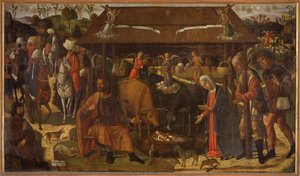
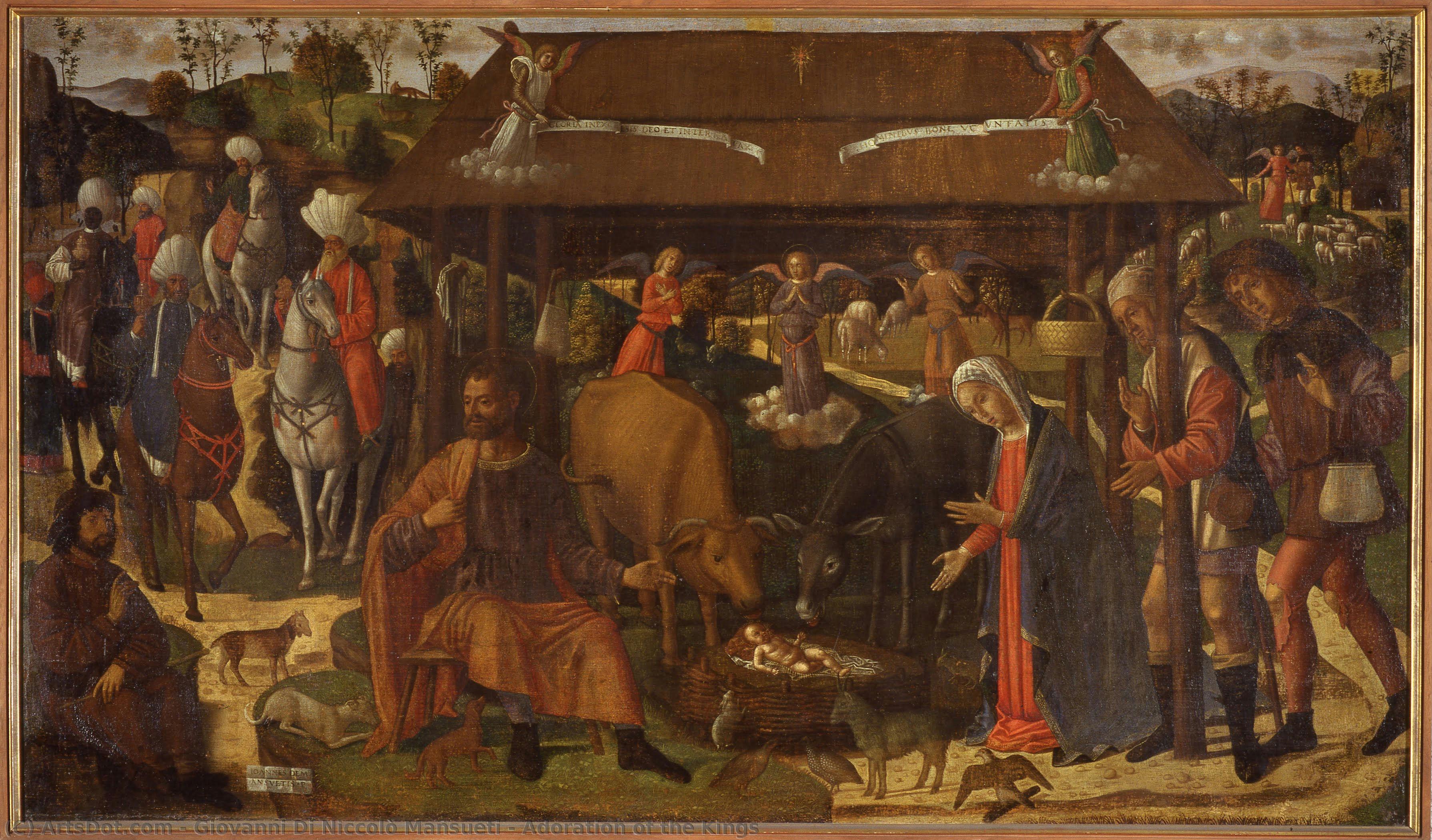
Adoration of the Kings


 Read More
Giclée / Art Print
Museum-quality giclée or canvas print with fast production and flexible finish options. ( Buy Hand Made Painting Buy Image)




P118B $10

P118H $10

P118W $10

P438Z $10

P508JH $12

P508YH $12

P805H $10

P805Z $10

P919BZ $10

P919G $10

P919XJ $10

P959ZH $10

P968JZ $12

W106C $8

W218G $10

W218JH $8

W218Y $10

W307PJ $10

W316G $10

W316PJ $8

W316Y $10

W398PJ $8

W4111J $10

W500HY $15

W500JH $15

W692G $12

W849H $8

W940BG $15

W953PJ $8




Pick from our preset sizes that match the artwork's original proportions.

You may enter your own dimensions to fit a specific frame or space. If your selected size does not match the original image's proportions, we will either crop the artwork or extend the image with a mirrored or solid-fill edge. A digital mockup will be sent for your approval before production begins.
Please note that the on-screen preview does not reflect the actual cropping or extension. Only the mockup will accurately show the final composition.
While custom sizes are available, we recommend selecting a dimension from the predefined list to preserve the original proportions.
Worldwide Delivery () in 2 weeks instead of standard 4/5 weeks. (30 August)

Free Worldwide Express Shipping

High-Quality Linen Canvas

Full Shipping Insurance

Customs Tax Refund Guarantee

True Color Matching Guarantee

60-Day Return Policy (Defects Only)

100% Money-Back Guarantee

Bulk Discount Offer
 Glass option is only available in size under 110 CM

Adoration of the Kings
Giclée / Art Print
Reproduction Size
-


Total Price
$ 63
A Celestial Encounter in Venetian Gold
In the quiet, sacred stillness of Giovanni di Niccolò Mansueti’s Adoration of the Kings, time seems to suspend itself. Painted at the dawn of the sixteenth century, this masterpiece invites the viewer into a moment of profound spiritual intimacy. The scene centers upon the tender interaction between the Virgin Mary and the infant Jesus, a focal point of purity that anchors the entire composition. As Mary kneels before the manger, her devotion serves as a mirror for the viewer’s own contemplation. Surrounding this central miracle is a tapestry of figures—Joseph, various angels, and the Magi themselves—each rendered with a meticulousness that speaks to the Venetian tradition of capturing both the divine and the earthly with equal reverence.
What distinguishes this particular depiction is Mansueti’s unexpected inclusion of horses, positioned with a naturalistic grace that breaks from more rigid iconographic traditions. One horse rests near the left periphery while another occupies the center, their presence grounding the celestial event in a tangible, pastoral reality. This subtle touch of realism adds a layer of complexity to the narrative, suggesting that the arrival of the Kings is not merely a distant myth, but an event unfolding within the living, breathing world. The interplay between the ethereal light and the physical weight of the animals creates a dynamic tension that keeps the eye wandering through the intricate details of the landscape.
The Mastery of the Venetian Antique Style
As a pupil of the legendary Gentile Bellini, Mansueti brought to this work a sophisticated command of color and form that echoes the grandeur of the Proto-Renaissance. His technique is characterized by an antique style—a deliberate choice to utilize idealized forms and meticulous observation reminiscent of masters like Cimabue and Carpaccio. The artist employs a rich, layered approach to pigment, ensuring that every fold of fabric and every glint of light on a gilded surface feels substantial. This attention to detail is not merely decorative; it is a vehicle for storytelling, guiding the observer through the complex hierarchy of the scene, from the humble textures of the manger to the luminous, heavenly presence of the angels.
For the discerning collector or interior designer, this painting offers more than just visual beauty; it provides a profound emotional resonance. The composition’s intricate balance makes it an ideal centerpiece for spaces that demand a sense of history and quiet dignity. Whether placed in a grand library or a contemporary gallery setting, the Adoration of the Kings acts as a window into the Renaissance soul. It is a work that rewards repeated viewing, revealing new nuances in its shadows and highlights each time the light hits the canvas, making it an enduring investment for those who seek to surround themselves with art that speaks of eternal truths.
Related Artworks




Artist Biography
The Enigmatic Legacy of Giovanni di Niccolò Mansueti
Within the golden age of the Venetian Renaissance, certain names flicker like candlelight in a vast cathedral—present, profound, yet partially obscured by the shadows of time. Giovanni di Niccolò Mansueti (c. 1465 – 1527) is precisely such a figure. A master whose brush captured the spiritual essence of Venice, Mansueti operated in an era of immense transition, where the rigid structures of the Middle Ages were yielding to the luminous humanism of the Renaissance. While biographical details regarding his early life remain sparse, his artistic identity is indelibly linked to the Venetian tradition, a lineage defined by color, light, and a profound devotion to sacred narrative.
The foundations of Mansueti’s artistry were laid under the watchful eye of Gentile Bellini, the titan of Venetian painting. From Bellini, Mansueti inherited more than just technical proficiency; he absorbed a specific way of seeing the world—a commitment to disegno and a mastery of glazing techniques that allowed light to permeate the layers of oil paint. This training instilled in him a reverence for classical ideals and an ability to render the divine through meticulous observation. While his contemporaries in Florence were racing toward a bold, muscular naturalism, Mansueti remained a steadfast guardian of the antique style, favoring a serene, idealized beauty that echoed the works of earlier masters like Cimabue and Carpaccio.
A Mastery of Sacred Narrative and Symbolism
To encounter a work by Mansueti is to enter a space of quiet contemplation. His compositions are rarely mere illustrations of scripture; rather, they are carefully constructed theological meditations. He possessed a singular ability to weave complex religious symbolism into the very fabric of his landscapes and figures. In his celebrated depictions of miracles, such as the Miracle of the Relic of the Holy Cross in Campo San Lio, the artist utilizes subtle tonal gradations to elevate the mundane into the miraculous, guiding the viewer's eye through a landscape of profound spiritual significance.
His technical repertoire was characterized by several defining elements:
- Luminous Glazing: The use of thin, transparent layers of pigment to create an ethereal glow that seems to emanate from within the canvas.
- Devotional Precision: A meticulous approach to detail in religious iconography, ensuring that every saintly attribute and sacred object was rendered with clarity and reverence.
- Classical Serenity: An aesthetic preference for balanced, harmonious compositions that evoke a sense of eternal peace rather than dramatic tension.
In masterpieces such as the Adoration of the Kings, Mansueti captures moments of profound human devotion, blending the majesty of the royal visitors with a tender, intimate atmosphere. His work often serves as a bridge between the monumental scale of the High Renaissance and the delicate, ornamental beauty of the Venetian Quattrocento.
Historical Significance and Artistic Resonance
Though the passage of centuries has rendered much of his personal history lost to us, the historical significance of Giovanni di Niccolò Mansueti remains undeniable. He represents a vital link in the evolution of Venetian art, embodying the transition from the decorative traditions of the late 15th century to the more complex, atmospheric explorations of the 16th century. His refusal to abandon the antique style in favor of fleeting trends allowed him to create works that possess a timeless, almost otherworldly quality.
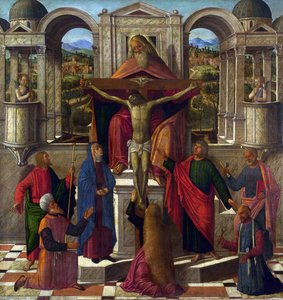
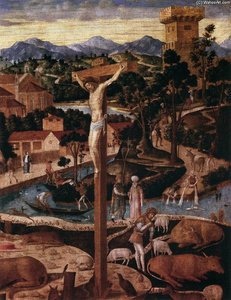
Today, Mansueti’s oeuvre stands as a testament to the enduring power of the Venetian school. His ability to evoke the divine through symbolic representation—as seen in his powerful interpretations of the Crucifixion—continues to captivate scholars and art lovers alike. He remains a master of the sacred, an artist who found the infinite within the details of the finite, leaving behind a legacy of light, faith, and unparalleled Venetian grace.
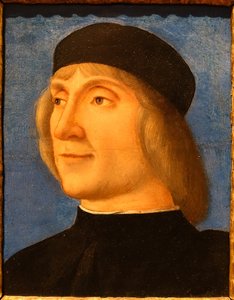
giovanni di niccolò mansueti
1465 - 1527 , Italy
Quick Facts
- Artistic Movement Or Style: Antique Style
- Artists Or Movements Influenced By This Artist: ['Cima da Conegliano']
- Artists Who Influenced This Artist: ['Gentile Bellini']
- Date Of Birth: c. 1465
- Date Of Death: March 26, 1527
- Full Name: Giovanni di Niccolò Mansueti
- Nationality: Italian
- Notable Artworks:
- Miracles of the Cross
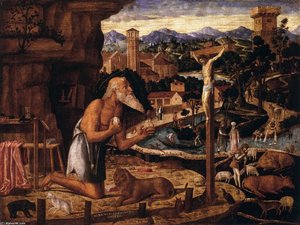
- St Jerome in the Desert (detail)
- The Miraculous Healing of the Daughter of Benvegnudo
- Place Of Birth: Venice, Italy
Related Articles

Jacopo Tintoretto's Masterpieces: 25 Paintings That Define Venetian Drama | ArtsDot
Explore 25 breathtaking masterpieces by Jacopo Tintoretto, the Venetian master of drama and light. Discover the stories behind iconic Renaissance paintings & find museum-quality art reproductions to elevate your home decor on ArtsDot.com.
Jacopo Palma il Giovane: A Venetian Master's Poetic Evolution
Explore the captivating world of Jacopo Palma il Giovane, a pivotal Venetian Renaissance master. Discover his unique style, influenced by Titian & Tintoretto, and learn about key works perfect for discerning collectors.
The Golden Light of Innovation: Exploring the Venetian Renaissance Art Movement (1430–1580)
Explore the Golden Age of Venetian art (1430–1580). Discover Giorgione, Titian & Tintoretto's techniques, the 'colorito' revolution, and lasting influence. Expert insights for collectors & enthusiasts.
Pietro Longhi's Venetian Scenes: A Study of Rococo Society & Domestic Life
Explore the captivating world of Pietro Longhi's Venetian scenes! Discover insightful analysis of his Rococo masterpieces & social commentary on 18th-century life. Learn about this 'Venetian Hogarth' and his lasting artistic legacy.
Vittore Carpaccio: Venetian Renaissance Narrative & the Poetics of Detail
Explore the captivating world of Vittore Carpaccio, a master storyteller of the Venetian Renaissance. Discover his intricate details, narrative cycles like 'The Legend of St. Ursula,' and unique artistic style.