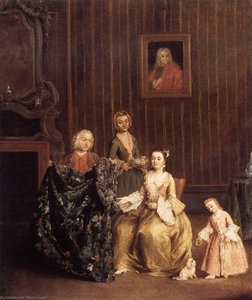
Introduction: The World of Pietro Longhi – Venice’s Chronicler of Daily Life
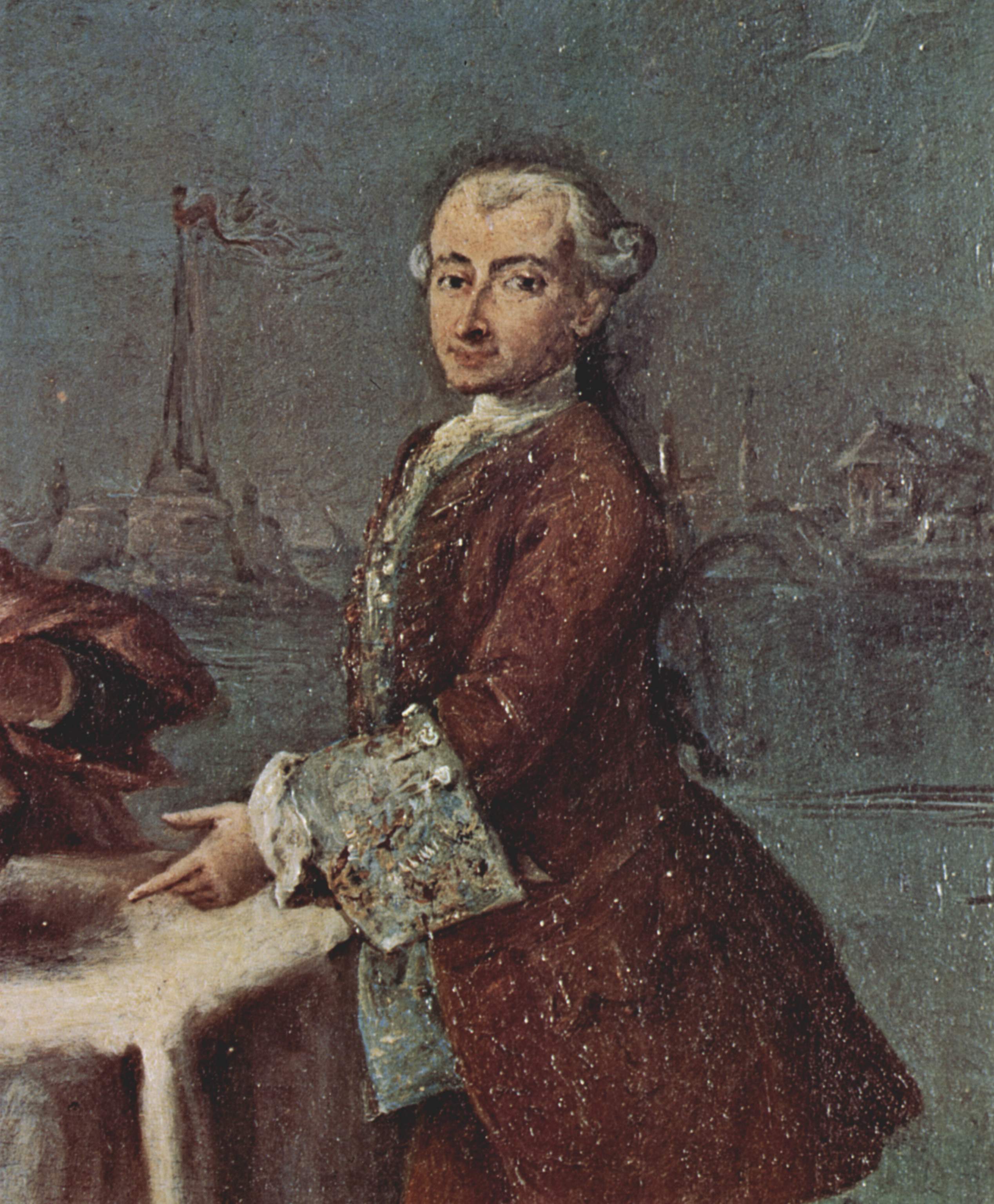 Wikipedia: Pietro Longhi
Pietro Longhi (5 November 1701 – 8 May 1785) was a Venetian painter of contemporary genre scenes of life. == Biography == Pietro Longhi was born in Venice in the parish of Saint Maria, first child of the silversmith Alessandro Falca and his wife, A...
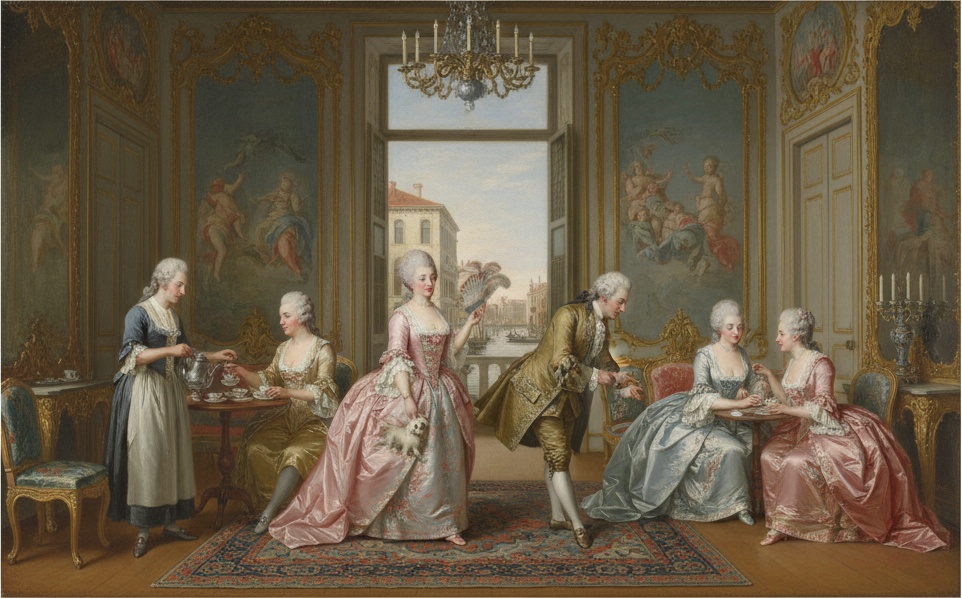
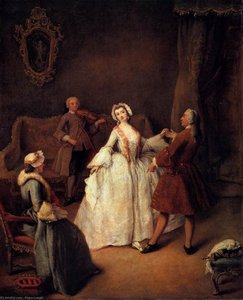
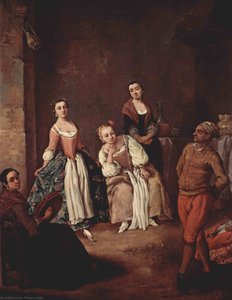
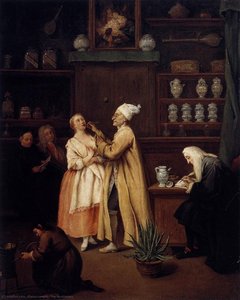
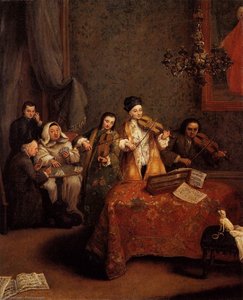
Pietro Longhi (1701-1785) occupies a unique position within the annals of 18th-century Venetian art. Unlike his contemporaries who immortalized grand canals and palatial facades, Longhi turned his discerning eye inward, meticulously documenting the lives of Venice’s burgeoning middle class. He wasn't interested in heroic narratives or mythological allegories; instead, he captured the quiet moments – a lady receiving a visitor, a family gathered for music, a clandestine exchange of letters – transforming everyday occurrences into captivating scenes brimming with subtle social commentary and an undeniable charm. Often dubbed the “Venetian Hogarth,” Longhi possessed a remarkable ability to imbue his paintings with a narrative depth that continues to resonate with viewers today, offering a fascinating glimpse into a world on the cusp of change.
The Rise of Rococo in Venice: A Shift in Artistic Focus
Rococo, less commonly Roccoco ( rə-KOH-koh, US also ROH-kə-KOH; French: [ʁɔkɔko] or [ʁokoko] ), also known as Late Baroque, is an exceptionally ornamental and dramatic style of architecture, art, and decoration which combines asymmetry, scrolling cu...
To understand Longhi’s work, one must first appreciate the broader context of the Rococo movement. Emerging as a reaction against the formality and grandeur of Louis XIV's Baroque style, Rococo embraced asymmetry, delicate ornamentation, and pastel hues. While France served as its epicenter, Venice adopted Rococo with a distinctive flair, blending it seamlessly with its own rich artistic traditions. The emphasis shifted from religious or historical subjects to scenes of leisure, intimacy, and aristocratic life. This change in focus perfectly aligned with Longhi’s inclinations; he wasn't merely painting *what* people did, but *how* they lived – their customs, anxieties, and aspirations. The opulent interiors depicted in his canvases weren’t simply backdrops, but carefully constructed stages reflecting the values and preoccupations of Venetian society.
Decoding the Domestic Interiors: Symbolism and Social Commentary in Longhi's Paintings
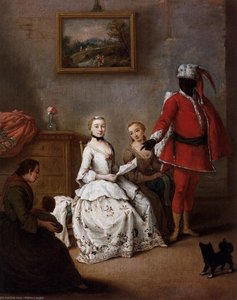 The Letter of the Moor
Explore 'The Letter of the Moor' by Pietro Longhi (1751). A captivating Rococo portrait showcasing Venetian society & subtle social commentary. Oil on canvas, opulent detail.
Longhi’s genius lies not just in his technical skill – his mastery of light, color, and composition is undeniable – but also in his ability to subtly embed social commentary within seemingly innocuous scenes. His interiors are meticulously detailed, each object carefully chosen for its symbolic weight. A discarded letter might hint at a secret romance or financial trouble; an awkwardly positioned figure could betray a sense of unease or social climbing. “The Venetian Lady’s Morning” (1741), for example, isn't simply a portrait of aristocratic leisure. The woman’s elaborate toilette and the presence of numerous attendants speak to her status, but the slightly disheveled state of the room suggests a life less than perfectly ordered. Similarly, “The Music Lesson” (1748), with its playful arrangement of instruments and figures, subtly satirizes the pretensions of Venetian society – are these lessons truly about musical education, or merely a display of wealth and refinement? Longhi’s paintings invite us to look beyond the surface, prompting questions about morality, social conventions, and the complexities of human relationships.
Key Works & Recurring Themes: 'The Venetian Lady’s Morning,' 'The Music Lesson,' and Beyond
Several recurring themes permeate Longhi's oeuvre. The depiction of gambling parlors (Ridotti) offers a glimpse into the darker side of Venetian life, revealing the allure and potential pitfalls of fortune-seeking. Paintings like “The Letter of the Moor” (1751), showcase an intriguing blend of social observation and narrative ambiguity. The composition centers around a mysterious letter delivered by a man of color, sparking speculation about its contents and the recipient’s reaction. This work, like many others, demonstrates Longhi's fascination with secrets, intrigue, and the hidden lives of his subjects. He frequently employed masked figures – a nod to Venice’s famous Carnival tradition – adding an element of anonymity and suggesting that appearances can be deceiving. The use of light is also crucial; it often illuminates key details while casting shadows on others, creating a sense of drama and suspense.
Longhi and His Circle: Influences, Contemporaries, and Family Legacy
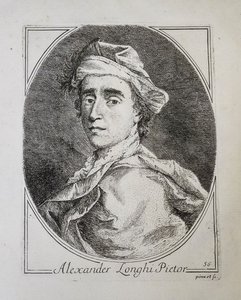 Alessandro Longhi
Alessandro Longhi (1733-1813): Venetian portraitist of nobles & state officials, son of Pietro Longhi. Master of Rococo style & etching, capturing 18th-century Venice's elegance.
While Longhi carved his own unique path, he wasn’t entirely isolated from the artistic currents of his time. He initially trained under Antonio Balestra in Verona before apprenticing with Giuseppe Maria Crespi in Bologna, absorbing influences from both Italian and Dutch genre painting traditions. His work shares similarities with that of Gaspare Traversi, another Venetian painter known for satirical scenes, though Longhi’s style is generally more refined and nuanced. Interestingly, his son, Alessandro Longhi, followed in his father's footsteps, becoming a skilled portraitist who continued to capture the elegance of 18th-century Venice. The family dynamic highlights the enduring appeal of this artistic lineage and the continued demand for scenes depicting Venetian life.
Collecting Pietro Longhi Today: Appreciation and Lasting Influence
Today, Pietro Longhi’s paintings are highly sought after by collectors and museums worldwide. His works offer a rare and intimate glimpse into a bygone era, providing invaluable insights into the social customs, anxieties, and aspirations of 18th-century Venice. His ability to blend technical mastery with subtle social commentary ensures his lasting relevance in art history. ArtsDot.com offers high-quality reproductions of Longhi’s masterpieces, allowing art enthusiasts to bring these captivating scenes into their own homes and appreciate the enduring beauty and wit of this remarkable Venetian painter. Whether you are drawn to the elegance of “The Venetian Lady’s Morning” or the narrative intrigue of “The Letter of the Moor,” Longhi's paintings continue to captivate and inspire, reminding us of the power of art to illuminate the human condition.