 Preview
 Send
Send Share
Share
 Details

 Download
 Similars
 X-Ray
X-Ray Diaporama
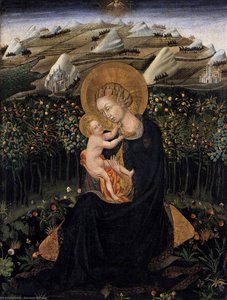
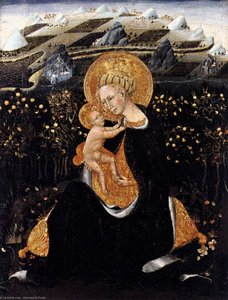
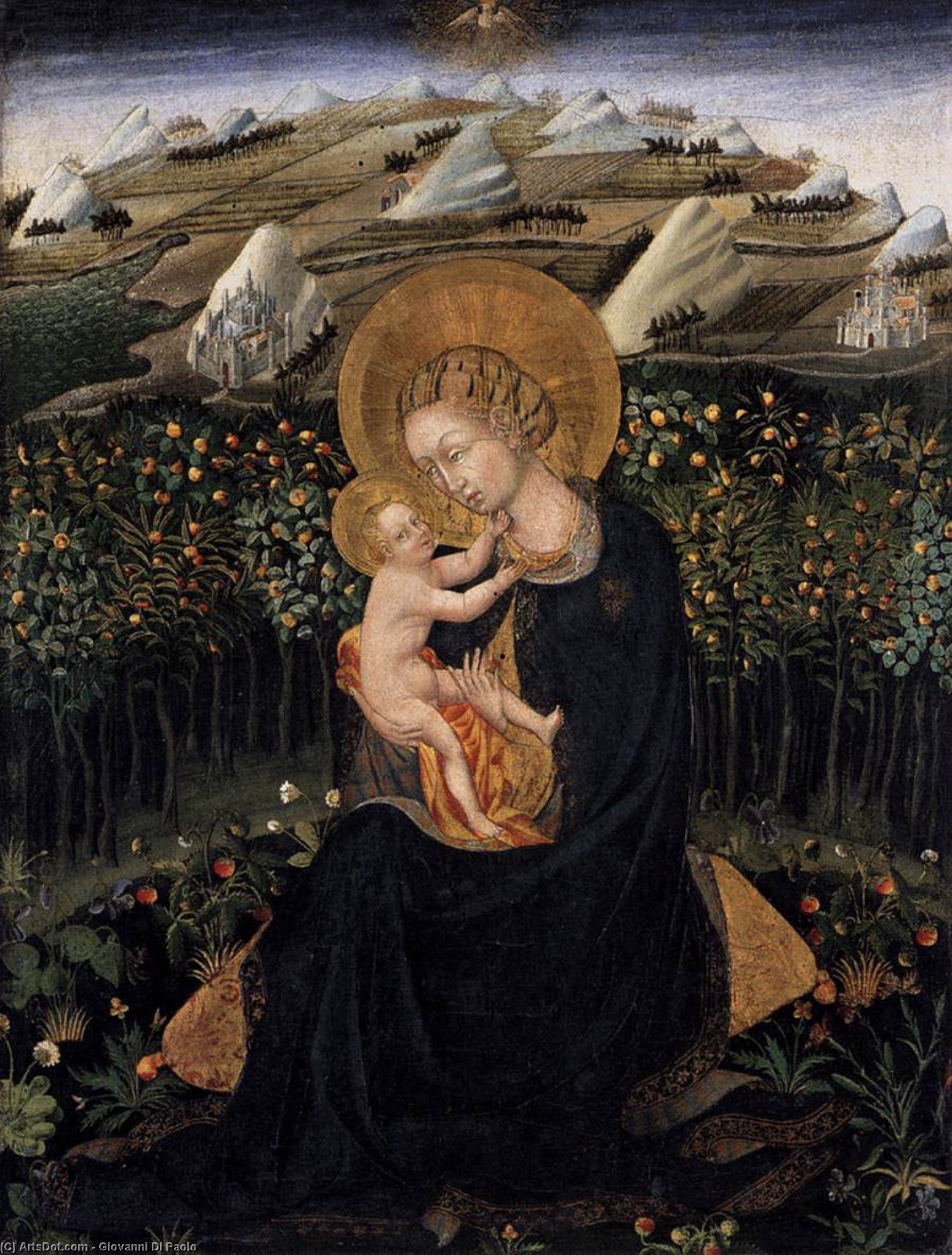
Madonna of Humility (Virgin and Child)
 Tempera
- Early Renaissance
 1442
1442- Renaissance
 56.0 x 43.0 cm
 Museum of Fine Arts
 Read More
Giclée / Art Print
Museum-quality giclée or canvas print with fast production and flexible finish options. ( Buy Hand Made Painting Buy Image)




P118B $10

P118H $10

P118W $10

P438Z $10

P508JH $12

P508YH $12

P805H $10

P805Z $10

P919BZ $10

P919G $10

P919XJ $10

P959ZH $10

P968JZ $12

W106C $8

W218G $10

W218JH $8

W218Y $10

W307PJ $10

W316G $10

W316PJ $8

W316Y $10

W398PJ $8

W4111J $10

W500HY $15

W500JH $15

W692G $12

W849H $8

W940BG $15

W953PJ $8




Pick from our preset sizes that match the artwork's original proportions.

You may enter your own dimensions to fit a specific frame or space. If your selected size does not match the original image's proportions, we will either crop the artwork or extend the image with a mirrored or solid-fill edge. A digital mockup will be sent for your approval before production begins.
Please note that the on-screen preview does not reflect the actual cropping or extension. Only the mockup will accurately show the final composition.
While custom sizes are available, we recommend selecting a dimension from the predefined list to preserve the original proportions.
Worldwide Delivery () in 2 weeks instead of standard 4/5 weeks. (6 September)

Free Worldwide Express Shipping

High-Quality Linen Canvas

Full Shipping Insurance

Customs Tax Refund Guarantee

True Color Matching Guarantee

100-Day Return Policy (Defects Only)

100% Money-Back Guarantee

Bulk Discount Offer
 Glass option is only available in size under 110 CM

Madonna of Humility (Virgin and Child)
Giclée / Art Print
Reproduction Size
-


Total Price
$ 63
A Vision of Divine Tenderness
In the quietude of the mid-fifteenth century, Giovanni di Paolo breathed life into a scene of profound intimacy that continues to captivate the soul centuries later. His Madonna of Humility is not merely a religious icon but a window into a moment of celestial grace. The painting presents the Virgin Mary cradling the Christ Child, their gazes directed upward as if caught in a shared, silent communion with the divine. Set against a backdrop of rugged, dreamlike mountains, the composition transcends the boundaries of a simple portrait, inviting the viewer into a landscape where the earthly and the heavenly intersect. For the discerning collector or interior designer, this piece offers a rare sense of tranquility, making it an exquisite focal point for spaces dedicated to reflection, peace, and timeless elegance.
The artistry of Giovanni di Paolo lies in his masterful ability to bridge the lyrical, decorative splendor of the Sienese Gothic tradition with the burgeoning naturalism of the early Renaissance. Utilizing the delicate medium of tempera on canvas, the artist achieved a luminous quality that seems to radiate from within the figures themselves. Every brushstroke serves to emphasize the softness of the Virgin's mantle and the tender weight of the infant in her arms. The scattered apples throughout the scene are far more than mere botanical details; they serve as potent symbols of abundance, fertility, and the fallen state of humanity awaiting redemption through the Christ Child. This careful layering of symbolism ensures that the artwork remains intellectually stimulating while remaining visually breathtaking.
A Masterpiece for the Modern Sanctuary
To possess a reproduction of this masterpiece is to bring a piece of history into the contemporary home. The Madonna of Humility possesses a unique emotional resonance that adapts beautifully to various interior aesthetics, from classical European estates to modern, minimalist sanctuaries. Its palette—rich with the earthy tones of the Tuscan landscape and the ethereal glow of sacred light—complements sophisticated color schemes, adding depth and a sense of storied heritage to any wall. The painting’s ability to evoke a feeling of serene protection makes it an ideal selection for those looking to curate an environment of emotional warmth and spiritual depth.
As we look back at the year 1442, we see an artist at the height of his imaginative powers, creating a work that defies the rigid structures of his era. Giovanni di Paolo’s "Painter of Dreams" reputation is fully realized here, as he crafts a world that feels both tangibly real and beautifully otherworldly. Whether displayed in a sunlit gallery or a quiet study, this depiction of the Virgin and Child stands as a testament to the enduring power of maternal love and the eternal beauty of the Sienese school, offering an unparalleled opportunity for art lovers to connect with the profound legacy of the Italian Renaissance.
Related Artworks
Artist Biography
A Sienese Painter of Dreams
Giovanni di Paolo, born in Siena around 1403, stands as a fascinating and somewhat enigmatic figure within the landscape of early Renaissance Italian art. While overshadowed by contemporaries like Masaccio and Donatello who championed a new naturalism, Giovanni carved his own unique path, preserving the lyrical intensity of Gothic traditions while subtly absorbing emerging Renaissance sensibilities. His life, though documented in fragments, reveals an artist deeply rooted in the Sienese artistic community, initially serving as a manuscript illuminator for the Dominican Order from approximately 1417. This early training honed his meticulous attention to detail and refined color application—skills that would become hallmarks of his distinctive style. It’s believed he may have received formative instruction from established Sienese masters such as Taddeo di Bartolo or Martino di Bartolomeo, though the precise nature of these apprenticeships remains open to scholarly debate.The Embrace of Gothic Tradition and Emerging Influences
Giovanni di Paolo’s artistic development unfolded against a backdrop of shifting aesthetic currents. Siena, while once a leading artistic center, was gradually yielding ground to Florence's burgeoning Renaissance innovations. Yet, Giovanni remained steadfastly connected to the city’s rich Gothic heritage. His early works clearly demonstrate this allegiance—elongated figures, decorative patterns, and a preference for brilliant, sometimes jarring color combinations all echo the stylistic conventions of his predecessors. However, around 1420, a pivotal moment arrived with the visit of Gentile da Fabriano to Siena. This encounter profoundly impacted Giovanni’s artistic vision. He eagerly adopted elements of Gentile's style, particularly the incorporation of naturalistic details—delicate flowering plants and meticulously rendered landscapes—within religious scenes. This marked a departure from the more austere depictions favored by earlier Sienese painters, infusing his work with a newfound sense of observation and detail. But Giovanni didn’t simply imitate; he synthesized these influences into something uniquely his own, creating compositions that often possess an ethereal, dreamlike quality—a characteristic that sets him apart.Masterpieces of Surreal Vision
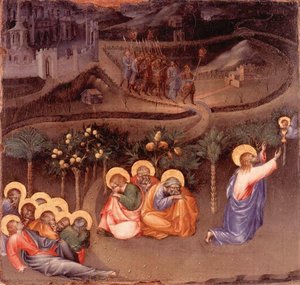
Giovanni di Paolo's oeuvre is remarkably diverse, encompassing altarpieces, panel paintings, and exquisitely illuminated manuscripts. His most celebrated works demonstrate a remarkable ability to transform traditional religious narratives into captivating visual experiences. The Miracle of St. Nicholas of Tolentino, painted around 1455, stands as a prime example of his surreal style. The painting depicts a fantastical landscape populated by elongated figures and imbued with an otherworldly atmosphere. It’s not merely a depiction of a miracle; it's an evocation of spiritual ecstasy and divine intervention. Equally compelling is the dispersed series depicting scenes from the life of Saint Catherine of Siena, now scattered across various museums. These panels showcase his mastery of narrative painting and expressive characterization, capturing the saint’s piety, intellectual strength, and mystical experiences with remarkable sensitivity. Beyond these iconic works, Giovanni's illuminated manuscripts—particularly those illustrating Dante’s Divine Comedy—reveal a virtuoso command of detail and vibrant color, demonstrating his versatility as an artist across different mediums. His *Christ in the Garden of Gethsemane* (c. 1430) is another compelling example of his dramatic narrative skill and rich palette.A Legacy Rediscovered
Following Giovanni di Paolo’s death in Siena in 1482, his reputation gradually faded into relative obscurity. For centuries, he was largely overlooked by art historians, overshadowed by the more celebrated figures of the Renaissance. However, during the 20th century, a renewed appreciation for his unique artistic vision began to emerge. Scholars recognized him as a pivotal figure in the Sienese School, bridging the gap between late Gothic art and the early Renaissance. His willingness to experiment with form and color, coupled with his distinctive dreamlike aesthetic, set him apart from his contemporaries. He is now acknowledged not merely as a follower of tradition but as an innovator who anticipated certain aspects of Mannerism and even foreshadowed the expressive tendencies of 20th-century art. Giovanni di Paolo’s legacy lies in his ability to create works that are both deeply rooted in medieval spirituality and remarkably forward-looking in their artistic sensibility—a testament to the enduring power of a truly original vision.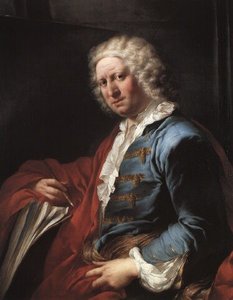
Giovanni di Paolo
1403 - 1482 , Italy
Quick Facts
- Artistic Movement Or Style: Gothic & Renaissance
- Artists Or Movements Influenced By This Artist:
- Mannerism
- Expressionism
- Artists Who Influenced This Artist:
- Taddeo di Bartolo
- Martino di Bartolomeo
- Gentile da Fabriano
- Date Of Birth: c. 1403
- Date Of Death: 1482
- Full Name: Giovanni di Paolo di Grazia
- Nationality: Italian
- Notable Artworks:
- Miracle of St. Nicholas
- St. Catherine Series
- Christ in the Garden
- Nativity
- Crucifixion
- Place Of Birth: Siena, Italy
Related Articles

Giotto's Masterpieces: 25 Renaissance Artworks for Your Home | ArtsDot
Explore 25 breathtaking artworks by Giotto di Bondone, a Renaissance master. Discover the stories behind iconic frescoes & paintings like the Scrovegni Chapel cycle. Find museum-quality Giotto reproductions and elevate your home decor with ArtsDot.com.
Proto-Renaissance Masters: 10 Artworks That Changed History | ArtsDot
Journey back to the dawn of Renaissance art! Explore 10 iconic Proto-Renaissance masterpieces by Giotto, Cimabue & Duccio. Discover their stories, techniques & lasting impact. Find museum-quality reproductions for your home at ArtsDot.com
La Biennale's Masterpieces: 25 Artworks to Inspire Your Home | ArtsDot
Explore 25 iconic artworks from La Biennale di Venezia! Discover the stories behind masterpieces of Italian art, modernism & Renaissance paintings. Find museum-quality reproductions and elevate your home decor with ArtsDot.com. Explore the full collection online.
Giovanni Paolo Panini: Capturing Roman Grandeur – A Vedute Master's Legacy
Explore the captivating world of Giovanni Paolo Panini, master of Roman vedute painting. Discover his technique, iconic works, influence on art history & collecting advice from experts at ArtsDot.
Giovanni Fattori: Realism, Identity & the Tuscan Landscape – A Macchiaioli Master
Explore the life & art of Giovanni Fattori, a leading figure of the Macchiaioli movement. Discover his revolutionary realism, captivating Tuscan landscapes, and lasting impact on Italian painting. Learn more at ArtsDot.