

 Preview
 Send
Send Share
Share
 Details

 Download
 Similars
 X-Ray
X-Ray Diaporama
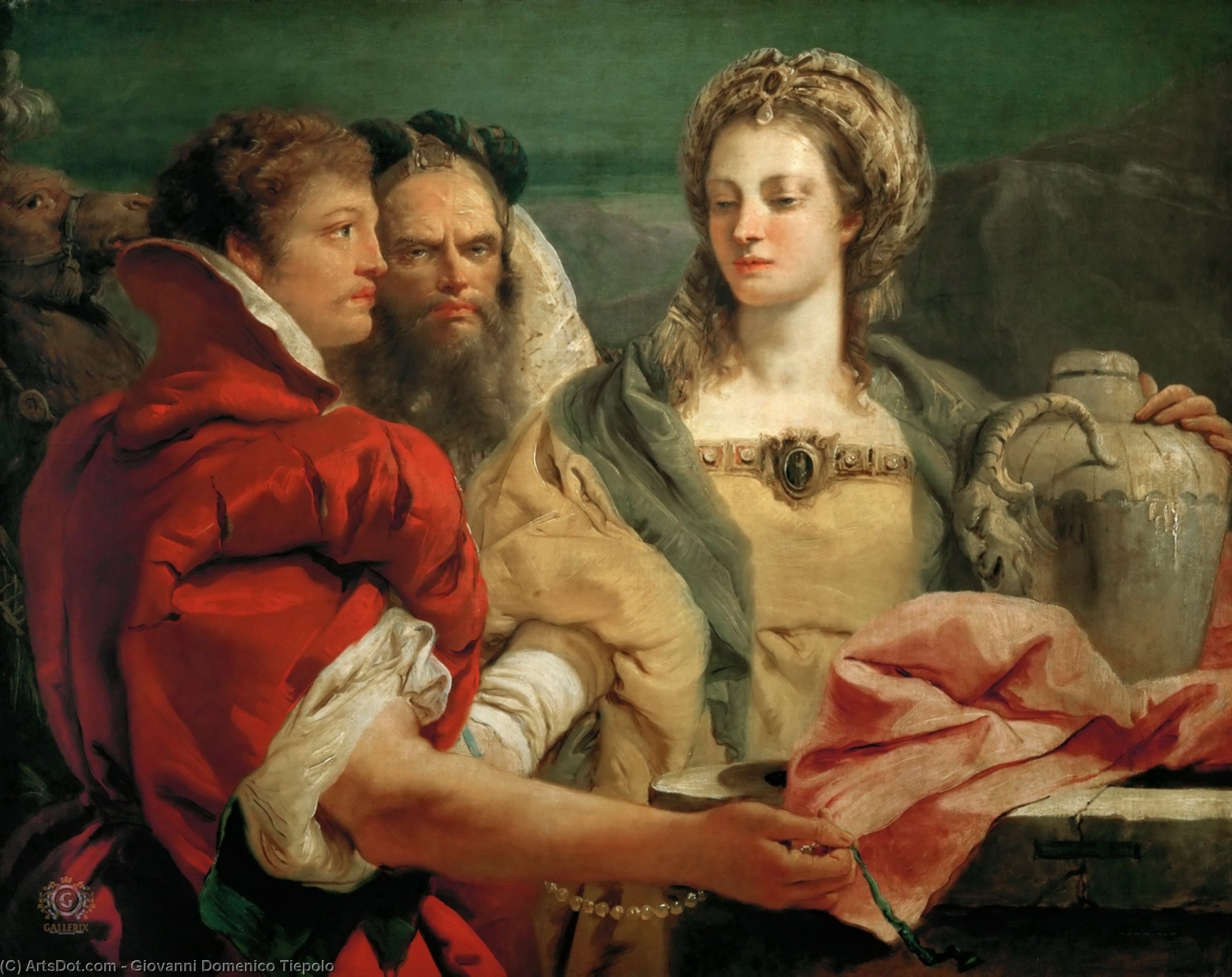
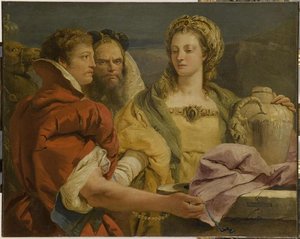
Rebecca at the Well
 Oil On Canvas
- WallArt
- Baroque
 1751
1751 84.0 x 105.0 cm
 The Louvre
 Read More
Purchase a high-resolution, enhanced digital image, far superior to the online preview.
Each file is meticulously prepared by our in-house specialists using advanced tools and expert manual retouching. We ensure every image has exceptional clarity, precise color accuracy, and fine detail.
The final file is delivered via email within 72 hours, optimized for immediate use in professional, editorial, and print environments. This is the same quality trusted by top-tier design studios, publishers, and galleries.
Digital Image
Download a high-resolution file for personal display, printing, and creative projects. ( Buy Print Buy Hand Made Painting)
Included in Every Digital Image Order
Expert Digital Delivery, Guaranteed
When you choose ArtsDot.com, you're not just getting an image - you're receiving a professionally enhanced digital artwork, crafted with precision and backed by a satisfaction guarantee. Here's everything that comes with your order, automatically:

Fast Email Delivery
Your high-resolution digital image file will be emailed to you within 72 hours of ordering - ready for immediate use.

AI-Enhanced Digital File
Your artwork is professionally optimized using advanced AI tools and manual editing, ensuring maximum detail, clarity, and color accuracy.

Free Lifetime Re-Delivery
Accidentally deleted or lost your file? No worries - we'll resend it to you anytime, free of charge.

No Import Fees - Ever
Enjoy your artwork instantly with zero customs, duties, or delivery fees - digital downloads are always tax-free.

Color Accuracy Guarantee
We ensure your digital image reflects the original colors as closely as possible using professional tools and color management.

60-Day Satisfaction Guarantee
If you're not satisfied with your digital image, we'll revise it or refund 100% within 60 days - no questions asked.

100% Money-Back Guarantee
Not satisfied? Get a full refund within 60 days of receiving your digital file - no questions asked.

Bulk Order Discounts
Buy 3 images, save 10% - Buy 5, save 15% - Buy 10+, save 20%. Great for creative projects, galleries, and agencies.
Collectible Description
A Glimpse into Venetian Opulence: Giovanni Domenico Tiepolo’s “Rebecca at the Well”
Giovanni Domenico Tiepolo's "Rebecca at the Well," painted in 1751, is more than just a depiction of a biblical scene; it’s a vibrant portal into the heart of Rococo Venice. This oil painting, now housed within the Louvre Museum in Paris, immediately captivates with its dramatic lighting, rich textures, and an underlying current of intrigue that speaks to the complexities of human interaction. Tiepolo, a key figure in his father Giovanni Battista Tiepolo’s legacy, masterfully employs Baroque techniques – particularly the use of chiaroscuro – to create a scene brimming with both grandeur and subtle tension.
The composition itself is meticulously crafted, adhering to classical principles while simultaneously embracing the dynamism characteristic of the Rococo style. A triangular arrangement draws the eye towards the central figure of Rebecca, bathed in light as she approaches the well, flanked by two men – likely her brothers Samuel and Isaac – who observe her with a mixture of curiosity and perhaps even apprehension. The setting, an interior space rendered with remarkable detail, hints at a lavish Venetian home, complete with ornate furnishings and architectural elements that speak to the wealth and status of its inhabitants. The painting’s scale—measuring 84 x 105 cm—further enhances the sense of immersion, drawing the viewer into this intimate yet theatrical moment.
Decoding Symbolism: Jewels, Amphorae, and the Dance of Power
Beyond its immediate visual appeal, “Rebecca at the Well” is laden with symbolic meaning. Rebecca’s elaborate jewelry – a shimmering necklace and bracelets – immediately signify her status and wealth, reflecting the societal values of 18th-century Venice. The prominent amphora (a large earthenware jar) positioned near the well isn't merely decorative; it represents abundance, hospitality, and the importance of providing for one’s family—themes deeply rooted in Venetian culture. The men observing Rebecca are equally significant. Their postures and expressions suggest a careful consideration of her actions, hinting at potential consequences or perhaps even a veiled power dynamic.
Furthermore, the scene itself draws upon elements of classical mythology and biblical narrative. While the specific story depicted is often interpreted as a variation on the tale of Penelope and her suitors, the painting’s overall mood evokes a sense of suspense and moral ambiguity. Tiepolo skillfully blends these disparate influences to create an artwork that transcends its literal subject matter, inviting viewers to contemplate themes of virtue, temptation, and the complexities of human relationships.
The Artistry of Tiepolo: Technique and Venetian Tradition
Tiepolo’s technical skill is evident in every brushstroke. He employs a layered approach, meticulously building up texture through the application of numerous thin glazes of oil paint—a hallmark of his style. This technique creates a remarkable sense of depth and volume, particularly noticeable in the drapery and the details of the architecture. The use of color is equally masterful, with warm reds, browns, and golds dominating the palette, contrasted by cooler shades of white and grey used to depict skin tones. The artist’s attention to detail extends to the rendering of light, which cascades across the scene in dramatic shafts, creating a powerful sense of atmosphere.
This painting is deeply embedded within the Venetian artistic tradition. Tiepolo inherited not only his father's technical prowess but also his fascination with theatricality and illusionism—qualities that are particularly evident in the flattened perspective and the carefully orchestrated composition. His work stands as a testament to Venice’s enduring legacy as a center of art and culture during the 18th century, showcasing the city’s vibrant spirit and its profound influence on European artistic development.
A Timeless Masterpiece: Reproductions and Beyond
“Rebecca at the Well” remains a captivating work of art, offering viewers an enduring glimpse into the opulent world of 18th-century Venice. ArtsDot.com offers high-quality reproductions that faithfully capture the painting’s rich colors, intricate details, and dramatic atmosphere. Whether displayed in a grand salon or a smaller space, this timeless masterpiece continues to inspire and enchant, reminding us of the power of art to transport us to another time and place.
Related Artworks



Artist Biography
Giovanni Domenico Tiepolo: A Master of Rococo Frescoes
Giovanni Domenico Tiepolo (August 30, 1727 – March 3, 1804) was a prominent Italian painter and printmaker from the Republic of Venice. He is recognized as a leading figure in the Rococo style, inheriting and expanding upon the legacy of his renowned father, Giovanni Battista Tiepolo. His career spanned several decades, leaving behind a rich body of work characterized by vibrant colors, dynamic compositions, and elegant depictions of mythological scenes, portraits, and landscapes.
Early Life and Training
Born into an artistic family, Giovanni Domenico’s early life was deeply intertwined with the world of art. His father, Giovanni Battista Tiepolo, a celebrated painter known for his monumental frescoes, served as his primary mentor. Giovanni Domenico received rigorous training under his father's guidance, learning the techniques and stylistic nuances that would shape his own artistic development. He also benefited from exposure to other notable artists of the time, including Sebastiano Ricci and Federico Bencovich, further broadening his artistic horizons. As a young man, he frequently assisted his father on large-scale projects, gaining invaluable practical experience in fresco painting.
Artistic Career and Style
Giovanni Domenico’s career flourished throughout the 18th century. He established himself as a skilled artist capable of producing both independent works and contributing to collaborative projects. While initially working closely with his father, he gradually developed his own distinct style, though retaining elements of the Rococo aesthetic prevalent in Venetian art at the time. His artistic output included frescoes, paintings on canvas, and etchings.
- Frescoes: Tiepolo was particularly renowned for his frescoes, decorating numerous locations throughout Italy with elaborate scenes. Notable examples include the frescoes at Ca' Dolfin on the Grand Canal in Venice and the ceiling of the Gesuati (Santa Maria del Rosario) church, also in Venice.
- Paintings: Beyond frescoes, he created a significant number of paintings on canvas, often depicting mythological subjects or portraits. Examples include "Perseus and Andromeda" (view here), “The Rape of Europa” (view here) and "Hunter with Deer" (view here).
- Etchings: Tiepolo also demonstrated his skill in etching, creating detailed and expressive prints such as "Die heiligen Augustinus, Ludwig von Frankreich, Johannes Evangelist und Magnus" (view here) and “Apotheosis of Hercules” (view here).
Historical Significance
Giovanni Domenico Tiepolo played a crucial role in the continuation and evolution of Venetian Rococo art. While overshadowed by his father’s fame during his lifetime, he is now recognized as a significant artist in his own right. His frescoes and paintings offer valuable insights into the artistic tastes and cultural values of 18th-century Venice and Italy. His ability to blend classical themes with contemporary sensibilities solidified his place within the Rococo movement, leaving behind a legacy of vibrant artistry that continues to captivate audiences today.

Giovanni Domenico Tiepolo
2007 - 1770 , Italy
Quick Facts
- Artistic Movement Or Style: Rococo
- Artists Who Influenced This Artist: ['Giovanni Battista Tiepolo']
- Date Of Birth: August 30, 1727
- Date Of Death: March 3, 1804
- Full Name: Giovanni Domenico Tiepolo
- Nationality: Italian
- Notable Artworks:
- Perseus and Andromeda
- The Rape of Europa
- Hunter with Deer
- Die heiligen Augustinus
- Apollo and Diana
- Apotheosis of Hercules
- Place Of Birth: Venice, Italy

