 Preview
 Send
Send Share
Share
 Details

 Download
 Similars
 X-Ray
X-Ray Diaporama
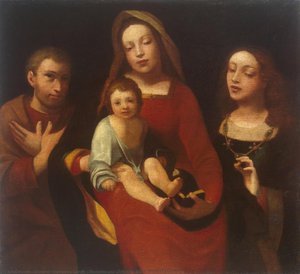
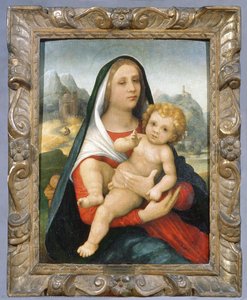
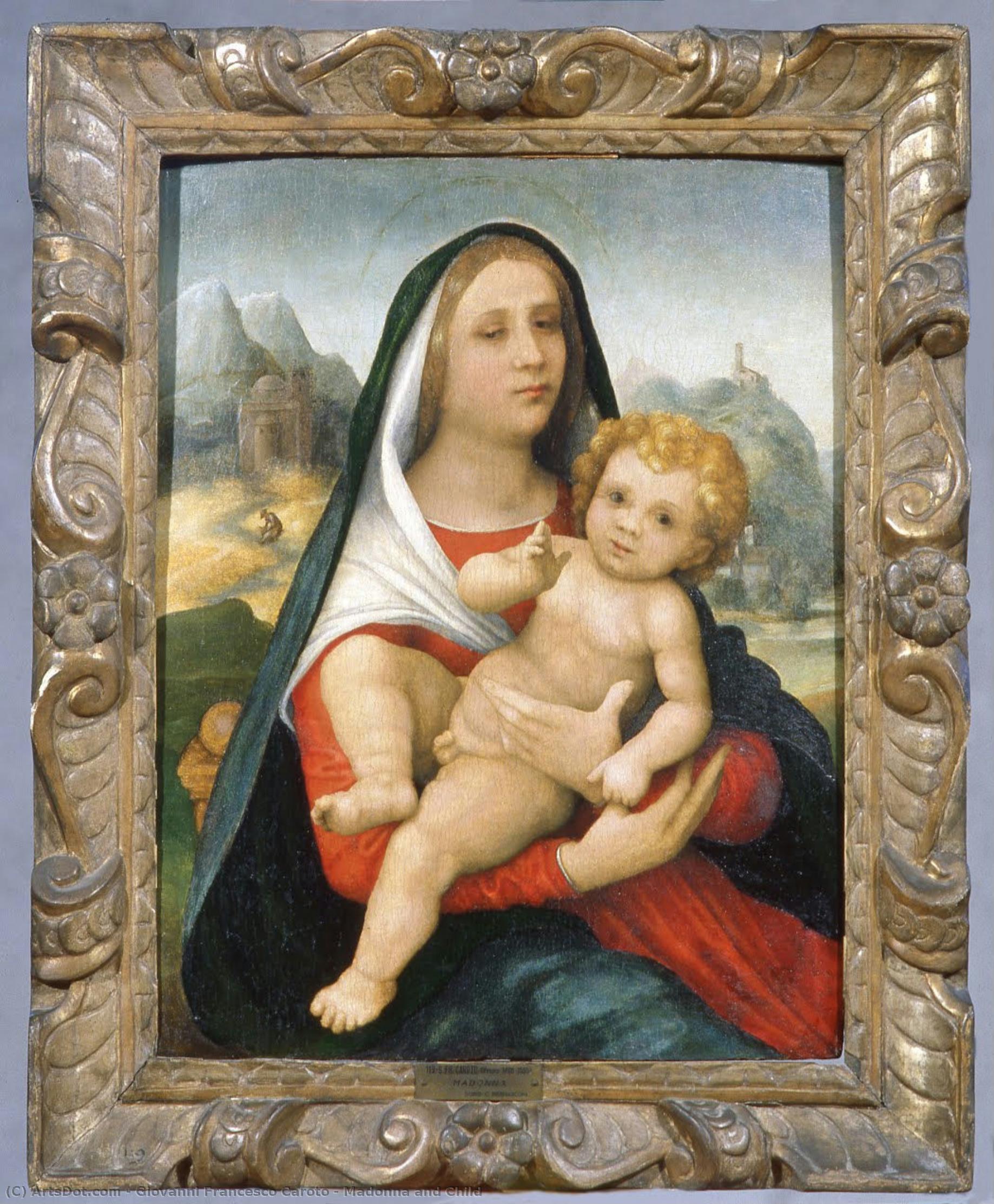
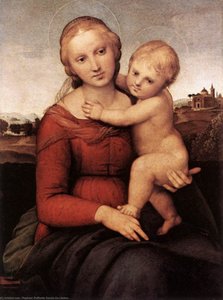
Madonna and Child


 Read More
Giclée / Art Print
Museum-quality giclée or canvas print with fast production and flexible finish options. ( Buy Hand Made Painting Buy Image)




P118B $10

P118H $10

P118W $10

P438Z $10

P508JH $12

P508YH $12

P805H $10

P805Z $10

P919BZ $10

P919G $10

P919XJ $10

P959ZH $10

P968JZ $12

W106C $8

W218G $10

W218JH $8

W218Y $10

W307PJ $10

W316G $10

W316PJ $8

W316Y $10

W398PJ $8

W4111J $10

W500HY $15

W500JH $15

W692G $12

W849H $8

W940BG $15

W953PJ $8




Pick from our preset sizes that match the artwork's original proportions.

You may enter your own dimensions to fit a specific frame or space. If your selected size does not match the original image's proportions, we will either crop the artwork or extend the image with a mirrored or solid-fill edge. A digital mockup will be sent for your approval before production begins.
Please note that the on-screen preview does not reflect the actual cropping or extension. Only the mockup will accurately show the final composition.
While custom sizes are available, we recommend selecting a dimension from the predefined list to preserve the original proportions.
Worldwide Delivery () in 2 weeks instead of standard 4/5 weeks. (26 August)

Free Worldwide Express Shipping

High-Quality Linen Canvas

Full Shipping Insurance

Customs Tax Refund Guarantee

True Color Matching Guarantee

60-Day Return Policy (Defects Only)

100% Money-Back Guarantee

Bulk Discount Offer
 Glass option is only available in size under 110 CM

Madonna and Child
Giclée / Art Print
Reproduction Size
-


Total Price
$ 63
Collectible Description
A Vision of Divine Grace: The Eternal Madonna
In the quiet, luminous depths of Giovanni Francesco Caroto’s Madonna and Child, one finds more than just a religious icon; one encounters a profound meditation on the tenderness of motherhood and the weight of divinity. Painted in 1549, this masterpiece serves as a breathtaking window into the Italian Renaissance, capturing a moment of serene intimacy between the Virgin Mary and the infant Jesus. The composition is masterfully anchored by a pyramidal structure, a hallmark of classical stability that draws the viewer’s eye upward from the soft folds of drapery to the gentle, luminous faces of the holy figures. As the light dances across the canvas, it reveals a world where the earthly and the divine are inextricably linked through the medium of human emotion.
The artistry of Caroto is revealed through his meticulous command of technique and color. Utilizing the traditional method of layering thin, translucent glazes of oil paint, the artist achieves a breathtaking luminosity that seems to emanates from within the figures themselves. The palette is a sophisticated harmony of warm earth tones—rich ochres, deep siennas, and resonant reds—which ground the subjects in a sense of palpable reality. These warmth-driven hues are beautifully contrasted by the cool, atmospheric blues and greens of the distant landscape. Through the use of atmospheric perspective, the mountains in the background fade into soft, muted tones, creating an illusion of infinite depth that invites the observer to linger long after the first glance.
Symbolism and the Renaissance Spirit
Every brushstroke in this work is imbued with symbolic significance, designed to evoke piety and wonder. The Virgin Mary’s expression, characterized by a serene and contemplative stillness, serves as an emblem of maternal devotion and spiritual purity. In her arms, the infant Jesus represents both innocence and the promise of divinity, his youthful features rendered with an anatomical precision that reflects the Renaissance obsession with naturalism. The flowing, organic lines of their garments do not merely clothe them; they create a sense of rhythmic grace, suggesting a celestial movement even within a static portrait. This interplay of soft textures and dramatic lighting—where strong highlights define the contours of the flesh against deep, velvety shadows—adds a sculptural volume to the figures, making them feel present and breathing.
For the discerning collector or interior designer, this painting offers an unparalleled opportunity to introduce a sense of historical grandeur and emotional depth into a space. A high-quality reproduction of this work does not merely decorate a wall; it anchors a room with a sense of timelessness and sophistication. Whether placed in a sunlit gallery or a more intimate study, the Madonna and Child brings with it the legacy of the Veronese masters, offering a focal point that inspires quiet reflection and celebrates the enduring beauty of the human spirit. It is an investment in art that transcends eras, providing a touch of Renaissance splendor to the modern home.
Related Artworks
Artist Biography
The Veronese Visionary: The Life and Legacy of Giovanni Francesco Caroto
In the vibrant tapestry of the Italian Renaissance, few threads are as intricately woven as those left by Giovanni Francesco Caroto. Born in Verona around 1480, Caroto emerged from a landscape deeply influenced by the rigorous classical traditions of Mantegna. His early years were shaped by the mentorship of Liberale da Verona, a period that instilled in him a profound respect for anatomical precision and a restrained, monumental grandeur. This foundational training provided the technical scaffolding upon which he would later build a style far more fluid, expressive, and experimental than the rigid structures of his predecessors.
As Caroto’s journey took him beyond the borders of Verona, his artistic soul underwent a transformative evolution. His time in Milan proved to be a watershed moment, placing him in the presence of the era's most formidable intellects and creators. The subtle shadows and atmospheric depth of Leonardo da Vinci, combined with the harmonious grace of Raphael, acted as catalysts for change. Through these encounters, Caroto began to move away from the static perfection of the early Renaissance, embracing instead the burgeoning complexities of Mannerism. This transition was marked by a newfound interest in compositional tension, elongated forms, and a more emotive use of light and color that would define his mature period.
Mastery of Form and the Mannerist Shift
The brilliance of Caroto’s oeuvre lies in his ability to balance the naturalism of his training with the stylized elegance of the Mannerist movement. His works often serve as a bridge between two eras, capturing the divine beauty of the High Renaissance while hinting at the dramatic distortions of the later sixteenth century. In masterpieces such as Madonna and Child, one can observe a breathtaking synthesis of rich, Venetian color palettes and a profound sense of spiritual intimacy. He possessed a unique talent for rendering the human figure with both physical weight and an ethereal, almost otherworldly, grace.
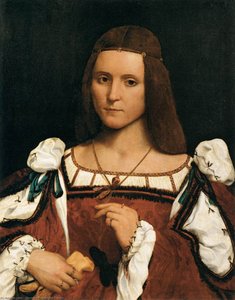
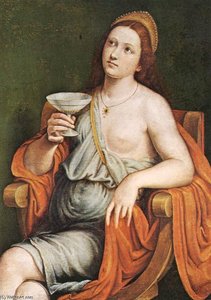
Caroto’s technical prowess extended into the realm of portraiture, where he captured the psychological depth of his subjects with remarkable sensitivity. His Portrait of a Woman stands as a testament to his ability to use texture, light, and subtle facial expressions to convey character and status. This mastery of detail was not merely decorative; it was an exploration of humanist ideals, seeking to find the eternal within the individual. Whether depicting sacred figures or contemporary nobility, Caroto infused his canvases with a sense of movement and life that resonated far beyond the frame.
A Lasting Influence on the Venetian School
Beyond his individual achievements, Caroto’s historical significance is cemented by his role as a vital conduit for artistic innovation. He was not merely a practitioner of art but a custodian of its future. Alongside Antonio Badile, Caroto played a crucial role in nurturing the next generation of masters. Most notably, he served as a teacher to Paolo Veronese, one of the most celebrated painters of the Venetian school. By passing on his refined techniques and his experimental spirit, Caroto ensured that the stylistic advancements he helped pioneer would flourish in the works of the great Mannerist successors.
The legacy of Giovanni Francesco Caroto is found in the enduring vitality of the Venetian Renaissance. His life’s work represents a period of intense intellectual and aesthetic ferment, where the boundaries of tradition were tested and expanded. Through his ability to absorb the influences of giants like Da Vinci and Raphael while forging his own path, he helped shape the visual language of an entire epoch. Today, as we gaze upon his surviving works in museums across the globe, we witness the enduring power of a master who dared to embrace change, leaving behind a trail of beauty that continues to inspire awe.
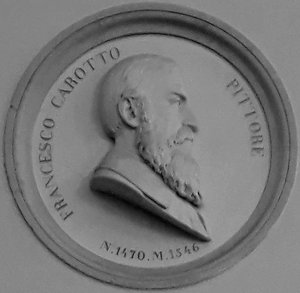
Giovanni Francesco Caroto
1480 - 1555 , Italy
Quick Facts
- Artistic Movement Or Style: Renaissance; Mannerism
- Artists Or Movements Influenced By This Artist: ['Paolo veronese']
- Artists Who Influenced This Artist:
- Liberale da Verona
- Andrea Mantegna
- Francesco Bonsignori
- Leonardo da vinci
- raphael
- giulio romano
- Date Of Birth: Verona, Italy (1480)
- Date Of Death: 1555
- Full Name: Giovanni Francesco Caroto
- Nationality: Italian
- Notable Artworks:
- Madonna and Child
- St jerome
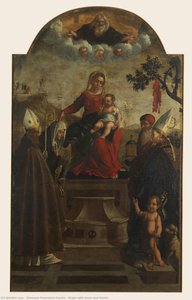
- Virgin with Jesus and Saints
- Place Of Birth: Verona
Related Articles

The Enduring Legacy of Oil on Canvas: Technique, History & Aesthetic Impact
Explore the rich history & techniques of oil painting – from Renaissance masters to Impressionism. Discover pigments, layering methods, and why this timeless medium endures. Expert insights for artists & art enthusiasts.
Raphael's Masterpieces: 25 Iconic Paintings & Renaissance Art for Your Home
Explore 25 breathtaking Raphael paintings! Journey through the Italian Renaissance with masterpieces like 'School of Athens' & iconic Madonnas. Find museum-quality art reproductions and elevate your home decor on ArtsDot.com.

Oil on Canvas: A Historical & Technical Exploration of a Timeless Artistic Medium
Explore the rich history & enduring techniques of oil painting on canvas. Discover the science behind its longevity, conservation practices, and contemporary relevance. Expert insights for art enthusiasts.

The Enduring Power of Painting: A Historical & Contemporary Exploration of Form and Emotion
Explore the rich history & enduring techniques of oil painting with ArtsDot. Discover masterpieces, learn about art collecting, and find authentic handmade reproductions crafted by skilled artists.

The Enduring Legacy of Oil on Canvas: Technique, History & Contemporary Practice
Explore the rich history & enduring techniques of oil painting on canvas. Discover the science behind its longevity, conservation practices, and contemporary relevance. Expert insights for art enthusiasts.