

 Preview
 Send
Send Share
Share
 Details

 Download
 Similars
 X-Ray
X-Ray Diaporama
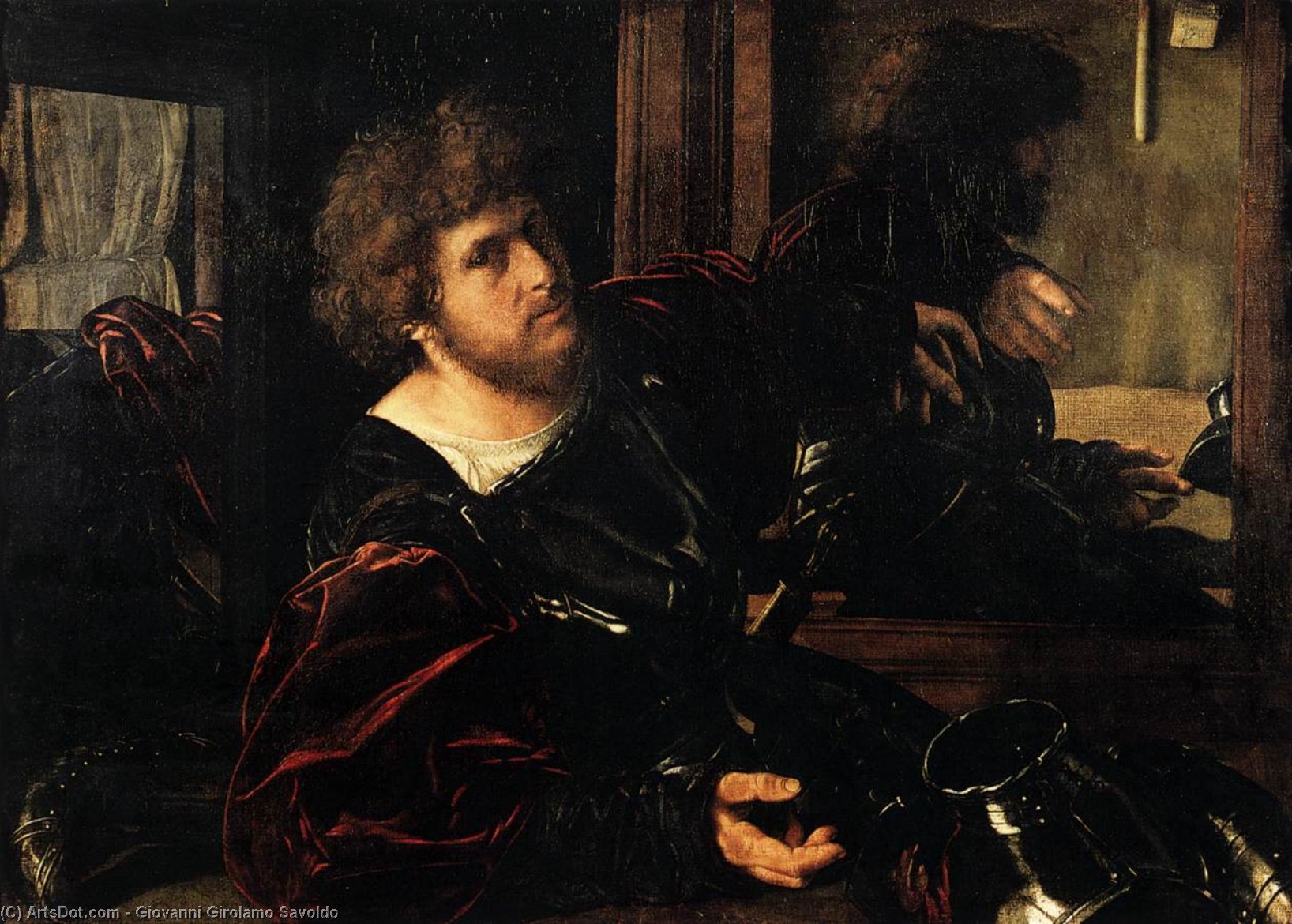
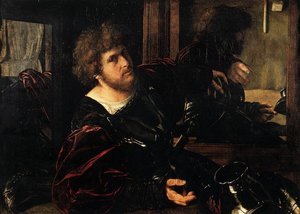
Portrait of a Man in Armour (known as Gaston de Foix}
 Oil On Canvas
- WallArt
- Impressionism
 1529
1529- Renaissance
 91.0 x 123.0 cm
 The Louvre
 Read More
Purchase a high-resolution, enhanced digital image, far superior to the online preview.
Each file is meticulously prepared by our in-house specialists using advanced tools and expert manual retouching. We ensure every image has exceptional clarity, precise color accuracy, and fine detail.
The final file is delivered via email within 72 hours, optimized for immediate use in professional, editorial, and print environments. This is the same quality trusted by top-tier design studios, publishers, and galleries.
Digital Image
Download a high-resolution file for personal display, printing, and creative projects. ( Buy Print Buy Hand Made Painting)
Included in Every Digital Image Order
Expert Digital Delivery, Guaranteed
When you choose ArtsDot.com, you're not just getting an image - you're receiving a professionally enhanced digital artwork, crafted with precision and backed by a satisfaction guarantee. Here's everything that comes with your order, automatically:

Fast Email Delivery
Your high-resolution digital image file will be emailed to you within 72 hours of ordering - ready for immediate use.

AI-Enhanced Digital File
Your artwork is professionally optimized using advanced AI tools and manual editing, ensuring maximum detail, clarity, and color accuracy.

Free Lifetime Re-Delivery
Accidentally deleted or lost your file? No worries - we'll resend it to you anytime, free of charge.

No Import Fees - Ever
Enjoy your artwork instantly with zero customs, duties, or delivery fees - digital downloads are always tax-free.

Color Accuracy Guarantee
We ensure your digital image reflects the original colors as closely as possible using professional tools and color management.

60-Day Satisfaction Guarantee
If you're not satisfied with your digital image, we'll revise it or refund 100% within 60 days - no questions asked.

100% Money-Back Guarantee
Not satisfied? Get a full refund within 60 days of receiving your digital file - no questions asked.

Bulk Order Discounts
Buy 3 images, save 10% - Buy 5, save 15% - Buy 10+, save 20%. Great for creative projects, galleries, and agencies.
Giovanni Girolamo Savoldo: A Master of Subtle Light and Lombard Modeling
Savoldo’s artistic legacy rests on approximately forty paintings—primarily religious subjects imbued with remarkable realism and psychological depth—that stand apart from his contemporaries due to their distinctive stylistic blend. Despite the scarcity of biographical details—scholars debate his precise birthplace and early training—his output constitutes a cornerstone of Venetian Renaissance art, recognized for its masterful manipulation of light and shadow and its meticulous attention to Lombard modeling techniques. This approach distinguishes Savoldo’s oeuvre from more flamboyant styles prevalent during the period, prioritizing quiet lyricism and nuanced observation over ostentation.- Subject Matter: Savoldo's paintings predominantly depict biblical narratives—particularly scenes of martyrdom and saints—often imbued with profound spiritual contemplation. However, he also produced portraits that captured the likenesses of prominent figures of his time, demonstrating a versatility uncommon among Venetian artists.
- Style: Savoldo’s style is characterized by its understated elegance and restraint, reflecting the influence of Flemish painting while maintaining the core traditions of Lombard art. He eschewed dramatic gestures or flamboyant colors, favoring instead subtle chiaroscuro—the interplay between light and dark—to sculpt forms with remarkable precision.
- Technique: Savoldo employed oil paint on canvas—a technique favored by Venetian artists—but he distinguished himself through his meticulous layering of glazes to achieve luminous surfaces and create a palpable sense of depth. This painstaking process ensured that every detail was rendered with exceptional accuracy, capturing the textures and nuances of drapery, skin, and stone.
- Historical Context: Savoldo’s work flourished during the Venetian Renaissance—a period marked by artistic innovation and intellectual ferment—and coincided with the rise of humanist ideals. His paintings reflect the prevailing fascination with classical antiquity and the desire to portray human figures with dignity and compassion.
- Symbolism: Savoldo's compositions are laden with symbolic meaning, reflecting Christian theology and moral philosophy. Recurring motifs—such as halos, crosses, and depictions of saints—served to convey spiritual virtues and reinforce religious beliefs. Furthermore, his use of landscape backgrounds—often rendered in muted tones—created a contemplative atmosphere that enhanced the emotional impact of his paintings.
Further Exploration
For more information about Giovanni Girolamo Savoldo and his artistic achievements, visit Giovanni Girolamo Savoldo’s artist database on WGA.hu: Portrait of a Man in Armour (known as Gaston de Foix) by SAVOLDO. Explore his biographical details, stylistic influences, and the broader context of Venetian Renaissance art.Related Artworks

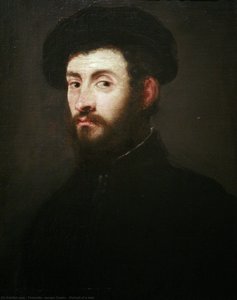
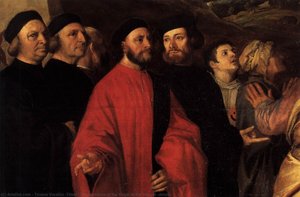
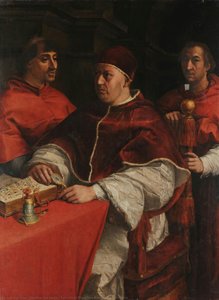
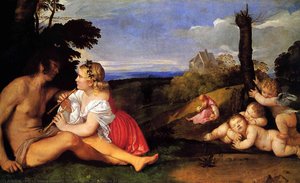
Artist Biography
The Luminous Legacy of Giovanni Girolamo Savoldo
In the golden age of the Italian Renaissance, few painters possessed the ability to capture the ephemeral dance of light as masterfully as Giovanni Girolamo Savoldo. A figure of profound technical skill and quiet emotional depth, Savoldo emerged from the Lombard traditions to become a vital voice within the Venetian school. While much of his early life remains shrouded in the mists of history, his artistic presence is undeniably felt through a body of work that breathes with a unique, atmospheric vitality. Born in Brescia around 1480, he carried with him the meticulous modeling and restrained palettes characteristic of his Lombard roots, yet his spirit was irrevocably transformed by the vibrant, coloristic innovations of Venice.
The evolution of Savoldo’s style is a journey through the shifting landscapes of 16th-century Italy. His early training, likely influenced by the monumental precision of Andrea Mantegna and the grace of Francesco Mazzola, provided him with a foundation of structural integrity. As he moved through Parma and eventually settled in Venice around 1515, his work began to exhibit a breathtaking synthesis of styles. He possessed a rare talent for blending the Northern European preoccupation with realistic detail and texture with the sweeping, lyrical light of the Venetian masters. This fusion allowed him to create scenes that were not merely depictions of religious or secular subjects, but immersive environments where shadow and illumination tell a story of their own.
Mastery of Light and Lombard Modeling
To gaze upon a Savoldo masterpiece is to witness the profound use of chiaroscuro. He did not merely use light to illuminate his subjects; he used it to sculpt them. His technique, often referred to as Lombard modeling, allowed him to imbue figures with a tangible, three-dimensional presence through subtle gradations of tone. In works such as "St Matthew and the Angel", one can sense the spiritual weight of the moment, conveyed through a luminous glow that seems to emanate from within the divine revelation itself. This ability to manipulate light created a sense of quiet lyricism, a hallmark of his mature period.
His versatility extended far beyond the sacred realm, reaching into the intimate world of portraiture and the pastoral charm of genre scenes. His portraits, such as the "Portrait of Bernardo di Salla" or the enigmatic "Portrait of a Man in Armour (known as Gaston de Foix)," demonstrate an uncanny ability to capture the psychological essence and dignity of his sitters. In these works, the play of light on metal, fabric, and skin showcases his technical virtuosity, while the soft, atmospheric backgrounds invite the viewer into a contemplative space. Even in more rustic subjects like "Shepherd with a Flute," Savoldo infuses the scene with a serene realism that elevates the humble subject to a level of poetic beauty.
Historical Significance and Artistic Enduring Spirit
Though his known output is relatively small—comprising approximately forty paintings—the impact of Giovanni Girolamo Savoldo on the trajectory of Renaissance art is significant. He acted as a bridge between the rigorous, sculptural traditions of the Lombardy region and the emotive, color-driven brilliance of Venice. His work serves as a testament to the era's capacity for profound innovation through the blending of diverse regional influences.
The rediscovery of his genius in the 19th century brought a renewed appreciation for his unique contribution to the High Renaissance. Today, art historians and enthusiasts alike continue to find solace and wonder in his ability to capture the fleeting moments of human experience. His legacy remains etched in the soft shadows and radiant highlights of his canvases, reminding us that true mastery lies in the ability to make the intangible—light, spirit, and emotion—visible to the eye.
giovanni gerolamo savoldo
1480 - 1548 , Italy
Quick Facts
- Artistic Movement Or Style: High Renaissance
- Artists Or Movements Influenced By This Artist: ['Hieronymus Bosch']
- Artists Who Influenced This Artist: ['Giorgione']
- Date Of Birth: c. 1480
- Date Of Death: after 1548
- Full Name: Giovanni Girolamo Savoldo
- Nationality: Italian
- Notable Artworks:
- Saint Matthew and the Angel
- The Madonna and Saints
- Mary Magdalene
- Place Of Birth: Brescia, Italy

