 Preview
 Send
Send Share
Share
 Details

 Download
 Similars
 X-Ray
X-Ray Diaporama
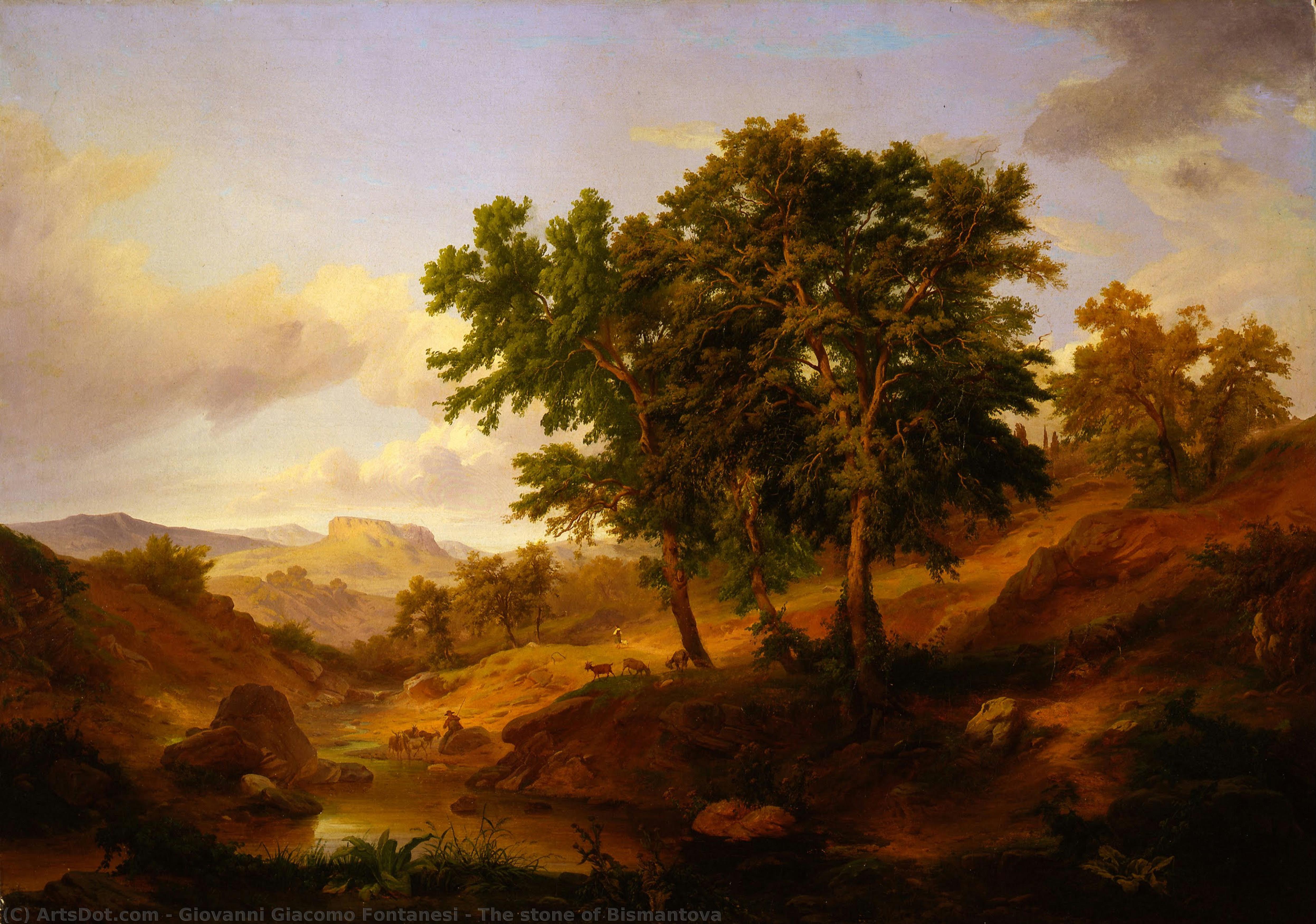
The stone of Bismantova
 Oil On Canvas
- WallArt
- Landscape Realism
 19th Century
 135.0 x 95.0 cm
 Civic Museums of Reggio Emilia
 Read More
Giclée / Art Print
Museum-quality giclée or canvas print with fast production and flexible finish options. ( Buy Hand Made Painting Buy Image)




P118B $10

P118H $10

P118W $10

P438Z $10

P508JH $12

P508YH $12

P805H $10

P805Z $10

P919BZ $10

P919G $10

P919XJ $10

P959ZH $10

P968JZ $12

W106C $8

W218G $10

W218JH $8

W218Y $10

W307PJ $10

W316G $10

W316PJ $8

W316Y $10

W398PJ $8

W4111J $10

W500HY $15

W500JH $15

W692G $12

W849H $8

W940BG $15

W953PJ $8




Pick from our preset sizes that match the artwork's original proportions.

You may enter your own dimensions to fit a specific frame or space. If your selected size does not match the original image's proportions, we will either crop the artwork or extend the image with a mirrored or solid-fill edge. A digital mockup will be sent for your approval before production begins.
Please note that the on-screen preview does not reflect the actual cropping or extension. Only the mockup will accurately show the final composition.
While custom sizes are available, we recommend selecting a dimension from the predefined list to preserve the original proportions.
Worldwide Delivery () in 2 weeks instead of standard 4/5 weeks. (2 September)

Free Worldwide Express Shipping

High-Quality Linen Canvas

Full Shipping Insurance

Customs Tax Refund Guarantee

True Color Matching Guarantee

60-Day Return Policy (Defects Only)

100% Money-Back Guarantee

Bulk Discount Offer
 Glass option is only available in size under 110 CM

The stone of Bismantova
Giclée / Art Print
Reproduction Size
-


Total Price
$ 63
A Symphony of Light and Stone
In the quiet majesty of The Stone of Bismantova, we are invited into a realm where the terrestrial and the ethereal converge. This breathtaking landscape captures a moment of profound stillness, centered around the monumental geological wonders of the Italian countryside. At the heart of the composition, a solitary tree stands as a silent sentinel in the foreground, its branches reaching toward a sky heavy with the soft, diffused light of passing clouds. Nearby, companion trees anchor the scene, creating a sense of natural companionship that mirrors the human presence scattered throughout the valley below. As the eye wanders through the verdant layers of the painting, it discovers a winding river that carves its way through the landscape, acting as a silver thread that binds the rugged mountains to the peaceful meadows.
The artistry of Giovanni Giacomo Fontanesi is masterfully displayed in the way he manipulates atmosphere and depth. Through a delicate application of technique, the artist achieves a remarkable sense of chiaroscuro, where the interplay between light and shadow breathes life into the distant mountain ranges. The brushwork is not merely descriptive but emotive; it captures the moisture in the air and the weight of the clouds, evoking a palpable sense of humidity and freshness. This mastery of tone allows the background to recede into a soft, hazy blue, providing a magnificent sense of scale that makes the viewer feel both small in the face of nature's grandeur and intimately connected to its quiet rhythms.
The Soul of the Landscape
Beyond its technical brilliance, this work serves as a profound meditation on the relationship between humanity and the natural world. The inclusion of tiny, distant figures—people engaged in their daily rhythms amidst the vastness of the Bismantova landscape—adds a layer of narrative warmth to the scene. They are not intruders upon the landscape but integral parts of its eternal cycle. This creates a poignant symbolism: the permanence of the ancient stone and the fleeting nature of human life existing in a harmonious, tranquil balance. For the collector or interior designer, this painting offers more than just visual beauty; it provides an emotional anchor for a room, bringing a sense of contemplative peace and timelessness to any curated space.
For those seeking to adorn their homes with a piece that inspires awe and tranquility, a high-quality reproduction of this masterpiece serves as a window into another era. The painting’s ability to evoke the soft light of an Italian afternoon makes it a versatile choice for sophisticated interiors, whether placed in a sunlit gallery or a cozy study. It is a work that invites long periods of gazing, rewarding the observer with new details of texture and light upon every encounter, much like the landscape itself reveals new secrets with every passing season.
Related Artworks
Artist Biography
John Everett Millais: A Pre-Raphaelite Pioneer of Light and Nature
Born in Southampton on June 8, 1829, John Everett Millais was a pivotal figure in the burgeoning art world of Victorian England. His early life, marked by a prodigious talent nurtured within a wealthy family—his father, John William Millais, was a successful gentleman from a Jersey lineage and his mother came from a prosperous saddlery family—laid the foundation for a career that would forever alter perceptions of landscape painting and the depiction of human experience. From a young age, Millais demonstrated an exceptional aptitude for drawing, earning a silver medal at the Society of Arts in 1843 at just nine years old, and later winning a coveted silver medal at the Royal Academy Schools in 1840 – a remarkable achievement considering he was admitted as their youngest student ever. This early success foreshadowed a trajectory defined by technical mastery and an unwavering commitment to capturing the beauty of the natural world.
Early Influences and Artistic Formation
Millais’s artistic development was profoundly shaped by his association with William Holman Hunt and Dante Gabriel Rossetti at the Royal Academy. These encounters proved crucial in his formation as a Pre-Raphaelite, a movement dedicated to reviving the aesthetics of the early Renaissance—specifically, the art before Raphael. The Pre-Raphaelites rejected the academic conventions prevalent at the time, prioritizing truth to nature, vibrant colors, and detailed observation. Millais’s first major exhibition piece, *Pizarro Seizing the Inca of Peru* (1846), showcased this commitment, depicting a dramatic historical scene with an almost photographic realism—a departure from the idealized representations favored by the Royal Academy.
- Holman Hunt's Influence: Millais’s friendship with Holman Hunt led to collaborative projects, including *Ophelia* (1851-52), a hauntingly beautiful depiction of Shakespeare’s tragic heroine. Hunt’s meticulous attention to detail and his exploration of moral themes deeply influenced Millais’s approach to subject matter.
- Rossetti's Vision: Dante Gabriel Rossetti, known for his evocative poetry and symbolic imagery, encouraged Millais to explore the emotional depth of his paintings.
The Height of Pre-Raphaelite Success: *Ophelia* and Beyond
1851 marked a turning point in Millais’s career with the completion of *Ophelia*. The painting, based on Shakespeare's tragedy, became an instant sensation, captivating audiences with its exquisite detail, luminous colors, and poignant portrayal of grief. It established Millais as one of the leading figures of the Pre-Raphaelite Brotherhood and cemented his reputation for capturing the delicate beauty of nature and human emotion. Following *Ophelia*, he continued to produce a series of iconic works, including *Christ in the House of His Parents ('The Carpenter's Shop')* (1849-50), a controversial piece initially met with unfavorable reception due to its unflinching realism and depiction of domestic life. Despite this initial criticism, it demonstrated Millais’s willingness to challenge conventional artistic norms.
- Technique: Millais was renowned for his meticulous outdoor painting technique, often working directly from nature for extended periods. He employed a rapid brushstroke to capture the fleeting effects of light and atmosphere.
- Symbolism: His paintings were rich in symbolism, drawing on literary sources, mythology, and religious themes.
Marriage, Perth, and Later Works
In 1855, Millais married Effie Chalmers, the former wife of Ruskin, a relationship that brought him into close contact with the influential art critic and philosopher. The couple settled in Perth, where he painted *Autumn Leaves* (1855-6), capturing the vibrant colors and textures of the Scottish landscape. His later career saw a shift towards portraiture, reflecting his growing recognition as a respected artist. He produced numerous portraits of prominent figures, including Thomas Carlyle, Lillie Langtry, Gladstone, Disraeli, and Tennyson, demonstrating his ability to capture both physical likeness and inner character.
- Portraiture: Millais’s portraiture was characterized by its elegance, sensitivity, and psychological insight.
- Later Recognition: He achieved considerable popularity as a painter of children, creating charming depictions such as *Bubbles* (1886), which became an iconic advertisement for Pears soap.
Legacy and Historical Significance
John Everett Millais died in London on August 13, 1896, at the age of 67. His legacy as a Pre-Raphaelite painter is secure, and his works continue to be celebrated for their beauty, technical skill, and emotional resonance. He played a crucial role in shaping the course of Victorian art, influencing generations of artists with his dedication to truth to nature, his innovative techniques, and his profound understanding of human experience. His paintings remain powerful testaments to the enduring appeal of light, color, and the timeless themes explored within the Pre-Raphaelite movement. He was made an Associate of the Royal Academy in 1853, and a full member in 1863. In 1885 he was created a baronet and in 1896 was elected President of the Royal Academy, but died shortly thereafter in London. He is buried in St Paul's Cathedral.
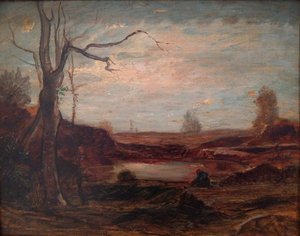
giovanni giacomo fontanesi
1829 - 1892 , Italy
Quick Facts
- Artistic Movement Or Style: Pre-Raphaelite
- Artists Or Movements Influenced By This Artist: ["Millais' work influenced later Pre-Raphaelites."]
- Artists Who Influenced This Artist:
- Holman Hunt
- Rossetti
- Date Of Birth: 8 June 1829
- Date Of Death: 13 August 1896
- Full Name: Sir John Everett Millais, Bt
- Nationality: British
- Notable Artworks:
- Ophelia
- The Carpenter's Shop
- Autumn Leaves
- Bubbles
- Stella
- Place Of Birth: Southampton, England
Related Articles

John Constable's Masterpieces: Explore 25 Iconic Landscapes for Your Home
Journey through John Constable's 25 most celebrated landscapes. Explore Romanticism, Dedham Vale & his masterful use of light in iconic paintings like 'Hay Wain'. Find museum-quality art reproductions and elevate your home decor on ArtsDot.com.

Romantic Landscapes: 10 Masterpieces for Your Home | ArtsDot
Journey through 10 Romantic landscape masterpieces by Friedrich, Turner & Cole. Explore emotional art, sublime nature scenes & iconic 19th-century paintings. Find museum-quality reproductions for your home at ArtsDot.com – discover the full collection online!

Evocations of Place: A Historical Journey Through Landscape Art
Explore the rich history of landscape art with ArtsDot. Discover renowned artists, movements like Impressionism & Romanticism, and expert guidance for collecting timeless pieces. Find your perfect serene escape today!

Evoking Tranquility: A Comprehensive Exploration of Serene Landscapes in Art History
Explore the history of serene landscapes in art! Discover renowned artists like Monet & Munch, movements from Impressionism to Tonalism, and find the perfect piece to bring tranquility to your home. Expert insights at ArtsDot.
Serene Visions: Exploring Themes of Tranquility in Art History & Contemporary Practice
Explore the history of serene landscape art & discover artists who evoke tranquility. Find the perfect calming artwork for your home with expert guidance from ArtsDot.