 Preview
 Send
Send Share
Share
 Details

 Download
 Similars
 X-Ray
X-Ray Diaporama
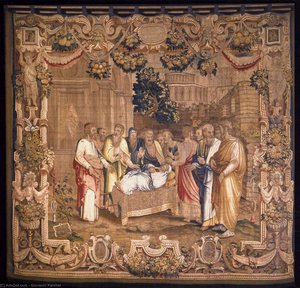
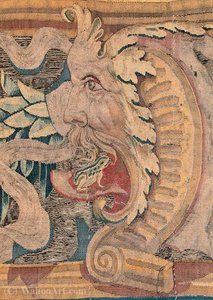
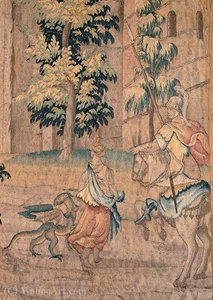
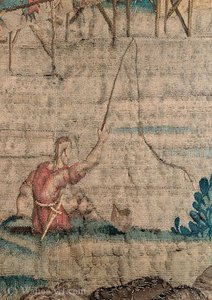
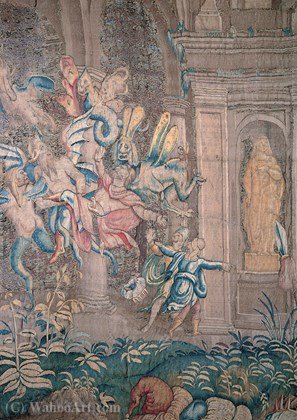
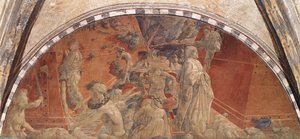
Beheading of st maurilius - (1553)

 Read More
Hand Made Oil Reproduction
Hand-painted oil on canvas in your size and frame, made to order by our artists. ( Buy Print Buy Image)




































Pick from our preset sizes that match the artwork's original proportions.

You may enter your own dimensions to fit a specific frame or space. If your selected size does not match the original image's proportions, we will either crop the artwork or extend the painting with additional hand-painted elements. A digital mockup will be sent for your approval before production begins.
Please note that the on-screen preview does not reflect the actual cropping or extension. Only the mockup will accurately show the final composition.
While custom sizes are available, we recommend selecting a dimension from the predefined list to preserve the original proportions.
After order, ArtsDot.com team will email client for instructions and provide a mockup preview
Worldwide Delivery () in 3/4 weeks instead of standard 5 weeks. (24 August). No compromise on quality.

Free Worldwide Express Shipping

High-Quality Linen Canvas

Full Shipping Insurance

Customs Tax Refund Guarantee

True Color Matching Guarantee

60-Day Return Policy (Defects Only)

100% Money-Back Guarantee

Bulk Discount Offer
 Glass option is only available in size under 110 CM

Beheading of st maurilius - (1553)
Reproduction Medium
Reproduction Size
-


Total Price
$ 388
Related Artworks

Artist Biography
Giovanni Karcher: A Renaissance Master of Religious Drama
Giovanni Karcher, a name perhaps less familiar than those of his contemporaries in the High Renaissance, nevertheless stands as a significant figure within the artistic landscape of 16th-century Italy. Born around 1527 in Milan and tragically dying in 1562, Karcher’s career was remarkably brief but intensely productive, marked by a distinctive style that combined meticulous detail with dramatic intensity – particularly evident in his powerful depictions of religious scenes like the “Dormition of the Virgin.” His legacy rests largely on his masterful execution of altarpieces and panel paintings, showcasing an impressive command of color, composition, and a profound understanding of human emotion.
Karcher’s early life remains shrouded in some uncertainty. While he was born into a noble family tracing its roots back to the time of Charlemagne – a lineage meticulously documented by Paolo Morigi in his treatise *La nobilità di Milano* – details about his formative years are scarce. What is known is that he apprenticed under his father, Biagio Arcimboldo, a renowned designer and artist already established in Milan’s artistic circles. This apprenticeship provided Karcher with a solid foundation in the techniques of oil painting, fresco work, and the intricate art of tapestry design – skills he would later expertly integrate into his own distinctive style.
Karcher's artistic development was profoundly influenced by the prevailing trends of the Northern Renaissance, particularly the works of Jan van Eyck and Rogier van der Weyden. However, unlike many of his contemporaries who embraced a purely realistic approach, Karcher infused his paintings with a heightened sense of drama and theatricality. He frequently employed dynamic compositions, exaggerated gestures, and vibrant color palettes to convey powerful emotional narratives. His use of light and shadow was particularly striking, creating a palpable atmosphere of reverence and solemnity within his religious scenes.
The Dramatic Power of Religious Scenes
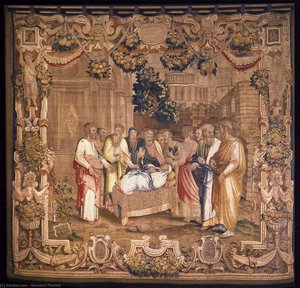
Karcher’s most celebrated works are undoubtedly his depictions of biblical and religious subjects. The “Dormition of the Virgin,” completed in 1562 shortly before his death, exemplifies this dramatic style perfectly. This monumental altarpiece, now housed in a private collection, depicts the Virgin Mary peacefully falling into her son John’s arms after her passing. Karcher masterfully captures the moment's profound sorrow and spiritual transcendence through carefully rendered figures, evocative drapery, and a meticulously detailed background landscape. The composition is deliberately unbalanced, drawing the viewer’s eye to the central scene of mourning while simultaneously conveying a sense of overwhelming grandeur.
Beyond the “Dormition,” Karcher produced numerous other significant works, including depictions of St. George slaying the dragon (a particularly dramatic and visually arresting piece), scenes from the life of Christ, and various saints’ lives. His approach to these subjects was consistently characterized by a willingness to push the boundaries of traditional religious iconography, often incorporating elements of allegory and symbolism into his compositions. He frequently employed rich, jewel-toned colors – deep blues, vibrant reds, and shimmering golds – to create a sense of opulence and spiritual significance.
Technique and Influences
Karcher’s technical skill was exceptional, reflecting years of dedicated training and a keen eye for detail. He demonstrated a remarkable mastery of oil painting techniques, utilizing layering and glazing to achieve luminous colors and subtle gradations of tone. His understanding of perspective was equally impressive, creating the illusion of depth and space within his paintings. Furthermore, Karcher’s experience with tapestry design informed his approach to composition, encouraging him to create balanced and harmonious arrangements of figures and elements.
While influenced by Northern European masters like Jan van Eyck and Rogier van der Weyden, Karcher also drew inspiration from the works of Italian Renaissance artists such as Leonardo da Vinci and Michelangelo. He absorbed their innovative techniques and compositional strategies, adapting them to his own distinctive style. Notably, he collaborated with Jan van der Meer in Ferrara, a key figure in the development of tapestry design during this period, further expanding his artistic horizons.
Legacy and Historical Significance
Despite his relatively short career, Giovanni Karcher left an enduring mark on the art world. His dramatic style, characterized by intense emotion, dynamic compositions, and masterful execution, set him apart from many of his contemporaries. While he may not be as widely recognized as some of the more celebrated figures of the High Renaissance, Karcher’s work continues to fascinate scholars and collectors alike. His paintings offer a valuable insight into the religious beliefs and artistic sensibilities of 16th-century Italy, demonstrating a profound engagement with both tradition and innovation.
Karcher's contribution is particularly noteworthy in the context of the evolving role of artists within the patronage system of the time. He operated as both a painter and a tapestry designer, catering to the demands of wealthy patrons – including the nobility and religious institutions – across Italy. His versatility and technical skill made him a highly sought-after artist, solidifying his position as a prominent figure in the vibrant artistic scene of Renaissance Milan and beyond.
giovanni karcher
1517 - 1562
Quick Facts
- Artistic Movement Or Style: Northern Renaissance
- Artists Or Movements Influenced By This Artist: ['Marc Ferrari']
- Artists Who Influenced This Artist: ['Biagio Arcimboldo']
- Date Of Birth: 1517
- Date Of Death: 1562
- Full Name: Giovanni Karcher
- Nationality: Flemish
- Notable Artworks:
- Dormition of the Virgin
- Beheading St George
- San Giovanni Fuorcivitas
- Place Of Birth: Brussels, Belgium
Related Articles

The Dramatic Flourish: Exploring the Baroque Movement's Enduring Legacy in Art History
Explore the dramatic world of Baroque art! Discover iconic artists like Caravaggio & Rubens, defining techniques, and its lasting impact on art history. Expert insights for collectors & enthusiasts at ArtsDot.
High Medieval Art: 10 Masterpieces That Shaped an Era | ArtsDot
Journey through High Medieval Art! Explore 10 iconic masterpieces – from Giotto's frescoes to stunning Gothic cathedrals. Discover the stories behind these timeless paintings, sculptures & illuminated manuscripts. Find museum-quality art reproductions at ArtsDot.com.

Baroque Masterpieces: 10 Paintings That Defined an Era |
Journey through the drama & grandeur of Baroque art! Explore 10 masterpieces by Caravaggio, Rembrandt, Rubens & more. Discover stunning oil paintings, rich colors & timeless stories. Find museum-quality reproductions at .

The Visceral Stage: Exploring Dramatic Narratives & Emotional Intensity in Baroque Art
Explore the dramatic world of Baroque art! Discover iconic masters like Caravaggio & Rembrandt, their techniques, and the movement's lasting impact. Expert insights for collectors & enthusiasts at ArtsDot.

Baroque Drama: Bringing Opulence & Emotion into Contemporary Interiors
Explore the opulent world of Baroque interior design! Discover key elements, modern applications & how to bring dramatic elegance into your home with 's authentic reproductions.