 Preview
 Send
Send Share
Share
 Details

 Download
 Similars
 X-Ray
X-Ray Diaporama
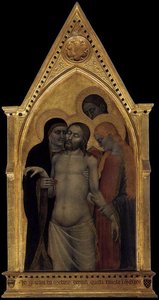
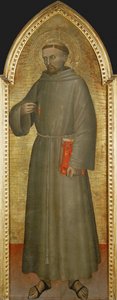
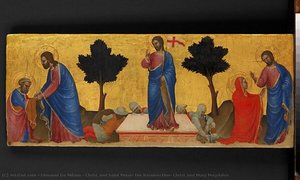
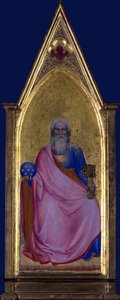
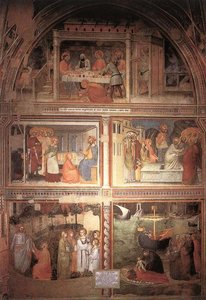
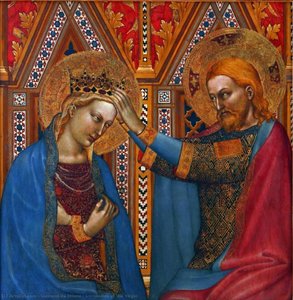
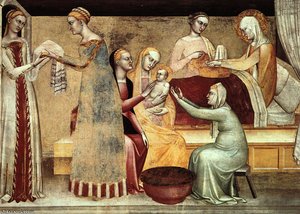
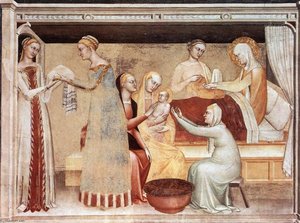
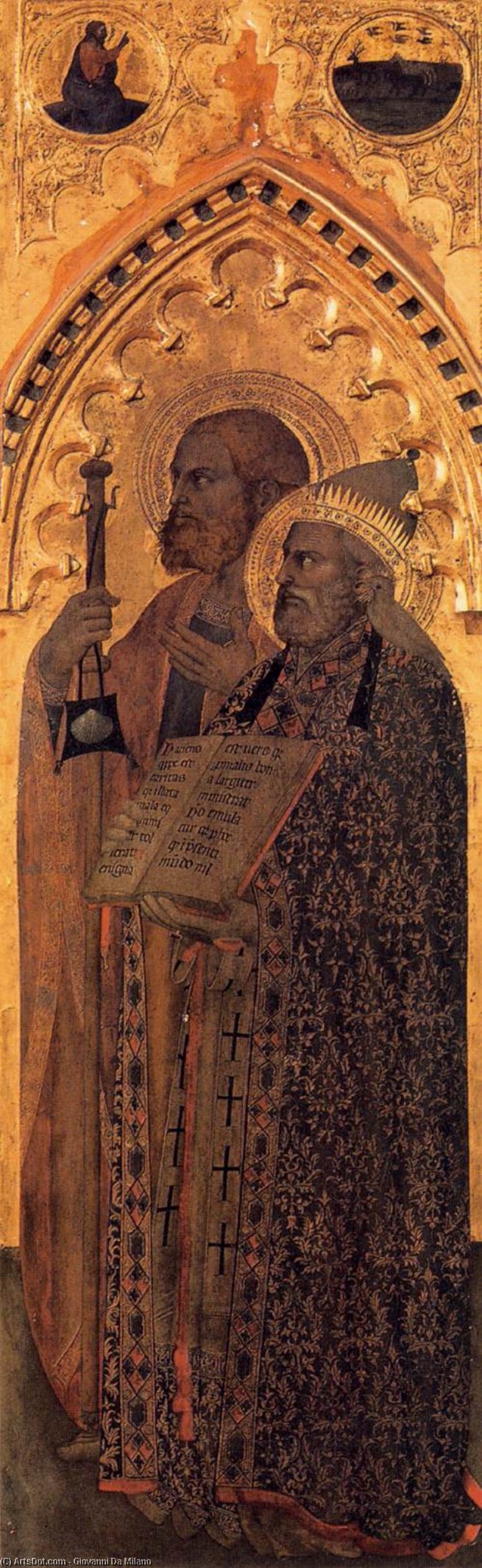
Ognissanti Polyptych: lateral panel
 Acrylic On Canvas
- WallArt
- Proto-Renaissance
 133.0 x 41.0 cm
 Galleria degli Uffizi
 Read More
Hand Made Oil Reproduction
Hand-painted oil on canvas in your size and frame, made to order by our artists. ( Buy Print Buy Image)




P118B $10

P118H $10

P118W $10

P438Z $10

P508JH $12

P508YH $12

P805H $10

P805Z $10

P919BZ $10

P919G $10

P919XJ $10

P959ZH $10

P968JZ $12

W106C $8

W218G $10

W218JH $8

W218Y $10

W307PJ $10

W316G $10

W316PJ $8

W316Y $10

W398PJ $8

W4111J $10

W500HY $15

W500JH $15

W692G $12

W849H $8

W940BG $15

W953PJ $8




Pick from our preset sizes that match the artwork's original proportions.

You may enter your own dimensions to fit a specific frame or space. If your selected size does not match the original image's proportions, we will either crop the artwork or extend the painting with additional hand-painted elements. A digital mockup will be sent for your approval before production begins.
Please note that the on-screen preview does not reflect the actual cropping or extension. Only the mockup will accurately show the final composition.
While custom sizes are available, we recommend selecting a dimension from the predefined list to preserve the original proportions.
After order, ArtsDot.com team will email client for instructions and provide a mockup preview
Worldwide Delivery () in 3/4 weeks instead of standard 5 weeks. (17 August). No compromise on quality.

Free Worldwide Express Shipping

High-Quality Linen Canvas

Full Shipping Insurance

Customs Tax Refund Guarantee

True Color Matching Guarantee

60-Day Return Policy (Defects Only)

100% Money-Back Guarantee

Bulk Discount Offer
 Glass option is only available in size under 110 CM

Ognissanti Polyptych: lateral panel
Reproduction Medium
Reproduction Size
-


Total Price
$ 263
Artwork Description
Giovanni da Milano: A Pioneer of Florentine Proto-Renaissance
Giovanni da Milano (1346 – 1369), a name whispered with reverence within the annals of early Renaissance art, stands as an emblem of artistic transformation—a crucial nexus between the opulent grandeur of Gothic tradition and the nascent embrace of naturalism that would herald the flowering of the Florentine Renaissance. Born Giovanni di Jacopo di Guido da Caversaccio in Lombardy around 1346, his artistic journey unfolded primarily within the vibrant intellectual and cultural crucible of Florence during a period defined by seismic shifts in artistic sensibilities and burgeoning humanist ideals. Though tragically curtailed by premature death at just twenty-three, Giovanni’s legacy endures as a testament to his singular contribution—a foundational step toward redefining visual representation and establishing the stylistic bedrock upon which subsequent masters would build their reputations.- Early Life & Training: Little is known definitively about Giovanni's formative years beyond documented records indicating he resided in Florence from 1346, where he was listed as Johannes Jacobi de Commo amongst foreign painters actively engaged in the artistic ferment of Tuscany. This initial Florentine presence underscores the city’s irresistible allure for artists seeking to transcend stylistic conventions and explore new avenues of creative expression.
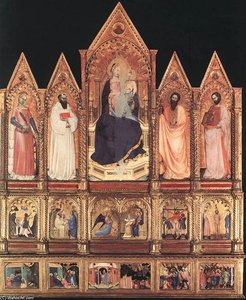
- The Ognissanti Polyptych: Giovanni's most celebrated achievement—the monumental Ognissanti Polyptych—commissioned by the Humiliati order in Florence, exemplifies his mastery of Gothic techniques infused with proto-Renaissance sensibilities. Completed circa 1360, this ambitious altarpiece showcases a masterful blend of Byzantine influence and Florentine innovation, reflecting the broader artistic currents shaping the era.
- Stylistic Characteristics: Giovanni’s distinctive style is characterized by an exceptional sensitivity to color—particularly iridescent hues—and meticulous attention to detail. His figures possess remarkable anatomical accuracy, achieved through painstaking observation and rendering techniques reminiscent of Giotto di Bondone, marking a decisive departure from stylized depictions prevalent in preceding generations.
- Symbolism & Narrative: The polyptych’s iconography draws heavily upon biblical narratives, conveying profound theological themes—primarily the Coronation of the Virgin—through carefully orchestrated compositions and symbolic gestures. Giovanni skillfully employs drapery folds and facial expressions to imbue his figures with emotional depth, capturing the spiritual fervor characteristic of medieval piety.
- Legacy & Rediscovery: Despite a tragically brief artistic career, Giovanni da Milano’s influence extended far beyond his immediate output. Giorgio Vassari's account in 1568 cemented his reputation as a pivotal figure in Florentine art history—a testament to the enduring power of observation and artistic innovation. The Uffizi Gallery acquired the polyptych in 1863, ensuring its preservation for posterity and cementing Giovanni’s place among the titans of Proto-Renaissance painting.
The Ognissanti Polyptych: A Masterpiece of Florentine Gothic Revival
The Ognissanti Polyptych—a cornerstone of Florentine art history—represents a remarkable synthesis of Byzantine artistic traditions and emerging naturalistic tendencies. Measuring approximately four metres tall and three metres wide, this monumental altarpiece commissioned by the Humiliati order embodies the spiritual aspirations of Florence during its formative years as a Renaissance centre. Its six panels depict scenes from Genesis, meticulously rendered with vibrant colours and imbued with profound symbolic significance—a testament to Giovanni’s unwavering commitment to conveying theological truths through visual eloquence. The meticulous drapery folds and expressive facial features achieved by Giovanni da Milano are particularly noteworthy, demonstrating his mastery of technique and foreshadowing the stylistic breakthroughs that would characterize the Renaissance movement.Technique & Materials: A Fusion of Tradition
Giovanni da Milano’s artistic prowess is evident in his masterful manipulation of pigments—primarily iridescent hues—and painstaking application of paint onto gesso panels. His meticulous observation of human anatomy—inspired by Giotto di Bondone—is reflected in the remarkably realistic depiction of figures, achieved through a technique characterized by densely packed lines that capture subtle nuances of form and texture. The use of gold leaf—particularly prominent in the central panel—further enhances the polyptych’s visual splendor and underscores its status as a devotional masterpiece.Emotional Impact & Artistic Significance
The Ognissanti Polyptych transcends mere decorative grandeur; it communicates profound spiritual emotion—capturing the fervor of medieval piety through carefully orchestrated compositions and symbolic gestures. Giovanni da Milano's ability to convey psychological depth—evident in his expressive facial expressions and nuanced portrayal of human emotions—solidifies his position as a pioneer of Renaissance artistic sensibility, marking a decisive step away from stylized representations toward an idealized vision of humanity rooted in observation and anatomical accuracy. Its enduring influence continues to inspire artists today, serving as a timeless exemplar of artistic excellence and spiritual contemplation.Related Artworks



Artist Biography
A Florentine Sojourn: The Life and Art of Giovanni da Milano
Giovanni da Milano, a name resonating softly within the annals of Proto-Renaissance art, represents a pivotal moment in Italian painting—a bridge between the graceful lyricism of the Gothic period and the burgeoning naturalism that would define the Renaissance. Born Giovanni di Jacopo di Guido da Caversaccio in Lombardy around 1346, his artistic journey unfolded primarily within the vibrant cultural landscape of Florence during a time of immense change and innovation. Though his life was tragically cut short by 1369, leaving behind a relatively small but profoundly influential body of work, Giovanni’s contribution to the evolution of Italian painting is undeniable. The earliest documented trace of his presence appears in Florentine records from October 17, 1346, where he is listed as Johannes Jacobi de Commo amongst foreign painters residing in Tuscany—a testament to the magnetic pull Florence exerted on artists seeking new opportunities and a flourishing artistic environment. This relocation suggests a deliberate pursuit of advancement, leaving behind his Lombard origins to immerse himself within the epicenter of artistic innovation.Echoes of Giotto: Style and Influences
Giovanni da Milano’s style is inextricably linked to that of Giotto di Bondone, the revolutionary artist who had already begun to dismantle the conventions of medieval painting decades prior. He wasn't merely a copyist, however; rather, he absorbed Giotto’s innovations—the emphasis on naturalistic representation, emotional expressiveness, and spatial depth—and filtered them through his own artistic sensibility. His paintings demonstrate a clear attempt to move beyond the stylized figures and flattened perspectives of Gothic art, striving instead for a greater degree of realism in depicting human forms and conveying genuine emotion through facial expressions and gestures. This pursuit is evident in the careful modeling of drapery, the subtle nuances of light and shadow, and the overall sense of weight and volume that characterizes his figures. He wasn’t working in isolation; Giovanni collaborated with other prominent artists of the time, including Giottino—Giotto's own son—and the sons of Taddeo Gaddi, further exposing him to cutting-edge artistic approaches and contributing to his stylistic development. These collaborations fostered a dynamic exchange of ideas that shaped his unique vision. While deeply indebted to Giotto, Giovanni also reveals hints of Sienese influence, particularly in his delicate use of color and refined details, suggesting a broader engagement with the diverse artistic currents circulating throughout Italy.Masterworks and Artistic Legacy
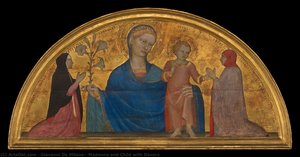
Though his career was brief, Giovanni da Milano left behind several significant works that showcase his evolving style and technical skill. The Ognissanti Polyptych, specifically its lateral panels, housed in the Galleria degli Uffizi in Florence, stands as a prime example of his mature work. The meticulous attention to detail within this religious context is striking, demonstrating his ability to imbue sacred subjects with a sense of human dignity and emotional resonance. Other notable works include the Madonna and Child with Donors, a stunning Early Renaissance masterpiece that exemplifies naturalism and devotional beauty in Milanese art, and the poignant St Francis of Assisi, characterized by its serene composition, earthy tones, and symbolic depth. The Coronation of the Virgin, an oil painting displaying intricate detail and symbolic beauty, further solidifies his place within the artistic landscape of the period. His frescoes in the Rinuccini Chapel of Santa Croce, Florence—particularly those depicting scenes from the lives of the Virgin Mary and Mary Magdalene—reveal a masterful command of narrative composition and expressive figuration.A Transitional Figure
Giovanni da Milano’s historical significance lies in his role as a crucial transitional figure within the Proto-Renaissance. He wasn't a revolutionary like Giotto, but he skillfully synthesized existing artistic traditions while subtly pushing boundaries towards greater naturalism and emotional depth. He helped pave the way for later Renaissance artists by demonstrating the power of observation, the importance of human emotion, and the potential of painting to convey complex narratives. His work embodies the evolving artistic landscape of 14th-century Italy—a period marked by a growing interest in classical antiquity, a renewed emphasis on humanism, and a gradual shift away from the rigid conventions of medieval art. Though his life was tragically short, Giovanni da Milano’s legacy endures as a testament to the power of artistic innovation and the enduring appeal of beauty, faith, and human expression. His paintings continue to captivate viewers with their delicate grace, emotional intensity, and profound spiritual resonance, offering a glimpse into a pivotal moment in the history of Western art.Further Exploration
- Museum San Giovanni in Siena: Houses an impressive collection including works by Giovanni da Milano alongside artists like Lorenzo Ghiberti and Domenico di Pace Beccafumi.
- The Metropolitan Museum of Art: Features the “Madonna and Child with Donors”, offering insight into his style and technique.
- Web Gallery of Art (WGA): Provides a comprehensive biography and access to digitized images of his artworks.
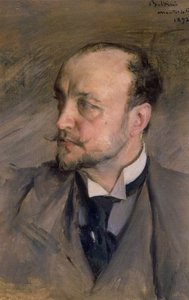
Giovanni da Milano
1346 - 1369 , Italy
Quick Facts
- Artistic Movement Or Style: Proto-Renaissance
- Artists Or Movements Influenced By This Artist: ['Renaissance artists']
- Artists Who Influenced This Artist: ['Giotto di Bondone']
- Date Of Birth: 1346
- Date Of Death: 1369
- Full Name: Giovanni da Milano
- Nationality: Italian
- Notable Artworks:
- Ognissanti Polyptych
- Madonna and Child
- St Francis of Assisi
- Coronation of Virgin
- Place Of Birth: Lombardy, Italy
Related Articles
Leonardo da Vinci's Masterpieces: Explore 25 Iconic Artworks for Your Home | ArtsDot
Journey through Leonardo da Vinci's genius with our curated selection of 25 iconic artworks. Explore the stories behind Mona Lisa, The Last Supper & more Renaissance masterpieces. Find museum-quality art reproductions for your home at ArtsDot.com.

Leonardo da Vinci: A Renaissance Master’s Synthesis of Art, Science & Human Observation – Reinterpreted for the Collector
Explore Leonardo da Vinci’s timeless masterpieces with ArtsDot. Discover insights into his art, science, and legacy – trusted expertise for discerning collectors seeking authentic reproductions & investment opportunities.
Uffizi's 25 Masterpieces: Renaissance Art & Timeless Decor Inspiration
Journey through the Uffizi Gallery's 25 most iconic Renaissance artworks! Explore Botticelli, Leonardo da Vinci & Michelangelo’s masterpieces. Find museum-quality art reproductions and curated decor ideas to bring timeless Italian beauty into your home. Discover all masterpieces on ArtsDot.com
Proto-Renaissance Masters: 10 Artworks That Changed History | ArtsDot
Journey back to the dawn of Renaissance art! Explore 10 iconic Proto-Renaissance masterpieces by Giotto, Cimabue & Duccio. Discover their stories, techniques & lasting impact. Find museum-quality reproductions for your home at ArtsDot.com

Giovanni Giacometti: Sculpting Existentialism – A Study of Form, Space, and the Human Condition
Explore the profound artistic journey of Giovanni Giacometti, father to Alberto. Discover his unique transition from Surrealism to Existentialist sculpture and painting – a compelling study for elite collectors and art enthusiasts.