 Preview
 Send
Send Share
Share
 Details

 Download
 Similars
 X-Ray
X-Ray Diaporama
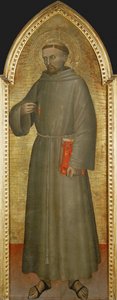
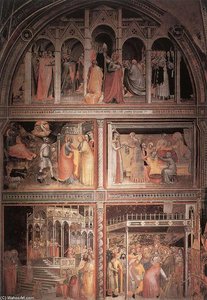
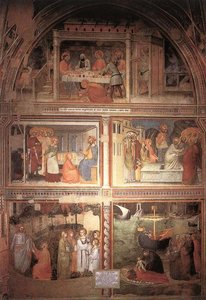
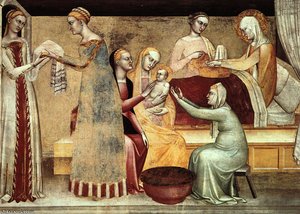
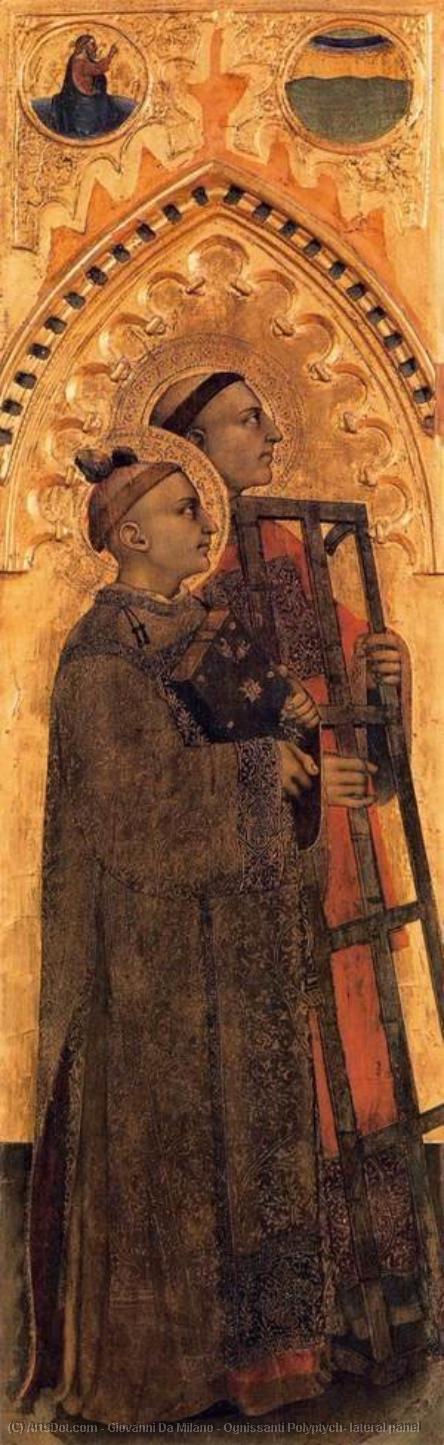
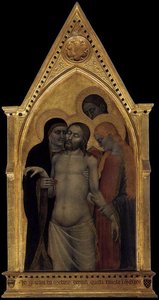
Ognissanti Polyptych: lateral panel
 Tempera On Panel
- Proto-Renaissance
 Renaissance
 133.0 x 41.0 cm
 Galleria degli Uffizi
 Read More
Hand Made Oil Reproduction
Hand-painted oil on canvas in your size and frame, made to order by our artists. ( Buy Print Buy Image)




P118B $10

P118H $10

P118W $10

P438Z $10

P508JH $12

P508YH $12

P805H $10

P805Z $10

P919BZ $10

P919G $10

P919XJ $10

P959ZH $10

P968JZ $12

W106C $8

W218G $10

W218JH $8

W218Y $10

W307PJ $10

W316G $10

W316PJ $8

W316Y $10

W398PJ $8

W4111J $10

W500HY $15

W500JH $15

W692G $12

W849H $8

W940BG $15

W953PJ $8




Pick from our preset sizes that match the artwork's original proportions.

You may enter your own dimensions to fit a specific frame or space. If your selected size does not match the original image's proportions, we will either crop the artwork or extend the painting with additional hand-painted elements. A digital mockup will be sent for your approval before production begins.
Please note that the on-screen preview does not reflect the actual cropping or extension. Only the mockup will accurately show the final composition.
While custom sizes are available, we recommend selecting a dimension from the predefined list to preserve the original proportions.
After order, ArtsDot.com team will email client for instructions and provide a mockup preview
Worldwide Delivery () in 3/4 weeks instead of standard 5 weeks. (16 August). No compromise on quality.

Free Worldwide Express Shipping

High-Quality Linen Canvas

Full Shipping Insurance

Customs Tax Refund Guarantee

True Color Matching Guarantee

60-Day Return Policy (Defects Only)

100% Money-Back Guarantee

Bulk Discount Offer
 Glass option is only available in size under 110 CM

Ognissanti Polyptych: lateral panel
Reproduction Medium
Reproduction Size
-


Total Price
$ 263
Artwork Description
Ognissanti Polyptych: Lateral Panel – A Florentine Renaissance Revelation
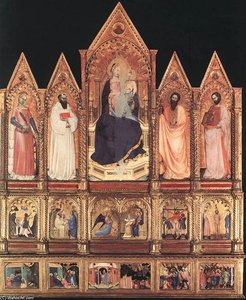
The Ognissanti Polyptych’s lateral panel stands as a testament to Giovanni da Milano's mastery during the nascent Renaissance, capturing not merely visual beauty but also profound theological contemplation. Created around 1360 for the altar of Florence’s Basilica di Santa Maria degli Angeli e dei Martiri—a church dedicated to Mary and all Saints—this artwork embodies the spirit of its time: a fervent desire to elevate faith through artistic representation. Measuring 133 x 41 cm, it currently resides within the Galleria degli Uffizi, offering visitors an unparalleled opportunity to experience firsthand the legacy of this pivotal Florentine painter.A Symphony of Color and Technique – Tempera on Wood
Giovanni da Milano’s technique—tempera on wood—was a cornerstone of Renaissance painting, prioritizing luminosity and durability. Unlike oil paint, tempera utilizes pigments bound with egg yolk, resulting in exceptionally vibrant hues that retain their brilliance across centuries. The artist meticulously applied thin layers of pigment to the wooden panel, achieving remarkable detail and textural nuance. Observe the delicate brushstrokes capturing the folds of Saint John the Baptist’s robe and the serene gaze of Saint Peter—evidence of a profound understanding of anatomy and perspective. The subtle gradations of color contribute to an ethereal atmosphere, mirroring the spiritual solemnity intended by its creators.Symbolism Rooted in Biblical Narrative
The panel depicts two saints – Saint John the Baptist and Saint Peter – positioned within a richly ornamented architectural setting that reflects the theological significance of the Basilica itself. Each saint is adorned with attributes emblematic of their respective roles: Saint John’s robe bears floral motifs symbolizing purity and divine grace, while Saint Peter holds a papal cross—a symbol of authority and spiritual leadership. Above them are medallions depicting scenes from Genesis – specifically, God creating Adam and Eve – underscoring the biblical narrative at the heart of Christian faith. These images served as visual reminders of God’s benevolent providence and humanity's fall from grace, central themes explored by Giovanni da Milano.Historical Context: Florence Embraces Artistic Innovation
Giovanni da Milano’s work emerged during a period of transformative artistic change in Florence—the early Renaissance. Artists like Giotto had begun to challenge Byzantine conventions, prioritizing naturalism and emotional expression over stylized grandeur. Giovanni’s polyptych exemplifies this trend, blending Gothic stylistic elements with emerging Renaissance aesthetics. The patronage of the Humiliati order – a monastic confraternity dedicated to Saint James – ensured that the artwork adhered to strict liturgical standards while simultaneously reflecting the intellectual currents of the era. Its placement above the altar underscored its role in fostering spiritual devotion within the basilica’s sacred space.A Legacy Enduring Through Time
Today, the Ognissanti Polyptych lateral panel continues to inspire awe and admiration. Its luminous colors, meticulous detail, and symbolic richness encapsulate the artistic spirit of a bygone age—a testament to Giovanni da Milano's enduring contribution to the history of art. Viewing this masterpiece allows us to connect with the profound theological convictions that shaped Renaissance Florence and appreciate the transformative power of visual storytelling.Related Artworks






Artist Biography
A Florentine Sojourn: The Life and Art of Giovanni da Milano
Giovanni da Milano, a name resonating softly within the annals of Proto-Renaissance art, represents a pivotal moment in Italian painting—a bridge between the graceful lyricism of the Gothic period and the burgeoning naturalism that would define the Renaissance. Born Giovanni di Jacopo di Guido da Caversaccio in Lombardy around 1346, his artistic journey unfolded primarily within the vibrant cultural landscape of Florence during a time of immense change and innovation. Though his life was tragically cut short by 1369, leaving behind a relatively small but profoundly influential body of work, Giovanni’s contribution to the evolution of Italian painting is undeniable. The earliest documented trace of his presence appears in Florentine records from October 17, 1346, where he is listed as Johannes Jacobi de Commo amongst foreign painters residing in Tuscany—a testament to the magnetic pull Florence exerted on artists seeking new opportunities and a flourishing artistic environment. This relocation suggests a deliberate pursuit of advancement, leaving behind his Lombard origins to immerse himself within the epicenter of artistic innovation.Echoes of Giotto: Style and Influences
Giovanni da Milano’s style is inextricably linked to that of Giotto di Bondone, the revolutionary artist who had already begun to dismantle the conventions of medieval painting decades prior. He wasn't merely a copyist, however; rather, he absorbed Giotto’s innovations—the emphasis on naturalistic representation, emotional expressiveness, and spatial depth—and filtered them through his own artistic sensibility. His paintings demonstrate a clear attempt to move beyond the stylized figures and flattened perspectives of Gothic art, striving instead for a greater degree of realism in depicting human forms and conveying genuine emotion through facial expressions and gestures. This pursuit is evident in the careful modeling of drapery, the subtle nuances of light and shadow, and the overall sense of weight and volume that characterizes his figures. He wasn’t working in isolation; Giovanni collaborated with other prominent artists of the time, including Giottino—Giotto's own son—and the sons of Taddeo Gaddi, further exposing him to cutting-edge artistic approaches and contributing to his stylistic development. These collaborations fostered a dynamic exchange of ideas that shaped his unique vision. While deeply indebted to Giotto, Giovanni also reveals hints of Sienese influence, particularly in his delicate use of color and refined details, suggesting a broader engagement with the diverse artistic currents circulating throughout Italy.Masterworks and Artistic Legacy
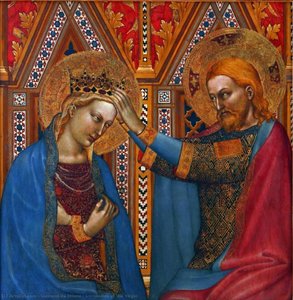
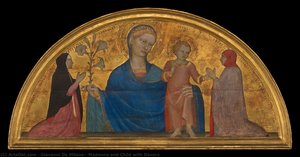
Though his career was brief, Giovanni da Milano left behind several significant works that showcase his evolving style and technical skill. The Ognissanti Polyptych, specifically its lateral panels, housed in the Galleria degli Uffizi in Florence, stands as a prime example of his mature work. The meticulous attention to detail within this religious context is striking, demonstrating his ability to imbue sacred subjects with a sense of human dignity and emotional resonance. Other notable works include the Madonna and Child with Donors, a stunning Early Renaissance masterpiece that exemplifies naturalism and devotional beauty in Milanese art, and the poignant St Francis of Assisi, characterized by its serene composition, earthy tones, and symbolic depth. The Coronation of the Virgin, an oil painting displaying intricate detail and symbolic beauty, further solidifies his place within the artistic landscape of the period. His frescoes in the Rinuccini Chapel of Santa Croce, Florence—particularly those depicting scenes from the lives of the Virgin Mary and Mary Magdalene—reveal a masterful command of narrative composition and expressive figuration.A Transitional Figure
Giovanni da Milano’s historical significance lies in his role as a crucial transitional figure within the Proto-Renaissance. He wasn't a revolutionary like Giotto, but he skillfully synthesized existing artistic traditions while subtly pushing boundaries towards greater naturalism and emotional depth. He helped pave the way for later Renaissance artists by demonstrating the power of observation, the importance of human emotion, and the potential of painting to convey complex narratives. His work embodies the evolving artistic landscape of 14th-century Italy—a period marked by a growing interest in classical antiquity, a renewed emphasis on humanism, and a gradual shift away from the rigid conventions of medieval art. Though his life was tragically short, Giovanni da Milano’s legacy endures as a testament to the power of artistic innovation and the enduring appeal of beauty, faith, and human expression. His paintings continue to captivate viewers with their delicate grace, emotional intensity, and profound spiritual resonance, offering a glimpse into a pivotal moment in the history of Western art.Further Exploration
- Museum San Giovanni in Siena: Houses an impressive collection including works by Giovanni da Milano alongside artists like Lorenzo Ghiberti and Domenico di Pace Beccafumi.
- The Metropolitan Museum of Art: Features the “Madonna and Child with Donors”, offering insight into his style and technique.
- Web Gallery of Art (WGA): Provides a comprehensive biography and access to digitized images of his artworks.

Giovanni da Milano
1346 - 1369 , Italy
Quick Facts
- Artistic Movement Or Style: Proto-Renaissance
- Artists Or Movements Influenced By This Artist: ['Renaissance artists']
- Artists Who Influenced This Artist: ['Giotto di Bondone']
- Date Of Birth: 1346
- Date Of Death: 1369
- Full Name: Giovanni da Milano
- Nationality: Italian
- Notable Artworks:
- Ognissanti Polyptych
- Madonna and Child
- St Francis of Assisi
- Coronation of Virgin
- Place Of Birth: Lombardy, Italy
Related Articles
Leonardo da Vinci's Masterpieces: Explore 25 Iconic Artworks for Your Home | ArtsDot
Journey through Leonardo da Vinci's genius with our curated selection of 25 iconic artworks. Explore the stories behind Mona Lisa, The Last Supper & more Renaissance masterpieces. Find museum-quality art reproductions for your home at ArtsDot.com.

Illuminating Surfaces: A Comprehensive Exploration of Tempera on Panel Painting Techniques & Historical Significance
Explore the rich history & techniques of tempera painting! Discover Renaissance masters like Botticelli & Fra Angelico, conservation insights, and the enduring legacy of this captivating art form. Learn more now!

Leonardo da Vinci: A Renaissance Master’s Synthesis of Art, Science & Human Observation – Reinterpreted for the Collector
Explore Leonardo da Vinci’s timeless masterpieces with ArtsDot. Discover insights into his art, science, and legacy – trusted expertise for discerning collectors seeking authentic reproductions & investment opportunities.
Tempera's Timeless Legacy: 10 Masterpieces That Revolutionized Art | ArtsDot
Journey through 10 legendary tempera on panel masterpieces by Giotto, Duccio & Botticelli. Explore the history, symbolism & enduring beauty of these iconic artworks. Find museum-quality reproductions for your home at ArtsDot.com.

Illuminating History: A Comprehensive Exploration of Tempera Painting Techniques & Artistic Legacy
Explore the rich history & techniques of tempera painting! Discover Renaissance masters like Botticelli & Fra Angelico, conservation insights, and the enduring legacy of this captivating art form.