


The Ancient Roots of Tempera: From Egyptian Tombs to Byzantine Icons
 Wikipedia: Tempera
Tempera (Italian: [ˈtɛmpera]) is a permanent, fast-drying painting medium consisting of pigments mixed with a water-soluble binder medium, usually glutinous material such as egg yolk. There are several types of tempera paint, but the one containing e...
Tempera painting, a technique as old as civilization itself, whispers stories from the very dawn of artistic expression. Long before oil paints graced canvases, artists across diverse cultures – from the sun-drenched tombs of ancient Egypt to the opulent courts of Byzantium – relied on the luminous, enduring qualities of pigment suspended in water-soluble binders. The earliest examples, discovered within the Domus de Janas chamber tombs in Sardinia dating back to 3400-2700 BCE, reveal a sophisticated understanding of color and form achieved through meticulous application of earth pigments mixed with organic materials. These weren’t merely decorative flourishes; they were integral components of ritualistic practices, imbued with symbolic meaning intended to accompany the deceased into the afterlife. Further east, in Egypt, tempera adorned sarcophagi and papyrus scrolls, depicting scenes from mythology and daily life – vibrant testaments to a belief in immortality. While the precise recipes varied geographically, the core principle remained constant: harnessing the power of pigment bound by water-based emulsion.
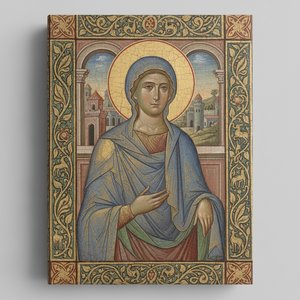
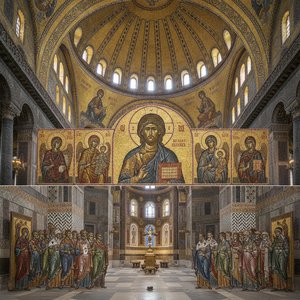
However, it was within the Byzantine Empire that tempera truly flourished, becoming synonymous with religious iconography. The creation of icons wasn’t simply an artistic endeavor; it was a sacred act, governed by strict rules and traditions. Artists meticulously layered thin glazes of egg tempera onto carefully prepared wood panels, often incorporating gold leaf to symbolize divine light. The resulting images weren't intended as realistic representations but rather as windows into the spiritual realm – stylized figures with elongated features and intense gazes designed to inspire reverence and contemplation. The enduring power of these icons, many of which survive today in breathtaking condition, speaks volumes about the inherent stability and luminosity of the medium.
Materials & Methods: A Deep Dive into Egg Tempera Preparation
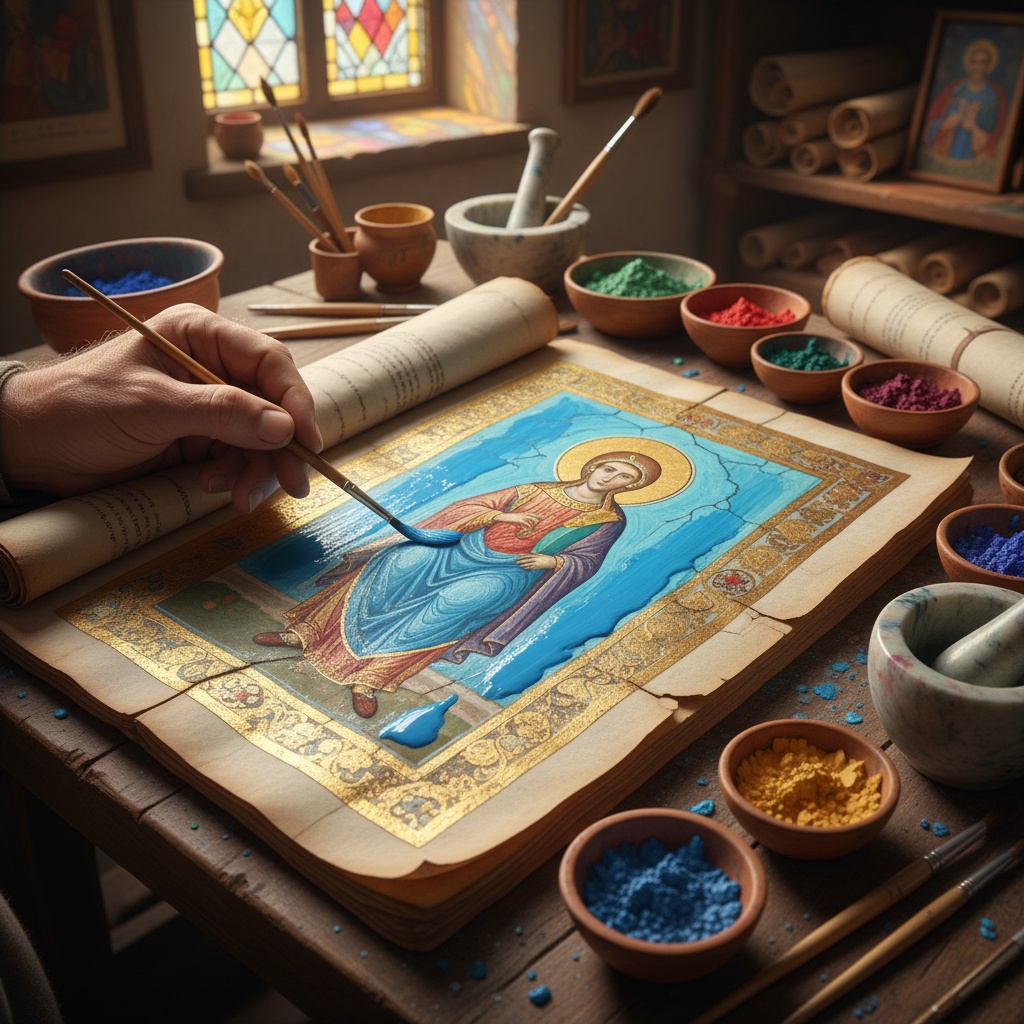
The allure of egg tempera lies not only in its aesthetic qualities but also in the demanding craftsmanship required to master it. Unlike the readily mixable nature of oils, creating egg tempera is a meticulous process – a delicate dance between pigment, binder, and water. Traditionally, artists used only the yolk of fresh eggs, discarding the white and membrane. This wasn’t merely a matter of preference; the yolk contains lecithin, an emulsifier that allows the pigment to bind effectively with water. The yolk itself undergoes further refinement, often being carefully measured and diluted with distilled water – ratios varying depending on the artist's desired consistency and the specific pigment used.
The pigments themselves were sourced from a variety of natural materials: minerals like lapis lazuli for vibrant blues, ochres for earthy tones, and malachite for rich greens. These dry powders were then painstakingly ground by hand with a muller on a glass slab, ensuring a fine particle size essential for achieving smooth application and intense color saturation. The prepared pigment was then carefully mixed with the egg yolk emulsion, creating a paint that dries rapidly and possesses an inherent matte finish. This quick drying time necessitates a unique painting technique – building up layers of thin, translucent glazes rather than blending directly on the canvas. Each layer, known as a ‘wash’, is allowed to dry completely before the next is applied, resulting in remarkable depth and luminosity.
Renaissance Revolution: Giotto, Botticelli, and the Dawn of a New Era in Tempera Painting
 Late Medieval Masterpieces: 10 Artworks That Defined an Era | ArtsDot
Journey through 10 defining Late Medieval masterpieces – from Giotto's frescoes to Jan van Eyck’s realism. Explore the stories, techniques & vibrant colors of Gothic art. Find museum-quality reproductions and elevate your home decor with ArtsDot.com...
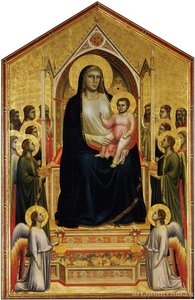
The Renaissance witnessed a dramatic shift in artistic sensibilities, and tempera painting played a pivotal role in this transformation. While earlier Byzantine art prioritized stylized symbolism, Renaissance artists sought to depict the world with greater realism and emotional depth. Giotto di Bondone, often hailed as the father of Western art, spearheaded this revolution. His *Ognissanti Madonna*, though still employing traditional tempera techniques, marked a departure from the flat, iconic style of his predecessors. Giotto’s figures possessed volume and weight, their expressions conveying genuine emotion – a groundbreaking achievement that signaled the dawn of Renaissance aesthetics.
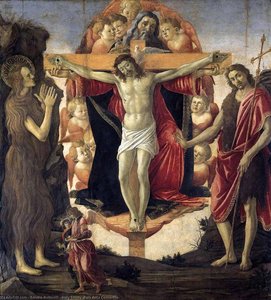
Later, artists like Sandro Botticelli further refined tempera painting, achieving unparalleled levels of grace and elegance. His *Primavera* and *The Birth of Venus*, masterpieces of early Renaissance art, showcase the medium’s ability to capture delicate textures and luminous skin tones. Botticelli's mastery lay in his subtle layering of glazes, creating a sense of ethereal beauty that continues to captivate audiences today. However, even as oil paint began to gain prominence, tempera remained an important tool for Renaissance artists, often used in combination with other media.
Beyond Egg Yolk: Exploring Diverse Tempera Binders and Techniques Throughout History
While egg tempera is arguably the most well-known form of the medium, it’s crucial to recognize that ‘tempera’ encompasses a broader range of techniques utilizing various water-soluble binders. Casein paint, employing milk protein as its binding agent, offered a different set of characteristics – a slightly more matte finish and greater durability. Guariento d’Arpo’s *Angel*, for example, exemplifies the monumental scale and Byzantine influence achievable with casein tempera, showcasing strong lines and hierarchical composition. Furthermore, artists experimented with plant-based gums like gum arabic, creating distemper paints that were often used for decorative purposes.
The Russian Orthodox tradition provides a particularly fascinating example of tempera’s enduring versatility. Artists like Ivan Bilibin masterfully employed tempera, gold leaf, and Byzantine stylistic elements in works such as *Saints Boris & Gleb on the Ship*, creating vibrant icons that continue to be revered for their spiritual power and artistic beauty. These artists often incorporated complex layering techniques, meticulously applying thin glazes of color over a gesso ground – a process demanding patience, precision, and unwavering devotion.
Conservation Challenges & Modern Revivals: Preserving and Reimagining Tempera's Legacy
Despite its inherent stability, tempera painting is not immune to the ravages of time. The water-soluble nature of the binder makes it susceptible to humidity fluctuations and environmental pollutants. Conservation efforts require specialized knowledge and meticulous care – cleaning techniques must be gentle, and any restoration work must be undertaken with utmost sensitivity to preserve the original integrity of the artwork. The delicate layers of paint can easily be damaged by improper handling or aggressive cleaning methods.
However, in recent decades, there has been a renewed interest in tempera painting among contemporary artists. Driven by a desire for sustainable materials and a fascination with historical techniques, many painters are rediscovering the unique qualities of this ancient medium. The slow, deliberate process encourages a mindful approach to art-making, fostering a deeper connection between artist and artwork. From meticulous reproductions of Renaissance masterpieces to innovative explorations of modern themes, tempera painting continues to thrive – a testament to its enduring beauty and timeless appeal. At ArtsDot.com, we celebrate this legacy by offering museum-quality reproductions of iconic tempera paintings, allowing art lovers worldwide to experience the magic of this captivating art form in their own homes.