

 Preview
 Send
Send Share
Share
 Details

 Download
 Similars
 X-Ray
X-Ray Diaporama
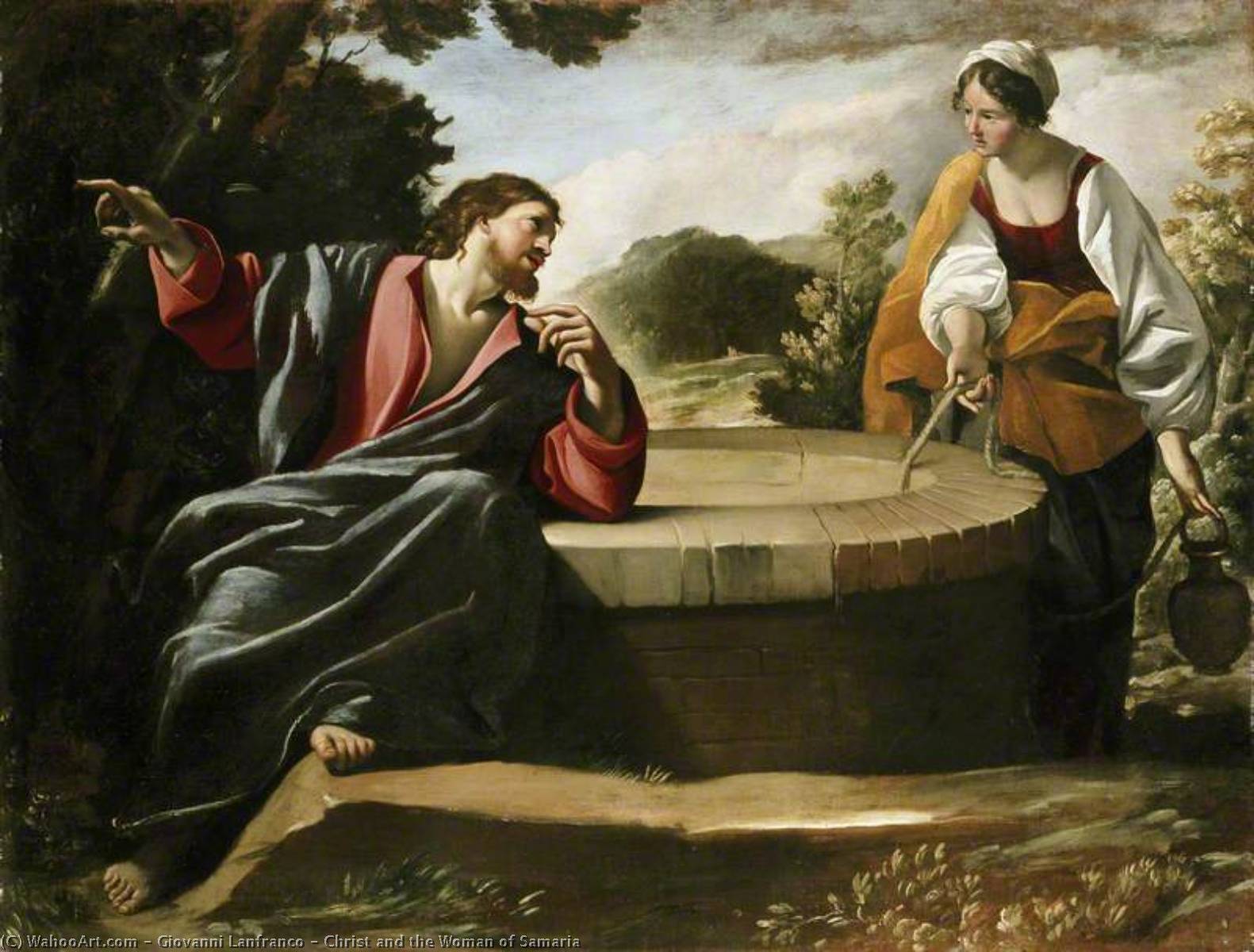
Christ and the Woman of Samaria
 Acrylic On Canvas
- WallArt
- Baroque Painting
 1620
1620 66.0 x 87.0 cm
 The Ashmolean Museum of Art And Archaeology
 Read More
Purchase a high-resolution, enhanced digital image, far superior to the online preview.
Each file is meticulously prepared by our in-house specialists using advanced tools and expert manual retouching. We ensure every image has exceptional clarity, precise color accuracy, and fine detail.
The final file is delivered via email within 72 hours, optimized for immediate use in professional, editorial, and print environments. This is the same quality trusted by top-tier design studios, publishers, and galleries.
Digital Image
Download a high-resolution file for personal display, printing, and creative projects. ( Buy Print Buy Hand Made Painting)
Included in Every Digital Image Order
Expert Digital Delivery, Guaranteed
When you choose ArtsDot.com, you're not just getting an image - you're receiving a professionally enhanced digital artwork, crafted with precision and backed by a satisfaction guarantee. Here's everything that comes with your order, automatically:

Fast Email Delivery
Your high-resolution digital image file will be emailed to you within 72 hours of ordering - ready for immediate use.

AI-Enhanced Digital File
Your artwork is professionally optimized using advanced AI tools and manual editing, ensuring maximum detail, clarity, and color accuracy.

Free Lifetime Re-Delivery
Accidentally deleted or lost your file? No worries - we'll resend it to you anytime, free of charge.

No Import Fees - Ever
Enjoy your artwork instantly with zero customs, duties, or delivery fees - digital downloads are always tax-free.

Color Accuracy Guarantee
We ensure your digital image reflects the original colors as closely as possible using professional tools and color management.

60-Day Satisfaction Guarantee
If you're not satisfied with your digital image, we'll revise it or refund 100% within 60 days - no questions asked.

100% Money-Back Guarantee
Not satisfied? Get a full refund within 60 days of receiving your digital file - no questions asked.

Bulk Order Discounts
Buy 3 images, save 10% - Buy 5, save 15% - Buy 10+, save 20%. Great for creative projects, galleries, and agencies.
Giovanni Lanfranco’s “Christ and the Woman of Samaria”: A Baroque Revelation
The fresco "Christ and the Woman of Samaria," painted by Giovanni Lanfranco in 1620, stands as a pivotal work within the artist's oeuvre and a compelling example of the dynamism and dramatic intensity characteristic of the High Renaissance’s transition into the Baroque. Housed today at the Ashmolean Museum in Oxford, this scene from the Gospel of John is not merely a depiction of biblical narrative; it’s an immersive experience, a carefully constructed tableau designed to evoke both spiritual contemplation and immediate emotional response. Lanfranco, trained under the tutelage of Agostino Carracci and later working within Annibale Carracci's workshop in Rome, masterfully synthesizes influences from his predecessors while forging a distinctly personal style marked by dramatic lighting, complex spatial arrangements, and an almost theatrical use of color.
The composition itself is immediately arresting. Jesus Christ, rendered with a serene yet commanding presence, engages in a conversation with a Samaritan woman at a well – a location imbued with symbolic significance within the Gospel story. The woman’s forward lean, her eager gaze directed towards Christ, speaks volumes about her transformation and the profound impact of their encounter. Surrounding them is a bustling scene: disciples observing from behind, a partially visible walled city hinting at the Samaritan community, and a detailed landscape that stretches into the distance, creating a sense of depth and perspective rarely achieved in earlier Italian painting. Lanfranco’s use of *chiaroscuro*, the dramatic interplay of light and shadow, is particularly noteworthy; it not only illuminates key figures but also serves to heighten the emotional intensity of the scene, drawing the viewer's eye towards Christ and the woman.
The Language of Gesture and Symbolism
Beyond its technical brilliance, “Christ and the Woman of Samaria” is rich in symbolic detail. The well itself represents a source of spiritual refreshment – a metaphor for salvation offered by Christ to those who are thirsty for divine grace. The woman’s gesture, pointing towards something unseen, suggests her openness to revelation and her willingness to embrace faith. Even the placement of the figures within the landscape is deliberate; the receding city walls symbolize the limitations of earthly concerns, while the open space invites contemplation about the boundless nature of God's love. Lanfranco doesn’t simply illustrate a biblical story; he uses every element of the composition – from the color palette to the spatial arrangement – to convey a deeper theological message.
Interestingly, this particular scene was not entirely unique in its artistic representation. Artemisia Gentileschi created her own version of “Christ and the Woman of Samaria” around 1637, demonstrating that the narrative resonated strongly with female artists as well. While both paintings share a similar composition and subject matter, they differ significantly in their stylistic approaches – Gentileschi’s work is characterized by a greater sense of realism and emotional intensity, while Lanfranco's leans towards a more idealized and theatrical presentation. Studying these two versions side-by-side offers valuable insights into the evolving artistic conventions of the Baroque period.
Lanfranco’s Context: Rome and the Papal Patronage
Giovanni Lanfranco’s career flourished during a period of immense artistic activity in Rome, fueled by the patronage of Pope Paul V. He was deeply involved in the decoration of several prominent papal palaces, including the Galleria Farnese and the Quirinale Palace. This exposure to the grand scale and ambitious projects of the Vatican provided him with invaluable experience and honed his skills as a fresco painter. Lanfranco’s ability to create illusionistic effects – particularly in ceiling frescoes – was highly prized by the papacy, and he became one of the leading artists commissioned to adorn the interiors of Rome's most important buildings.
Furthermore, Lanfranco’s artistic development was shaped by his apprenticeship with Annibale Carracci, a key figure in the revival of classical art within the Renaissance. Carracci’s emphasis on naturalism and anatomical accuracy influenced Lanfranco’s approach to depicting human figures, while his innovative use of perspective informed Lanfranco's own compositional strategies. The legacy of these influences is evident throughout “Christ and the Woman of Samaria,” where Lanfranco skillfully blends classical ideals with Baroque dynamism.
A Timeless Masterpiece: Reproduction Possibilities
“Christ and the Woman of Samaria” remains a powerfully evocative work of art, offering viewers a glimpse into the spiritual and emotional landscape of the Baroque era. Today, high-quality reproductions are available through various sources, allowing art enthusiasts to bring this masterpiece into their homes or offices. When selecting a reproduction, consider the medium – oil on canvas offers exceptional detail and color fidelity, while fine art prints provide an affordable alternative. Whether you choose a traditional print or a more contemporary format, a reproduction of Lanfranco’s fresco will undoubtedly serve as a captivating focal point, sparking conversation and inspiring contemplation for years to come.
Related Artworks
Artist Biography
Giovanni Lanfranco: A Leading Figure of Baroque Painting
- Born: Parma, Italy (1582)
- Died: 1647
Early Life and Training
Giovanni Gaspare Lanfranco was born in Parma in 1582, the third son of Stefano and Cornelia Lanfranchi. His artistic talent was recognized early on, leading to an apprenticeship with Agostino Carracci, brother of Annibale Carracci, a prominent Bolognese artist. He also worked alongside Sisto Badalocchio in the Farnese palaces of Parma. Lanfranco's training continued within Annibale Carracci’s large workshop in Rome, where he contributed to projects like the Galleria Farnese, including work on the panel of Polyphemus and Galatea. This period exposed him to a vibrant artistic environment and laid the foundation for his future career.
Development and Artistic Style
Following Annibale Carracci's death in 1609, Lanfranco briefly returned to Parma before re-establishing himself in Rome by 1612. He developed a distinctive style characterized by dynamic compositions, theatrical lighting, and a visionary approach particularly suited for ceiling frescoes. While influenced by the late works of Ludovico Carracci and possibly Caravaggio, he also demonstrated a strong affinity for Correggio’s decorative style. His early works show an eclectic range, incorporating elements from various masters while gradually forging his own path. A key aspect of his development was his ability to create illusionistic effects in fresco painting, contributing significantly to the Baroque aesthetic.
Major Achievements and Commissions
Lanfranco’s career flourished under Pope Paul V, who commissioned numerous works from him. Some of his most significant achievements include:
- Frescoes at Palazzo Mattei: Demonstrating his growing mastery of perspective and illusionism.
- Villa Borghese Ceiling (Gods of Olympus): A monumental work showcasing a complex narrative and dynamic figures.
- Sala de' Corazzieri and Sala Regia at the Quirinale Palace: Further establishing his reputation as a leading fresco artist in Rome.
- The Assumption of the Virgin at Sant’Andrea della Valle: Considered his masterpiece, this ambitious dome fresco is renowned for its dramatic lighting, crowded composition, and innovative use of perspective. It exemplifies the Baroque style's emphasis on grandeur and emotional impact.
Influence and Historical Significance
Giovanni Lanfranco played a crucial role in shaping the artistic landscape of 17th-century Rome. He rivaled Domenichino for major commissions, contributing to a period of intense competition among leading artists. His innovative approach to fresco painting, particularly his mastery of illusionistic techniques and dramatic compositions, influenced subsequent generations of artists. Lanfranco’s work reflects the broader trends of the Baroque era—a focus on dynamism, emotion, and grandeur—and cemented his place as one of the most important painters of his time. His influence can be seen in later works by Francesco Solimena and other Italian artists.
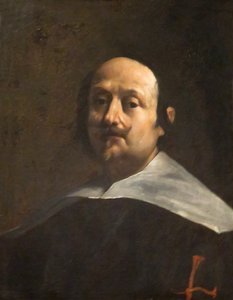
Giovanni Lanfranco
1582 - 1647 , Italy
Quick Facts
- Artistic Movement Or Style: Baroque painting
- Artists Or Movements Influenced By This Artist: ['Francesco Solimena']
- Artists Who Influenced This Artist:
- Correggio
- Annibale Carracci
- Ludovico Carracci
- Date Of Birth: January 26, 1582
- Date Of Death: November 30, 1647
- Full Name: Giovanni Lanfranco
- Nationality: Italian
- Notable Artworks:
- The Prophet Elijah Awakened
- Saint Luke
- Venus Playing the Harp
- Gods of Olympus fresco
- Place Of Birth (City And Country): Parma, Italy

