Artist Biography
A Shadowy Portraitist of the Savoy Court: Giovanni Panealbo
Giovanni Panealbo remains a figure shrouded in the mists of 18th-century Italian art, an artist known primarily through his attributed portraits of the ruling House of Savoy. Active between approximately 1770 and 1799, little concrete biographical information survives regarding his origins or personal life. He appears to have flourished as a court painter in Turin, serving a clientele deeply entrenched within the aristocracy. The scarcity of documentation lends an air of mystery to Panealbo’s oeuvre, prompting ongoing scholarly debate about the extent of his individual style versus that of workshop collaborations and influences. What *is* evident is a talent for capturing likeness with a degree of formality and refinement characteristic of the period, though often lacking the pronounced psychological depth found in contemporaries like Anton Raphael Mengs or Elisabeth Vigée Le Brun.
The Savoy Circle: A Focus on Portraiture
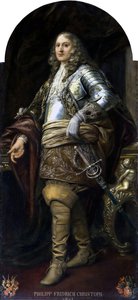
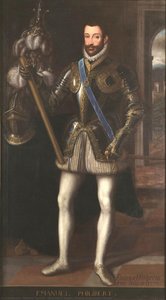
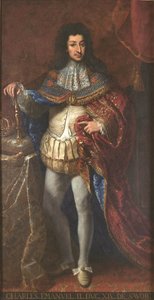
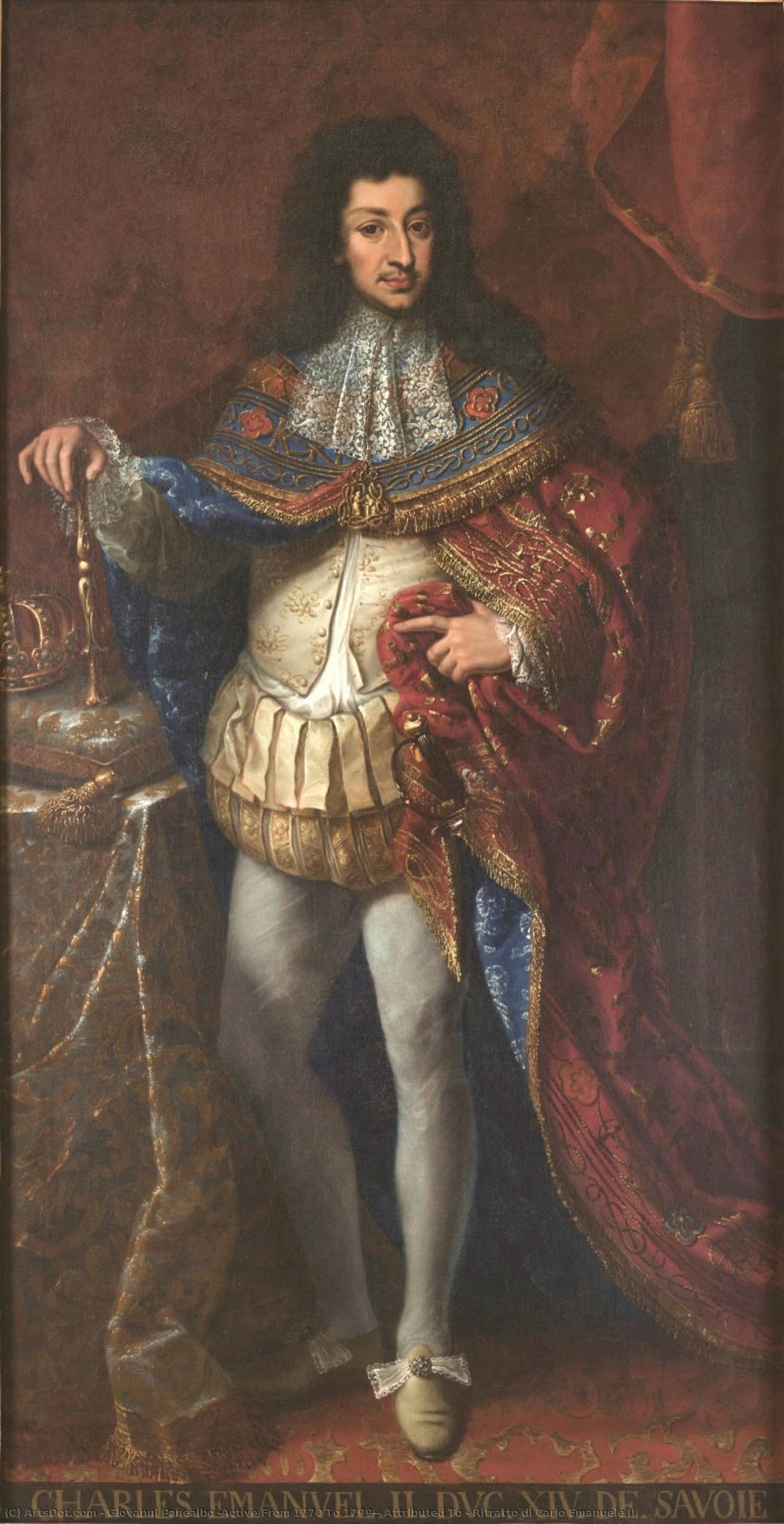
Panealbo’s artistic output centers almost exclusively around portraiture, specifically depicting members of the Savoy family and their associated nobility. His most recognized work is undoubtedly Ritratto di Carlo Emanuele II, a stately depiction of the Duke of Savoy that exemplifies his approach. These portraits were not merely exercises in representation; they functioned as powerful statements of status, lineage, and political authority. Panealbo’s skill lay in presenting these figures with an air of dignified composure, often set against relatively simple backgrounds to emphasize their personage. The compositions are generally traditional, adhering to established conventions of portraiture—three-quarter length poses, formal attire, and a restrained use of color. However, the precise brushwork and attention to detail in rendering fabrics and facial features suggest a capable hand at work. He was clearly adept at conveying wealth and power through meticulous depiction of luxurious materials and aristocratic bearing.
Influences and Artistic Development
Pinpointing Panealbo’s formative influences proves challenging given the limited scope of his known works. However, scholars have noted stylistic connections to other portraitists active in Turin during the latter half of the 18th century. The influence of French Rococo painting is subtly present in some of his compositions, particularly in the delicate rendering of lace and silk. It’s plausible that Panealbo received training within a local workshop before establishing himself as an independent artist. The emphasis on clarity and precision suggests exposure to Neoclassical ideals gaining traction across Europe at the time, though he never fully embraced the stark simplicity favored by proponents of this style. His work occupies a transitional space—rooted in Baroque traditions but hinting at the emerging aesthetic sensibilities of the late 18th century.
Technical Characteristics and Style
Panealbo’s technique appears to have relied heavily on oil paint, applied with a smooth, controlled brushstroke. He favored a palette dominated by muted tones – rich reds, deep blues, and subtle grays—creating an atmosphere of restrained elegance. The lighting in his portraits is typically soft and diffused, contributing to the overall sense of formality. While not known for innovative experimentation, Panealbo demonstrated a consistent ability to achieve a high level of finish and verisimilitude. His skill lay less in dramatic flair or emotional expression and more in meticulous observation and technical proficiency. The portraits are characterized by their polished surfaces, reflecting the status and refinement of the sitters they depict.
Historical Significance and Legacy
Despite the relative obscurity surrounding his life, Giovanni Panealbo occupies a significant niche within the history of Savoyard art. His portraits provide valuable visual documentation of the ruling family during a period of political and social change. While not considered a groundbreaking innovator, he was a skilled craftsman who served an important function in perpetuating the image of aristocratic power. The attribution of his works remains a subject of ongoing research, with some scholars suggesting that certain paintings may be products of workshop collaborations or even misattributed to Panealbo altogether. Nevertheless, his portraits continue to offer insights into the artistic tastes and social conventions of the 18th-century Italian court, serving as tangible reminders of a bygone era.


 Preview
 Send
Send Share
Share
 Details

 Download
 Similars
 X-Ray
X-Ray Diaporama
 117.0 x 202.0 cm
 Royal Palace of Venaria
 Read More
 Buy Hand Made Painting





































 Glass option is only available in size under 110 CM