 Preview
 Send
Send Share
Share
 Details

 Download
 Similars
 X-Ray
X-Ray Diaporama
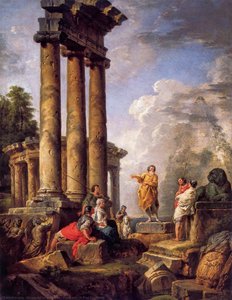
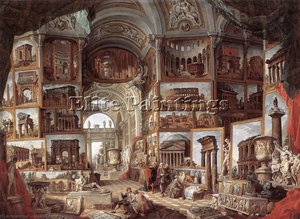
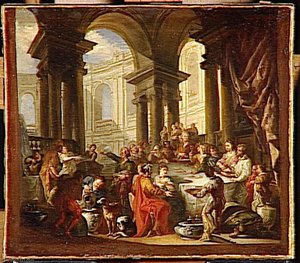
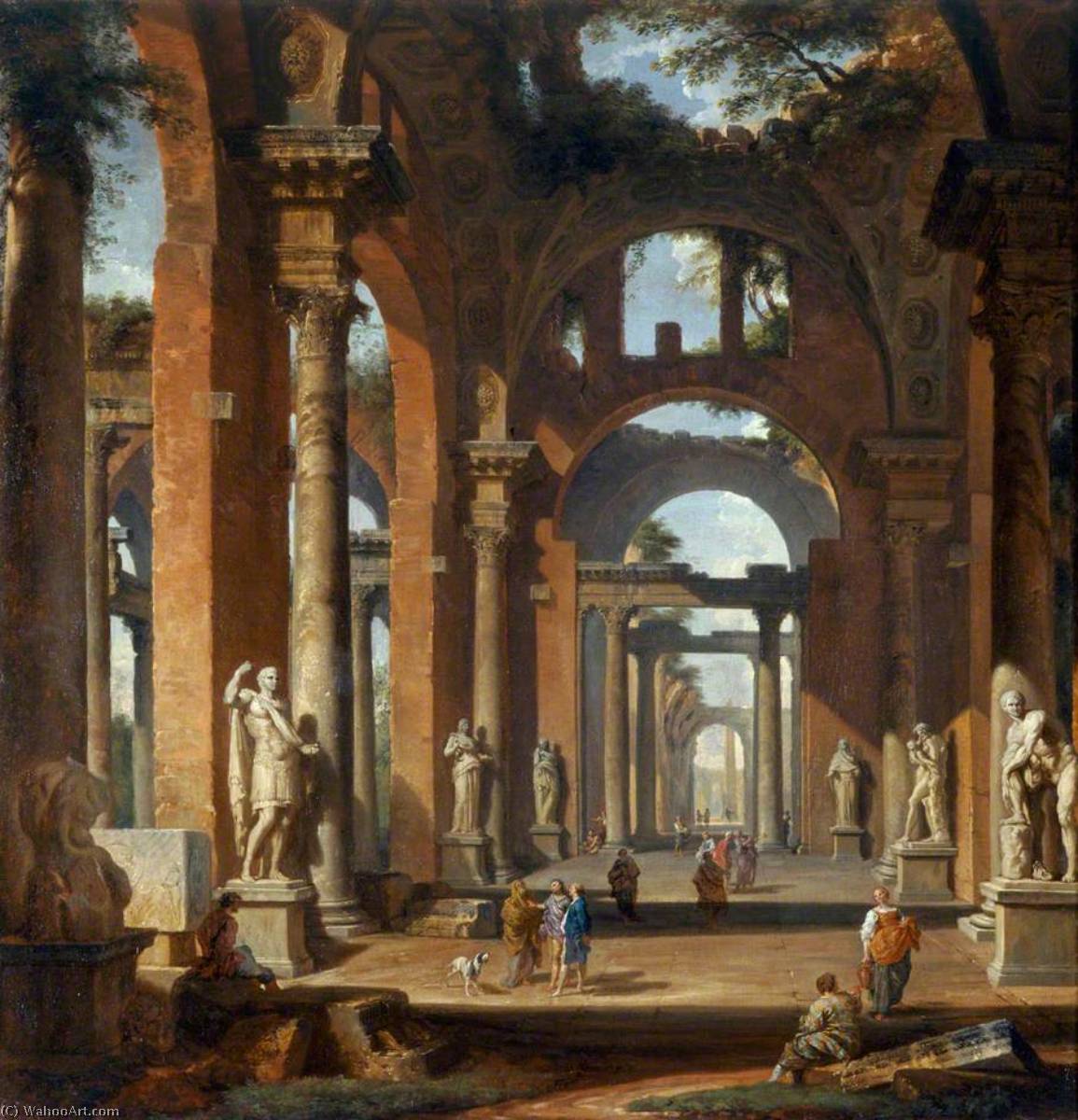
Statues in a Ruined Arcade
 Oil
Oil- WallArt
- Baroque
 1750
1750- Early Modern
 111.0 x 108.0 cm
 Read More
Giclée / Art Print
Museum-quality giclée or canvas print with fast production and flexible finish options. ( Buy Hand Made Painting Buy Image)




P118B $10

P118H $10

P118W $10

P438Z $10

P508JH $12

P508YH $12

P805H $10

P805Z $10

P919BZ $10

P919G $10

P919XJ $10

P959ZH $10

P968JZ $12

W106C $8

W218G $10

W218JH $8

W218Y $10

W307PJ $10

W316G $10

W316PJ $8

W316Y $10

W398PJ $8

W4111J $10

W500HY $15

W500JH $15

W692G $12

W849H $8

W940BG $15

W953PJ $8




Pick from our preset sizes that match the artwork's original proportions.

You may enter your own dimensions to fit a specific frame or space. If your selected size does not match the original image's proportions, we will either crop the artwork or extend the image with a mirrored or solid-fill edge. A digital mockup will be sent for your approval before production begins.
Please note that the on-screen preview does not reflect the actual cropping or extension. Only the mockup will accurately show the final composition.
While custom sizes are available, we recommend selecting a dimension from the predefined list to preserve the original proportions.
Worldwide Delivery () in 2 weeks instead of standard 4/5 weeks. (17 August)

Free Worldwide Express Shipping

High-Quality Linen Canvas

Full Shipping Insurance

Customs Tax Refund Guarantee

True Color Matching Guarantee

60-Day Return Policy (Defects Only)

100% Money-Back Guarantee

Bulk Discount Offer
 Glass option is only available in size under 110 CM

Statues in a Ruined Arcade
Giclée / Art Print
Reproduction Size
-


Total Price
$ 63
Collectible Description
A Vision of Eternal Grandeur
In the masterful hands of Giovanni Paolo Panini, the crumbling remnants of antiquity are transformed into a stage for timeless drama. Statues in a Ruined Arcade invites the viewer to step through a portal into the mid-18th century, where the weight of history meets the lightness of a sun-drenched afternoon. This breathtaking composition captures more than just stone and mortar; it captures the very essence of the veduta—the highly skilled art of topographical painting—blended with the whimsical imagination of the capriccio. As we gaze upon the weathered arches and the silent, stoic figures of marble, we are transported to a world where the glory of Rome’s past continues to breathe through its decay.
The scene is a delicate dance between permanence and transience. Panini meticulously arranges several statues within a fractured arcade, their classical forms standing as silent witnesses to the passage of centuries. Yet, the painting is far from a static monument. The inclusion of lively figures wandering through the ruins, along with a small dog positioned near the center, injects a profound sense of movement and human connection into the architectural grandeur. This juxtaposition—the eternal stillness of the statues against the fleeting presence of life—creates a poignant narrative about the cyclical nature of civilization, making it an irresistible piece for those who find beauty in the romantic melancholy of ruins.
Mastery of Light and Perspective
Technically, this work serves as a testament to Panini’s profound understanding of perspective and theatricality. Having been influenced by the stage designs of the Bibiena family, Panini approaches the canvas like a director setting a scene. He utilizes a sophisticated use of light to guide the eye through the depth of the arcade, using shadows to define the texture of aged stone and highlights to breathe life into the marble limbs of the statues. The way the light filters through the broken ceilings creates a rhythmic interplay of brightness and gloom, a technique that adds an almost sculptural dimension to the two-dimensional surface.
For the discerning collector or interior designer, this painting offers a versatile yet commanding presence. Its grand scale and intricate detail make it a magnificent focal point for a sophisticated study, a formal dining room, or a curated gallery wall. The muted, earthy tones of the architecture are balanced by the dynamic composition, allowing it to harmonize with both classical and contemporary decor. To possess a reproduction of this caliber is to bring a piece of the Italian Renaissance's enduring spirit into one's personal sanctuary, offering a daily window into an era of unparalleled artistic splendor.
Related Artworks
Artist Biography
A Master of Roman Visions: The Life and Art of Giovanni Paolo Panini
Giovanni Paolo Panini, a name synonymous with the grandeur and romantic allure of 18th-century Rome, was more than just a painter; he was a visual architect of memory. Born in Piacenza in 1691, his artistic journey began under the tutelage of Giuseppe Natali and Andrea Galluzzi, but it was his exposure to the theatrical designs of Francesco Galli-Bibiena that truly ignited his imagination. This early immersion in stagecraft would profoundly influence his later work, imbuing it with a sense of dramatic composition and illusionistic space. In 1711, Panini relocated to Rome, a city already steeped in artistic history, where he honed his skills under the guidance of Benedetto Luti, mastering the art of drawing and laying the foundation for his future mastery of perspective.From Frescoes to Vedute: The Evolution of an Artistic Style
Panini’s initial success came not as a canvas painter but as a decorator of palaces. His frescoes adorned the walls of prominent Roman residences, including the Villa Patrizi (1719-1725), Palazzo de Carolis (1720) and Seminario Romano (1721-1722). These early commissions allowed him to develop his technical prowess and establish a reputation within Rome’s artistic circles. However, it was his embrace of the *veduta*, or view painting, that would ultimately define his legacy. Unlike earlier topographical artists who focused on precise documentation, Panini infused his depictions of Rome with a sense of imaginative reconstruction. He didn't merely record what he saw; he re-imagined it, blending existing structures with fragments of ancient ruins and fanciful architectural elements. This approach, often referred to as *capriccio*, allowed him to create scenes that were both recognizable and dreamlike, capturing the spirit of Rome’s layered history. His 1719 admission into the Congregazione dei Virtuosi al Pantheon signaled his growing recognition within the Roman art world, and he soon became a sought-after artist among Grand Tourists – wealthy young Europeans traveling Italy to complete their education.The Allure of Ruins and the Panini Projection
Panini’s fascination with ruins was not simply an aesthetic choice; it reflected a broader intellectual current of his time—a growing interest in classical antiquity and a melancholic awareness of its fragility. He masterfully depicted iconic landmarks like the Pantheon, Colosseum, and Roman Forum, often framing them within dramatic lighting and atmospheric effects. But he didn’t stop there. He frequently combined elements from different structures into single compositions, creating fantastical visions that celebrated Rome's architectural heritage while simultaneously acknowledging its state of decay. This innovative approach to perspective—his ability to create a convincing illusion of depth and space—led to the development of what became known as the “Panini Projection,” a technique instrumental in rendering panoramic views. The projection allowed artists to accurately represent wide-angle scenes, making it invaluable for architectural renderings and landscape painting.Influence and Legacy: A Lasting Impact on Art History
Giovanni Paolo Panini’s influence extended far beyond his own lifetime. He was a respected teacher at both the Accademia di San Luca and the Académie de France in Rome, shaping the artistic sensibilities of a generation of artists. Among his pupils was Hubert Robert, who would become equally renowned for his depictions of ruins, though with a more overtly romantic sensibility. Panini’s style also resonated with other *vedutisti*, including Antonio Joli and Charles-Louis Clérisseau, inspiring them to explore the possibilities of architectural painting. His works are now held in prestigious collections worldwide, including the Prado Museum, the Louvre, and the Museo Nazionale di Capodimonte, testament to his enduring appeal.Exploring Panini’s World Today
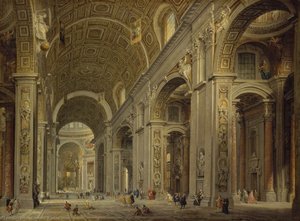
Today, we can still experience the captivating beauty of Panini's work through numerous reproductions and exhibitions. His paintings offer a unique window into 18th-century Rome—a city brimming with history, art, and intellectual curiosity. Examining his masterful use of perspective, his imaginative compositions, and his evocative depictions of ruins allows us to appreciate not only his technical skill but also his profound understanding of the human relationship to time, memory, and the enduring power of art.- Explore artworks: The Temple of Diana, Interior of Saint Peter's, Rome, Interior of the Pantheon, Rome.
- Further research: Discover more about Panini’s life and work through resources like Wikipedia and the National Gallery of Art.
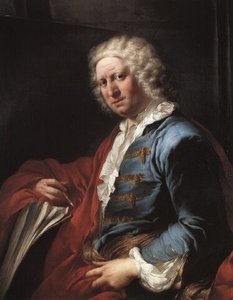
Giovanni Paolo Panini
1691 - 1765 , Italy
Quick Facts
- Artistic Movement Or Style: Baroque, Vedutismo
- Artists Or Movements Influenced By This Artist:
- Hubert Robert
- Antonio Joli
- Charles Clérisseau
- Artists Who Influenced This Artist:
- Giuseppe Natali
- Andrea Galluzzi
- F.Galli-Bibiena
- Date Of Birth: 1691
- Date Of Death: 1765
- Full Name: Giovanni Paolo Panini
- Nationality: Italian
- Notable Artworks:
- Pantheon Interior View
- Rome Views
- Capriccios
- Place Of Birth: Piacenza, Italy
Related Articles
The Enduring Legacy of Classicism: Principles, Evolution & Influence in Western Art
Explore the enduring legacy of Classicism in Western art! Discover its historical context, key principles, iconic masterpieces & lasting influence. Learn about Renaissance and Neoclassical movements with ArtsDot.
Timeless Resonance: Exploring Classic Vibe in Art – A Historical & Aesthetic Analysis
Explore the rich history & enduring aesthetic of Classicism art! Discover key movements, iconic artists like Raphael & David, and its lasting influence on Western art. Deepen your appreciation today.
Neo-Classicism's Greatest Hits: 10 Masterpieces for Your Home |
Journey through Neo-Classicism's finest! Explore 10 iconic masterpieces by David, Ingres & Canova. Discover art history, techniques & timeless beauty – perfect for inspiring your home decor. Find museum-quality reproductions at
The Enduring Legacy of Classical Style: Form, Narrative & Influence in Art
Explore the enduring legacy of classical art – from ancient Greece & Rome to Neoclassicism. Discover key artists, philosophical roots & build a timeless collection with ArtsDot's expert guidance.
The Enduring Echo of Antiquity: Classical Ideals in Art from Renaissance to Modernism
Explore the lasting impact of classical ideals on art from the Renaissance to Modernism. Discover key movements, iconic artists & find museum-quality reproductions at ArtsDot.