 Preview
 Send
Send Share
Share
 Details

 Download
 Similars
 X-Ray
X-Ray Diaporama
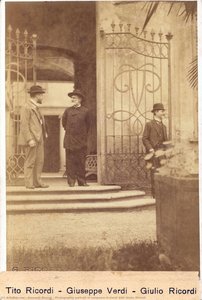
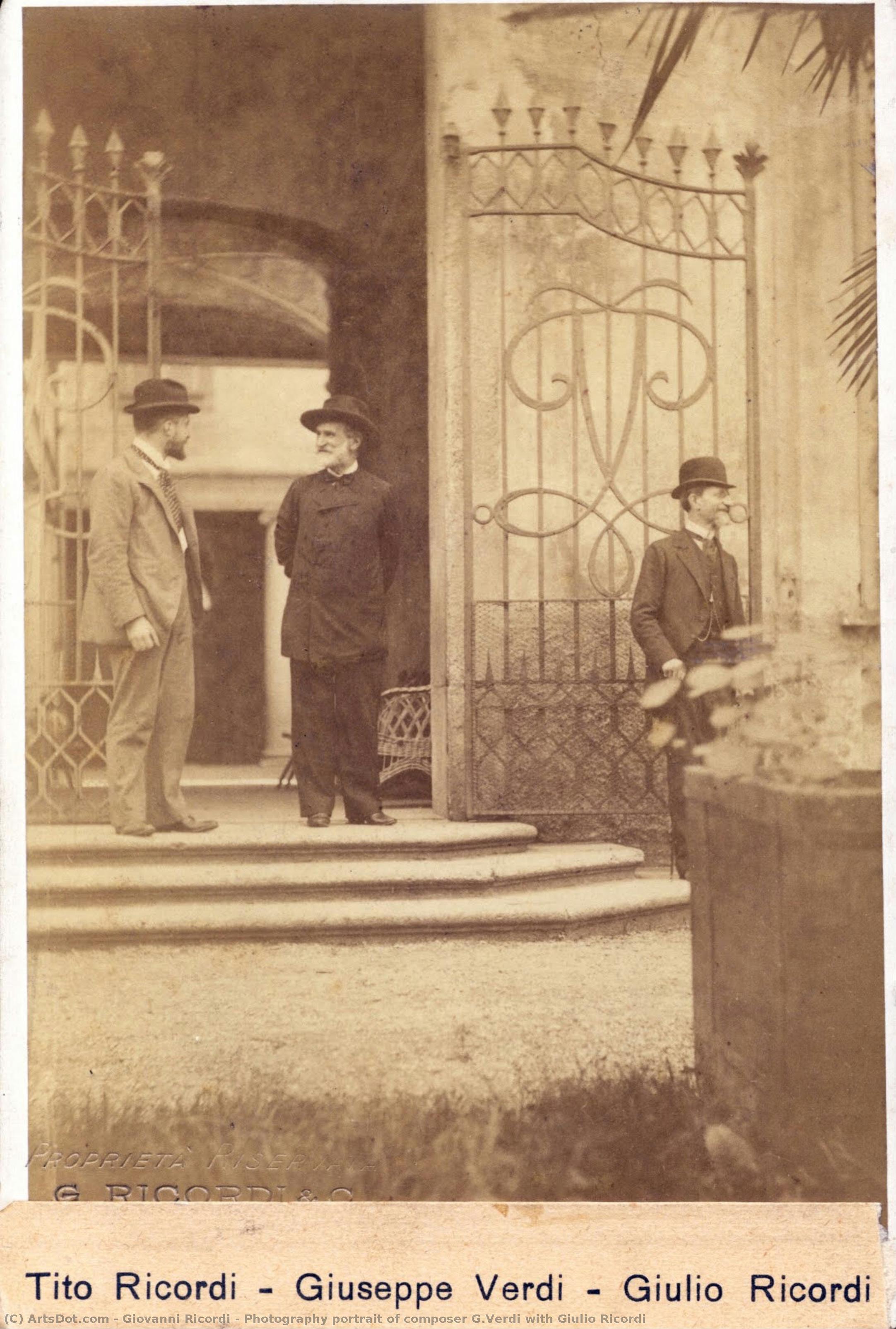
Photography portrait of composer G.Verdi with Giulio Ricordi

 Read More
Hand Made Oil Reproduction
Hand-painted oil on canvas in your size and frame, made to order by our artists. ( Buy Print Buy Image)




































Pick from our preset sizes that match the artwork's original proportions.

You may enter your own dimensions to fit a specific frame or space. If your selected size does not match the original image's proportions, we will either crop the artwork or extend the painting with additional hand-painted elements. A digital mockup will be sent for your approval before production begins.
Please note that the on-screen preview does not reflect the actual cropping or extension. Only the mockup will accurately show the final composition.
While custom sizes are available, we recommend selecting a dimension from the predefined list to preserve the original proportions.
After order, ArtsDot.com team will email client for instructions and provide a mockup preview
Worldwide Delivery () in 3/4 weeks instead of standard 5 weeks. (6 September). No compromise on quality.

Free Worldwide Express Shipping

High-Quality Linen Canvas

Full Shipping Insurance

Customs Tax Refund Guarantee

True Color Matching Guarantee

100-Day Return Policy (Defects Only)

100% Money-Back Guarantee

Bulk Discount Offer
 Glass option is only available in size under 110 CM

Photography portrait of composer G.Verdi with Giulio Ricordi
Reproduction Medium
Reproduction Size
-


Total Price
$ 263
Related Artworks





Artist Biography
The Visionary Publisher: Giovanni Ricordi and the Rise of Italian Opera
Giovanni Ricordi, born in Milan in 1785, was far more than simply a musician or composer; he was an entrepreneurial force who fundamentally reshaped the landscape of Italian music publishing. While possessing talent as a violinist and composing primarily for the guitar, his enduring legacy rests not on performance but on foresight—a keen understanding that the future of music lay in its dissemination, accessibility, and protection. In 1803, he established himself as a copyist, meticulously transcribing scores and dealing in printed music, laying the groundwork for what would become Casa Ricordi, one of the most influential publishing houses in history. This humble beginning, fueled by dedication and an astute business sense, marked the genesis of a cultural empire.From Copyist to Cultural Architect
The early years were characterized by relentless effort. Ricordi’s initial copisteria served as a vital link between composers and theaters, providing piano reductions and orchestral parts for performances at venues like the Teatro Carcano and Teatro del Lentasio. Recognizing the limitations of simply copying existing works, he embarked on a transformative journey in 1807, traveling to Leipzig to study engraving and printing techniques at the esteemed Breitkopf & Härtel company. This apprenticeship proved pivotal; returning to Milan in 1808 with a copperplate press, Ricordi formally founded Casa Ricordi, initially in partnership with an engraver who soon departed, leaving Giovanni to steer the enterprise alone. The first decade saw modest output—around thirty publications annually—but this was merely the prelude to a period of exponential growth driven by strategic alliances and innovative practices. A crucial turning point arrived in 1814 when Ricordi secured exclusive rights to publish music performed at La Scala, a contract he obtained through his existing role as prompter and copyist for the renowned opera house. This access to a wealth of new compositions, coupled with shrewd acquisitions of musical archives from other theaters, formed the bedrock of Casa Ricordi’s expanding catalog.Championing Composers and Shaping Copyright
Ricordi wasn't merely a publisher; he was an advocate for composers, recognizing their need for financial stability and control over their work. He pioneered new copyright practices, ensuring that artists received royalties not only upon initial delivery of a composition but also from subsequent performances—a revolutionary concept at the time. This commitment fostered strong relationships with Italy’s leading operatic figures, including Gioachino Rossini, Vincenzo Bellini, Gaetano Donizetti, and most significantly, Giuseppe Verdi. The publication of Verdi's *Nabucco* in 1842 proved to be a watershed moment, launching an era of nationalistic Italian opera deeply intertwined with the Risorgimento movement. Ricordi’s correspondence with Verdi provides invaluable insight into the composer’s creative process and the evolving political climate of Italy. Beyond securing rights and providing financial support, Ricordi actively promoted his composers' works through innovative distribution models, such as rentals to theaters, expanding their reach and influence across Europe.A Legacy Etched in Scores
By the 1840s, Casa Ricordi had ascended to become the largest music publisher in southern Europe. This success wasn’t solely attributable to astute business dealings; it was also a result of Ricordi's commitment to quality and innovation. He embraced new printing technologies like lithography and intaglio, reducing costs and increasing print runs while maintaining high standards for accuracy and presentation. In 1842, he further solidified his position as a cultural leader by launching the *Gazzetta Musicale di Milano*, Italy’s first musicological periodical—a platform for reviews, aesthetic discussions, and debates surrounding publishing rights. Giovanni Ricordi's influence extended beyond the realm of commerce; he trained a new generation of engravers, including Francesco Lucca, ensuring the continued excellence of his publications. Upon his death in 1853, he left behind not just a thriving business but a transformed musical landscape—one where composers were valued, their works protected, and Italian opera reigned supreme. His son, Tito Ricordi, would continue to build upon this foundation, further expanding the firm’s reach and solidifying its place as a global powerhouse in music publishing.The Enduring Impact of a Musical Dynasty
Giovanni Ricordi's story is one of vision, dedication, and an unwavering belief in the power of music. He didn’t simply publish scores; he cultivated a cultural ecosystem that nurtured creativity, championed artists, and shaped the very fabric of Italian opera. The Casa Ricordi archives—a testament to his meticulous collecting and strategic acquisitions—remain a treasure trove for scholars and musicians today, offering invaluable insights into the history of 19th-century music. His legacy continues to resonate through the works he published, the composers he supported, and the enduring influence of Italian opera on the world stage. He was, in essence, not just a publisher but an architect of musical modernity. His impact is still felt today, ensuring that the masterpieces of Italian opera continue to captivate audiences for generations to come.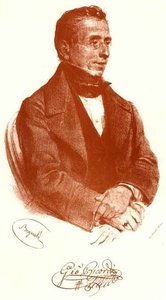
giovanni ricordi
1785 - 1853 , Italy
Quick Facts
- Artistic Movement Or Style: Music Publishing
- Artists Or Movements Influenced By This Artist:
- Rossini
- Donizetti
- Verdi
- Date Of Birth: March 3, 1785
- Date Of Death: March 15, 1853
- Full Name: Giovanni Ricordi
- Nationality: Italian
- Place Of Birth: Milan, Italy