 Preview
 Send
Send Share
Share
 Details

 Download
 Similars
 X-Ray
X-Ray Diaporama
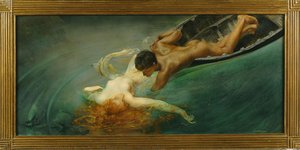
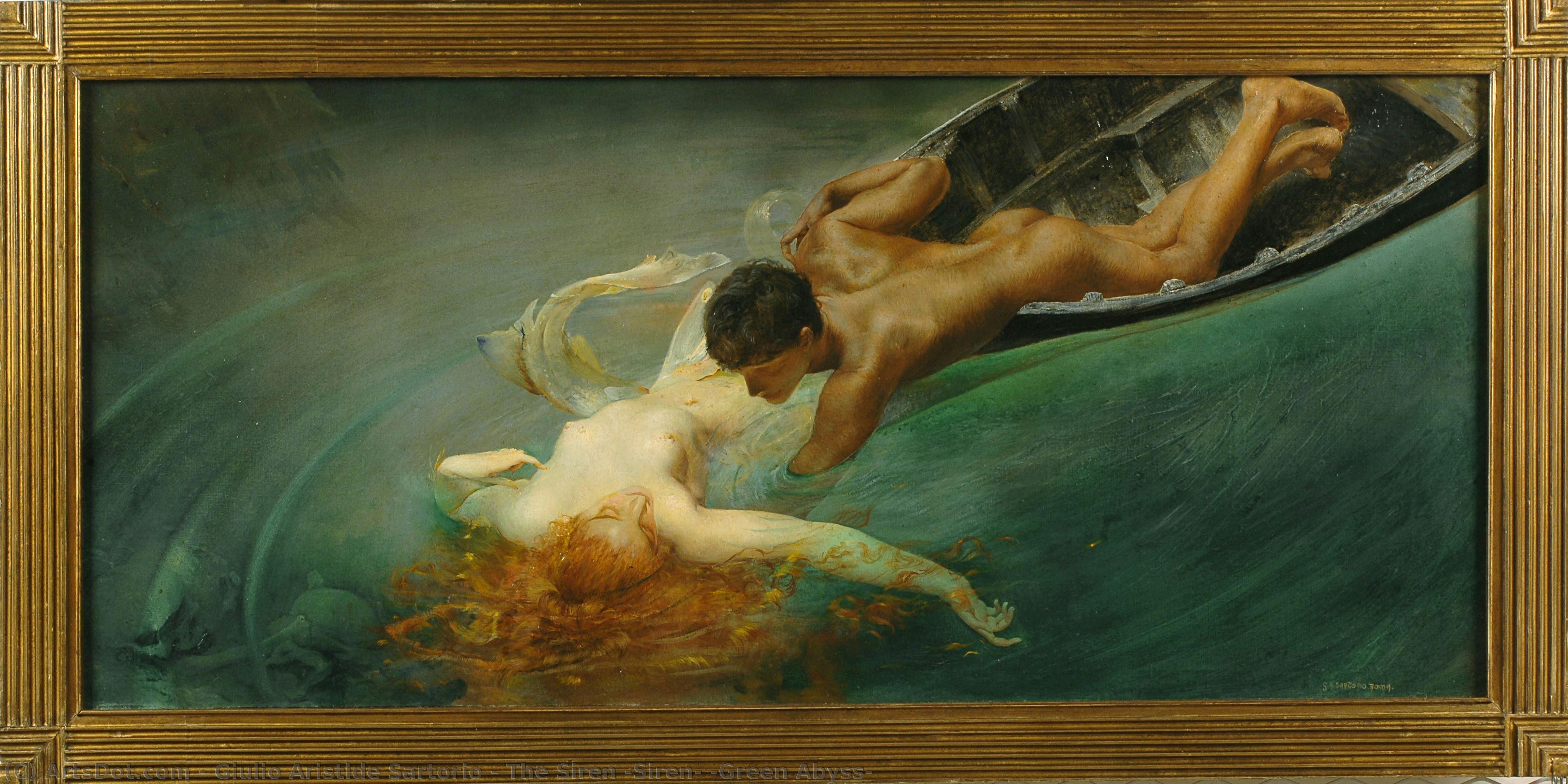
The Siren (Siren) (Green Abyss)
 Oil
Oil- WallArt
- Symbolism
 19th Century
 172.0 x 71.0 cm
 Galleria Civica di Arte Moderna e Contemporanea Torino
 Read More
Giclée / Art Print
Museum-quality giclée or canvas print with fast production and flexible finish options. ( Buy Hand Made Painting Buy Image)




P118B $10

P118H $10

P118W $10

P438Z $10

P508JH $12

P508YH $12

P805H $10

P805Z $10

P919BZ $10

P919G $10

P919XJ $10

P959ZH $10

P968JZ $12

W106C $8

W218G $10

W218JH $8

W218Y $10

W307PJ $10

W316G $10

W316PJ $8

W316Y $10

W398PJ $8

W4111J $10

W500HY $15

W500JH $15

W692G $12

W849H $8

W940BG $15

W953PJ $8




Pick from our preset sizes that match the artwork's original proportions.

You may enter your own dimensions to fit a specific frame or space. If your selected size does not match the original image's proportions, we will either crop the artwork or extend the image with a mirrored or solid-fill edge. A digital mockup will be sent for your approval before production begins.
Please note that the on-screen preview does not reflect the actual cropping or extension. Only the mockup will accurately show the final composition.
While custom sizes are available, we recommend selecting a dimension from the predefined list to preserve the original proportions.
Worldwide Delivery () in 2 weeks instead of standard 4/5 weeks. (27 August)

Free Worldwide Express Shipping

High-Quality Linen Canvas

Full Shipping Insurance

Customs Tax Refund Guarantee

True Color Matching Guarantee

60-Day Return Policy (Defects Only)

100% Money-Back Guarantee

Bulk Discount Offer
 Glass option is only available in size under 110 CM

The Siren (Siren) (Green Abyss)
Giclée / Art Print
Reproduction Size
-


Total Price
$ 63
Collectible Description
A Dreamscape of Myth and Melancholy
In the mesmerizing depths of Giulio Aristide Sartorio’s The Siren (Green Abyss), the viewer is invited into a world where the boundaries between reality and myth dissolve into a verdant, undulating sea. This evocative masterpiece, which captures the imagination through its profound sense of movement and mystery, presents a scene that feels less like a static image and more like a fleeting fragment of a dream. At the heart of the composition lies a sinuous mermaid, her pale skin contrasting sharply against the deep, emerald hues of the ocean. She is cradled within a powerful, horizontal wave that cuts across the canvas with breathtaking boldness, creating a sense of rhythmic motion that pulls the observer into her watery realm. As the great writer Luigi Pirandello once noted, looking upon this work feels like drifting through a dream, where the lethargy of the siren meets the perilous curiosity of man.
The painting is a triumph of Symbolist technique, heavily influenced by the English Pre-Raphaelite movement that Sartorio encountered during his transformative travels in London. One can clearly trace the lineage of Edward Burne-Jones in the way Sartorio handles the theme of the seductive, dangerous enchantress. The artist employs a delicate, almost translucent application of paint to render the submerged arm of the mermaid, allowing the water to appear both heavy and ethereal. This mastery of texture—the interplay between the weight of the dark sea and the lightness of the skin—creates a visual tension that is central to the work's allure. For the collector or interior designer, this piece offers a sophisticated layer of depth, bringing a sense of classical storytelling and atmospheric richness to any curated space.
The Shadow of Fate and Symbolism
Beyond its surface beauty, The Siren is steeped in a haunting symbolism that speaks to the eternal struggle between desire and destruction. While the initial impression may be one of romantic adventure, a closer inspection reveals a darker, more prophetic narrative. Beneath the undulating waves, partially obscured by the murky depths, lie the skeletal remains of skulls. These silent witnesses serve as a memento mori, reminding us that the siren’s embrace is not merely a moment of passion, but a precursor to an inevitable end. The young fisherman, caught in the mermaid's seductive pull, represents the vulnerability of human spirit when confronted with the overwhelming forces of nature and myth.
This duality—the beauty of the lush, green abyss contrasted with the grim reality of mortality—makes the artwork a profound subject for contemplation. It is a piece that demands attention, not just for its aesthetic splendor, but for the emotional complexity it evokes. Whether displayed in a grand salon or a private study, a high-quality reproduction of this work serves as a conversation piece that bridges the gap between the decorative and the deeply intellectual. It captures an era of artistic transition, where the lushness of late 19th-century painting met the psychological depth of the coming modern age, making it an indispensable treasure for those who appreciate art that tells a story far beyond the frame.
Related Artworks

Artist Biography
Walter Richard Sickert: A Shadowy Figure of London’s Modernist Scene
Walter Richard Sickert, born in Germany in 1860 and tragically dying in England in 1942, remains a compellingly enigmatic figure within the history of British art. More than just an artist, he was a keen observer of urban life, a collector of faces, and a pivotal, though often misunderstood, influence on the development of modern painting in London. His career spanned decades, witnessing and shaping the dramatic shifts occurring in artistic styles and social attitudes at the turn of the 20th century. Sickert’s work isn't easily categorized; he resisted easy labels, deliberately blurring the lines between Impressionism, Symbolism, and a distinctly personal brand of realism that captured the gritty beauty of London’s streets and its inhabitants.Early Life and Influences – A European Education
Sickert’s early life was marked by movement and a somewhat unconventional education. Born in Germany to an artist father, he spent his formative years traveling extensively across Europe, absorbing the artistic currents of Paris, Brussels, and Munich. This cosmopolitan upbringing instilled in him a deep appreciation for diverse styles and techniques – from the meticulous realism of Belgian masters to the vibrant color palettes of Impressionism. Crucially, he studied at the Royal Academy in London, gaining a foundational understanding of traditional painting methods, though he quickly sought to transcend these conventions. His exposure to the works of artists like Gustave Moreau, with his evocative Symbolist imagery and interest in the darker aspects of human experience, profoundly shaped his artistic vision. The influence of Japanese prints – particularly their flattened perspectives and emphasis on detail – is also evident throughout his oeuvre.The Camden Town Group and a London Aesthetic
In 1893, Sickert joined the burgeoning Camden Town Group, a collective of artists who sought to capture the spirit of London’s East End—a district characterized by its poverty, overcrowding, and vibrant nightlife. This group, including Walter De La Mare, William Lytton Osbourne, and John Singer Sargent (though he remained somewhat aloof), rejected the prevailing academic standards and embraced a more direct, often unflinching, portrayal of urban life. Sickert’s paintings from this period – works like *Brighton Pierrots* (1890) and *The Finishers* (1892) – are particularly notable for their loose brushwork, dramatic lighting, and focus on the marginalized figures of London's working class. He wasn’t interested in romanticizing poverty; instead, he presented it with a stark realism that revealed both its hardship and its inherent dignity. His use of photography as a source of inspiration—often directly copying press photographs – was a controversial but significant aspect of his practice, challenging traditional notions of artistic originality.Technique and Subject Matter: Shadows and Portraits
Sickert’s technique evolved considerably throughout his career. Initially influenced by Impressionism, he gradually developed a more deliberate and controlled approach, employing broken brushstrokes and subtle gradations of color to create atmospheric effects. He was particularly adept at capturing the fleeting moments of urban life – a crowded pub scene, a street corner conversation, or a solitary figure lost in thought. His portraits are equally compelling, often revealing a deep understanding of his subjects’ personalities and inner lives. Unlike many portraitists who sought to idealize their sitters, Sickert frequently depicted individuals with an unflinching honesty, capturing their wrinkles, imperfections, and vulnerabilities. He was fascinated by the interplay of light and shadow, using darkness not merely as a compositional element but also as a means of suggesting mood and psychological depth.Legacy and Historical Significance
Despite his significant contributions to British art, Sickert’s legacy has been somewhat overshadowed by controversy. The persistent rumors linking him to the Jack the Ripper murders—fueled by speculation about his London activities during the autumn of 1888—have long cast a shadow over his reputation. However, these allegations have largely been dismissed as unfounded. More importantly, Sickert’s influence extends far beyond any single sensational story. He played a crucial role in shaping the direction of British modernism, paving the way for artists like Paul Nash and Christopher Richard Wynne Turner (Turner). His willingness to experiment with new techniques, his interest in urban life, and his commitment to portraying the realities of London's underbelly made him a truly original and enduring figure in the history of art. His work continues to be studied and appreciated today for its evocative atmosphere, psychological depth, and unique vision of the modern world.
giulio aristide sartorio
1860 - 1932
Quick Facts
- Artistic Movement Or Style: British Impressionism
- Artists Or Movements Influenced By This Artist: ['Post-Impressionism']
- Artists Who Influenced This Artist: ['Impressionists']
- Date Of Birth: May 31, 1860
- Date Of Death: January 22, 1942
- Full Name: Walter Richard Sickert
- Nationality: British
- Notable Artworks:
- Brighton Pierrots
- London Group
- Camden Town Group
- Place Of Birth: Berlin, Germany
Related Articles

Dante Gabriel Rossetti's 25 Masterpieces: A Journey Through Victorian Art & Symbolism | ArtsDot
Explore 25 iconic artworks by Dante Gabriel Rossetti, a leading Pre-Raphaelite artist. Discover the stories behind masterpieces like 'Proserpine' & 'Beata Beatrix'. Find museum-quality art reproductions and elevate your home decor with ArtsDot.com.
Verdant Visions: Exploring the Symbolism & Aesthetic Impact of Green in Art History
Explore the rich history & symbolism of green in art! Discover iconic paintings, techniques, and how to bring verdant harmony into your home with ArtsDot's expert guide.
Sir John Everett Millais: Pre-Raphaelite Rebellion & Victorian Narrative Detail
Explore the revolutionary art of Sir John Everett Millais & the Pre-Raphaelite Brotherhood. Discover their radical realism, symbolic narratives, and lasting impact on Victorian aesthetics. A deep dive into 19th-century masterpieces.

The Pre-Raphaelite Brotherhood: Rebellion, Romance & Medieval Revival
Explore the captivating world of the Pre-Raphaelite Brotherhood! Discover their rebellious spirit, iconic masterpieces & lasting influence on art history. Learn about Rossetti, Millais & more.

Arthur Hughes: Pre-Raphaelite Visions of Beauty & Melancholy
Explore the captivating world of Arthur Hughes (1832-1915), a leading Pre-Raphaelite painter. Discover his dreamy landscapes, poetic narratives & iconic Victorian artworks. Learn about his life, style & collecting today.