The Seeds of Discontent: Challenging Academic Art
The year is 1848, a period of revolutionary fervor sweeping across Europe. Yet, within the relatively stable confines of London’s art world, another kind of rebellion was brewing. A group of young painters – frustrated with the rigid conventions of the Royal Academy and what they perceived as a decline in artistic standards – dared to question the very foundations of British painting. This wasn't a rejection of skill, but rather a profound dissatisfaction with the prevailing aesthetic. The Academy favored a polished, idealized style derived from Renaissance masters like Raphael, prioritizing technical precision over emotional depth and genuine observation. For these burgeoning artists, however, Raphael had become a symbol of everything that was wrong: a barrier to originality, a stifling influence that prioritized imitation over innovation. They believed that the true spirit of art lay not in replicating past glories but in returning to the purity and sincerity they found in the work of pre-Raphaelite painters – artists working before the High Renaissance, whose works possessed an immediacy and truthfulness lost in later academic tradition.
Founding Principles & Aesthetic Ideals: A Return to Nature and Detail
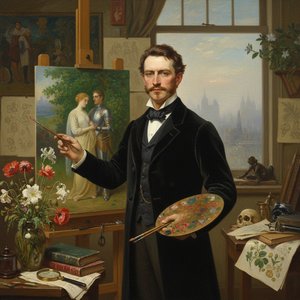
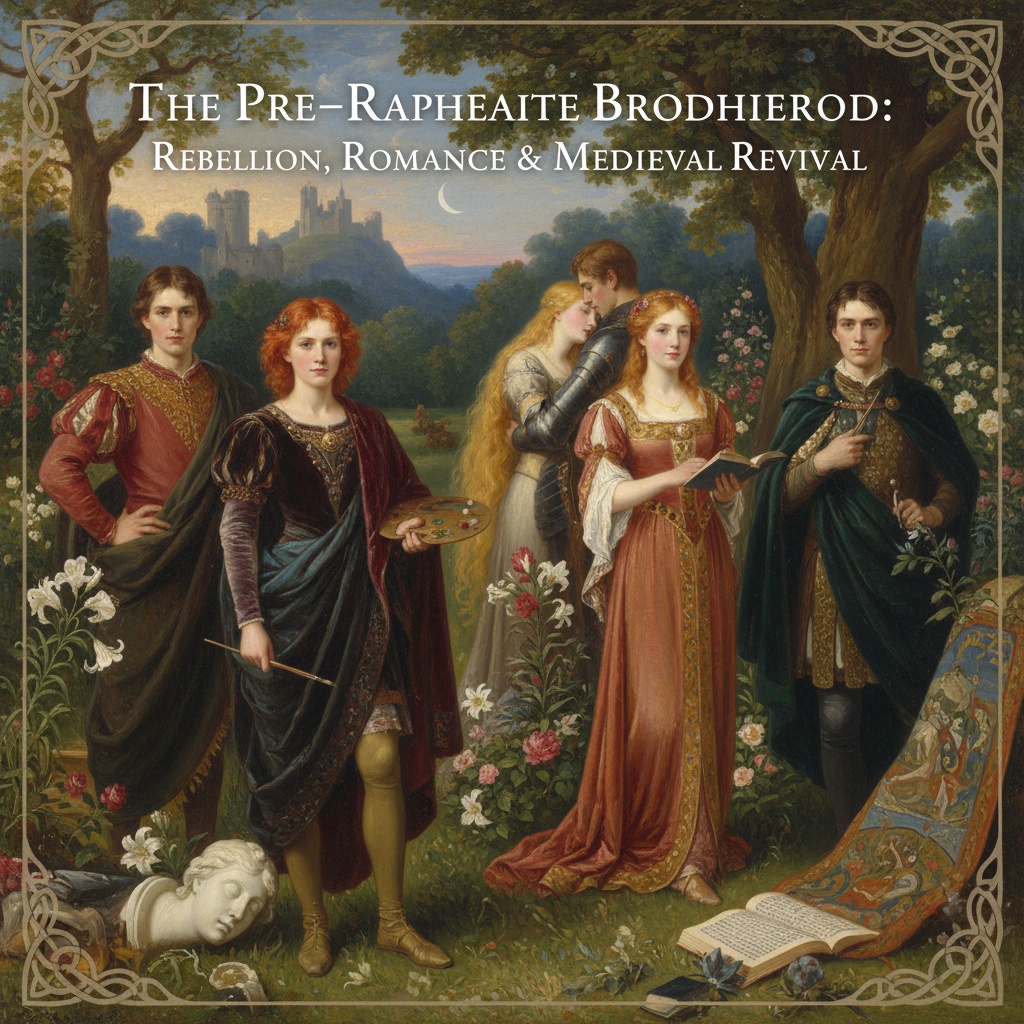
On September 8th, 1848, seven young men—William Holman Hunt, Dante Gabriel Rossetti, John Everett Millais, William Michael Rossetti, James Collinson, Frederic George Stephens, and Thomas Woolner—formed the Pre-Raphaelite Brotherhood (PRB). Their initial aim was deceptively simple: to paint “truthfully” from nature, eschewing conventional studio practices in favor of direct observation. This meant painting outdoors whenever possible, meticulously studying landscapes, flora, and fauna, and striving for an unprecedented level of detail. But the PRB’s ambitions extended beyond mere realism. They sought to imbue their work with a moral seriousness, rejecting what they saw as the superficiality and decadence of contemporary society. Influenced by the writings of John Ruskin, who championed the importance of truth and sincerity in art, they believed that art should be a vehicle for social reform and spiritual awakening. Their palette was bright and vibrant, often employing jewel-like colors to create an almost luminous effect. They were fascinated by medieval literature and mythology, finding inspiration in tales of chivalry, romance, and religious devotion.
Key Figures & Iconic Masterpieces: Rossetti, Millais, and Beyond
Pre-Raphaelite artists, though concerned primarily with historical and literary subjects, eschewed themes of classical mythology, military might, and ...
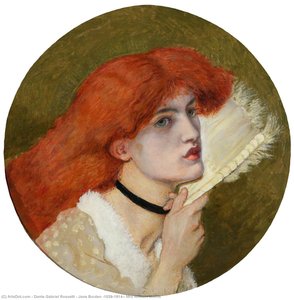
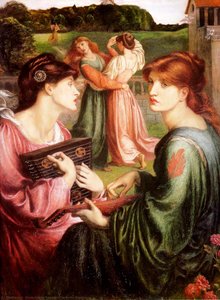
The Brotherhood’s impact was immediate, though not universally welcomed. John Everett Millais's Ophelia (1851-52), depicting the tragic Shakespearean character drowning in a stream, caused a sensation with its meticulous botanical accuracy and haunting realism. William Holman Hunt’s The Awakening Conscience (1853) similarly shocked viewers with its unflinching portrayal of social reality. However, it was Dante Gabriel Rossetti who became arguably the most iconic figure of the movement. His paintings—such as Beatrice Portinari and Proserpine—were characterized by a sensual beauty, rich symbolism, and a fascination with female figures. Rossetti’s influence extended beyond painting; he was also a gifted poet whose verses explored themes of love, loss, and the power of art. Other important Pre-Raphaelite artists included Ford Madox Brown, known for his large-scale historical compositions, and Arthur Hughes, celebrated for his delicate watercolors. The Brotherhood wasn't limited to painters either; figures like William Morris, though primarily a designer and craftsman, embodied the movement’s commitment to beauty and craftsmanship.
Themes of Love, Loss, and Mythology: Exploring the Pre-Raphaelite Imagination
Aestheticism (also known as the aesthetic movement) was an art movement in the late 19th century that valued the appearance of literature, music, fonts, and the arts over their functions. According to Aestheticism, art should be produced to be beauti...
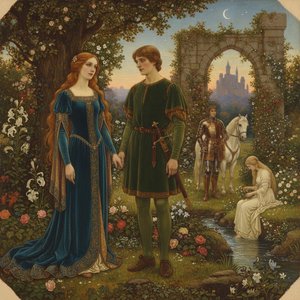
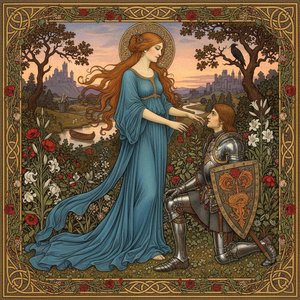
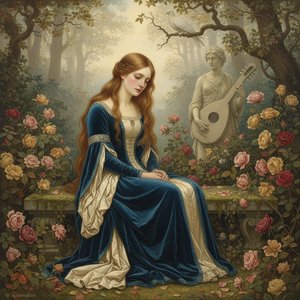
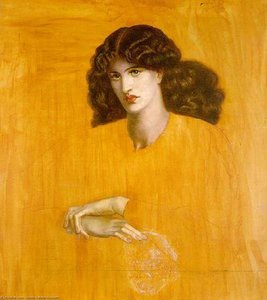
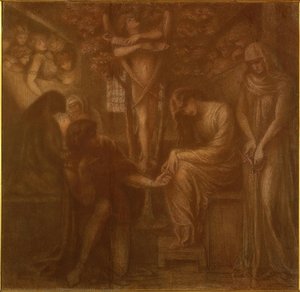
The Pre-Raphaelites were captivated by stories—particularly those steeped in romance, tragedy, and religious allegory. Shakespeare was a constant source of inspiration, providing them with compelling narratives and complex characters. Arthurian legends also held a special appeal, offering opportunities to explore themes of chivalry, courtly love, and the search for the Holy Grail. However, their engagement with these stories wasn’t simply illustrative; they used them as vehicles for expressing their own emotional concerns and philosophical ideas. The Wedding of Saint George and the Princess Sabra by Rossetti exemplifies this approach, blending medieval romance with symbolic imagery to explore themes of faith, sacrifice, and redemption. Love—often idealized, unattainable, or tragically lost—was a recurring motif in Pre-Raphaelite art. The figure of Jane Morris, Rossetti’s muse and wife of William Morris, became the embodiment of this ideal beauty, appearing in numerous paintings as a symbol of both desire and melancholy. Their works often explored the complexities of human relationships, the pain of unrequited love, and the fleeting nature of happiness.
The Brotherhood’s Legacy & Influence on Modern Art Movements
Though the Pre-Raphaelite Brotherhood formally dissolved in 1853, its influence continued to be felt for decades. The movement paved the way for Aestheticism, a late 19th-century art movement that emphasized beauty and artistic expression over moral or social concerns. Artists like Edward Burne-Jones and John William Waterhouse carried on the Pre-Raphaelite tradition, creating works characterized by their lyrical beauty, mythological themes, and meticulous detail. The Brotherhood’s emphasis on direct observation also influenced Impressionism, which similarly sought to capture the fleeting effects of light and atmosphere. Furthermore, the PRB's rejection of academic conventions helped to liberate artists from the constraints of traditional training, encouraging them to explore new forms of expression. Their commitment to craftsmanship and their belief in the power of art as a vehicle for social reform continue to resonate with artists today.
Experiencing the Pre-Raphaelites Today: Museums & Reproductions
The legacy of the Pre-Raphaelite Brotherhood is preserved in museums around the world. The Lady Lever Art Gallery in Port Sunlight, England, boasts an exceptional collection of Victorian paintings, including numerous works by PRB artists. Manchester Art Gallery and Birmingham Museum & Art Gallery also house significant holdings. However, experiencing the beauty of these masterpieces doesn’t require a trip to England. At ArtsDot.com, we are dedicated to making the world's great artworks accessible to everyone. We offer meticulously crafted oil paintings reproductions of iconic Pre-Raphaelite works, allowing you to bring the beauty and romance of Rossetti, Millais, and Hunt into your own home. Whether you’re seeking a stunning reproduction of Ophelia or a custom portrait in the style of your favorite PRB artist, our team of skilled artisans can create a masterpiece that will be treasured for generations. Explore our collection today and discover the enduring appeal of the Pre-Raphaelite Brotherhood.