

 Preview
 Send
Send Share
Share
 Details

 Download
 Similars
 X-Ray
X-Ray Diaporama
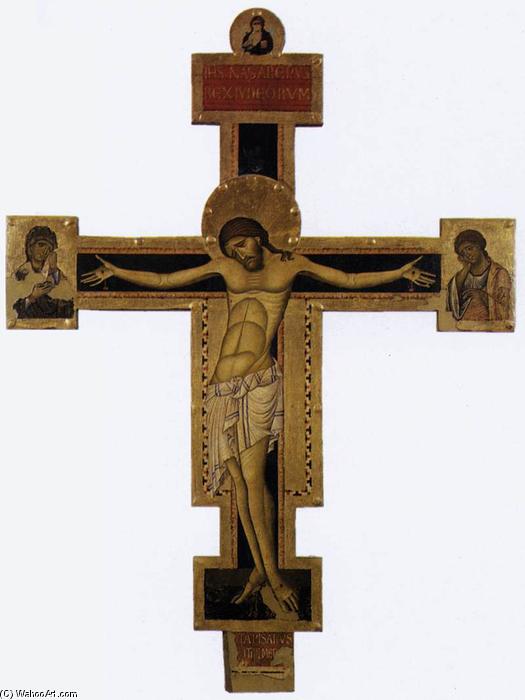
Crucifix


 Read More
Purchase a high-resolution, enhanced digital image, far superior to the online preview.
Each file is meticulously prepared by our in-house specialists using advanced tools and expert manual retouching. We ensure every image has exceptional clarity, precise color accuracy, and fine detail.
The final file is delivered via email within 72 hours, optimized for immediate use in professional, editorial, and print environments. This is the same quality trusted by top-tier design studios, publishers, and galleries.
Digital Image
Download a high-resolution file for personal display, printing, and creative projects. ( Buy Print Buy Hand Made Painting)
Included in Every Digital Image Order
Expert Digital Delivery, Guaranteed
When you choose ArtsDot.com, you're not just getting an image - you're receiving a professionally enhanced digital artwork, crafted with precision and backed by a satisfaction guarantee. Here's everything that comes with your order, automatically:

Fast Email Delivery
Your high-resolution digital image file will be emailed to you within 72 hours of ordering - ready for immediate use.

AI-Enhanced Digital File
Your artwork is professionally optimized using advanced AI tools and manual editing, ensuring maximum detail, clarity, and color accuracy.

Free Lifetime Re-Delivery
Accidentally deleted or lost your file? No worries - we'll resend it to you anytime, free of charge.

No Import Fees - Ever
Enjoy your artwork instantly with zero customs, duties, or delivery fees - digital downloads are always tax-free.

Color Accuracy Guarantee
We ensure your digital image reflects the original colors as closely as possible using professional tools and color management.

60-Day Satisfaction Guarantee
If you're not satisfied with your digital image, we'll revise it or refund 100% within 60 days - no questions asked.

100% Money-Back Guarantee
Not satisfied? Get a full refund within 60 days of receiving your digital file - no questions asked.

Bulk Order Discounts
Buy 3 images, save 10% - Buy 5, save 15% - Buy 10+, save 20%. Great for creative projects, galleries, and agencies.
Related Artworks
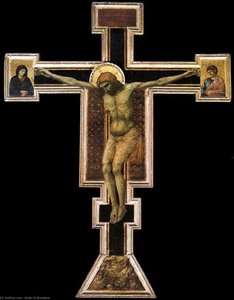
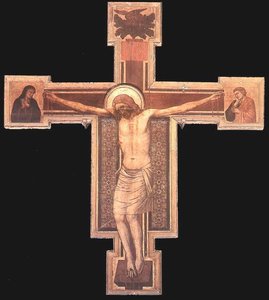
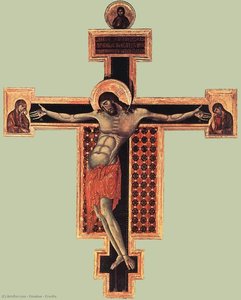
Artist Biography
Giunta Pisano: The Pioneer of Italian Crucifixion
Giunta Pisano, a name often overshadowed by the towering figures of his contemporaries, stands as a pivotal figure in the early development of Italian painting. Born in Pisa around 1190 and tragically dying sometime before 1258 or 1260, Giunta’s legacy rests primarily on his profoundly influential crucifixes – works that dramatically shifted the artistic representation of Christ's suffering and laid the groundwork for subsequent generations of Renaissance artists. While he remains a relatively obscure figure in broader art historical narratives, examining his life and work reveals a remarkably innovative artist who dared to challenge established Byzantine conventions and forge a distinctly Italian path.Pisa during Giunta’s formative years was a vibrant hub of artistic activity, deeply influenced by the remnants of the Roman Empire and increasingly exposed to the wealth and culture of the East through trade routes. The city's strategic location as a major port facilitated contact with Byzantine artists and craftsmen, creating an environment ripe for artistic exchange. Giunta’s early career is shrouded in some mystery; he is believed to have been working by 1202, possibly influenced by Greek art following the Fourth Crusade. He was one of the first Italian painters whose name appears on a work, solidifying his place as a significant contributor to the burgeoning artistic landscape.
The Masterpiece: The Crucifix of San Raniero and Beyond
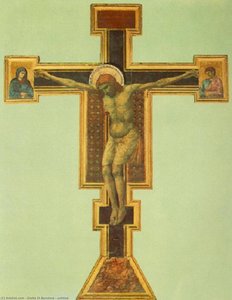
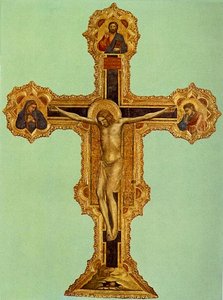
Giunta’s most celebrated works are undoubtedly his crucifixes. The *Crucifix of San Raniero*, housed in the Museo Nazionale di San Matteo in Pisa, exemplifies his groundbreaking approach. Unlike earlier depictions of Christ on the cross, which often presented a serene, almost triumphant image – a “Christus gloriosus” – Giunta depicted a Christ writhing in agony, consumed by physical and emotional suffering. His portrayal was strikingly realistic, emphasizing the wounds, contortions, and vulnerability of the dying figure. This shift towards a "Christus patiens" (suffering Christ) marked a radical departure from Byzantine iconography and established a new standard for representing the crucifixion that would profoundly influence artists like Cimabue and ultimately, Giotto.Technique and Style: A Synthesis of Byzantine and Italian Traditions
Giunta’s style is characterized by a fascinating synthesis of Byzantine and emerging Italian artistic traditions. He inherited the meticulous detail, rich colors, and gold leaf characteristic of Byzantine art, particularly in his use of tempera on wood panels. However, he infused these elements with a distinctly Italian sensibility – a greater emphasis on naturalism, emotional intensity, and a more dynamic composition. His figures possess a remarkable sense of volume and weight, achieved through careful modeling and shading. The *Crucifix of San Raniero* demonstrates this perfectly, showcasing the artist’s ability to convey both physical pain and spiritual anguish with astonishing realism.- Tempera on Wood: Giunta primarily utilized tempera paint applied to wooden panels, a technique common in Italy at the time.
- Byzantine Influence: His early works show clear traces of Byzantine iconography, particularly in the composition and rendering of Christ’s figure.
- Italian Realism: He gradually introduced elements of Italian realism, evident in his attention to anatomical detail and emotional expression.
Giunta's Circle and Lasting Legacy
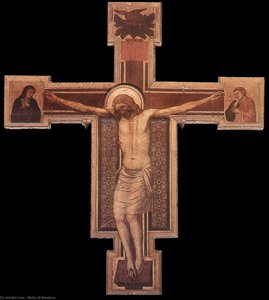
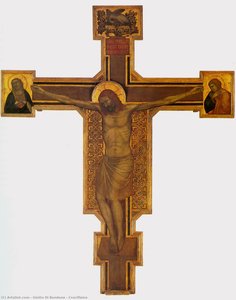
While Giunta Pisano is often considered a solitary figure, evidence suggests he had a circle of followers and assistants. Artists like the Master of the Blue Crucifixes, the Master of the Treasury, and Vicino da Pistoia are believed to have been influenced by his work. His influence extended beyond Pisa, impacting artists in other regions of Italy. Notably, Giunta’s depiction of Christ as a suffering figure paved the way for Cimabue's own groundbreaking crucifixes, which further solidified this new artistic direction. The imposing *Crucifix* in the Basilica of Saint Dominic in Bologna, bearing the inscription “Cuius docta manus me pixit Junta Pisanus” (painted by the learned or skilled hand of Giunta Pisano), stands as a testament to his enduring impact on Italian art – a powerful symbol of the transition from Byzantine tradition to the nascent Renaissance.Giunta Pisano’s contribution to the history of art is often underestimated, but his pioneering work in depicting Christ's suffering represents a crucial turning point. He was not merely a follower of Byzantine conventions; he was an innovator who dared to reshape the visual language of Christian iconography and set the stage for the artistic achievements of subsequent generations.
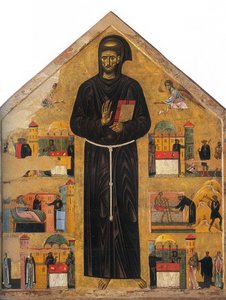
giunta pisano (giunta da pisa)
1190 - 1260 , Italy
Quick Facts
- Artistic Movement Or Style: Renaissance style
- Artists Or Movements Influenced By This Artist:
- Cimabue
- Giotto
- Artists Who Influenced This Artist: ['Byzantine artists']
- Date Of Birth: 1190
- Date Of Death: 1260
- Full Name: Giunta Pisano (Giunta da Pisa)
- Nationality: Italian
- Notable Artworks:
- Crucifix of Pisa
- Crucifix (Bologna)
- Place Of Birth: Pisa, Italy

