

 Preview
 Send
Send Share
Share
 Details

 Download
 Similars
 X-Ray
X-Ray Diaporama
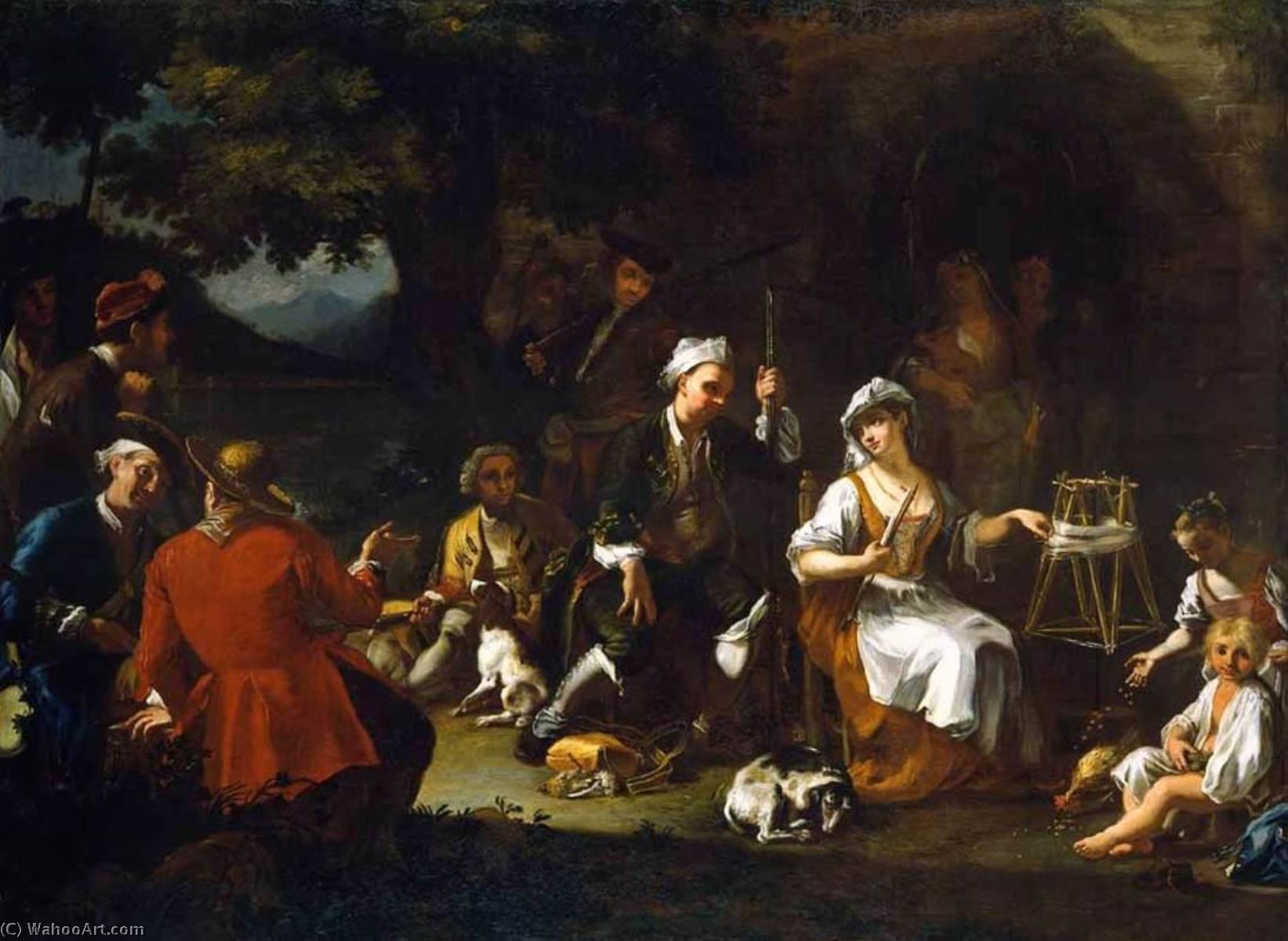
The Repose of the Huntsmen
 1740
1740 167.0 x 234.0 cm
 Read More
Purchase a high-resolution, enhanced digital image, far superior to the online preview.
Each file is meticulously prepared by our in-house specialists using advanced tools and expert manual retouching. We ensure every image has exceptional clarity, precise color accuracy, and fine detail.
The final file is delivered via email within 72 hours, optimized for immediate use in professional, editorial, and print environments. This is the same quality trusted by top-tier design studios, publishers, and galleries.
Digital Image
Download a high-resolution file for personal display, printing, and creative projects. ( Buy Print Buy Hand Made Painting)
Included in Every Digital Image Order
Expert Digital Delivery, Guaranteed
When you choose ArtsDot.com, you're not just getting an image - you're receiving a professionally enhanced digital artwork, crafted with precision and backed by a satisfaction guarantee. Here's everything that comes with your order, automatically:

Fast Email Delivery
Your high-resolution digital image file will be emailed to you within 72 hours of ordering - ready for immediate use.

AI-Enhanced Digital File
Your artwork is professionally optimized using advanced AI tools and manual editing, ensuring maximum detail, clarity, and color accuracy.

Free Lifetime Re-Delivery
Accidentally deleted or lost your file? No worries - we'll resend it to you anytime, free of charge.

No Import Fees - Ever
Enjoy your artwork instantly with zero customs, duties, or delivery fees - digital downloads are always tax-free.

Color Accuracy Guarantee
We ensure your digital image reflects the original colors as closely as possible using professional tools and color management.

60-Day Satisfaction Guarantee
If you're not satisfied with your digital image, we'll revise it or refund 100% within 60 days - no questions asked.

100% Money-Back Guarantee
Not satisfied? Get a full refund within 60 days of receiving your digital file - no questions asked.

Bulk Order Discounts
Buy 3 images, save 10% - Buy 5, save 15% - Buy 10+, save 20%. Great for creative projects, galleries, and agencies.
Related Artworks






Artist Biography
The Neapolitan Visionary: The Life and Art of Giuseppe Bonito
In the sun-drenched, vibrant landscape of eighteenth-century Naples, few artists captured the rhythmic pulse of urban life and the theatrical splendor of the era as intimately as Giuseppe Bonito. Born in 1707 in Castellammare di Stabia, Bonito emerged from a period of profound artistic transition, where the dramatic weight of the Baroque was beginning to soften into the playful elegance of the Rococo. His journey was shaped by the prestigious studio of Francesco Solimena, the titan of Neapolitan painting, whose influence provided Bonito with a rigorous foundation in composition and light. Within this creative crucible, Bonito developed a unique sensibility, moving beyond mere academic imitation to embrace a style that celebrated the textures of everyday existence and the whimsical charm of local folklore.
Bonito’s artistic development was marked by an extraordinary ability to blend high-court sophistication with the spirited energy of the streets. While he possessed the technical mastery required for grand religious commissions—such as his ambitious altarpieces for the Caserta Royal Palace—he found his true voice in the genre scene. He became a master of capturing the commedia dell’arte, populating his canvases with the iconic, masked figures of Italian theater. Through these characters, Bonito did more than just paint actors; he wove a narrative of Neapolitan identity, using theatricality to mirror the social complexities and cultural richness of his homeland. His work often serves as a window into a lost world, where the boundaries between performance and reality were beautifully blurred.
Royal Patronage and the Elegance of the Rococo
The ascent of Giuseppe Bonito was significantly propelled by the prestigious patronage of the Bourbon monarchs, who ruled over Naples and Spain. His talent for capturing both dignity and grace earned him a position as a court painter for Maria Amalia of Saxony between 1736 and 1742. During this period, his brushwork reflected the refined tastes of the Habsburg-Bourbon court, producing portraits that exuded an air of aristocratic sophistication. Yet, even amidst the splendor of royal palaces, Bonito never lost his connection to the common human experience. This duality is perhaps most evident in his celebrated works like The Music Lesson, where the intimacy of a private moment is elevated through masterful use of light and color.
In these genre paintings, Bonito utilized several key techniques to engage the viewer's emotions:
- Chiaroscuro and Light: He employed soft, warm lighting to create an atmosphere of intimacy, drawing the eye toward the delicate details of instruments and textiles.
- Narrative Detail: His canvases are rich with symbolic elements, from the intricate carvings of a harpsichord to the expressive gestures of figures engaged in courtship or storytelling.
- Color Palette: A sophisticated use of warm tones allowed him to evoke the heat and vitality of the Neapolitan climate, making his scenes feel lived-in and authentic.
Legacy and Historical Significance
The historical significance of Giuseppe Bonito lies in his role as a chronicler of the Neapolitan spirit. While much of the art history canon focuses on the monumental religious works of the Baroque, Bonito’s contribution to genre painting offers a vital, humanistic counterpoint. He captured the transition of an era, documenting the shift from the solemnity of the previous century to the lightheartedness and social fluidity of the Rococo. His ability to navigate between the grand scale of royal commissions and the subtle nuances of street life makes his oeuvre a comprehensive visual record of eighteenth-century Campania.
Though some of his works were historically subject to attribution disputes—often being confused with those of his contemporary, Gaspare Traversi—modern scholarship has helped to reclaim Bonito’s distinct identity. He remains a pivotal figure whose work continues to enchant collectors and historians alike, offering a profound glimpse into the heart of Naples. His legacy is not merely found in the museums that house his canvases, but in the enduring way he captured the eternal dance between the theatrical and the real.
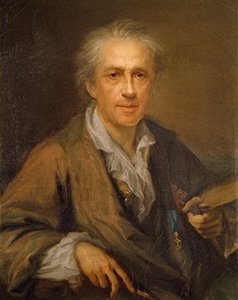
Giuseppe Bonito
1707 - 1789
Quick Facts
- Artistic Movement Or Style: Rococo
- Artists Or Movements Influenced By This Artist: ["Commedia dell'arte"]
- Artists Who Influenced This Artist: ['Francesco Solimena']
- Date Of Birth: 1707
- Date Of Death: 1789
- Full Name: Giuseppe Bonito
- Nationality: Italian
- Notable Artworks:
- The Music Lesson
- The Poet
- Immaculate Conception
- Place Of Birth: Castellammare di Stabia, Italy

