 Preview
 Send
Send Share
Share
 Details

 Download
 Similars
 X-Ray
X-Ray Diaporama
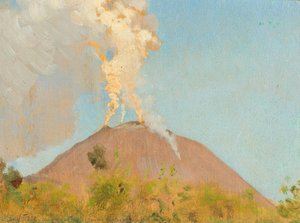
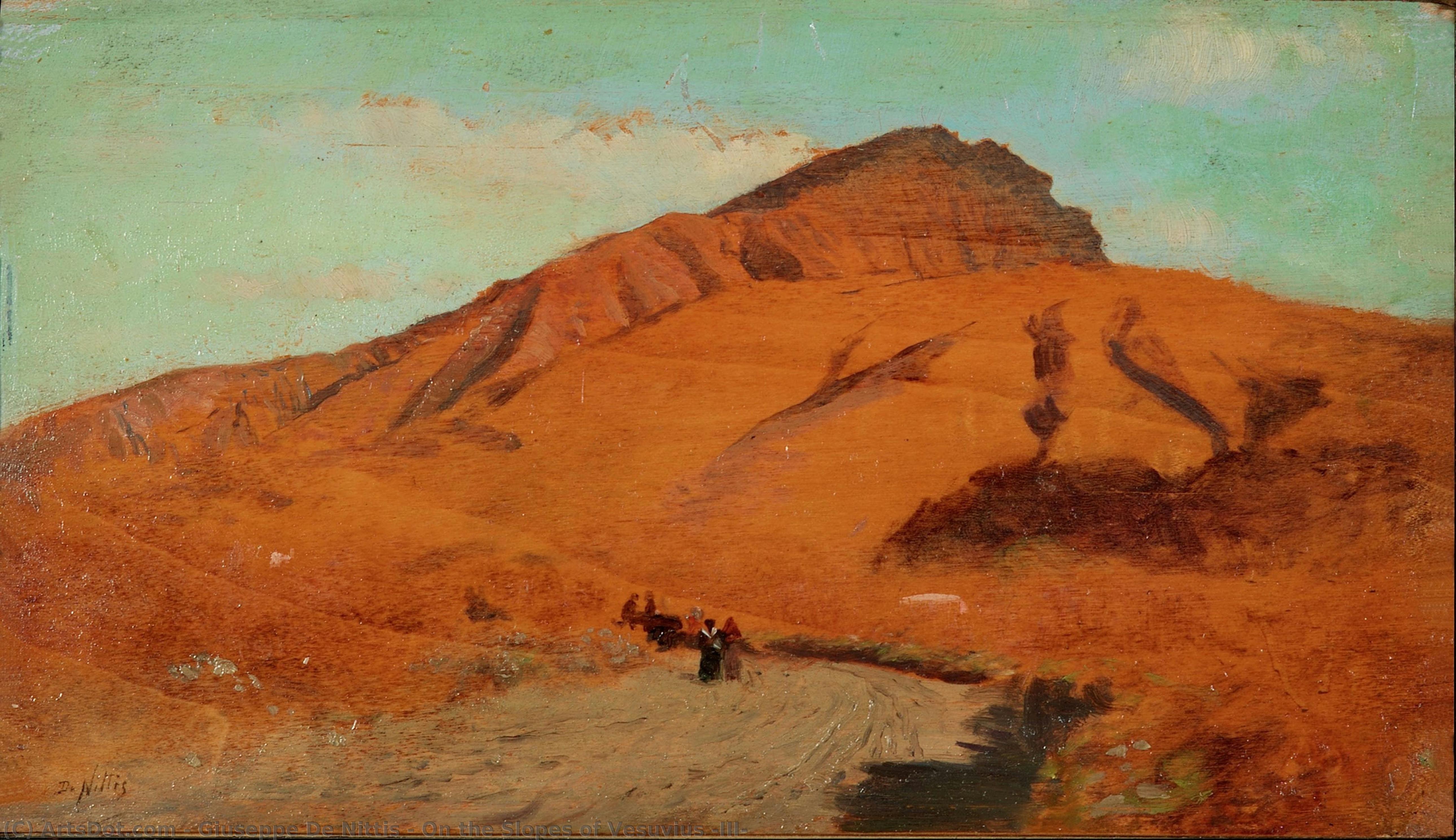
On the Slopes of Vesuvius (III)
 Acrylic On Canvas
- WallArt
- Impressionist Landscape
 1872
1872 17.0 x 31.0 cm
 Musée des impressionnismes Giverny
 Read More
Giclée / Art Print
Museum-quality giclée or canvas print with fast production and flexible finish options. ( Buy Hand Made Painting Buy Image)




P118B $10

P118H $10

P118W $10

P438Z $10

P508JH $12

P508YH $12

P805H $10

P805Z $10

P919BZ $10

P919G $10

P919XJ $10

P959ZH $10

P968JZ $12

W106C $8

W218G $10

W218JH $8

W218Y $10

W307PJ $10

W316G $10

W316PJ $8

W316Y $10

W398PJ $8

W4111J $10

W500HY $15

W500JH $15

W692G $12

W849H $8

W940BG $15

W953PJ $8




Pick from our preset sizes that match the artwork's original proportions.

You may enter your own dimensions to fit a specific frame or space. If your selected size does not match the original image's proportions, we will either crop the artwork or extend the image with a mirrored or solid-fill edge. A digital mockup will be sent for your approval before production begins.
Please note that the on-screen preview does not reflect the actual cropping or extension. Only the mockup will accurately show the final composition.
While custom sizes are available, we recommend selecting a dimension from the predefined list to preserve the original proportions.
Worldwide Delivery () in 2 weeks instead of standard 4/5 weeks. (23 August)

Free Worldwide Express Shipping

High-Quality Linen Canvas

Full Shipping Insurance

Customs Tax Refund Guarantee

True Color Matching Guarantee

60-Day Return Policy (Defects Only)

100% Money-Back Guarantee

Bulk Discount Offer
 Glass option is only available in size under 110 CM

On the Slopes of Vesuvius (III)
Giclée / Art Print
Reproduction Size
-


Total Price
$ 63
Collectible Description
On the Slopes of Vesuvius (III) - Giuseppe De Nittis
Giuseppe De Nittis stands as an undeniable cornerstone of Italian art history, recognized not merely for his prolific output but for his singular ability to synthesize the formal rigor of academic salon painting with the vibrant spontaneity championed by Impressionism. Born in Barletta, Puglia, on February 25, 1846, De Nittis’s artistic journey commenced under the tutelage of Giovanni Battista Calò before a controversial expulsion from Naples’ Instituto di Belle Arti for insubordination irrevocably altered his trajectory—a setback that fueled an unwavering determination to hone his craft and explore innovative approaches to capturing the essence of the natural world. This early dismissal served as catalyst, propelling him toward a path marked by artistic experimentation and profound engagement with the burgeoning Impressionist movement.The Macchiaioli Movement and Florentine Influences
De Nittis’ formative years coincided with the emergence of the Macchiaioli – a revolutionary group of artists who vehemently rejected meticulous detail in favor of bold, expressive brushstrokes and an uncompromising commitment to portraying nature as it appeared directly before their eyes. Embracing this stylistic paradigm—a deliberate departure from prevailing artistic conventions—De Nittis found kinship with fellow Florentine painters like Telemaco Signorini and Federico Zandomeneghi, forging connections that would profoundly shape his artistic vision. The Macchiaioli’s ethos of *plein air* painting – working outdoors directly from observation – instilled in De Nittis a deep appreciation for the ephemeral qualities of light and color—a fascination that would permeate his oeuvre throughout his career. This influence is particularly evident in his landscapes, where he skillfully captures fleeting atmospheric conditions with rapid, energetic brushwork, prioritizing emotional resonance over photographic accuracy.Parisian Years: Recognition and Impressionist Engagement
Seeking artistic validation and immersing himself in the intellectual ferment of Parisian society, De Nittis relocated to France in 1867—a pivotal moment that cemented his affiliation with the influential art dealer Adolphe Goupil. Recognizing the commercial potential of genre paintings—scenes depicting everyday life—De Nittis diligently pursued commissions, establishing a reputation for capturing nuanced psychological portraits and evocative depictions of urban environments. His arrival coincided with the burgeoning Impressionist movement, spearheaded by luminaries like Edgar Degas and Claude Monet, and he quickly befriended fellow expatriate Italian artists residing in Paris—a network that fostered artistic exchange and propelled him toward critical acclaim. Notably, De Nittis’s participation in the inaugural Impressionist Exhibition of 1874—organized by Degas—marked a watershed moment, securing his place among the movement's vanguard and establishing him as a champion of Impressionistic aesthetics.Return to Italy: Vesuvius Landscapes and Continued Success
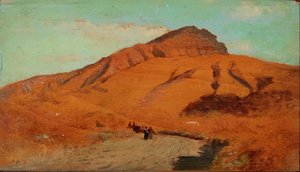
Returning to his native Barletta in 1872, De Nittis liberated himself from contractual obligations imposed by Goupil—a decision that afforded him unparalleled freedom to pursue his artistic inclinations without constraint. Sensing the transformative power of direct observation—a cornerstone of Impressionist practice—he embarked on a series of expeditions to Vesuvius, documenting the volcano’s dramatic eruptions with meticulous detail and capturing its evolving landscapes with breathtaking vibrancy. These paintings—characterized by their masterful use of color and light—represent De Nittis's most ambitious artistic endeavors, embodying his unwavering devotion to *plein air* painting and cementing his legacy as one of Italy’s foremost Impressionist painters. The eruption of April 26, 1872 served as an inspiration for De Nittis, who produced a remarkable body of studies that exemplify the movement's commitment to capturing transient visual phenomena—a testament to his artistic genius and enduring influence on subsequent generations of artists.Legacy and Influence on Later Artists
Giuseppe De Nittis’s impact extends far beyond his own lifetime, resonating throughout the annals of Italian art history and shaping the aesthetic sensibilities of countless artists who followed in his footsteps. His pioneering embrace of Impressionistic techniques—characterized by loose brushwork, vibrant color palettes, and a preoccupation with capturing atmospheric effects—established him as an innovator whose vision transcended stylistic boundaries. De Nittis’s unwavering commitment to *plein air* painting—a practice championed by luminaries like Gustave Caillebotte and Frederic Bazille—inspired artists across Europe to prioritize direct observation over studio replication—a paradigm shift that fundamentally altered the trajectory of artistic expression. His paintings continue to captivate audiences today, serving as enduring emblems of Impressionistic beauty and embodying De Nittis’s indelible contribution to the canon of Italian art.Related Artworks
Artist Biography
The Luminescent Legacy of Giuseppe De Nittis
Giuseppe De Nittis stands as a pivotal figure in the tapestry of nineteenth-century art, a master whose brush possessed the rare ability to bridge the formal elegance of the academic Salon with the fleeting, vibrant spontaneity of Impressionism. Born on February 25, 1846, in the coastal city of Barletta, Italy, De Nittis was raised in an environment of burgeoning cultural wealth. His early artistic path was shaped by the rigorous tutelage of Giovanni Battista Calò, yet his spirit was far too restless for the confines of traditionalism. A notable moment of rebellion—his controversial expulsion from Naples’ Instituto di Belle Arti due to insubordination—served not as an end, but as a transformative catalyst. This early friction with authority ignited a lifelong determination to explore the boundaries of light and atmosphere, pushing him toward the revolutionary currents of his era.
Before conquering the streets of Paris, De Nittis found himself deeply immersed in the Macchiaioli movement. This group of Italian innovators sought to reject meticulous, photographic detail in favor of bold, expressive patches of color and light. Through his connections with luminaries such as Telemaco Signorini and Serganfibro de Tivoli, he honed a technique that prioritized the emotional weight of a scene over mere anatomical precision. His early participation in Florentine exhibitions cemented his reputation within the Italian avant-garde, establishing a foundation of stylistic courage that would later allow him to navigate the complex social and artistic hierarchies of France with unparalleled grace.
A Parisian Odyssey: Light, Life, and the Impressionist Circle
In 1867, De Nittis embarked on a journey that would redefine his destiny, relocating to Paris. This move was both a professional triumph and a strategic masterstroke; by securing a contract with the influential art dealer Adolphe Goupil, he gained access to the most sophisticated art market in the world. As he navigated the bustling boulevards of the French capital, De Nittis became more than just a spectator of modern life—he became its chronicler. His work began to capture the rhythmic pulse of an economically booming city, utilizing plein air techniques to document the rain-slicked streets and the sophisticated elegance of Parisian society.
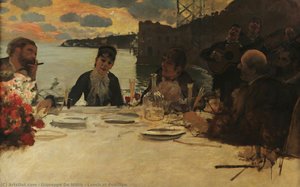
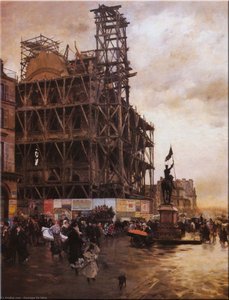
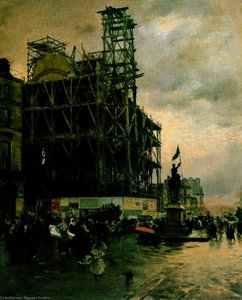
The artist’s social and professional orbit brought him into intimate contact with the giants of Impressionism. His friendships with Edgar Degas and Édouard Manet were not merely social, but deeply symbiotic, influencing his approach to composition and subject matter. While his Salon debut earned him widespread acclaim for his technical skill, it was his ability to infuse urban scenes with a sense of atmospheric movement that truly set him apart. Whether depicting the electric energy of The Place des Pyramides or the sun-drenched leisure of Lunch at Posillipo, De Nittis possessed an uncanny knack for capturing the ephemeral—the way light dances on a wet pavement or how shadows stretch across a crowded garden.
Mastery of Atmosphere and Enduring Significance
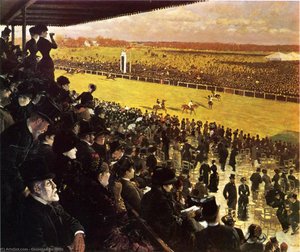
The breadth of De Nittis’ oeuvre reveals an artist of profound versatility. He was equally at home painting the dramatic, volcanic majesty of his native landscapes as he was capturing the high-society glamour of French horse racing. His Twelve Studies of Vesuvius remain breathtaking testaments to his ability to manipulate color and light to evoke the raw power of nature, while his depictions of the Races at Longchamps showcase his mastery of movement and social spectacle. Through his use of both oil and delicate pastels, he explored a spectrum of textures that allowed him to render everything from the heavy atmosphere of a storm to the soft, fleeting glow of a sunset.
Though his life was tragically short, ending in 1884, the historical significance of Giuseppe De Nittis remains undiminished. He acted as a vital cultural conduit, translating the revolutionary spirit of Italian landscape painting into the sophisticated language of French Impressionism. His work serves as a window into a vanished era of elegance and transformation, reminding us that true artistry lies in the ability to find the eternal within the momentary. Today, his legacy continues to inspire, standing as a testament to a life spent chasing the light.
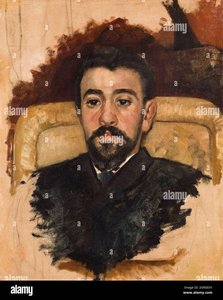
Giuseppe De Nittis
1846 - 1884 , Italy
Quick Facts
- Artistic Movement Or Style: Salon art & Impressionism
- Artists Or Movements Influenced By This Artist:
- Impressionism
- Macchiaioli
- Artists Who Influenced This Artist:
- Telemaco Signorini
- Giovanni Boldini
- Date Of Birth: February 25, 1846
- Date Of Death: August 21, 1884
- Full Name: Giuseppe De Nittis
- Nationality: Italian
- Notable Artworks:
- Races at Auteuil
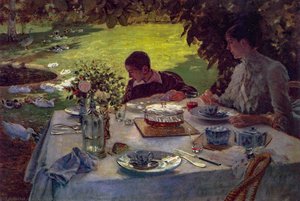
- Breakfast in the Garden
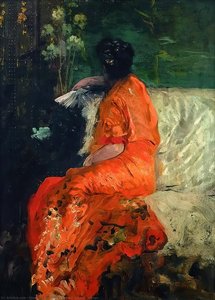
- Nude with Red Stockings
- Place Of Birth: Barletta, Italy
Related Articles

Goya's Masterpieces: Explore 25 Iconic Paintings & Art Prints | ArtsDot
Delve into the world of Francisco Goya with ArtsDot. Explore 25 iconic paintings – from 'The Third of May' to his haunting Black Paintings. Discover the stories, techniques & emotions behind these Spanish masterpieces. Find museum-quality art reproductions for your home at ArtsDot.com!

About Us
Discover our story! We bring world-class art into your life through expert curation, personalized creations, and free previews. Trusted by individuals and businesses since 2000.
Philip de László: A Portrait of Aristocratic Society & the Cosmopolitan Painter's Evolution
Explore the life & art of Philip de László, master portraitist of European aristocracy. Discover his stunning paintings, royal commissions, and enduring legacy. A guide for discerning collectors.
Wilhelmus de Zwart: Capturing Dutch Life Through the Lens of Realism & Impressionism
Explore the captivating world of Wilhelmus de Zwart, a Dutch master bridging Realism & Impressionism. Discover his landscapes, cityscapes, and unique technique – a compelling study for art enthusiasts and collectors.

Cézanne's Masterpieces: 25 Iconic Artworks to Transform Your Space
Journey through 25 iconic artworks by Paul Cézanne – a master of Impressionism and Post-Impressionism. Explore his landscapes, still lifes, and the stories behind these timeless masterpieces. Discover museum-quality reproductions & curated decor at ArtsDot.com.