

 Preview
 Send
Send Share
Share
 Details

 Download
 Similars
 X-Ray
X-Ray Diaporama
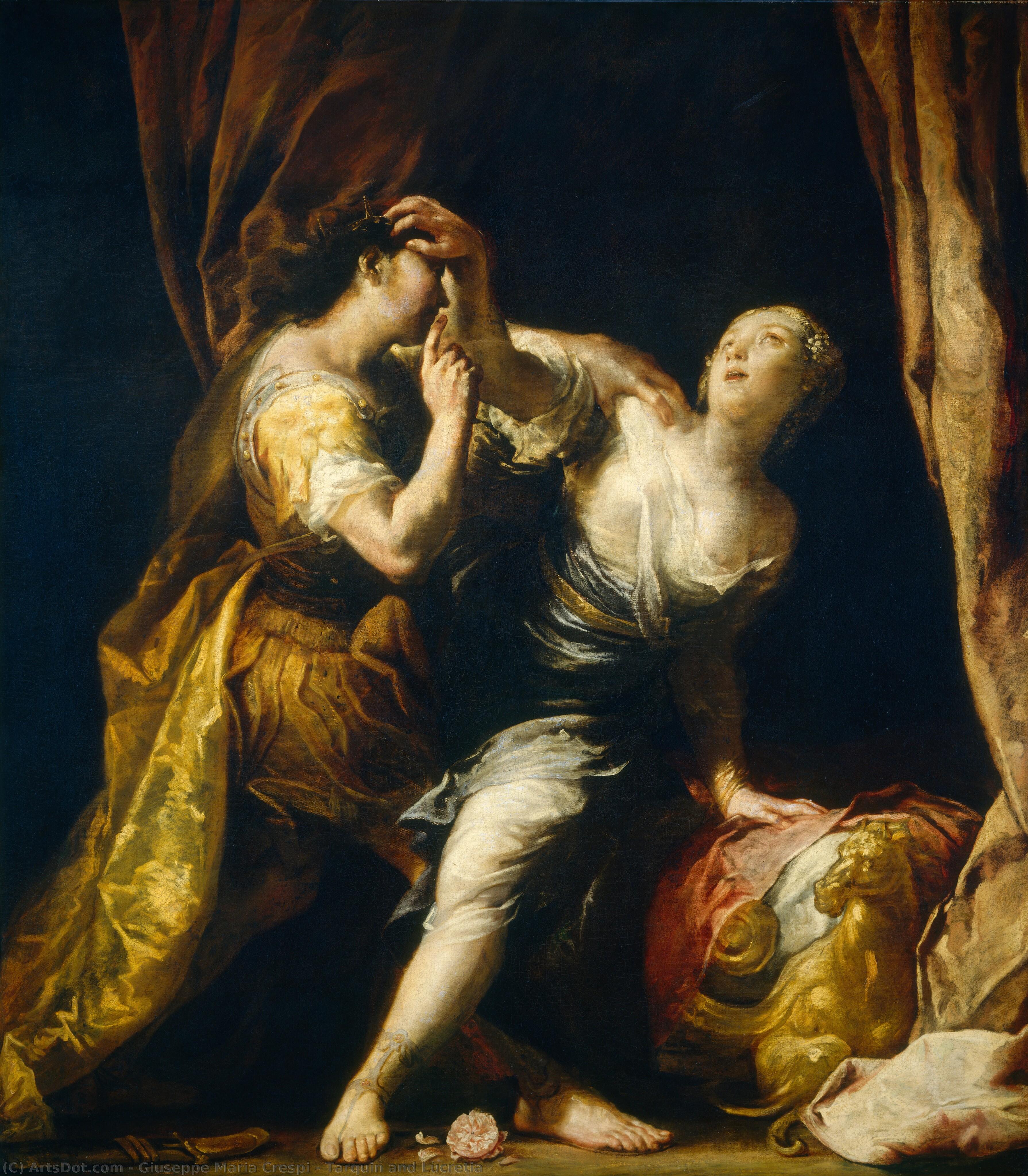
Tarquin and Lucretia
 Oil On Canvas
- WallArt
- Baroque
 1700
1700- Early Modern
 223.0 x 202.0 cm
 Read More
Purchase a high-resolution, enhanced digital image, far superior to the online preview.
Each file is meticulously prepared by our in-house specialists using advanced tools and expert manual retouching. We ensure every image has exceptional clarity, precise color accuracy, and fine detail.
The final file is delivered via email within 72 hours, optimized for immediate use in professional, editorial, and print environments. This is the same quality trusted by top-tier design studios, publishers, and galleries.
Digital Image
Download a high-resolution file for personal display, printing, and creative projects. ( Buy Print Buy Hand Made Painting)
Included in Every Digital Image Order
Expert Digital Delivery, Guaranteed
When you choose ArtsDot.com, you're not just getting an image - you're receiving a professionally enhanced digital artwork, crafted with precision and backed by a satisfaction guarantee. Here's everything that comes with your order, automatically:

Fast Email Delivery
Your high-resolution digital image file will be emailed to you within 72 hours of ordering - ready for immediate use.

AI-Enhanced Digital File
Your artwork is professionally optimized using advanced AI tools and manual editing, ensuring maximum detail, clarity, and color accuracy.

Free Lifetime Re-Delivery
Accidentally deleted or lost your file? No worries - we'll resend it to you anytime, free of charge.

No Import Fees - Ever
Enjoy your artwork instantly with zero customs, duties, or delivery fees - digital downloads are always tax-free.

Color Accuracy Guarantee
We ensure your digital image reflects the original colors as closely as possible using professional tools and color management.

60-Day Satisfaction Guarantee
If you're not satisfied with your digital image, we'll revise it or refund 100% within 60 days - no questions asked.

100% Money-Back Guarantee
Not satisfied? Get a full refund within 60 days of receiving your digital file - no questions asked.

Bulk Order Discounts
Buy 3 images, save 10% - Buy 5, save 15% - Buy 10+, save 20%. Great for creative projects, galleries, and agencies.
Collectible Description
A Dramatic Encounter in Shadow and Light
In the heart of the Italian Baroque era, Giuseppe Maria Crespi captured a moment of profound tension and visceral emotion in his masterpiece, Tarquin and Lucretia. This vertical oil painting presents a scene of harrowing struggle, where the boundaries between violence and vulnerability are blurred by the masterful application of light. The composition centers on a desperate confrontation: a man, clad in a silver breastplate and a golden-yellow cape, exerts his force upon a woman as he attempts to push her back onto a luxurious, canopied bed. The atmosphere is thick with drama, driven by a stark, directional light source from the left that illuminates the pale skin of the figures while plunging the background into an impenetrable, velvety darkness. This technique, reminiscent of the chiaroscuro tradition, focuses the viewer's gaze entirely on the physical and emotional upheaval occurring within the frame.
The artistry of Crespi is evident in the intricate details that breathe life into this historical narrative. As the man strides forward, his right index finger is pressed to his lips in a silent, menacing command, even as his leg forces its way between the woman's. In response, Lucretia’s body twists in a desperate attempt to escape, her slate-blue gown torn at the neckline to reveal the vulnerability of her form. Her hands reach upward, grasping at the man's golden crown, a gesture that signifies both resistance and the frantic nature of her struggle. Every element, from the lion’s face embroidered on his sleeve to the delicate flower petals scattered near a discarded sword, serves to heighten the sensory experience of the painting, inviting the observer to feel the weight of the moment.
Symbolism and the Baroque Spirit
Beyond the immediate physical struggle, Tarquin and Lucretia is rich with symbolic layers that resonate with the themes of honor, tragedy, and divine intervention. The presence of the gilded, carved horse on the bedstead and the opulent copper-brown curtains suggest a setting of high status, making the violation of Lucretia’s sanctity all the more profound. The partially unsheathed sword lying on the floor acts as a grim foreshadowing of the violence that often follows such breaches of honor in classical lore. Crespi utilizes organic shapes—the flowing drapery and the rounded contours of the figures—to create a sense of movement that feels almost cinematic, pulling the viewer into the unfolding tragedy.
For the discerning collector or interior designer, this artwork offers more than mere decoration; it provides a focal point of intense intellectual and emotional engagement. The warm palette of golds, reds, and browns, contrasted against deep shadows, lends a sophisticated depth to any space, making it an ideal centerpiece for a gallery-style room or a study dedicated to classical history. The meticulous brushwork and the use of impasto to create texture on the fabrics and skin tones ensure that a high-quality reproduction retains the luminous, tactile quality of the original. Owning a piece of this caliber is an invitation to contemplate the enduring power of Baroque storytelling and the timeless human struggle between strength and grace.
Related Artworks
Artist Biography
A Bolognese Original: The Life and Art of Giuseppe Maria Crespi
Giuseppe Maria Crespi, affectionately known as “Lo Spagnuolo” – the Spaniard – was a captivating anomaly within the Italian Baroque landscape. Born in Bologna in 1665, his nickname stemmed not from ancestry but from a penchant for the tightly fitted clothing fashionable in Spain at the time, a sartorial choice that hinted at the independent spirit simmering beneath the surface of this remarkable artist. Crespi’s journey began with a traditional apprenticeship, first under Angelo Michele Toni and then Domenico Maria Canuti, absorbing the foundational techniques of Bolognese painting. However, he resisted the pull of Rome when invited by Carlo Maratti, choosing instead to forge his own path, one that would ultimately redefine genre painting and offer a strikingly intimate glimpse into everyday life.Breaking with Tradition: A New Vision Emerges
Crespi’s artistic output was remarkably diverse, encompassing religious paintings, portraits, and etchings inspired by masters like Rembrandt and Salvator Rosa. Yet, it is for his genre scenes – depictions of ordinary people engaged in commonplace activities – that he is most celebrated today. This focus represented a significant departure from the prevailing academic traditions which favored historical or mythological subjects. He wasn’t interested in grand narratives or idealized forms; instead, Crespi turned his attention to the lives unfolding around him—women washing dishes, families sharing meals, children at play. These weren't merely representations of daily life but imbued with a psychological depth and realism previously unseen. His style was characterized by a deliberate restraint in color and brushwork, employing a limited palette with judicious skill, though some critics noted a lack of robust physicality in his application. This subtlety, however, served to heighten the emotional impact of his scenes, drawing viewers into the quiet dramas of domestic existence.The Seven Sacraments and Lasting Influence
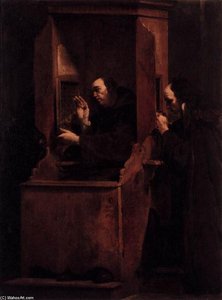
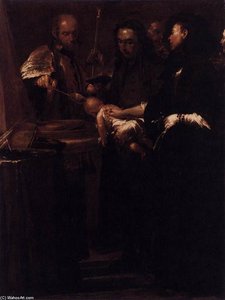
While his genre paintings secured his lasting fame, Crespi’s broader artistic achievements shouldn't be overlooked. A pivotal work is *The Seven Sacraments*, a series of canvases painted around 1712 for Cardinal Ottoboni. This ambitious project demonstrated Crespi’s ability to tackle complex religious themes with an innovative approach. Rather than depicting biblical events in a distant, historical setting, he placed them within the context of his own time, featuring contemporary figures and locales. The result was a series that felt both deeply spiritual and profoundly human. His influence extended beyond Italy; he mentored artists like Giovanni Battista Piazzetta and Pietro Longhi, who carried forward his commitment to realism and genre painting in Venice. Though he became increasingly reclusive later in life, dedicating himself primarily to religious works after the death of his wife in 1722, Crespi’s legacy as a groundbreaking artist remained secure. He was even granted a knighthood by Pope Benedict XIV in 1740, a testament to his artistic standing and cultural significance.A Legacy of Realism and Intimacy
Giuseppe Maria Crespi died in Bologna in 1747, leaving behind a body of work that continues to resonate with viewers today. He was a master observer of human nature, capable of capturing the subtle nuances of emotion and experience with remarkable sensitivity. His paintings are not merely historical artifacts; they are windows into the lives of ordinary people, offering a timeless glimpse into the universal themes of love, loss, faith, and everyday existence. Lo Spagnuolo's contribution to Italian art lies in his ability to elevate the mundane to the level of artistic significance, proving that beauty and meaning can be found not only in grand narratives but also in the quiet moments of daily life. His work remains a powerful reminder of the enduring human capacity for resilience, connection, and grace.Exploring Crespi’s World Today
Fortunately, opportunities to experience Crespi's artistry firsthand are plentiful. His works can be found in prominent museums such as the Gemäldegalerie Alte Meister in Dresden, which houses *The Seven Sacraments*, and the Museo dell'Opera di Santa Croce in Florence. Numerous reproductions of his paintings are available, allowing art enthusiasts to bring a piece of this Bolognese master’s vision into their own homes. Resources like ArtsDot.com and ArtsDot.com offer high-quality hand-painted reproductions, ensuring that Crespi’s legacy continues to inspire and captivate audiences for generations to come. Further research can be found on Wikipedia and Britannica providing detailed accounts of his life and artistic development.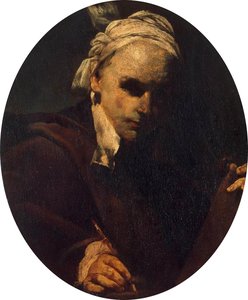
Giuseppe Maria Crespi
1665 - 1747 , Italy
Quick Facts
- Artistic Movement Or Style: Late Baroque
- Artists Or Movements Influenced By This Artist:
- Pietro Longhi
- G. B. Piazzetta
- Artists Who Influenced This Artist:
- Angelo Michele Toni
- Domenico Maria Canuti
- Date Of Birth: March 14, 1665
- Date Of Death: July 16, 1747
- Full Name: Giuseppe Maria Crespi
- Nationality: Italian
- Notable Artworks:
- Seven Sacraments
- Santa Maria Maddalena penitente
- Confession
- Woman Washing Dishes
- Place Of Birth: Bologna, Italy

