 Preview
 Send
Send Share
Share
 Details

 Download
 Similars
 X-Ray
X-Ray Diaporama
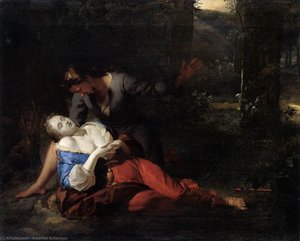
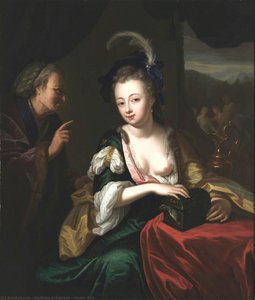
Cephalus and Procris
 Oil On Canvas
- WallArt
- Dutch Golden Age
 1680
1680 65.0 x 80.0 cm
 Metropolitan Museum of Art
 Read More
Hand Made Oil Reproduction
Hand-painted oil on canvas in your size and frame, made to order by our artists. ( Buy Print Buy Image)




P118B $10

P118H $10

P118W $10

P438Z $10

P508JH $12

P508YH $12

P805H $10

P805Z $10

P919BZ $10

P919G $10

P919XJ $10

P959ZH $10

P968JZ $12

W106C $8

W218G $10

W218JH $8

W218Y $10

W307PJ $10

W316G $10

W316PJ $8

W316Y $10

W398PJ $8

W4111J $10

W500HY $15

W500JH $15

W692G $12

W849H $8

W940BG $15

W953PJ $8




Pick from our preset sizes that match the artwork's original proportions.

You may enter your own dimensions to fit a specific frame or space. If your selected size does not match the original image's proportions, we will either crop the artwork or extend the painting with additional hand-painted elements. A digital mockup will be sent for your approval before production begins.
Please note that the on-screen preview does not reflect the actual cropping or extension. Only the mockup will accurately show the final composition.
While custom sizes are available, we recommend selecting a dimension from the predefined list to preserve the original proportions.
After order, ArtsDot.com team will email client for instructions and provide a mockup preview
Worldwide Delivery () in 3/4 weeks instead of standard 5 weeks. (16 August). No compromise on quality.

Free Worldwide Express Shipping

High-Quality Linen Canvas

Full Shipping Insurance

Customs Tax Refund Guarantee

True Color Matching Guarantee

60-Day Return Policy (Defects Only)

100% Money-Back Guarantee

Bulk Discount Offer
 Glass option is only available in size under 110 CM

Cephalus and Procris
Reproduction Medium
Reproduction Size
-


Total Price
$ 263
Artwork Description
A Dance in Shadow: Godfried Schalcken’s “Cephalus and Procris”
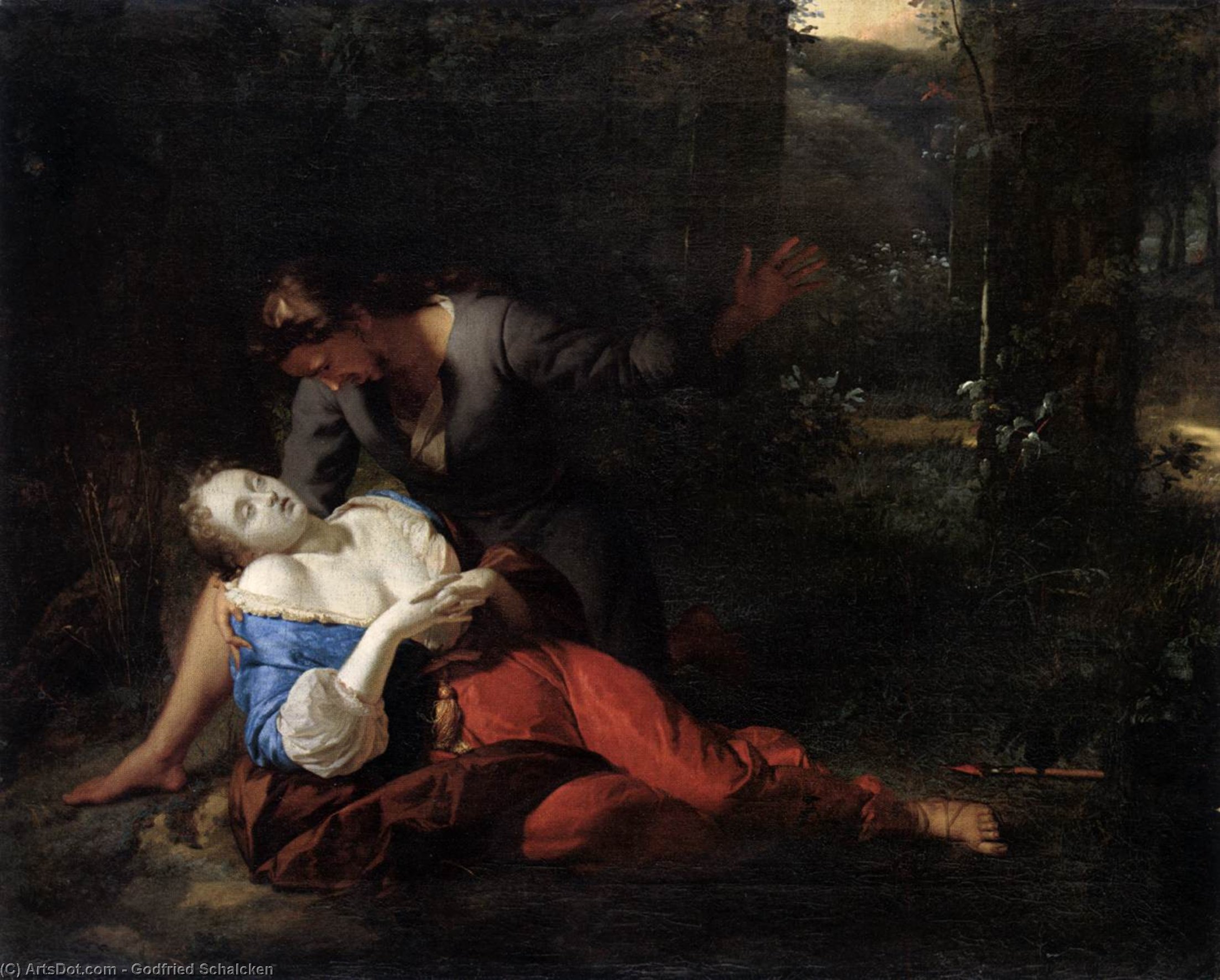
Godfried Schalcken's "Cephalus and Procris," painted around 1680, isn’t merely a depiction of a tragic myth; it’s a masterclass in atmospheric storytelling rendered with the subtle grace characteristic of the Leiden *fijnschilders*. This intimate genre scene, now meticulously reproduced, transports us to a moonlit forest, where the drama unfolds not through grand gestures but through carefully observed details and an exquisite manipulation of light. The painting captures a pivotal moment – Procris’s final moments after being fatally wounded by Cephalus's spear – yet it avoids sensationalism, instead offering a poignant meditation on love, betrayal, and the devastating consequences of suspicion.
Schalcken’s genius lies in his ability to evoke a profound sense of melancholy through the masterful use of candlelight. The scene is bathed in a cool, diffused glow emanating from unseen sources, casting long, dramatic shadows that engulf the figures and heighten the feeling of isolation. Notice how he renders the texture of the forest floor – not with stark realism but with a delicate layering of browns and greens, suggesting damp earth and fallen leaves. This isn’t a landscape designed for immediate recognition; it's an environment imbued with mood and atmosphere, acting as a silent witness to the unfolding tragedy.
The Mythic Core: Echoes of Ovid
The painting draws directly from Ovid’s *Metamorphoses*, one of the most influential narratives of Roman literature. The myth itself is a cautionary tale – a demonstration of how unfounded suspicion can destroy even the purest love. Cephalus, a respected Athenian prince, becomes consumed by jealousy and paranoia after hearing rumors that his wife, Procris, is unfaithful. Driven by this irrational fear, he impulsively kills her with his spear, unaware of the devastating consequences of his actions.
Schalcken doesn’t shy away from the brutality of the event, but he tempers it with a profound sense of sorrow. The composition focuses on Procris's vulnerability – she lies prone on the forest floor, her body partially obscured by shadow, while Cephalus cradles her lifeless form in his arms. His expression is one of anguish and regret, conveying the weight of his irreversible mistake. The subtle details—the delicate folds of her dress, the gentle curve of her hand—underscore her beauty and innocence, making her death all the more heartbreaking.
Technique and Style: A Master of Light
Schalcken’s technical skill is evident in every brushstroke. He employs a meticulous layering technique, building up color gradually to create a sense of depth and realism. The fabrics—Cephalus's cloak and Procris’s dress—are rendered with remarkable detail, showcasing the texture and sheen of the materials. His use of *chiaroscuro* – the dramatic contrast between light and shadow – is particularly noteworthy. It’s not merely a stylistic device; it serves to heighten the emotional impact of the scene, drawing our attention to key elements and creating a sense of drama.
Schalcken was deeply influenced by Gerrit Dou, another prominent Leiden painter known for his atmospheric lighting effects. Like Dou, Schalcken sought to capture the fleeting quality of light and shadow, imbuing his paintings with a sense of immediacy and realism. His work reflects the broader artistic trends of the Dutch Golden Age, characterized by a focus on intimate scenes, psychological depth, and a sophisticated understanding of color and composition.
Symbolism and Emotional Resonance
Beyond the literal depiction of the myth, “Cephalus and Procris” is rich in symbolism. The forest itself represents the unknown—a place of danger and uncertainty. The candlelight symbolizes hope and love, but also the potential for deception and betrayal. The act of killing – a violent intrusion into the quiet beauty of nature – underscores the destructive power of jealousy and suspicion.
Ultimately, Schalcken’s painting is a powerful meditation on human emotions—love, loss, regret, and the devastating consequences of unchecked passion. It's a work that continues to resonate with viewers today, reminding us of the fragility of relationships and the importance of trust. The reproduction captures this emotional depth, allowing you to experience the painting's haunting beauty in your own home.
Related Artworks

Artist Biography
Godfried Schalcken: Master of Candlelight and Dutch Refinement
Godfried Schalcken (1643 – 1706) stands as a quietly significant figure in the history of Dutch painting, a master whose meticulous technique and evocative lighting earned him recognition within the esteemed circle of Leiden *fijnschilders*. Often overshadowed by the towering reputations of Rembrandt and Vermeer, Schalcken’s legacy lies in his exquisite genre scenes and portraits, particularly his remarkable ability to capture the subtle drama of candlelight – a skill that cemented his place as one of the most polished artists of his era. His life unfolded against the backdrop of a rapidly changing Dutch Republic, a period marked by both artistic innovation and political upheaval, shaping the trajectory of his career and ultimately contributing to his somewhat isolated existence.
Born in Dordrecht, the son of Cornelis Schalcken and Aletta Lydius, Godfried’s early life was steeped in the world of art. His father, a respected Latin school rector, provided an environment conducive to artistic development. He received his initial training under Samuel van Hoogstraten in Dordrecht, absorbing the principles of *disegno*, the emphasis on drawing and careful observation that characterized Dutch painting at the time. This foundational education proved crucial as he later sought out the tutelage of Gerard Dou (1613–1675), one of Rembrandt’s most celebrated pupils, in Leiden. Dou's influence is profoundly evident in Schalcken’s early works – a meticulous attention to detail, a restrained palette, and a masterful manipulation of light that immediately echoed the master’s signature style. These initial genre paintings closely mirrored Dou’s approach, demonstrating a clear apprenticeship and a deep respect for his teacher’s techniques.
Schalcken's career progressed through several key periods. He spent considerable time in Leiden until approximately 1675, honing his skills and developing his distinctive style. His work during this period is characterized by a refined elegance and an almost photographic realism – a hallmark of the Leiden *fijnschilders*. However, he soon returned to Dordrecht (1675-1691) before settling in The Hague around 1691, where he continued his artistic practice until his death in 1706. A notable detour occurred between 1692 and 1697 when he traveled to England, a journey that proved largely unsuccessful due to his notoriously difficult temperament and poor manners, alienating him from the English art world.
The Art of Candlelight
Schalcken’s most celebrated achievement lies in his unparalleled command of light. He possessed an extraordinary ability to render the subtle nuances of candlelight – its flickering intensity, its warm glow, and its dramatic shadows – with breathtaking accuracy. This wasn't merely a technical skill; it was a deeply felt aesthetic sensibility. He understood that candlelight wasn’t simply illumination; it was a source of atmosphere, emotion, and narrative depth. His paintings frequently depict intimate scenes bathed in this ethereal light, creating a sense of quiet drama and psychological insight.
This fascination with candlelight is evident in numerous works, including portraits where the soft glow illuminates the subject’s face, revealing their character and emotions. His ability to capture the play of light on surfaces – fabrics, metal, and skin – was truly remarkable. He frequently employed a technique known as *chiaroscuro*, using stark contrasts between light and dark to heighten the drama and create a sense of three-dimensionality. This skill set him apart from many of his contemporaries, establishing him as a leading figure in the Dutch tradition of luminous painting.
Notable Works and Influences
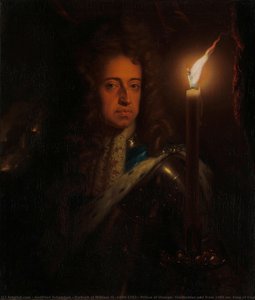
Among Schalcken’s most significant works are several portraits that showcase his technical brilliance and artistic sensitivity. The half-length portrait of William III of England, now housed in the Rijksmuseum in Amsterdam, is a prime example of his refined style – a meticulously rendered depiction of the King's countenance, bathed in the warm glow of candlelight. His paintings also reside in prestigious collections such as Buckingham Palace, the Louvre, Vienna, and Dresden, testament to their enduring appeal.
Schalcken’s artistic development was profoundly influenced by Gerard Dou, but he also drew inspiration from other masters, including Rembrandt himself. While initially mirroring Dou's style, Schalcken gradually developed his own unique voice, incorporating elements of Caravaggism – the dramatic use of light and shadow championed by Caravaggio – into his compositions. This synthesis of influences resulted in a distinctive artistic style that was both elegant and emotionally resonant.
Legacy and Historical Context
Godfried Schalcken’s career unfolded during a period of significant artistic and social change in the Dutch Republic. The rise of the *fijnschilders*, a group of artists who emphasized refinement, precision, and meticulous technique, reflected a broader cultural shift towards greater sophistication and elegance. Schalcken's commitment to these values solidified his position within this influential circle.
Despite his technical mastery and artistic achievements, Schalcken’s legacy has often been overshadowed by the brilliance of Rembrandt and Vermeer. However, recent scholarship has begun to recognize the unique contributions of artists like Schalcken, highlighting his remarkable skill in capturing the subtleties of light and his significant role in shaping the development of Dutch painting. His paintings continue to captivate viewers with their quiet beauty, technical precision, and evocative atmosphere – a testament to the enduring power of candlelight and the artistry of Godfried Schalcken.
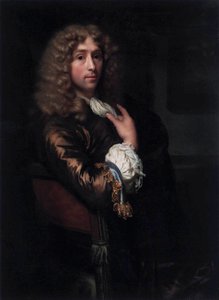
Godfried Schalcken
1643 - 1706 , Netherlands
Quick Facts
- Artistic Movement Or Style: Leiden fijnschilders
- Artists Or Movements Influenced By This Artist: ['Rembrandt']
- Artists Who Influenced This Artist: ['Gerard Dou']
- Date Of Birth: 1643-10-08
- Date Of Death: 1706-11-16
- Full Name: Godfried van Schalcken
- Nationality: Dutch
- Notable Artworks:
- Lady, Come into the Garden
- Old Woman Scouring a Pan
- Place Of Birth: Dordrecht, Netherlands
Related Articles

Golden Age Reflections: Dutch Baroque Painting & Cultural Innovation
Explore the Dutch Golden Age of painting! Discover key artists like Vermeer & ter Borch, their innovative techniques, and the rich cultural context behind these Baroque masterpieces. Learn about collecting & appreciating this iconic art period.
Gerrit Dou: Intimacy & Light in the Dutch Golden Age
Explore the exquisite world of Gerrit Dou, a master of Dutch Golden Age painting. Discover his intimate genre scenes, signature use of light, and lasting legacy. Learn about collecting Dou's works & their value.

Illuminating Realism: Exploring the Dutch Golden Age of Painting (1600-1700)
Explore the Dutch Golden Age of painting (1600-1700) with ArtsDot. Discover Rembrandt, Vermeer & other masters. Learn about techniques, history & find museum-quality reproductions.

Dutch Masters: 10 Golden Age Paintings That Still Inspire |
Journey into the Dutch Golden Age! Explore 10 iconic paintings by Rembrandt, Vermeer & Hals. Discover the stories behind these Baroque masterpieces and find museum-quality art reproductions to elevate your home decor on .
Charles Leickert: Capturing the Dutch Golden Age Light – A Comprehensive Study of Technique, Context, and Legacy
Explore the captivating winter landscapes of Charles Leickert, a master of Dutch Golden Age light & atmosphere. Discover his techniques, symbolism, and lasting legacy – a comprehensive study for art enthusiasts and collectors.