

 Preview
 Send
Send Share
Share
 Details

 Download
 Similars
 X-Ray
X-Ray Diaporama
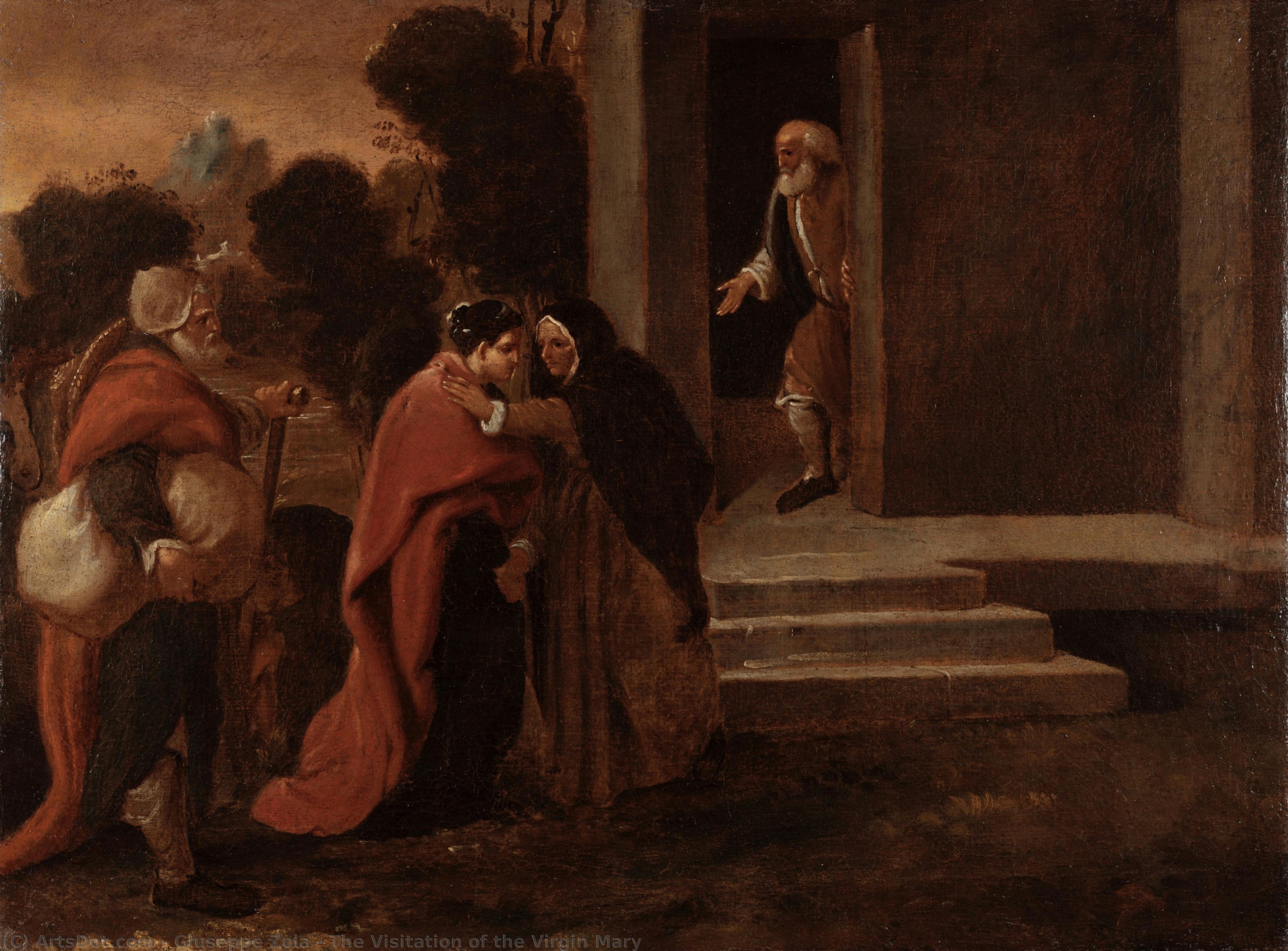
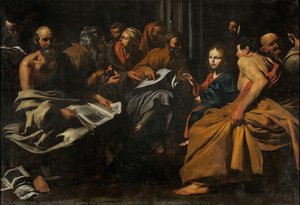
The Visitation of the Virgin Mary
 51.0 x 68.0 cm
 Musei Civici di Arte Antica e Museo Riminaldi
 Read More
Purchase a high-resolution, enhanced digital image, far superior to the online preview.
Each file is meticulously prepared by our in-house specialists using advanced tools and expert manual retouching. We ensure every image has exceptional clarity, precise color accuracy, and fine detail.
The final file is delivered via email within 72 hours, optimized for immediate use in professional, editorial, and print environments. This is the same quality trusted by top-tier design studios, publishers, and galleries.
Digital Image
Download a high-resolution file for personal display, printing, and creative projects. ( Buy Print Buy Hand Made Painting)
Included in Every Digital Image Order
Expert Digital Delivery, Guaranteed
When you choose ArtsDot.com, you're not just getting an image - you're receiving a professionally enhanced digital artwork, crafted with precision and backed by a satisfaction guarantee. Here's everything that comes with your order, automatically:

Fast Email Delivery
Your high-resolution digital image file will be emailed to you within 72 hours of ordering - ready for immediate use.

AI-Enhanced Digital File
Your artwork is professionally optimized using advanced AI tools and manual editing, ensuring maximum detail, clarity, and color accuracy.

Free Lifetime Re-Delivery
Accidentally deleted or lost your file? No worries - we'll resend it to you anytime, free of charge.

No Import Fees - Ever
Enjoy your artwork instantly with zero customs, duties, or delivery fees - digital downloads are always tax-free.

Color Accuracy Guarantee
We ensure your digital image reflects the original colors as closely as possible using professional tools and color management.

60-Day Satisfaction Guarantee
If you're not satisfied with your digital image, we'll revise it or refund 100% within 60 days - no questions asked.

100% Money-Back Guarantee
Not satisfied? Get a full refund within 60 days of receiving your digital file - no questions asked.

Bulk Order Discounts
Buy 3 images, save 10% - Buy 5, save 15% - Buy 10+, save 20%. Great for creative projects, galleries, and agencies.
Related Artworks





Artist Biography
Robert Barker: The Pioneer of the Panorama
Born in Kells, County Meath, Ireland, in 1739, Robert Barker’s life was a fascinating blend of artistic innovation and entrepreneurial ambition. While often overshadowed by his invention – the panorama – Barker himself remains a somewhat enigmatic figure within art history. His career spanned decades, marked by a remarkable shift from humble portraiture to the creation of immersive, large-scale paintings that captivated audiences across Europe and America. Barker’s story is one of recognizing a burgeoning public appetite for visual spectacle and cleverly exploiting it, ultimately establishing himself as a pivotal figure in the development of both panoramic art and the concept of “panorama” itself.
Early life offers little detail, but Barker's training likely involved apprenticeships within established artistic circles. He began his career as a portrait painter, diligently working to establish a reputation in London. This foundation proved crucial; it provided him with the technical skills and understanding of perspective – particularly the principles developed by artists like Charles Jervas – that would later underpin his revolutionary panoramas. Jervas’s work, known for its meticulous detail and ability to convey depth and spatial relationships, undoubtedly influenced Barker's approach to creating convincing illusions of space within his vast canvases.
- Early Portraiture: Barker honed his skills painting portraits of prominent figures in London society.
- The Coinage of “Panorama” (1792): He coined the term "panorama" from Greek roots meaning “all-seeing,” describing his paintings of Edinburgh, Scotland, which presented a complete 360-degree view of the city.
The Rise of the Barker Panorama
Barker’s breakthrough came in 1793 with the construction of a dedicated panorama building in Leicester Square, London – a truly unprecedented undertaking for its time. This purpose-built structure, designed by Robert Mitchell, housed six massive canvases depicting Edinburgh from Calton Hill. The experience was transformative; viewers stood on a central platform beneath a skylight, enveloped in a breathtakingly expansive view that simulated the sensation of standing atop the hill itself. This wasn’t merely a painting; it was an immersive spectacle, a new form of entertainment that quickly gained immense popularity.
The success of the Edinburgh panorama led to further iterations and expansions. Barker soon moved his panoramas to a larger building in London, showcasing scenes from other cities like Paris and Rome. His technique involved sophisticated manipulations of perspective – far exceeding the conventions of earlier “prospect” paintings – creating an illusion of depth and scale that was remarkably convincing. He employed techniques developed by artists such as Francis Towne, who had spent time studying landscape painting in Italy, to achieve this effect.
- The Leicester Square Building (1793): The first purpose-built panorama building, a marvel of engineering and design.
- Edinburgh from Calton Hill: Barker’s most famous work, showcasing the panoramic view of Edinburgh.
- Expansion to London: Barker replicated his success with panoramas of Paris and Rome.
Technique and Innovation
Barker's mastery lay not just in the scale of his paintings but also in the technical innovations he employed. He moved beyond the traditional single-point perspective, utilizing a complex system of vanishing points to create an illusion of depth that extended across the entire canvas. His panoramas were meticulously constructed, often incorporating detailed models and topographical surveys to ensure accuracy. The use of carefully calibrated lighting further enhanced the immersive quality of the experience, creating a dramatic and captivating spectacle for viewers.
Crucially, Barker’s work anticipated developments in visual perception that wouldn't fully emerge until decades later. His panoramas demonstrated an understanding of how the human eye perceives space and distance – principles that would later be explored by artists like Charles Jervas and further developed by Impressionists and Post-Impressionists. His approach to creating a comprehensive, all-encompassing view was truly groundbreaking.
Legacy and Influence
Robert Barker’s legacy is complex and multifaceted. While he never achieved widespread recognition during his lifetime – largely due to the ephemeral nature of his panoramas – he undeniably pioneered a new art form and coined a term that continues to be used today. His invention of “panorama” fundamentally altered the way people experienced visual art, shifting from static paintings to dynamic, immersive spectacles.
The Barker Panorama’s influence extended beyond Britain, inspiring similar projects across Europe and eventually in America. The concept of the cyclorama – a moving panorama viewed on a rotating screen – emerged in the 19th century, demonstrating the enduring appeal of Barker's innovative approach. Today, his work is studied as a crucial milestone in the history of art, representing a pivotal moment in the evolution of visual representation and entertainment.
Robert Barker died in 1806, leaving behind a remarkable legacy – not just as an artist but as an inventor and a visionary who transformed the way people experienced the world through art.
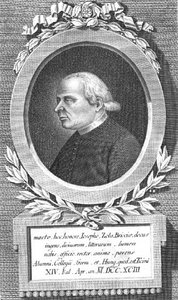
giuseppe zola
1739 - 1806 , Italy
Quick Facts
- Artistic Movement Or Style: Panoramic painting
- Artists Or Movements Influenced By This Artist: ['Francis Towne']
- Artists Who Influenced This Artist: ['Charles Jervas']
- Date Of Birth: 1739
- Date Of Death: 1806
- Full Name: Robert Barker
- Nationality: Irish
- Notable Artworks: ['The Panorama of Edinburgh']
- Place Of Birth: Kells, County Meath, Ireland

