 Preview
 Send
Send Share
Share
 Details

 Download
 Similars
 X-Ray
X-Ray Diaporama
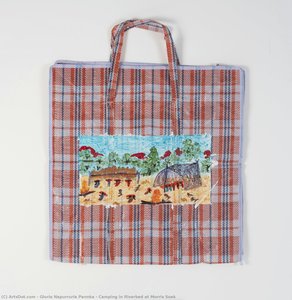
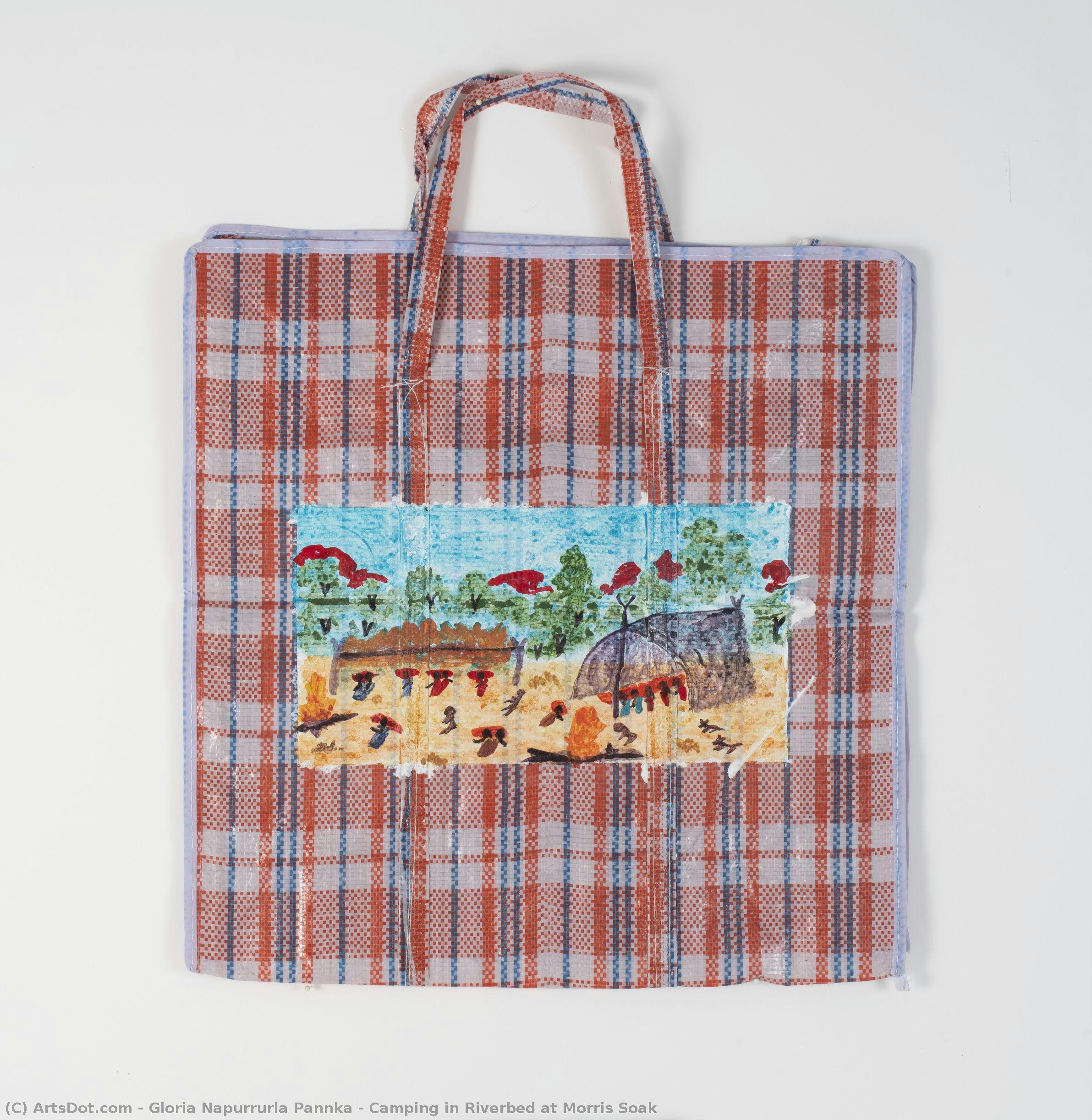
Camping in Riverbed at Morris Soak
 Acrylic On Canvas
- WallArt
- Contemporary Aboriginal Art
 2019
2019- Contemporary
 49.0 x 49.0 cm
 Biennale of Sydney
 Read More
Hand Made Oil Reproduction
Hand-painted oil on canvas in your size and frame, made to order by our artists. ( Buy Print Buy Image)




P118B $10

P118H $10

P118W $10

P438Z $10

P508JH $12

P508YH $12

P805H $10

P805Z $10

P919BZ $10

P919G $10

P919XJ $10

P959ZH $10

P968JZ $12

W106C $8

W218G $10

W218JH $8

W218Y $10

W307PJ $10

W316G $10

W316PJ $8

W316Y $10

W398PJ $8

W4111J $10

W500HY $15

W500JH $15

W692G $12

W849H $8

W940BG $15

W953PJ $8




Pick from our preset sizes that match the artwork's original proportions.

You may enter your own dimensions to fit a specific frame or space. If your selected size does not match the original image's proportions, we will either crop the artwork or extend the painting with additional hand-painted elements. A digital mockup will be sent for your approval before production begins.
Please note that the on-screen preview does not reflect the actual cropping or extension. Only the mockup will accurately show the final composition.
While custom sizes are available, we recommend selecting a dimension from the predefined list to preserve the original proportions.
After order, ArtsDot.com team will email client for instructions and provide a mockup preview
Worldwide Delivery () in 3/4 weeks instead of standard 5 weeks. (27 August). No compromise on quality.

Free Worldwide Express Shipping

High-Quality Linen Canvas

Full Shipping Insurance

Customs Tax Refund Guarantee

True Color Matching Guarantee

60-Day Return Policy (Defects Only)

100% Money-Back Guarantee

Bulk Discount Offer
 Glass option is only available in size under 110 CM

Camping in Riverbed at Morris Soak
Reproduction Medium
Reproduction Size
-


Total Price
$ 263
Artwork Description
Camping in Riverbed at Morris Soak by Gloria Napurrurla Pannka
This evocative painting, “Camping in Riverbed at Morris Soak,” offers a poignant glimpse into the lives and landscapes of the Arrernte people of Central Australia. Created in 2019 by Gloria Napurrurla Pannka, a key figure within the Hermannsburg School’s artistic lineage – carrying on the legacy of Albert Namatjira – the artwork transcends mere representation; it is a powerful statement about connection to Country, resilience in the face of displacement, and the urgent need for self-determination. Pannka's work, deeply rooted in her ancestral heritage, captures the essence of daily life within the vast and unforgiving beauty of the Northern Territory.
Subject and Composition
- The scene depicts a small group of individuals gathered around a crackling fire pit within a riverbed – a vital source of water and sustenance for Aboriginal communities.
- The composition is deliberately intimate, drawing the viewer into the heart of the gathering. Figures are arranged in varying degrees of proximity to the foreground, creating a sense of immediacy and shared experience.
- Two dogs, integral companions within this landscape, add another layer of authenticity and connection to the natural world. Their presence reinforces the theme of harmonious coexistence with Country.
Technique and Style – The Legacy of Hermannsburg
Pannka’s artistic style is firmly rooted in the traditions established by the Hermannsburg School, a movement that revolutionized Aboriginal art through its use of watercolor. Like her predecessors, she employs a luminous palette, favoring soft blues, ochres, and greens to capture the subtle nuances of the Australian bush. The technique relies on delicate washes and layered applications of paint, creating an ethereal quality that evokes both the beauty and the harshness of the environment. The use of a ‘dollar shop’ bag as a canvas is particularly significant, referencing the nomadic lifestyle and dispossession experienced by many Aboriginal communities.
Symbolism and Historical Context
“Camping in Riverbed at Morris Soak” carries profound symbolic weight within its historical context. Created during a Biennale of Sydney exhibition featuring works from Iltja Ntjarra Many Hands Art Centre, the painting directly addresses issues of land rights, housing shortages, and the ongoing struggle for self-determination among Aboriginal Australians. The artwork serves as a visual plea – a reminder of ancestral connections and a call to action against unsustainable development projects that threaten traditional lands. Pannka’s work is inextricably linked to the broader narrative of resistance and cultural preservation within the Arrernte community.
Emotional Impact and Artistic Significance
Beyond its political message, “Camping in Riverbed at Morris Soak” possesses a deeply moving emotional resonance. The scene conveys a sense of camaraderie, resilience, and enduring connection to Country – values central to Aboriginal culture. Gloria Napurrurla Pannka’s ability to translate these profound experiences onto canvas elevates her work beyond mere representation; it becomes a powerful testament to the human spirit and the importance of safeguarding cultural heritage. This piece is more than just a painting; it's a vital link to a rich and complex history.
Related Artworks



![Igreja E Morro De Nª Senhora Da Gloria (rio De Janeiro) [nossa Senhora Da Glória Church And Hill] — Karl Robert, Baron Von Planitz, Romanticism](/media/artworks/images-thumb/be/30/be307adb4036c545b62421f8658b44a1.jpg)
Artist Biography
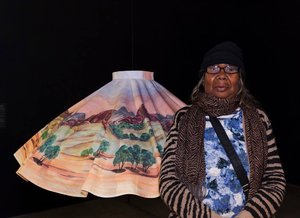
The Legacy of the Hermannsburg Waters: The Life of Gloria Napurrurla Pannka
In the heart of Central Australia, where the earth meets an infinite sky, the art of Gloria Napurrurla Pannka emerged as a profound continuation of a sacred lineage. Born in 1949 within the Hermannsburg Community, Gloria was more than just a painter; she was a custodian of a visual language passed down through generations of the Western Arrernte people. As the granddaughter of the legendary Albert Namatjira and the daughter of the accomplished Claude Pannka, her very existence was intertwined with the evolution of the Hermannsburg School. Her life’s work served as a bridge between the ancient traditions of her ancestors and the modern medium of watercolour, creating a luminous dialogue between the land and the spirit.
Growing up in the mission of Ntaria, Gloria breathed the same air that inspired the masters of the Australian landscape. Her artistic education was not found merely in studios, but in the rhythmic patterns of the bush and the stories shared by her elders. Under the guidance of her father, Claude, she mastered the delicate art of layering pigments to capture the ephemeral beauty of the West MacDonnell Ranges—known in Western Arrarnta as Perta-Tyurretye. This technique allowed her to translate the rugged textures of the desert into something ethereal, where the light seems to pulse from within the paper itself, reflecting the deep, spiritual connection she held for her Country.
A Vision of Country and Spirit
The brilliance of Gloria’s work lies in its ability to marry topographical accuracy with profound cultural narrative. While a casual observer might see a breathtaking landscape of mountains, trees, and clouds, a deeper gaze reveals the layers of Arrernte identity woven into every brushstroke. Her palette was a celebration of the Australian interior: the deep ochres of the earth, the vibrant greens of native flora, and the sweeping, translucent blues of the desert sky. Through her use of watercolour, she achieved a sense of movement and atmosphere that mirrored the shifting winds and seasonal changes of her homeland.
Her subject matter was an intimate exploration of both the physical and the metaphysical. In her paintings, one finds:
- The West MacDonnell Ranges: Rendered with a majestic scale that honors their role as ancestral landmarks.
- Traditional Narratives: The subtle inclusion of stories passed down through generations, turning landscapes into living histories.
- The Spirit of Place: A palpable sense of healing and connection, where the act of painting becomes an act of reclaiming and honoring the land.
A Warrior for Heritage and Justice
Beyond the easel, Gloria Napurrurla Pannka was a formidable force in the fight for Indigenous rights and cultural preservation. She was not merely a creator of beauty but a protector of her family's intellectual and spiritual property. As a founding board member of the Namatjira Legacy Trust, she played an instrumental role in the historic social justice campaign to ensure that the copyrights to the Namatjira family’s works were returned to their rightful owners. Her determination was legendary; she spoke tirelessly to government officials, media outlets, and at public forums, acting as a "warrior woman" for her people.
This fierce commitment to justice mirrored the strength found in her art. Even when faced with the exhaustion of public advocacy, her dedication to the next generation remained unshakable. Her passing in 2020 marked the end of a remarkable journey, yet her influence remains etched into the landscape of Australian art. Through her vibrant watercolours and her unwavering spirit, Gloria Napurrurla Pannka ensured that the echoes of Hermannsburg would continue to resonate, teaching us all how to see the profound beauty and enduring truth held within the heart of the Country.
gloria napurrurla pannka
1949 - , Australia
Quick Facts
- Artistic Movement Or Style: Watercolor painting; Indigenous art
- Artists Or Movements Influenced By This Artist: Hermannsburg School
- Artists Who Influenced This Artist: Albert Namatjira
- Date Of Birth: 1949
- Full Name: Gloria Napurrurla Pannka
- Nationality: Australian
- Notable Artworks:
- Camping in Riverbed at Morris Soak
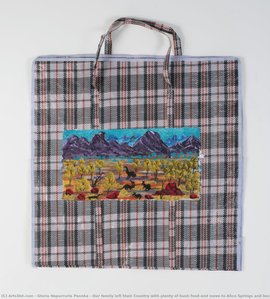
- Our family left their Country with plenty of bush food and move to Alice Springs and became Homeless.
- Place Of Birth: Hermannsburg, Australia
Related Articles
The Hague School: Realism, Atmosphere & the Dawn of Dutch Impressionism
Explore the Hague School's pivotal role in Dutch art history. Discover realism, atmospheric landscapes & its influence on Impressionism. Learn about key artists like Mauve & Maris with ArtsDot.
Hudson River School: 10 Masterpieces That Capture America's Wild Beauty | ArtsDot
Journey through America's breathtaking landscapes with our guide to the Top 10 Hudson River School masterpieces. Explore Thomas Cole, Frederic Church & more! Find museum-quality art reproductions and elevate your home decor at ArtsDot.com.
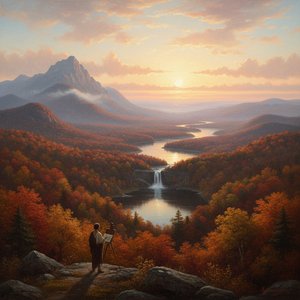
The Sublime Landscape: Exploring the Hudson River School Movement
Explore the captivating world of the Hudson River School! Discover the history, artists, and defining characteristics of this iconic American art movement. Learn about Romanticism's influence & find inspiration for your collection.
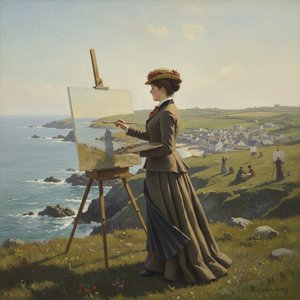
Elizabeth Adela Forbes: A Pioneering Impressionist of the Newlyn School
Explore the life & art of Elizabeth Adela Forbes, a pioneering Impressionist of the Newlyn School. Discover her captivating paintings, unique style, and lasting legacy with ArtsDot.
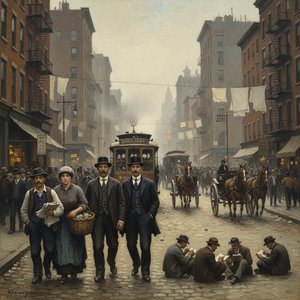
The Ashcan School: Realism, Urban Life & the Democratization of American Art
Explore the revolutionary Ashcan School! Discover how artists like Henri & Sloan challenged tradition with gritty realism, capturing urban life in early 20th-century America. Learn about their impact on American art history.