 Preview
 Send
Send Share
Share
 Details

 Download
 Similars
 X-Ray
X-Ray Diaporama
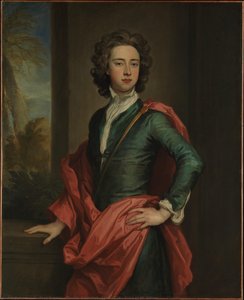
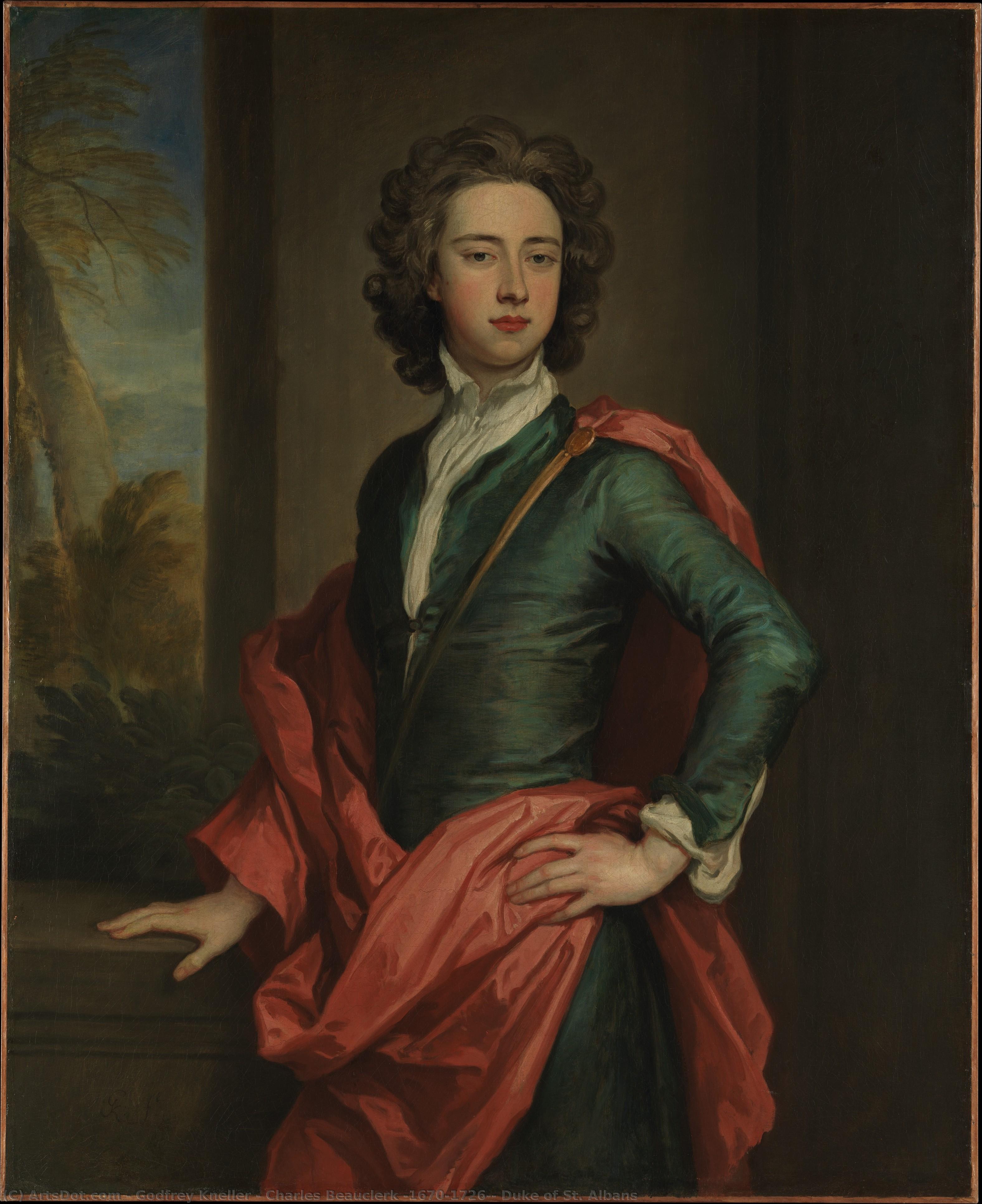
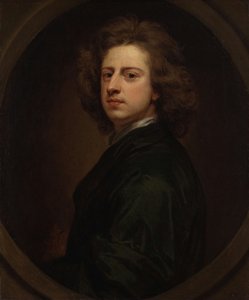
Charles Beauclerk (1670–1726), Duke of St. Albans
 Acrylic On Canvas
- WallArt
- Baroque
 1690
1690 127.0 x 103.0 cm
 Metropolitan Museum of Art
 Read More
Giclée / Art Print
Museum-quality giclée or canvas print with fast production and flexible finish options. ( Buy Hand Made Painting Buy Image)




P118B $10

P118H $10

P118W $10

P438Z $10

P508JH $12

P508YH $12

P805H $10

P805Z $10

P919BZ $10

P919G $10

P919XJ $10

P959ZH $10

P968JZ $12

W106C $8

W218G $10

W218JH $8

W218Y $10

W307PJ $10

W316G $10

W316PJ $8

W316Y $10

W398PJ $8

W4111J $10

W500HY $15

W500JH $15

W692G $12

W849H $8

W940BG $15

W953PJ $8




Pick from our preset sizes that match the artwork's original proportions.

You may enter your own dimensions to fit a specific frame or space. If your selected size does not match the original image's proportions, we will either crop the artwork or extend the image with a mirrored or solid-fill edge. A digital mockup will be sent for your approval before production begins.
Please note that the on-screen preview does not reflect the actual cropping or extension. Only the mockup will accurately show the final composition.
While custom sizes are available, we recommend selecting a dimension from the predefined list to preserve the original proportions.
Worldwide Delivery () in 2 weeks instead of standard 4/5 weeks. (3 September)

Free Worldwide Express Shipping

High-Quality Linen Canvas

Full Shipping Insurance

Customs Tax Refund Guarantee

True Color Matching Guarantee

60-Day Return Policy (Defects Only)

100% Money-Back Guarantee

Bulk Discount Offer
 Glass option is only available in size under 110 CM

Charles Beauclerk (1670–1726), Duke of St. Albans
Giclée / Art Print
Reproduction Size
-


Total Price
$ 63
Charles Beauclerk (1670–1726), Duke of St. Albans: A Portrait Steeped in Privilege and Vulnerability
Godfrey Kneller’s depiction of Charles Beauclerk, Duke of St. Albans, stands as a quintessential example of Baroque portraiture—a genre that flourished during the Restoration period in England (1660-1727), reflecting the ambitions and anxieties of an era striving to solidify its aristocratic lineage.
- Subject Matter: The painting portrays Charles Beauclerk, the illegitimate son of King Charles II and Nell Gwyn—a celebrated actress who captivated the court. This familial connection immediately imbued the portrait with significance, highlighting Beauclerk’s claim to legitimacy amidst a complex social landscape.
- Style & Technique: Kneller's masterful brushwork is characteristic of his style, prioritizing dramatic lighting and textured surfaces to convey depth and emotion. The broad strokes create an impressionistic effect, capturing the sitter’s physicality with remarkable accuracy—a technique favored by artists aiming for realism while simultaneously elevating their subject’s status.
- Composition & Setting: The portrait is framed against a subtly rendered backdrop of architectural ruins reminiscent of Roman antiquity, symbolizing Beauclerk's aspiration to embody classical ideals of grandeur and virtue. Two potted plants flanking the figure contribute to the overall decorative scheme, reinforcing the impression of cultivated refinement. Notably, a clock positioned prominently in the upper portion adds another element of visual richness and reinforces the theme of time—a deliberate gesture intended to convey Beauclerk’s position within the hierarchy of power.
Beyond its formal elements, the portrait resonates with psychological nuance. The sitter's gaze is direct yet slightly averted, conveying a sense of composure mingled with introspection. The silk draped over his shoulder—a luxurious fabric indicative of aristocratic wealth—further emphasizes Beauclerk’s elevated social standing. However, subtle cues suggest an underlying vulnerability; the slight elevation of his chin hints at a carefully constructed persona designed to project confidence and authority.
Kneller skillfully employs chiaroscuro—the dramatic interplay between light and shadow—to sculpt Beauclerk's form and imbue the painting with emotional intensity. The luminous highlights accentuate facial features, capturing the sitter’s youthful vitality while simultaneously conveying a sense of dignified solemnity. This masterful manipulation of light underscores Kneller’s commitment to portraying not merely likeness but also character—a hallmark of Baroque portraiture that sought to encapsulate the essence of its subject.
Ultimately, Charles Beauclerk (1670–1726), Duke of St. Albans is more than just a depiction of an aristocratic gentleman; it’s a testament to Kneller's artistic prowess and his ability to distill complex social and psychological realities into a single captivating image—a timeless masterpiece that continues to inspire admiration for its beauty and insight.
Related Artworks

Artist Biography
The Cosmopolitan Brush: Godfrey Kneller and the Shaping of English Portraiture
Godfrey Kneller, born in Lübeck, Germany, in 1646, wasn’t merely a painter who found success on English shores; he was an architect of its artistic identity. His arrival in London around 1676, following periods of study and work in Italy and France, coincided with a burgeoning desire for a distinctly English style – one that moved beyond the imitation of continental masters. Kneller didn’t simply fulfill this need, he *defined* it. He wasn't born into privilege; his father was a modest Mennonite painter, and young Godfrey received his initial training within the family workshop. This grounding in craft, coupled with an insatiable appetite for learning, propelled him towards Italy, where he absorbed the influence of Baroque masters like Guido Reni and Annibale Carracci. However, it was Paris, under the tutelage of Simon Vouet’s nephew, that truly began to shape his grand, theatrical style – a style perfectly suited to the tastes of the Restoration court.From Royal Patronage to National Iconography
Kneller's ascent in England was remarkably swift. He secured commissions from prominent figures almost immediately, but it was his appointment as Principal Painter to King Charles II in 1679 that cemented his position at the heart of English artistic life. This role wasn’t just about painting portraits; it was about creating an image of power and legitimacy for the monarchy. Kneller understood this implicitly. His royal portraits – bold, imposing, and richly detailed – weren't simply likenesses; they were statements of authority. He moved away from the stiff formality of earlier English portraiture, introducing a dynamism and psychological depth that had been largely absent. He wasn’t afraid to depict his sitters with flaws, but always within a framework that emphasized their status and character. This ability to balance realism with idealization proved incredibly popular. Beyond the royal family, Kneller became *the* portraitist of the English elite – dukes, earls, bishops, admirals, and literary figures all clamored for his services.The Kit-Cat Club and a Portrait Style Defined
Kneller’s influence extended far beyond his brushstrokes. He was a central figure in London's vibrant intellectual and social circles, most notably as a founding member of the Kit-Cat Club – a gathering of Whig politicians, writers, and artists. This association not only provided him with a steady stream of commissions but also shaped his artistic vision. The Kit-Cats valued wit, intelligence, and public service, and these qualities are subtly reflected in Kneller’s portraits of its members. He developed a distinctive style characterized by a loose, painterly technique, a warm color palette, and an emphasis on the sitter's personality. His famous “Kit-Cat Portraits” – a series of standardized half-length portraits featuring his clubmates – became iconic representations of English intellectual life. These works weren’t just about capturing physical resemblance; they were about celebrating a shared ethos. He also pioneered the use of cartoons, preparatory drawings used to standardize portrait production, making high-quality portraits more accessible and contributing to the widespread dissemination of his style.A Legacy Beyond Likeness: Kneller's Enduring Impact
Kneller’s impact on English art is undeniable. He established a new standard for portraiture – one that emphasized psychological realism, painterly technique, and a distinctly English sensibility. He trained a generation of artists, including some of the most important portraitists of the 18th century, such as Jonathan Richardson and Stephen Slaughter. His influence can be seen in the work of virtually every major English portrait painter who followed him. He wasn’t simply copying continental styles; he was synthesizing them with his own unique vision and adapting them to the specific needs and tastes of English society. He founded the Academy of Painting or Great Britain in 1711, a precursor to the Royal Academy, demonstrating his commitment to fostering artistic education and professionalizing the field. While later critics sometimes dismissed his work as overly formulaic or lacking in technical brilliance, Kneller’s portraits remain compelling for their ability to capture not just *what* people looked like, but *who* they were – or who they aspired to be. He died in London in 1723, leaving behind a vast body of work that continues to shape our understanding of the English elite and the artistic landscape of the late 17th and early 18th centuries.Key Achievements & Historical Significance
- Established himself as Principal Painter to King Charles II, solidifying his position at court.
- Developed a distinctive portrait style characterized by painterly technique and psychological depth.
- Pioneered the use of cartoons for standardized portrait production.
- Founded the Academy of Painting or Great Britain, promoting artistic education.
- Created iconic portraits of members of the Kit-Cat Club, representing English intellectual life.
- Transformed English portraiture from a largely imitative practice into a uniquely English art form.
Related Articles
Sir Godfrey Kneller: Portraiture, Power & Artistic Identity in Restoration England
Explore the life & work of Sir Godfrey Kneller, leading portraitist of Restoration England. Discover his Baroque style, influence on aristocratic society, and lasting legacy in English art history. Learn about Kit-Cat portraits & more!

Baroque Drama: Bringing Opulence & Emotion into Contemporary Interiors
Explore the opulent world of Baroque interior design! Discover key elements, modern applications & how to bring dramatic elegance into your home with 's authentic reproductions.

The Dramatic Flourish: Exploring the Baroque Movement's Enduring Legacy in Art History
Explore the dramatic world of Baroque art! Discover iconic artists like Caravaggio & Rubens, defining techniques, and its lasting impact on art history. Expert insights for collectors & enthusiasts at ArtsDot.

Baroque Masterpieces: 10 Paintings That Defined an Era |
Journey through the drama & grandeur of Baroque art! Explore 10 masterpieces by Caravaggio, Rembrandt, Rubens & more. Discover stunning oil paintings, rich colors & timeless stories. Find museum-quality reproductions at .

The Visceral Stage: Exploring Dramatic Narratives & Emotional Intensity in Baroque Art
Explore the dramatic world of Baroque art! Discover iconic masters like Caravaggio & Rembrandt, their techniques, and the movement's lasting impact. Expert insights for collectors & enthusiasts at ArtsDot.