 Send
Send Share
Share
 Details

 Download
 Similars
 Diaporama
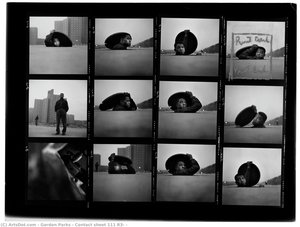
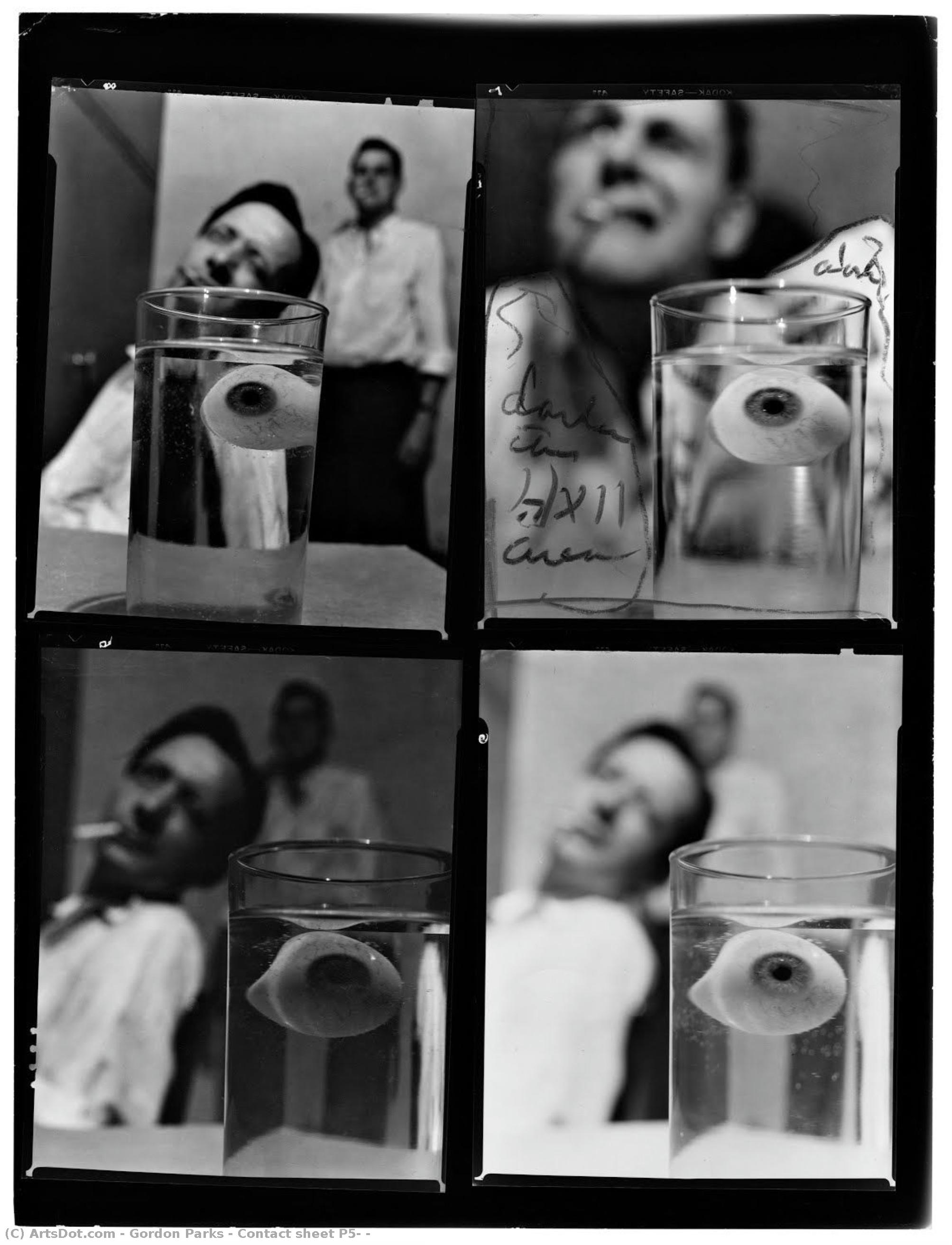
Contact sheet P5,


 Read More
Giclée / Art Print
Museum-quality giclée or canvas print with fast production and flexible finish options. ( Buy Hand Made Painting Buy Image)




































Pick from our preset sizes that match the artwork's original proportions.

You may enter your own dimensions to fit a specific frame or space. If your selected size does not match the original image's proportions, we will either crop the artwork or extend the image with a mirrored or solid-fill edge. A digital mockup will be sent for your approval before production begins.
Please note that the on-screen preview does not reflect the actual cropping or extension. Only the mockup will accurately show the final composition.
While custom sizes are available, we recommend selecting a dimension from the predefined list to preserve the original proportions.
Worldwide Delivery () in 2 weeks instead of standard 4/5 weeks. (17 August)

Free Worldwide Express Shipping

High-Quality Linen Canvas

Full Shipping Insurance

Customs Tax Refund Guarantee

True Color Matching Guarantee

60-Day Return Policy (Defects Only)

100% Money-Back Guarantee

Bulk Discount Offer
 Glass option is only available in size under 110 CM

Contact sheet P5,
Giclée / Art Print
Reproduction Size
-


Total Price
$ 63
Collectible Description
The Unsettling Gaze: Deconstructing Gordon Parks' Contact Sheet P5
To encounter this contact sheet by Gordon Parks is to step into a moment suspended between the documentary record and the realm of the deeply uncanny. It is not merely a photograph; it is an investigation, a meticulous examination presented through the grid structure of photographic history itself. The monochrome palette strips away the comforting distractions of color, leaving us exposed to the raw interplay of light, shadow, and unsettling subject matter. At its heart lies a still life so bizarre—a glass containing a single, floating eyeball submerged in liquid—that it forces the viewer into an immediate state of uneasy curiosity. This piece transcends simple portraiture or genre documentation; it becomes a meditation on observation itself.
Compositional Echoes and Photographic Technique
The very format dictates much of the viewing experience. The contact sheet, with its four identical quadrants, imposes a rigid, almost clinical order upon what is inherently surreal. This repetition creates a powerful sense of visual echo, suggesting that the scene—the glass, the eyeball, the partially visible faces leaning in—is worthy of endless scrutiny. Parks masterfully employs this grid not as a limitation, but as an organizing principle for obsession. While straight lines define the boundaries of the print and the cylindrical form of the glass, it is the organic curves of the human features and the perfect sphere of the eye that draw the gaze away from the structure. The black and white medium enhances this textural dialogue; one can almost feel the slick wetness of the liquid against the grainy texture of the aged photographic paper.
Symbolism of Sight and Vulnerability
The eyeball, floating in its viscous suspension, serves as the undeniable focal point and the piece's most potent symbol. It speaks volumes about observation—the act of being seen, or perhaps, the state of seeing without context. In art history, the eye has always been a conduit for the soul, but here, detached and preserved, it becomes an object of contemplation regarding mortality and identity. Coupled with the presence of human figures peering over the setup, the work suggests themes of voyeurism and scrutiny. Are these faces curious observers, or are they participants in the unsettling ritual presented on the glass? Parks invites us to question who is watching whom.
A Touchstone of Mid-Century American Realism
Dating from 1952, this work situates itself within a fascinating confluence of documentary realism and burgeoning surrealist undertones. Gordon Parks, an artist whose career was deeply intertwined with documenting the lived realities of America's diverse populations, injects a layer of profound social commentary into this seemingly bizarre tableau. While his reputation rests on powerful images of people, Contact Sheet P5 suggests that even in moments intended to capture reality—the "Life" magazine context hints at—the subconscious and the strange can bubble up to the surface. For the collector or designer seeking an object with intellectual weight, this piece offers a sophisticated tension: the familiar structure of photojournalism housing something profoundly dreamlike.
Bringing the Uncanny Home
Reproducing such a complex image requires sensitivity to its inherent mood. A high-quality reproduction allows one to integrate this unsettling dialogue into a contemporary space. It functions beautifully as an anchor piece, demanding that the viewer slow down, lean in, and decode the narrative suggested by the repeated frames. It is art for the thoughtful collector, offering not just decoration, but a continuous conversation starter about perception, memory, and the strange beauty found at the intersection of life and documentation.
Related Artworks
Artist Biography
early life and career
gordon roger alexander buchanan parks, an american photographer, musician, writer, and film director, was born on november 30, 1912, in fort scott, kansas. he was the youngest of fifteen children to sarah (née ross) and jackson parks. parks' early life was marked by segregation, which he experienced firsthand in his hometown.as a self-taught artist, parks began his career as a photographer, eventually becoming the first african american to work for life and vogue magazines. his iconic photos of poor americans during the 1940s, taken for a federal government project, are a testament to his skill and dedication.
notable works and achievements
- shaft (1971), a film directed by parks, which became a cultural phenomenon.
- the learning tree (1969), a semiautobiographical film that marked parks' directorial debut.
- a choice of weapons (1985), a memoir that showcases parks' writing prowess.
- life magazine's photographic essays, which cemented parks' status as a prominent photojournalist.
museums and collections
- the melvin holmes collection, featuring an extensive collection of parks' work. [https://www.holmesartgallery.com/gordonparks](https://www.holmesartgallery.com/gordonparks)
- moma (the museum of modern art), which has an impressive collection of parks' photographs. [https://www.moma.org/artists/8083](https://www.moma.org/artists/8083)
awards and legacy
- naacp image award (2003)
- pga oscar micheaux award (1993)
- national medal of arts (1988)
- spingarn medal (1972)
gordon parks' legacy extends beyond his impressive body of work, as he paved the way for future generations of african american artists. his contributions to photojournalism, filmmaking, and music continue to inspire and influence artists today.
selected works on ArtsDot.com
- emerging man (gelatin silver print), a powerful photograph showcasing parks' skill. [https://ArtsDot.com/d3xgfc-gordon-parks-emerging-man](https://ArtsDot.com/d3xgfc-gordon-parks-emerging-man)
- portrait of mrs. lucy johnson (gelatin silver print), a poignant portrait that highlights parks' storytelling ability. [https://ArtsDot.com/d4dblu-gordon-parks-portrait-of-mrs-lucy-johnson](https://ArtsDot.com/d4dblu-gordon-parks-portrait-of-mrs-lucy-johnson)

Gordon Parks
1912 - 2006 , United States of America
Quick Facts
- Artistic Movement Or Style: Photojournalism, Social Realism
- Artists Or Movements Influenced By This Artist: Future African American artists
- Date Of Birth: November 30, 1912
- Date Of Death: March 7, 2006
- Full Name: Gordon Roger Alexander Buchanan Parks
- Nationality: American
- Notable Artworks:
- Shaft
- The Learning Tree
- Emerging Man
- Harlem Gang Wars
- Night Rumble
- Place Of Birth: Fort Scott, USA
Related Articles

Monochrome Visions: Exploring the Aesthetic & Historical Significance of Black & White Photography
Explore the rich history & artistic power of black and white photography. From early techniques to iconic masters like Ansel Adams, discover why monochrome continues to captivate art lovers today. Expert insights for collectors.

White on Canvas: 10 Masterpieces & Timeless Elegance for Your Home Decor
Explore 10 iconic white paintings by Monet, Whistler & Rothko! Discover the stories behind these serene masterpieces and their impact on art history. Find museum-quality reproductions for your home decor at .

Pictorialism: A Search for Artistic Photography's Soul – Aesthetics, Techniques & Legacy
Explore the captivating world of Pictorialism – a pivotal movement that transformed photography into fine art. Discover key artists like Stieglitz & Käsebier, techniques, and collecting tips from experts.
Beyond the Lens: Photography's Enduring Influence on Modern & Contemporary Art
Explore photography's pivotal role in shaping modern & contemporary art. Discover key movements, influential artists like Stieglitz, and expert collecting advice from ArtsDot.

Timeless & Chic: Elevating Your New Home with the Sophistication of Black and White Photography
Transform your new home with the timeless allure of black and white photography. ArtsDot.com specializes in elegant monochrome decor and custom hand-painted wedding portraits that turn cherished milestones into lasting, soulful masterpieces. Elevate your space with ease.