 Send
Send Share
Share
 Details

 Download
 Similars
 Diaporama
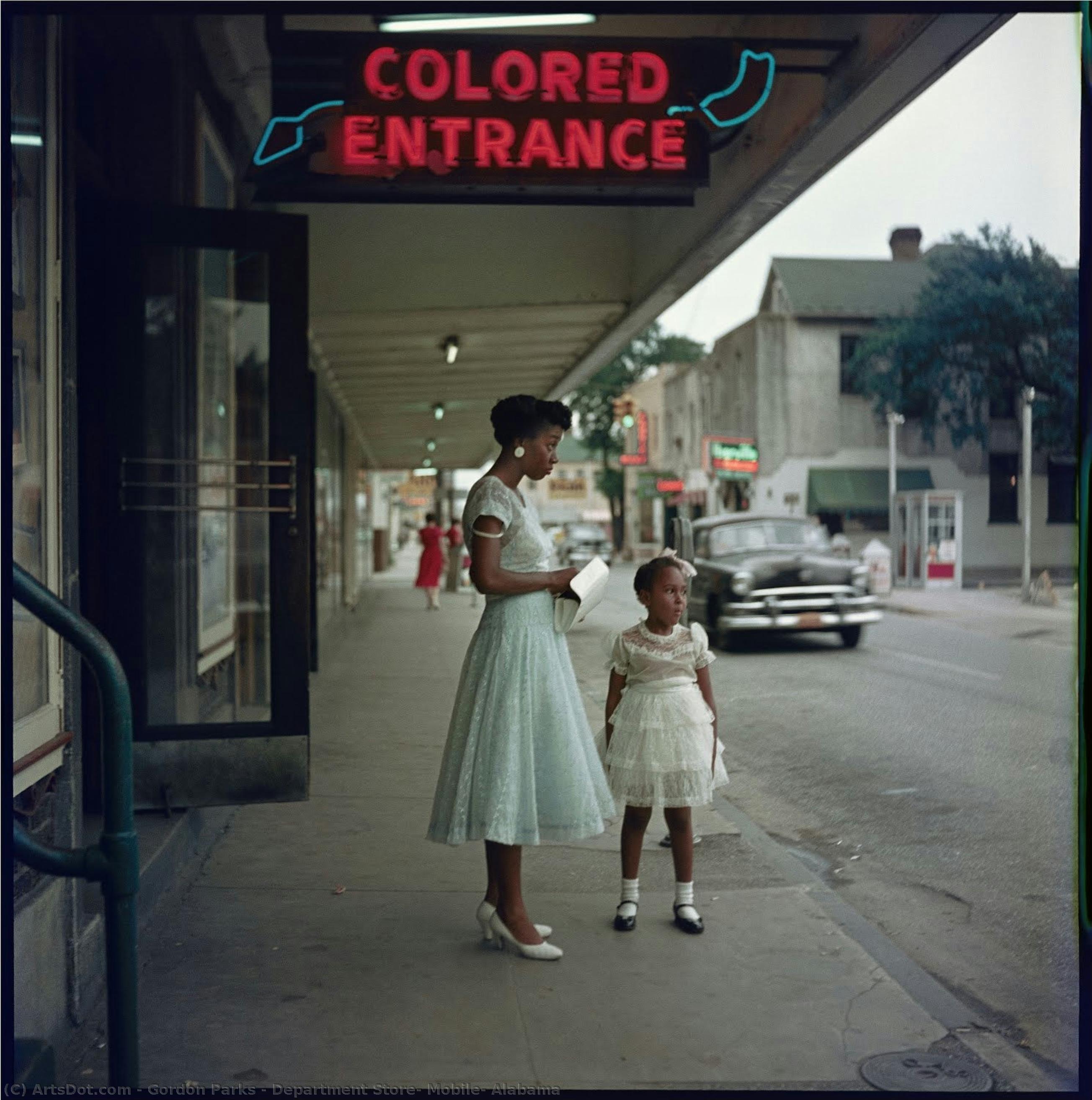
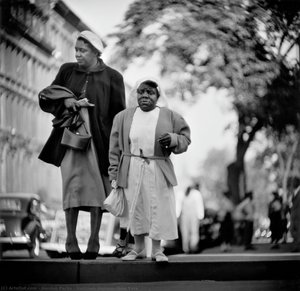
Department Store, Mobile, Alabama


 Read More
Hand Made Oil Reproduction
Hand-painted oil on canvas in your size and frame, made to order by our artists. ( Buy Print Buy Image)




































Pick from our preset sizes that match the artwork's original proportions.

You may enter your own dimensions to fit a specific frame or space. If your selected size does not match the original image's proportions, we will either crop the artwork or extend the painting with additional hand-painted elements. A digital mockup will be sent for your approval before production begins.
Please note that the on-screen preview does not reflect the actual cropping or extension. Only the mockup will accurately show the final composition.
While custom sizes are available, we recommend selecting a dimension from the predefined list to preserve the original proportions.
After order, ArtsDot.com team will email client for instructions and provide a mockup preview
Worldwide Delivery () in 3/4 weeks instead of standard 5 weeks. (20 August). No compromise on quality.

Free Worldwide Express Shipping

High-Quality Linen Canvas

Full Shipping Insurance

Customs Tax Refund Guarantee

True Color Matching Guarantee

60-Day Return Policy (Defects Only)

100% Money-Back Guarantee

Bulk Discount Offer
 Glass option is only available in size under 110 CM

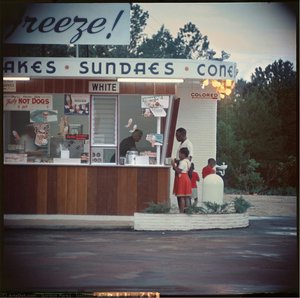
Department Store, Mobile, Alabama
Reproduction Medium
Reproduction Size
-


Total Price
$ 288
Artwork Description
A Quiet Assertion of Dignity: Examining Gordon Parks’s “Department Store, Mobile, Alabama”
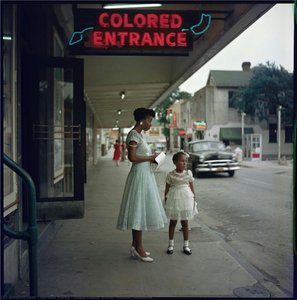
Gordon Parks's photograph "Department Store, Mobile, Alabama," captured in 1956 for Life Magazine, transcends mere documentation; it embodies a profound statement about the human condition amidst institutional prejudice. This seemingly simple image—two women standing before a storefront emblazoned with “COLORED ENTRANCE”—holds within its frame layers of significance that resonate powerfully even today. Parks’s deliberate choice to employ color in an era dominated by black-and-white photography wasn't merely stylistic; it served as a crucial tactic for conveying empathy and highlighting the subtle nuances of everyday life under segregation.- Subject Matter & Context: The photograph depicts a domestic scene—a mother and daughter navigating the public space of Mobile, Alabama—during the Jim Crow era. This selection deliberately eschewed grand narratives of protest or confrontation, opting instead for an intimate portrayal that powerfully communicates the pervasive reality of racial discrimination.
- Stylistic Approach: Parks’s documentary style prioritizes realism and objectivity, yet it's infused with a humanist sensibility. The composition utilizes a central perspective, subtly directing the viewer’s gaze to the women’s expressions and interaction—a deliberate tactic designed to foster connection and provoke contemplation.
- Technical Considerations: Parks skillfully leveraged natural daylight, creating soft shadows that illuminate details within the scene and reinforcing the photograph's sense of immediacy. The muted color palette—pale blues, whites, pinks, and greens—contrasts sharply with the bold red sign of the department store entrance, amplifying its symbolic impact.
Color as a Catalyst for Emotional Resonance
Parks’s decision to utilize color was revolutionary at the time. While black-and-white photography dominated documentary filmmaking and journalism, Parks recognized that color could amplify emotional depth and nuance. The pastel hues evoke a nostalgic atmosphere, mirroring the quiet resilience of the subjects—a subtle defiance against societal constraints conveyed through visual language. Furthermore, the juxtaposition of warm colors with cool tones underscores the tension inherent in the segregated environment depicted.- Symbolism: The “COLORED ENTRANCE” sign itself functions as a potent symbol—a stark reminder of legal segregation and the limitations imposed upon African Americans. Yet, Parks’s focus on the women's faces conveys an unspoken message of dignity and perseverance.
- Texture & Lighting: The photograph’s textures—smooth fabrics, polished surfaces, and glass windows—are rendered with meticulous detail, contributing to a sense of realism. Similarly, natural lighting casts gentle shadows, enhancing the scene's atmosphere and emphasizing key elements within the composition.
Legacy & Impact
“Department Store, Mobile, Alabama” stands as an exemplar of documentary photography’s ability to elicit empathy and challenge preconceptions. Parks’s image transcends its historical context, continuing to inspire dialogue about racial justice and reminding viewers of the importance of recognizing human dignity in seemingly unremarkable moments. Reproductions of this artwork offer a powerful opportunity to engage with a seminal piece of civil rights history—a testament to Parks's artistic vision and enduring contribution to visual storytelling.Related Artworks



Artist Biography
early life and career
gordon roger alexander buchanan parks, an american photographer, musician, writer, and film director, was born on november 30, 1912, in fort scott, kansas. he was the youngest of fifteen children to sarah (née ross) and jackson parks. parks' early life was marked by segregation, which he experienced firsthand in his hometown.as a self-taught artist, parks began his career as a photographer, eventually becoming the first african american to work for life and vogue magazines. his iconic photos of poor americans during the 1940s, taken for a federal government project, are a testament to his skill and dedication.
notable works and achievements
- shaft (1971), a film directed by parks, which became a cultural phenomenon.
- the learning tree (1969), a semiautobiographical film that marked parks' directorial debut.
- a choice of weapons (1985), a memoir that showcases parks' writing prowess.
- life magazine's photographic essays, which cemented parks' status as a prominent photojournalist.
museums and collections
- the melvin holmes collection, featuring an extensive collection of parks' work. [https://www.holmesartgallery.com/gordonparks](https://www.holmesartgallery.com/gordonparks)
- moma (the museum of modern art), which has an impressive collection of parks' photographs. [https://www.moma.org/artists/8083](https://www.moma.org/artists/8083)
awards and legacy
- naacp image award (2003)
- pga oscar micheaux award (1993)
- national medal of arts (1988)
- spingarn medal (1972)
gordon parks' legacy extends beyond his impressive body of work, as he paved the way for future generations of african american artists. his contributions to photojournalism, filmmaking, and music continue to inspire and influence artists today.
selected works on ArtsDot.com
- emerging man (gelatin silver print), a powerful photograph showcasing parks' skill. [https://ArtsDot.com/d3xgfc-gordon-parks-emerging-man](https://ArtsDot.com/d3xgfc-gordon-parks-emerging-man)
- portrait of mrs. lucy johnson (gelatin silver print), a poignant portrait that highlights parks' storytelling ability. [https://ArtsDot.com/d4dblu-gordon-parks-portrait-of-mrs-lucy-johnson](https://ArtsDot.com/d4dblu-gordon-parks-portrait-of-mrs-lucy-johnson)
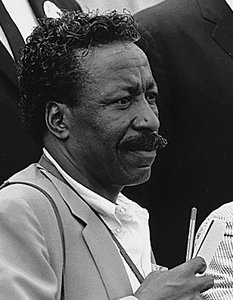
Gordon Parks
1912 - 2006 , United States of America
Quick Facts
- Artistic Movement Or Style: Photojournalism, Social Realism
- Artists Or Movements Influenced By This Artist: Future African American artists
- Date Of Birth: November 30, 1912
- Date Of Death: March 7, 2006
- Full Name: Gordon Roger Alexander Buchanan Parks
- Nationality: American
- Notable Artworks:
- Shaft
- The Learning Tree
- Emerging Man
- Harlem Gang Wars
- Night Rumble
- Place Of Birth: Fort Scott, USA
Related Articles
Gordon Parks: A Poetic Lens on American Life – Photography, Social Justice & Storytelling
Explore the profound work of Gordon Parks, a groundbreaking photographer who documented American life with unparalleled empathy and artistry. Discover his iconic images & lasting impact on social justice through Life magazine & beyond.

Witnessing History Through Lens & Light: Documentary Photography's Enduring Legacy
Explore the powerful history of documentary photography – from its origins to contemporary masters like Gordon Parks & W. Eugene Smith. Discover how this art form shapes our understanding of society and witness pivotal moments in time.

Documentary Photography's Defining Moments: 10 Masterpieces for Your Home |
Explore 10 defining documentary photography masterpieces – from Dorothea Lange to Robert Capa. Discover powerful stories, iconic images & timeless art for your home. Museum-quality prints at .

Witnessing History: Documentary Photography as an Art Movement
Explore the powerful history of documentary photography – from its origins to contemporary masters like Gordon Parks. Discover how this art form shapes our understanding of society and witness pivotal moments in time.

Monochrome Visions: Exploring the Aesthetic & Historical Significance of Black & White Photography
Explore the rich history & artistic power of black and white photography. From early techniques to iconic masters like Ansel Adams, discover why monochrome continues to captivate art lovers today. Expert insights for collectors.