 Send
Send Share
Share
 Details

 Download
 Similars
 Diaporama
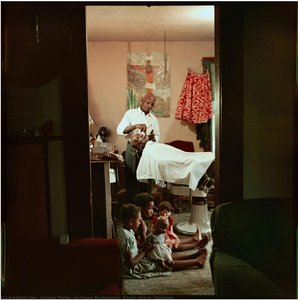
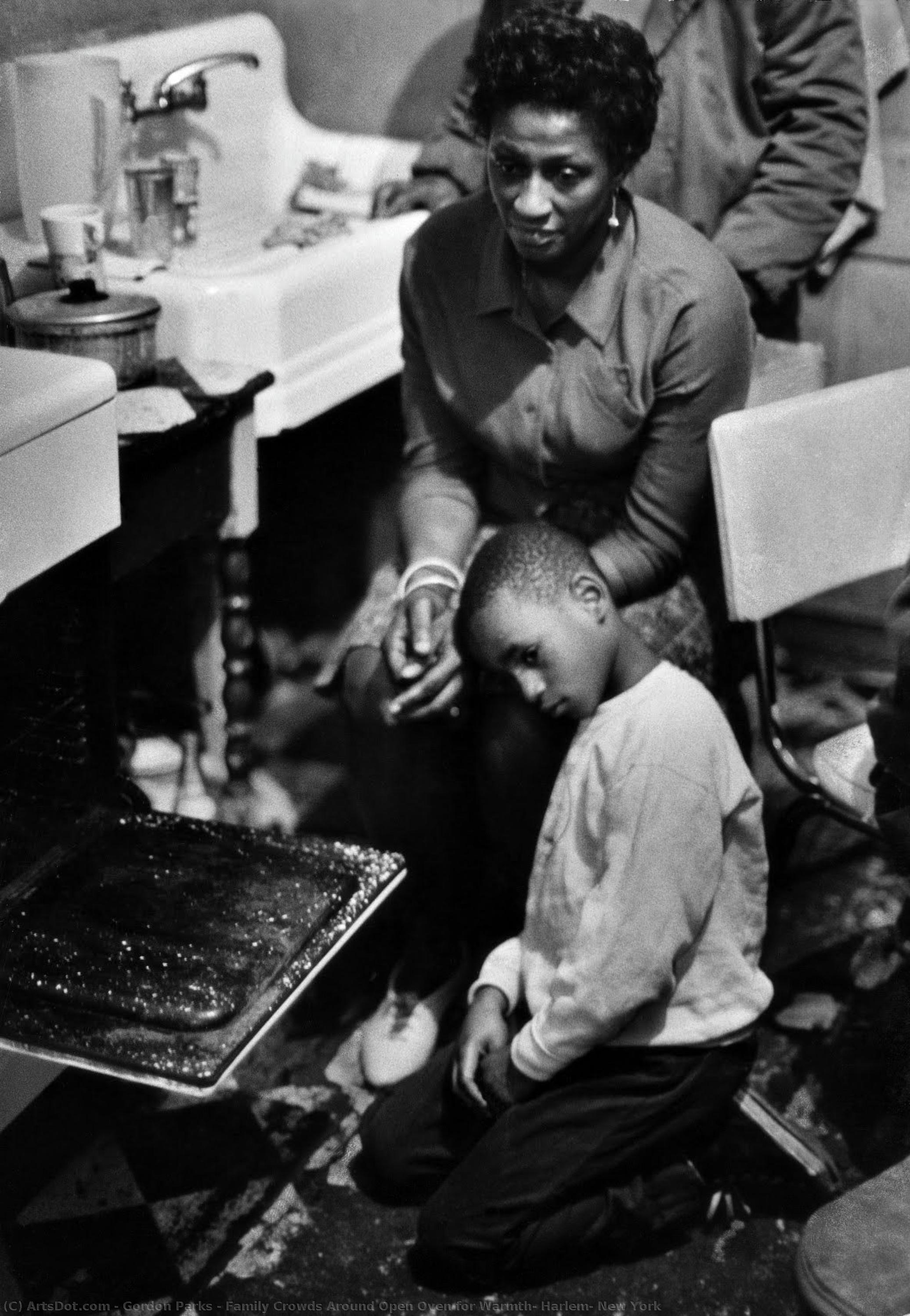
Family Crowds Around Open Oven for Warmth, Harlem, New York


 Read More
Hand Made Oil Reproduction
Hand-painted oil on canvas in your size and frame, made to order by our artists. ( Buy Print Buy Image)




































Pick from our preset sizes that match the artwork's original proportions.

You may enter your own dimensions to fit a specific frame or space. If your selected size does not match the original image's proportions, we will either crop the artwork or extend the painting with additional hand-painted elements. A digital mockup will be sent for your approval before production begins.
Please note that the on-screen preview does not reflect the actual cropping or extension. Only the mockup will accurately show the final composition.
While custom sizes are available, we recommend selecting a dimension from the predefined list to preserve the original proportions.
After order, ArtsDot.com team will email client for instructions and provide a mockup preview
Worldwide Delivery () in 3/4 weeks instead of standard 5 weeks. (22 August). No compromise on quality.

Free Worldwide Express Shipping

High-Quality Linen Canvas

Full Shipping Insurance

Customs Tax Refund Guarantee

True Color Matching Guarantee

60-Day Return Policy (Defects Only)

100% Money-Back Guarantee

Bulk Discount Offer
 Glass option is only available in size under 110 CM

Family Crowds Around Open Oven for Warmth, Harlem, New York
Reproduction Medium
Reproduction Size
-


Total Price
$ 363
Artwork Description
A Quiet Resilience in Monochrome
In the heart of Harlem, 1967, Gordon Parks captured a moment that transcends the mere documentation of hardship, offering instead a profound meditation on human connection. "Family Crowds Around Open Oven for Warmth, Harlem, New York" is a masterwork of American social realism that invites the viewer into an intimate, domestic sanctuary carved out of urban struggle. The photograph centers on a woman and a young boy, seated closely upon the floor near a sink, their forms bathed in a soft, natural light that lends an almost sacred dignity to their presence. Through Parks’s lens, we do not simply witness poverty; we encounter the quiet strength of a family unit forged in the crucible of necessity.
The composition is a delicate dance of lines and shadows. The structural elements of the kitchen—the edge of the sink, the placement of a simple chair, and the steady horizontal plane of the floor—act as leading lines that draw the eye inward toward the emotional core of the image. There is a rhythmic quality to the arrangement, where the geometric rigidity of the household objects contrasts beautifully with the organic, tender curves of the human figures. This interplay creates a sense of depth and spatial recession, making the viewer feel less like an observer and more like a silent guest within this private, shared space.
The Artistry of Light and Shadow
Technically, the photograph is a triumph of gelatin silver printing. Parks utilized the full tonal range of monochrome film to create a world built from silver, ash, and obsidian. The deep, velvety blacks define the shadows within the room, providing a sense of weight and enclosure, while the bright, luminous whites of the sink and highlights on skin provide much-needed breath and clarity. This meticulous control of exposure ensures that every texture—from the rough grain of the flooring to the smooth, cold surface of the porcelain—is rendered with palpable realism.
The absence of color serves a vital narrative purpose. By stripping away the distractions of a chromatic palette, Parks forces our attention onto form, light, and emotion. The grayscale spectrum allows for a subtle gradation of tones that captures the atmospheric quality of a cold New York winter. It is through these nuanced shades of gray that the warmth of the oven is felt visually; though we cannot feel the heat, we see it reflected in the way the light clings to the subjects, creating a visual metaphor for the emotional warmth found in their togetherness.
A Legacy of Symbolism and Soul
Beyond its aesthetic brilliance, this work carries immense symbolic weight. The open oven serves as a powerful totem—a literal source of heat in a period of deprivation, but also a symbol of vulnerability and the shared struggle of the Black experience in mid-century America. Yet, Parks avoids a purely tragic narrative. By focusing on the proximity of the figures and their unified posture, he elevates the scene to a portrait of resilience. The image suggests that while resources may be scarce, the communal spirit remains abundant.
For the discerning collector or interior designer, this reproduction offers more than just a striking visual element; it provides a conversation piece rooted in historical significance and emotional depth. It is an ideal selection for spaces that value soulful, documentary-style art—places where one wishes to evoke themes of empathy, strength, and the enduring beauty of the human spirit. To hang this work is to honor a pivotal moment in photographic history and to bring a sense of profound, quiet narrative into the modern home.
Related Artworks
Artist Biography
early life and career
gordon roger alexander buchanan parks, an american photographer, musician, writer, and film director, was born on november 30, 1912, in fort scott, kansas. he was the youngest of fifteen children to sarah (née ross) and jackson parks. parks' early life was marked by segregation, which he experienced firsthand in his hometown.as a self-taught artist, parks began his career as a photographer, eventually becoming the first african american to work for life and vogue magazines. his iconic photos of poor americans during the 1940s, taken for a federal government project, are a testament to his skill and dedication.
notable works and achievements
- shaft (1971), a film directed by parks, which became a cultural phenomenon.
- the learning tree (1969), a semiautobiographical film that marked parks' directorial debut.
- a choice of weapons (1985), a memoir that showcases parks' writing prowess.
- life magazine's photographic essays, which cemented parks' status as a prominent photojournalist.
museums and collections
- the melvin holmes collection, featuring an extensive collection of parks' work. [https://www.holmesartgallery.com/gordonparks](https://www.holmesartgallery.com/gordonparks)
- moma (the museum of modern art), which has an impressive collection of parks' photographs. [https://www.moma.org/artists/8083](https://www.moma.org/artists/8083)
awards and legacy
- naacp image award (2003)
- pga oscar micheaux award (1993)
- national medal of arts (1988)
- spingarn medal (1972)
gordon parks' legacy extends beyond his impressive body of work, as he paved the way for future generations of african american artists. his contributions to photojournalism, filmmaking, and music continue to inspire and influence artists today.
selected works on ArtsDot.com
- emerging man (gelatin silver print), a powerful photograph showcasing parks' skill. [https://ArtsDot.com/d3xgfc-gordon-parks-emerging-man](https://ArtsDot.com/d3xgfc-gordon-parks-emerging-man)
- portrait of mrs. lucy johnson (gelatin silver print), a poignant portrait that highlights parks' storytelling ability. [https://ArtsDot.com/d4dblu-gordon-parks-portrait-of-mrs-lucy-johnson](https://ArtsDot.com/d4dblu-gordon-parks-portrait-of-mrs-lucy-johnson)
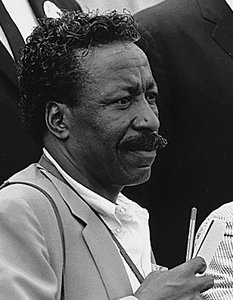
Gordon Parks
1912 - 2006 , United States of America
Quick Facts
- Artistic Movement Or Style: Photojournalism, Social Realism
- Artists Or Movements Influenced By This Artist: Future African American artists
- Date Of Birth: November 30, 1912
- Date Of Death: March 7, 2006
- Full Name: Gordon Roger Alexander Buchanan Parks
- Nationality: American
- Notable Artworks:
- Shaft
- The Learning Tree
- Emerging Man
- Harlem Gang Wars
- Night Rumble
- Place Of Birth: Fort Scott, USA
Related Articles
Gordon Parks: A Poetic Lens on American Life – Photography, Social Justice & Storytelling
Explore the profound work of Gordon Parks, a groundbreaking photographer who documented American life with unparalleled empathy and artistry. Discover his iconic images & lasting impact on social justice through Life magazine & beyond.

Monochrome Visions: Exploring the Aesthetic & Historical Significance of Black & White Photography
Explore the rich history & artistic power of black and white photography. From early techniques to iconic masters like Ansel Adams, discover why monochrome continues to captivate art lovers today. Expert insights for collectors.
Witnessing History Through Lens & Light: Documentary Photography's Enduring Legacy
Explore the powerful history of documentary photography – from its origins to contemporary masters like Gordon Parks & W. Eugene Smith. Discover how this art form shapes our understanding of society and witness pivotal moments in time.
Beyond the Lens: Photography's Enduring Influence on Modern & Contemporary Art
Explore photography's pivotal role in shaping modern & contemporary art. Discover key movements, influential artists like Stieglitz, and expert collecting advice from ArtsDot.
Witnessing History: Documentary Photography as an Art Movement
Explore the powerful history of documentary photography – from its origins to contemporary masters like Gordon Parks. Discover how this art form shapes our understanding of society and witness pivotal moments in time.