 Preview
 Send
Send Share
Share
 Details

 Download
 Similars
 X-Ray
X-Ray Diaporama
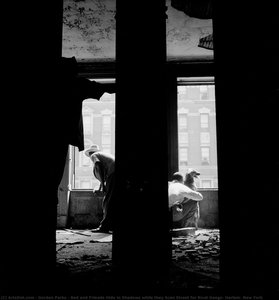
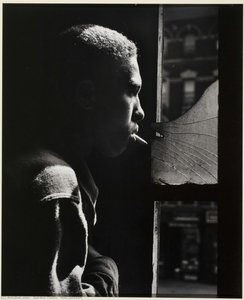
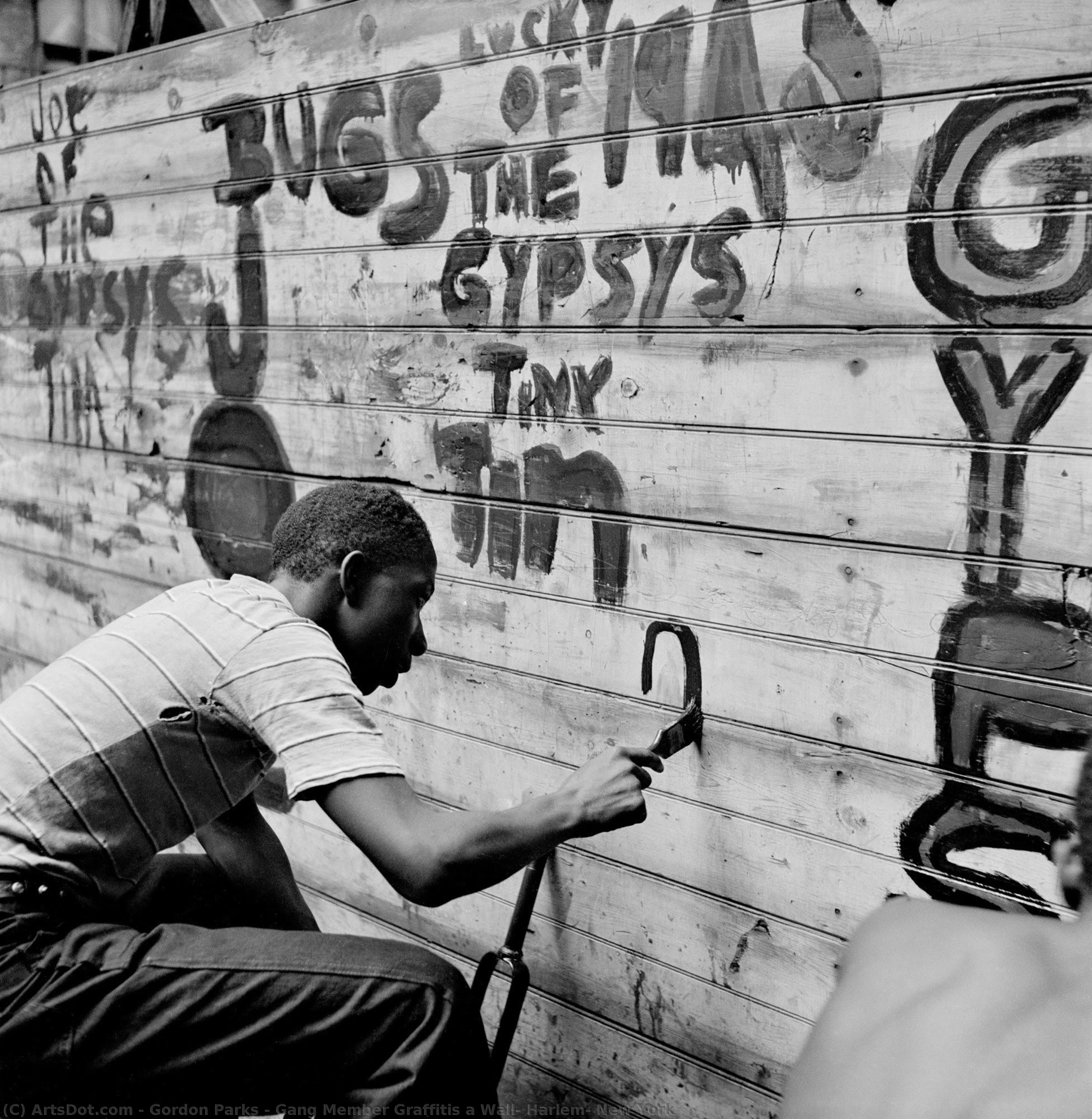
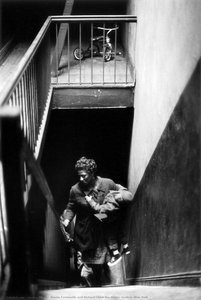
Gang Member Graffitis a Wall, Harlem, New York


 Read More
Giclée / Art Print
Museum-quality giclée or canvas print with fast production and flexible finish options. ( Buy Hand Made Painting Buy Image)




P118B $10

P118H $10

P118W $10

P438Z $10

P508JH $12

P508YH $12

P805H $10

P805Z $10

P919BZ $10

P919G $10

P919XJ $10

P959ZH $10

P968JZ $12

W106C $8

W218G $10

W218JH $8

W218Y $10

W307PJ $10

W316G $10

W316PJ $8

W316Y $10

W398PJ $8

W4111J $10

W500HY $15

W500JH $15

W692G $12

W849H $8

W940BG $15

W953PJ $8




Pick from our preset sizes that match the artwork's original proportions.

You may enter your own dimensions to fit a specific frame or space. If your selected size does not match the original image's proportions, we will either crop the artwork or extend the image with a mirrored or solid-fill edge. A digital mockup will be sent for your approval before production begins.
Please note that the on-screen preview does not reflect the actual cropping or extension. Only the mockup will accurately show the final composition.
While custom sizes are available, we recommend selecting a dimension from the predefined list to preserve the original proportions.
Worldwide Delivery () in 2 weeks instead of standard 4/5 weeks. (19 August)

Free Worldwide Express Shipping

High-Quality Linen Canvas

Full Shipping Insurance

Customs Tax Refund Guarantee

True Color Matching Guarantee

60-Day Return Policy (Defects Only)

100% Money-Back Guarantee

Bulk Discount Offer
 Glass option is only available in size under 110 CM

Gang Member Graffitis a Wall, Harlem, New York
Giclée / Art Print
Reproduction Size
-


Total Price
$ 63
Collectible Description
A Moment Frozen in Harlem’s Soul
Gordon Parks' "Gang Member Graffitis a Wall, Harlem, New York," captured in 1948, isn’t merely a photograph; it’s a visceral snapshot of urban America grappling with its own identity. The image, a testament to Parks’ pioneering documentary style, presents a young man – identified as Red Jackson – meticulously applying paint to a weathered brick wall in Harlem's vibrant and complex landscape. This wasn’t a staged portrait but an unscripted moment, a raw glimpse into the daily life of a community on the cusp of profound change. The scene is bathed in the soft, natural light of a late afternoon, casting long shadows that accentuate the textures of the wooden planks beneath Jackson's hands and the rough-hewn surface of the wall itself. The composition, subtly angled as if observed from just below eye level, draws the viewer directly into this intimate act of creation – a defiant assertion of self within a challenging environment.
Documenting a Crucible: Parks’ Approach & The FSA
Parks' work with the Farm Security Administration (FSA) in 1948 marked a pivotal moment not only for his career but also for American photography. The FSA, established during the Great Depression, aimed to document the plight of rural and urban Americans facing economic hardship. Parks’ assignment within this project allowed him unprecedented access to marginalized communities – particularly African-American populations – offering a rare opportunity to portray their lives with honesty and empathy. This photograph exemplifies that approach: it avoids romanticization or judgment, instead presenting Jackson as an individual engaged in a creative act, a symbol of resilience amidst adversity. The image’s power lies in its ability to transcend the specifics of gang life and speak to universal themes of self-expression, community, and the search for identity.
Graffiti's Echoes: Symbolism & Social Commentary
The act of graffiti itself is deeply symbolic. In 1948, it was a relatively nascent form of artistic expression within African-American communities, often used to mark territory, declare allegiance, and communicate messages – both celebratory and critical – to the wider world. Parks’ photograph captures this spirit of rebellion and self-representation with remarkable acuity. The vibrant colors of the graffiti contrast sharply with the muted tones of the surrounding environment, drawing attention to the young man's work and suggesting a desire for visibility and recognition. It’s a visual declaration of presence in a society that often sought to marginalize and ignore them. The wall itself becomes a canvas—a space where Jackson asserts his voice and claims ownership of his surroundings.
A Legacy Preserved: Parks' Enduring Impact
“Gang Member Graffitis a Wall, Harlem, New York” is more than just a historical document; it’s a powerful work of art that continues to resonate today. Gordon Parks’ ability to capture the essence of a moment—the energy, the struggle, and the hope—solidifies his place as one of America's most important photographers. His images offer invaluable insights into the social and cultural dynamics of mid-20th century America, particularly within the context of the Harlem Renaissance and the Civil Rights Movement. Reproductions of this photograph serve not only as reminders of a specific time and place but also as potent symbols of artistic expression, community resilience, and the enduring quest for self-determination – qualities that remain profoundly relevant in our own complex world. The image’s continued presence within the Gordon Parks Foundation's archives ensures its legacy will continue to inspire generations.
Related Artworks

Artist Biography
early life and career
gordon roger alexander buchanan parks, an american photographer, musician, writer, and film director, was born on november 30, 1912, in fort scott, kansas. he was the youngest of fifteen children to sarah (née ross) and jackson parks. parks' early life was marked by segregation, which he experienced firsthand in his hometown.as a self-taught artist, parks began his career as a photographer, eventually becoming the first african american to work for life and vogue magazines. his iconic photos of poor americans during the 1940s, taken for a federal government project, are a testament to his skill and dedication.
notable works and achievements
- shaft (1971), a film directed by parks, which became a cultural phenomenon.
- the learning tree (1969), a semiautobiographical film that marked parks' directorial debut.
- a choice of weapons (1985), a memoir that showcases parks' writing prowess.
- life magazine's photographic essays, which cemented parks' status as a prominent photojournalist.
museums and collections
- the melvin holmes collection, featuring an extensive collection of parks' work. [https://www.holmesartgallery.com/gordonparks](https://www.holmesartgallery.com/gordonparks)
- moma (the museum of modern art), which has an impressive collection of parks' photographs. [https://www.moma.org/artists/8083](https://www.moma.org/artists/8083)
awards and legacy
- naacp image award (2003)
- pga oscar micheaux award (1993)
- national medal of arts (1988)
- spingarn medal (1972)
gordon parks' legacy extends beyond his impressive body of work, as he paved the way for future generations of african american artists. his contributions to photojournalism, filmmaking, and music continue to inspire and influence artists today.
selected works on ArtsDot.com
- emerging man (gelatin silver print), a powerful photograph showcasing parks' skill. [https://ArtsDot.com/d3xgfc-gordon-parks-emerging-man](https://ArtsDot.com/d3xgfc-gordon-parks-emerging-man)
- portrait of mrs. lucy johnson (gelatin silver print), a poignant portrait that highlights parks' storytelling ability. [https://ArtsDot.com/d4dblu-gordon-parks-portrait-of-mrs-lucy-johnson](https://ArtsDot.com/d4dblu-gordon-parks-portrait-of-mrs-lucy-johnson)
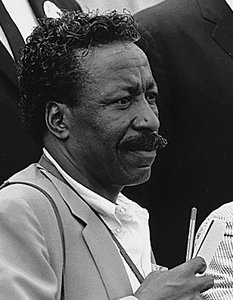
Gordon Parks
1912 - 2006 , United States of America
Quick Facts
- Artistic Movement Or Style: Photojournalism, Social Realism
- Artists Or Movements Influenced By This Artist: Future African American artists
- Date Of Birth: November 30, 1912
- Date Of Death: March 7, 2006
- Full Name: Gordon Roger Alexander Buchanan Parks
- Nationality: American
- Notable Artworks:
- Shaft
- The Learning Tree
- Emerging Man
- Harlem Gang Wars
- Night Rumble
- Place Of Birth: Fort Scott, USA
Related Articles
Gordon Parks: A Poetic Lens on American Life – Photography, Social Justice & Storytelling
Explore the profound work of Gordon Parks, a groundbreaking photographer who documented American life with unparalleled empathy and artistry. Discover his iconic images & lasting impact on social justice through Life magazine & beyond.

Monochrome Visions: Exploring the Aesthetic & Historical Significance of Black & White Photography
Explore the rich history & artistic power of black and white photography. From early techniques to iconic masters like Ansel Adams, discover why monochrome continues to captivate art lovers today. Expert insights for collectors.
Witnessing History Through Lens & Light: Documentary Photography's Enduring Legacy
Explore the powerful history of documentary photography – from its origins to contemporary masters like Gordon Parks & W. Eugene Smith. Discover how this art form shapes our understanding of society and witness pivotal moments in time.
Beyond the Lens: Photography's Enduring Influence on Modern & Contemporary Art
Explore photography's pivotal role in shaping modern & contemporary art. Discover key movements, influential artists like Stieglitz, and expert collecting advice from ArtsDot.
Witnessing History: Documentary Photography as an Art Movement
Explore the powerful history of documentary photography – from its origins to contemporary masters like Gordon Parks. Discover how this art form shapes our understanding of society and witness pivotal moments in time.