 Preview
 Send
Send Share
Share
 Details

 Download
 Similars
 X-Ray
X-Ray Diaporama
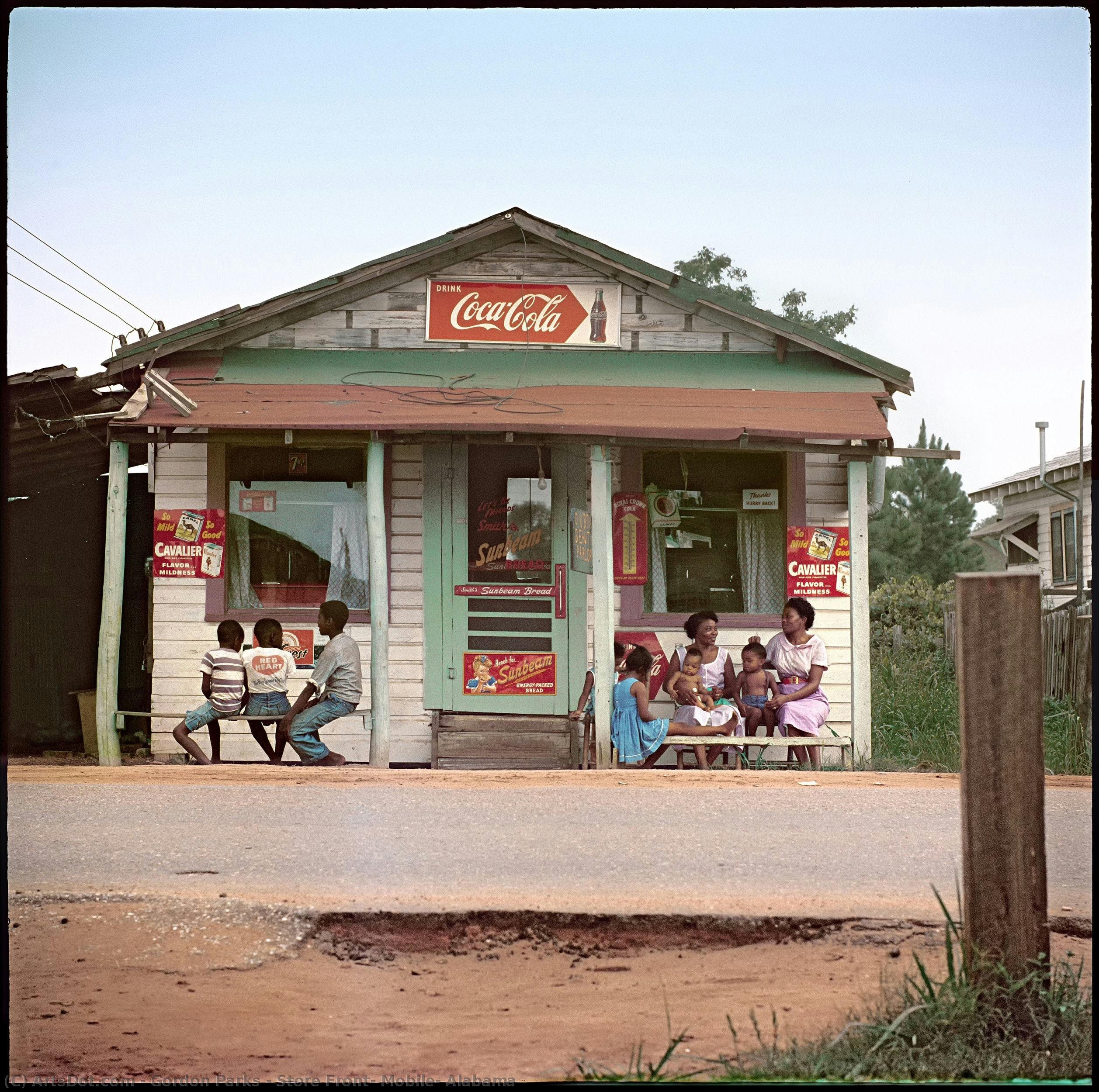
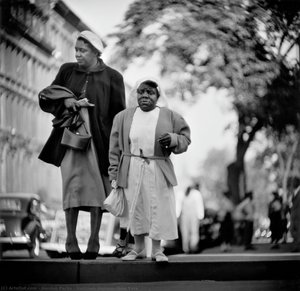
Store Front, Mobile, Alabama


 Read More
Hand Made Oil Reproduction
Hand-painted oil on canvas in your size and frame, made to order by our artists. ( Buy Print Buy Image)




P118B $10

P118H $10

P118W $10

P438Z $10

P508JH $12

P508YH $12

P805H $10

P805Z $10

P919BZ $10

P919G $10

P919XJ $10

P959ZH $10

P968JZ $12

W106C $8

W218G $10

W218JH $8

W218Y $10

W307PJ $10

W316G $10

W316PJ $8

W316Y $10

W398PJ $8

W4111J $10

W500HY $15

W500JH $15

W692G $12

W849H $8

W940BG $15

W953PJ $8




Pick from our preset sizes that match the artwork's original proportions.

You may enter your own dimensions to fit a specific frame or space. If your selected size does not match the original image's proportions, we will either crop the artwork or extend the painting with additional hand-painted elements. A digital mockup will be sent for your approval before production begins.
Please note that the on-screen preview does not reflect the actual cropping or extension. Only the mockup will accurately show the final composition.
While custom sizes are available, we recommend selecting a dimension from the predefined list to preserve the original proportions.
After order, ArtsDot.com team will email client for instructions and provide a mockup preview
Worldwide Delivery () in 3/4 weeks instead of standard 5 weeks. (18 August). No compromise on quality.

Free Worldwide Express Shipping

High-Quality Linen Canvas

Full Shipping Insurance

Customs Tax Refund Guarantee

True Color Matching Guarantee

60-Day Return Policy (Defects Only)

100% Money-Back Guarantee

Bulk Discount Offer
 Glass option is only available in size under 110 CM

Store Front, Mobile, Alabama
Reproduction Medium
Reproduction Size
-


Total Price
$ 263
Artwork Description
A Frozen Moment in Southern Life
Gordon Parks’s “Store Front, Mobile, Alabama, 1956” isn't merely a photograph; it’s a meticulously crafted window into a vanished world—a poignant tableau of everyday life under the oppressive weight of Jim Crow segregation. Captured during his assignment for *Life* magazine, this image transcends its documentary origins to become a powerful meditation on empathy and the quiet dignity of ordinary people facing extraordinary circumstances. Parks, already a rising star in photography, eschewed the sensationalism often associated with civil rights imagery, instead choosing to focus on the seemingly mundane: a storefront in Mobile, Alabama, bathed in the warm, diffused light of a Southern afternoon. The scene is deceptively simple – a Coca-Cola sign proudly proclaiming its presence above the entrance, a weathered bench inviting weary customers, and several individuals gathered outside, engaged in conversation or simply observing the world around them. Yet, within this apparent stillness lies a profound narrative of resilience and quiet resistance.The Language of Color and Light
What immediately distinguishes “Store Front” is Parks’s masterful use of color—a bold departure from the predominantly black-and-white photography prevalent at the time. He deliberately employed saturated hues, particularly in the red of the Coca-Cola sign and the yellow of the building's facade, creating a vibrant contrast against the muted tones of the surrounding landscape. This deliberate infusion of color wasn’t simply aesthetic; it served to draw attention to the scene, inviting viewers to linger and contemplate its details. Parks expertly manipulated light, using natural illumination to sculpt the forms of the figures and create a sense of depth within the frame. The shadows cast by the building subtly emphasize the faces of those gathered outside, hinting at untold stories and experiences. This careful orchestration of color and light elevates the photograph beyond a simple snapshot, transforming it into a richly layered visual experience.A Window into Segregation’s Reality
The context surrounding this image is crucial to understanding its enduring power. Taken in 1956, during the height of the Civil Rights Movement, “Store Front” offers a rare glimpse into the daily realities of segregation in the American South. The Coca-Cola sign, a symbol of modernity and prosperity, stands in stark contrast to the racial inequalities that permeated every aspect of Southern life. The individuals depicted—a mix of Black men and women—represent the community’s resilience and their quiet determination to maintain dignity in the face of systemic oppression. Parks's choice to focus on this seemingly ordinary storefront highlights the fact that segregation wasn't confined to grand demonstrations or legal battles; it was woven into the fabric of everyday life, shaping people’s interactions, opportunities, and experiences. The photograph serves as a potent reminder of the pervasive nature of racial injustice and the importance of recognizing the humanity of those who have been marginalized.Symbolism and Emotional Resonance
Beyond its historical significance, “Store Front” is rich in symbolic meaning. The bench represents a brief respite from the hardships of daily life—a place for connection, conversation, and shared experience. The Coca-Cola sign, despite being a symbol of corporate America, also signifies a small measure of comfort and familiarity within a segregated environment. The figures themselves embody resilience, dignity, and community spirit. Parks’s deliberate framing invites viewers to project their own emotions onto the scene—to feel empathy for those depicted and to reflect on the enduring legacy of racial inequality. The photograph's emotional impact is profound, prompting us to confront uncomfortable truths about our past and to consider how we can build a more just and equitable future. It’s a testament to Parks’s skill that he could capture such complex emotions with such understated elegance.A Legacy of Photographic Storytelling
“Store Front, Mobile, Alabama, 1956” stands as a landmark achievement in photographic storytelling—a powerful example of how photography can be used to document social realities, challenge injustice, and foster empathy. Gordon Parks’s innovative use of color, his masterful manipulation of light, and his insightful portrayal of everyday life have cemented this image's place as an iconic representation of the Civil Rights Movement and a timeless meditation on human dignity. Reproductions of this photograph continue to resonate with audiences today, serving as a poignant reminder of the struggles faced by African Americans in the Jim Crow South and inspiring us to strive for a more inclusive and equitable society.Related Artworks




Artist Biography
early life and career
gordon roger alexander buchanan parks, an american photographer, musician, writer, and film director, was born on november 30, 1912, in fort scott, kansas. he was the youngest of fifteen children to sarah (née ross) and jackson parks. parks' early life was marked by segregation, which he experienced firsthand in his hometown.as a self-taught artist, parks began his career as a photographer, eventually becoming the first african american to work for life and vogue magazines. his iconic photos of poor americans during the 1940s, taken for a federal government project, are a testament to his skill and dedication.
notable works and achievements
- shaft (1971), a film directed by parks, which became a cultural phenomenon.
- the learning tree (1969), a semiautobiographical film that marked parks' directorial debut.
- a choice of weapons (1985), a memoir that showcases parks' writing prowess.
- life magazine's photographic essays, which cemented parks' status as a prominent photojournalist.
museums and collections
- the melvin holmes collection, featuring an extensive collection of parks' work. [https://www.holmesartgallery.com/gordonparks](https://www.holmesartgallery.com/gordonparks)
- moma (the museum of modern art), which has an impressive collection of parks' photographs. [https://www.moma.org/artists/8083](https://www.moma.org/artists/8083)
awards and legacy
- naacp image award (2003)
- pga oscar micheaux award (1993)
- national medal of arts (1988)
- spingarn medal (1972)
gordon parks' legacy extends beyond his impressive body of work, as he paved the way for future generations of african american artists. his contributions to photojournalism, filmmaking, and music continue to inspire and influence artists today.
selected works on ArtsDot.com
- emerging man (gelatin silver print), a powerful photograph showcasing parks' skill. [https://ArtsDot.com/d3xgfc-gordon-parks-emerging-man](https://ArtsDot.com/d3xgfc-gordon-parks-emerging-man)
- portrait of mrs. lucy johnson (gelatin silver print), a poignant portrait that highlights parks' storytelling ability. [https://ArtsDot.com/d4dblu-gordon-parks-portrait-of-mrs-lucy-johnson](https://ArtsDot.com/d4dblu-gordon-parks-portrait-of-mrs-lucy-johnson)
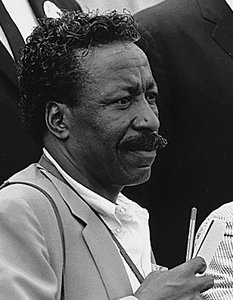
Gordon Parks
1912 - 2006 , United States of America
Quick Facts
- Artistic Movement Or Style: Photojournalism, Social Realism
- Artists Or Movements Influenced By This Artist: Future African American artists
- Date Of Birth: November 30, 1912
- Date Of Death: March 7, 2006
- Full Name: Gordon Roger Alexander Buchanan Parks
- Nationality: American
- Notable Artworks:
- Shaft
- The Learning Tree
- Emerging Man
- Harlem Gang Wars
- Night Rumble
- Place Of Birth: Fort Scott, USA
Related Articles
Gordon Parks: A Poetic Lens on American Life – Photography, Social Justice & Storytelling
Explore the profound work of Gordon Parks, a groundbreaking photographer who documented American life with unparalleled empathy and artistry. Discover his iconic images & lasting impact on social justice through Life magazine & beyond.

Monochrome Visions: Exploring the Aesthetic & Historical Significance of Black & White Photography
Explore the rich history & artistic power of black and white photography. From early techniques to iconic masters like Ansel Adams, discover why monochrome continues to captivate art lovers today. Expert insights for collectors.

Witnessing History Through Lens & Light: Documentary Photography's Enduring Legacy
Explore the powerful history of documentary photography – from its origins to contemporary masters like Gordon Parks & W. Eugene Smith. Discover how this art form shapes our understanding of society and witness pivotal moments in time.
Beyond the Lens: Photography's Enduring Influence on Modern & Contemporary Art
Explore photography's pivotal role in shaping modern & contemporary art. Discover key movements, influential artists like Stieglitz, and expert collecting advice from ArtsDot.

Witnessing History: Documentary Photography as an Art Movement
Explore the powerful history of documentary photography – from its origins to contemporary masters like Gordon Parks. Discover how this art form shapes our understanding of society and witness pivotal moments in time.