 Preview
 Send
Send Share
Share
 Details

 Download
 Similars
 X-Ray
X-Ray Diaporama
 Stats
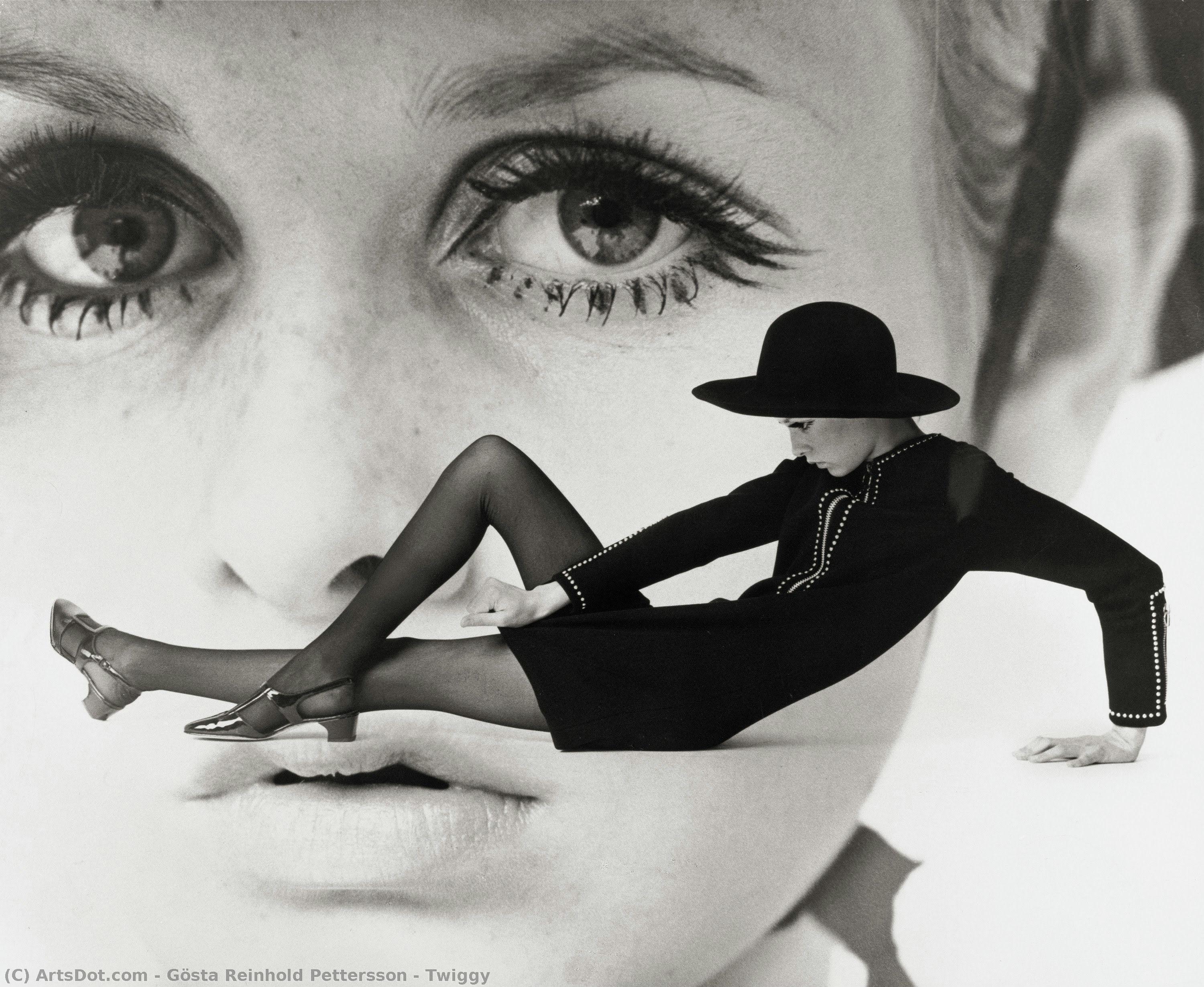
StatsTwiggy
 Acrylic On Canvas
- WallArt
- Impressionism
 1968
1968 40.0 x 50.0 cm
 Museum of Fine Arts
 Read More
Hand Made Oil Reproduction
Hand-painted oil on canvas in your size and frame, made to order by our artists. ( Switch to Print Switch to Digital Image)




P118B $10

P118H $10

P118W $10

P438Z $10

P508JH $12

P508YH $12

P805H $10

P805Z $10

P919BZ $10

P919G $10

P919XJ $10

P959ZH $10

P968JZ $12

W106C $8

W218G $10

W218JH $8

W218Y $10

W307PJ $10

W316G $10

W316PJ $8

W316Y $10

W398PJ $8

W4111J $10

W500HY $15

W500JH $15

W692G $12

W849H $8

W940BG $15

W953PJ $8




Pick from our preset sizes that match the artwork's original proportions.

You may enter your own dimensions to fit a specific frame or space. If your selected size does not match the original image's proportions, we will either crop the artwork or extend the painting with additional hand-painted elements. A digital mockup will be sent for your approval before production begins.
Please note that the on-screen preview does not reflect the actual cropping or extension. Only the mockup will accurately show the final composition.
While custom sizes are available, we recommend selecting a dimension from the predefined list to preserve the original proportions.
After order, ArtsDot.com team will email client for instructions and provide a mockup preview
Worldwide Delivery () in 3/4 weeks instead of standard 5 weeks. (7 September). No compromise on quality.

Free Worldwide Express Shipping

High-Quality Linen Canvas

Full Shipping Insurance

Customs Tax Refund Guarantee

True Color Matching Guarantee

100-Day Return Policy (Defects Only)

100% Money-Back Guarantee

Bulk Discount Offer
 Glass option is only available in size under 110 CM

Twiggy
Reproduction Medium
Reproduction Size
-


Total Price
$ 288
A Snapshot of Youthful Glamour: Gösta Peterson’s “Twiggy”
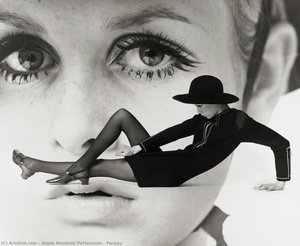
Gösta Reinhold Pettersson's photograph "Twiggy," created in 1968, transcends mere documentation; it embodies the spirit of a transformative era—the exuberant optimism and rebellious energy that defined the mid-century British youth culture. Captured by Gumaelius Annonsbyrå’s generous gift of a Rolleiflex camera, Peterson's lens didn’t simply record an image but actively participated in shaping its narrative. The resulting portrait is more than just a likeness of Twiggy; it’s a distillation of the stylistic conventions and emotional currents swirling around London at that moment.- Composition & Dynamism: Peterson skillfully employs diagonal lines to imbue the image with movement, mirroring the restless energy of the time. The placement of Twiggy's legs and arms contributes significantly to this dynamism, creating a visual rhythm that draws the eye across the frame.
- Lighting & Texture: Soft studio lighting minimizes harsh shadows, allowing for subtle tonal variations—essential for conveying the velvety texture of her dress and the luminous quality of her eyes. This deliberate illumination underscores the photograph’s aesthetic ambition.
- Stylistic Influences: Peterson's approach aligns closely with the broader trends of mid-century photography, prioritizing clarity and dramatic impact. Notably, he draws inspiration from Arthur Elgort’s work—a fellow innovator who championed a more informal style focused on capturing personality rather than idealized beauty.
Technical Mastery: Craftsmanship and Darkroom Alchemy
The photograph's monochrome palette—ranging from deep blacks to brilliant whites—is not merely stylistic; it’s a testament to Peterson’s technical prowess. Utilizing traditional darkroom processing techniques, he achieved remarkable tonal range and contrast, highlighting textures with meticulous precision. The careful manipulation of photographic film ensured that every nuance of light and shadow was faithfully reproduced, elevating the image beyond a simple snapshot into an artwork imbued with palpable atmosphere.- Material Considerations: Peterson’s choice of Rolleiflex camera—a medium format camera known for its optical viewfinder—allowed him to capture images with exceptional detail and depth.
- Darkroom Process: The darkroom process involved meticulous layering and blending techniques, maximizing the tonal range achievable through conventional printing methods. This dedication to craft speaks volumes about Peterson’s artistic vision.
Symbolism & Emotional Resonance: Glamour Meets Rebellion
“Twiggy” encapsulates the anxieties and aspirations of a generation eager to break free from societal constraints. The photograph's provocative pose—crossed legs, outstretched arms—suggests defiance while simultaneously conveying an undeniable allure. Peterson’s deliberate framing captures Twiggy’s gaze—a focal point that commands attention and invites contemplation—reflecting the psychological complexity inherent in portraying youth culture during this pivotal period.- Iconic Representation: The image solidified Twiggy's status as a cultural icon, embodying the youthful exuberance and rebellious spirit of the 1960s.
- Psychological Depth: Peterson’s masterful use of composition—particularly the placement of Twiggy’s eyes—reveals an underlying desire to explore the inner landscape of identity and self-expression.
A Legacy of Timeless Elegance
Gösta Peterson's "Twiggy" remains a cornerstone of fashion photography history, demonstrating how artistic vision can transform everyday subjects into enduring symbols of style and emotion. Its meticulous execution—combined with its evocative portrayal of youthful glamour—continues to inspire artists and collectors alike, cementing Peterson’s place as one of the most influential figures in mid-century visual culture. The photograph's reproduction offers a captivating glimpse into a bygone era, preserving the beauty and dynamism of a moment frozen in time.Related Artworks
Artist Biography
Early Life and Artistic Beginnings
Gösta Reinhold Pettersson, later known as Gösta Peterson (April 25, 1923 – July 28, 2017), was born in Örebro, Sweden. His formative years were marked by a fascination with illustration and advertising graphics, nurtured at the Anders Beckman Skola—a pivotal institution that championed modernist aesthetics during his time. Serving in the Swedish military from 1943 to 1944 provided him with invaluable discipline and experience, shaping his perspective on observation and meticulous craftsmanship. It was a generous gift from his employer, Gumaelius Annonsbyrå – the first modern advertising agency in Sweden – that ignited his passion for photography: a Rolleiflex camera, allowing him to explore the world through a lens of personal vision. This early exposure would prove instrumental in defining his distinctive artistic style.Move to New York and Photographic Evolution
Driven by restlessness and a desire for creative freedom, Peterson relocated to Stockholm in 1948 before embarking on an ambitious journey to New York City. Initially working as an illustrator at Lord & Taylor—a role that initially frustrated him with its constraints—he quickly discovered the liberating energy of urban life and honed his photographic skills through candid street photography. He embraced the ethos of experimentation prevalent in the 1960s, collaborating closely with Bea Feitler, Art Director for Harper’s Bazaar and Rolling Stone, who recognized Peterson's ability to capture “the most interesting fashion pages now – the ones that say the most about our times.” Duane Michals lauded him as “underrated,” acknowledging his pioneering approach to fashion photography—a rejection of conventional models in favor of capturing genuine human character.Collaborations and Recognition
Peterson’s career soared during the 1960s and 70s, fueled by a fruitful partnership with Patricia Evans, whom he met at a cocktail party. Evans became his muse and collaborator, serving as Fashion Editor for The New York Times from 1957 to 1977 and Vice President of Henri Bendel from 1977 to 1989—positions that allowed them to shape the visual landscape of influential fashion houses.Distinctive Style and Photographic Techniques
Peterson’s photographic style was characterized by a remarkable blend of spontaneity and artistic control. He eschewed staged poses, preferring to shoot “real people with quirks and personality,” rejecting assignments that demanded conformity. His innovative techniques—including using the shutter open while drawing on and around his subject with a strobe light—were lauded by critics like Roger Schoening, who described Peterson’s work as “nothing worse than an over-trained model who’s lost all sense of her body’s personality.” He consistently sought to convey emotion and narrative through carefully composed images.Legacy and Influence
Gösta Peterson's contribution to fashion photography is undeniable. His groundbreaking work influenced generations of artists, establishing a precedent for capturing human experience with honesty and artistry. Recognized as one of the foremost photographers of his era alongside Irving Penn and Richard Avedon, Peterson’s images continue to resonate today—testaments to his enduring vision and unwavering commitment to artistic integrity.
gösta reinhold pettersson
1923 - 2017 , Sweden
Quick Facts
- Artistic Movement Or Style: Fashion Photography
- Artists Or Movements Influenced By This Artist: ['Roger Schoening']
- Artists Who Influenced This Artist:
- Irving Penn
- Richard Avedon
- Date Of Birth: April 25, 1923
- Date Of Death: July 28, 2017
- Full Name: Gösta Reinhold Pettersson
- Nationality: Swedish-American
- Notable Artworks: ['Twiggy']
- Place Of Birth: Örebro, Sweden
Related Articles

Pictorialism: A Search for Artistic Photography's Soul – Aesthetics, Techniques & Legacy
Explore the captivating world of Pictorialism – a pivotal movement that transformed photography into fine art. Discover key artists like Stieglitz & Käsebier, techniques, and collecting tips from experts.
Witnessing History Through Lens & Light: Documentary Photography's Enduring Legacy
Explore the powerful history of documentary photography – from its origins to contemporary masters like Gordon Parks & W. Eugene Smith. Discover how this art form shapes our understanding of society and witness pivotal moments in time.

Dark Masterpieces: 10 Iconic Paintings Dominated by Black Tones |
Explore 10 iconic paintings dominated by black tones, from Rembrandt’s chiaroscuro to Goya's dark expressions. Discover the stories behind these masterpieces & find museum-quality art reproductions for your home at .

Monochrome Visions: Exploring the Aesthetic & Historical Significance of Black & White Photography
Explore the rich history & artistic power of black and white photography. From early techniques to iconic masters like Ansel Adams, discover why monochrome continues to captivate art lovers today. Expert insights for collectors.
Beyond the Lens: Photography's Enduring Influence on Modern & Contemporary Art
Explore photography's pivotal role in shaping modern & contemporary art. Discover key movements, influential artists like Stieglitz, and expert collecting advice from ArtsDot.