

 Send
Send Share
Share
 Details

 Download
 Similars
 Diaporama
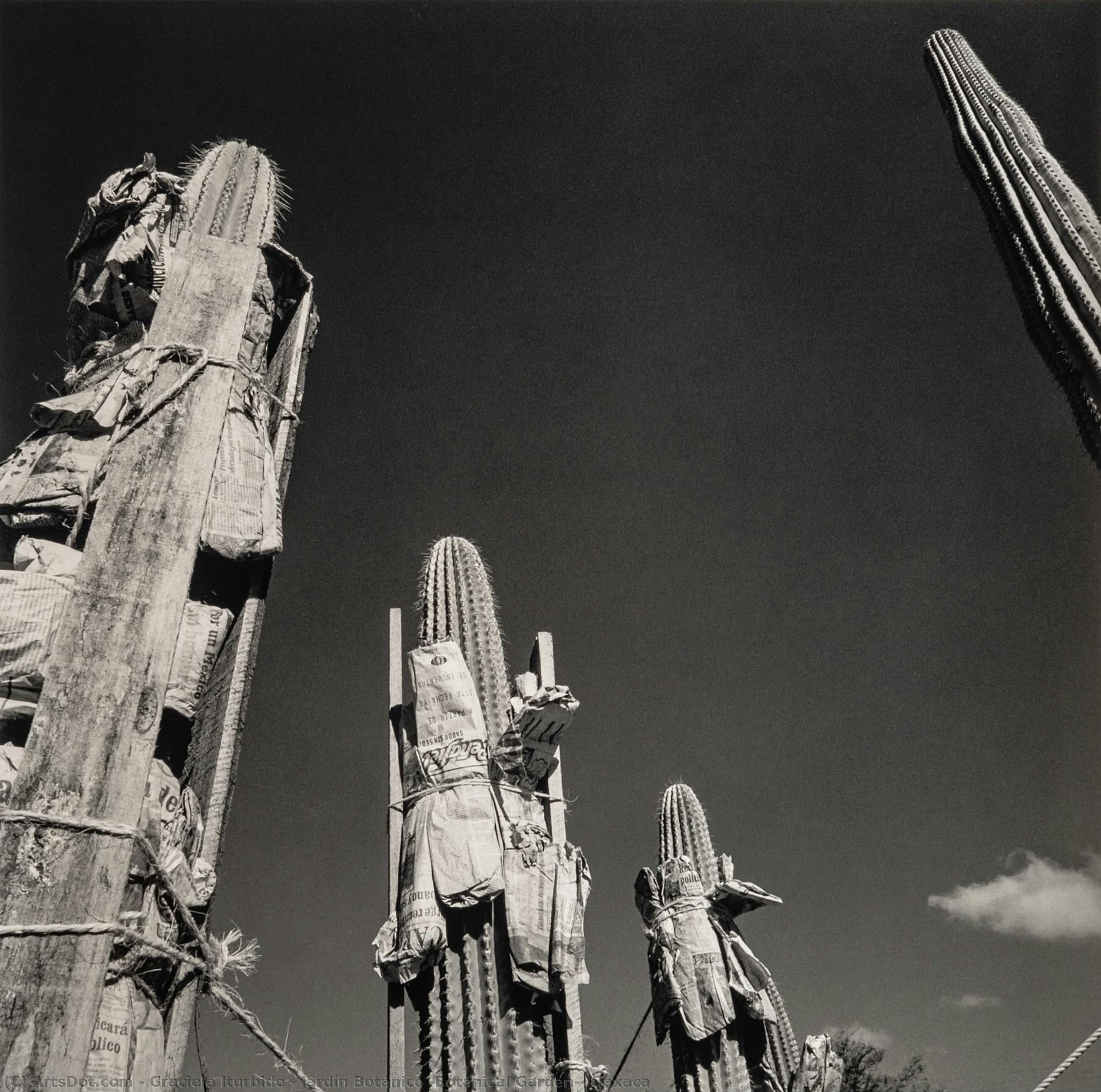
Jardín Botánico (Botanical Garden), Oaxaca
 Gelatin Silver Print
- Photo
- Humanist Documentary Photography
 1998
1998- 19th Century
 National Museum of Women in the Arts
 Read More
Purchase a high-resolution, enhanced digital image, far superior to the online preview.
Each file is meticulously prepared by our in-house specialists using advanced tools and expert manual retouching. We ensure every image has exceptional clarity, precise color accuracy, and fine detail.
The final file is delivered via email within 72 hours, optimized for immediate use in professional, editorial, and print environments. This is the same quality trusted by top-tier design studios, publishers, and galleries.
Digital Image
Download a high-resolution file for personal display, printing, and creative projects. ( Buy Print Buy Hand Made Painting)
Included in Every Digital Image Order
Expert Digital Delivery, Guaranteed
When you choose ArtsDot.com, you're not just getting an image - you're receiving a professionally enhanced digital artwork, crafted with precision and backed by a satisfaction guarantee. Here's everything that comes with your order, automatically:

Fast Email Delivery
Your high-resolution digital image file will be emailed to you within 72 hours of ordering - ready for immediate use.

AI-Enhanced Digital File
Your artwork is professionally optimized using advanced AI tools and manual editing, ensuring maximum detail, clarity, and color accuracy.

Free Lifetime Re-Delivery
Accidentally deleted or lost your file? No worries - we'll resend it to you anytime, free of charge.

No Import Fees - Ever
Enjoy your artwork instantly with zero customs, duties, or delivery fees - digital downloads are always tax-free.

Color Accuracy Guarantee
We ensure your digital image reflects the original colors as closely as possible using professional tools and color management.

60-Day Satisfaction Guarantee
If you're not satisfied with your digital image, we'll revise it or refund 100% within 60 days - no questions asked.

100% Money-Back Guarantee
Not satisfied? Get a full refund within 60 days of receiving your digital file - no questions asked.

Bulk Order Discounts
Buy 3 images, save 10% - Buy 5, save 15% - Buy 10+, save 20%. Great for creative projects, galleries, and agencies.
Collectible Description
Jardín Botánico (Botanical Garden), Oaxaca – A Silent Dialogue Between Nature and Art
The photograph presents a stark and captivating black and white image of three cactus sculptures arranged in a desert landscape. The composition is dominated by the verticality of the cacti, which rise against a vast, uncluttered sky. This deliberate framing emphasizes scale and solitude, inviting contemplation about humanity’s relationship with the natural world. It evokes a sense of quiet reverence and highlights the interplay between human creativity – represented by the sculptures – and the raw beauty of Oaxaca’s arid environment.Composition & Perspective
Graciela Iturbide's masterful eye employs a low-angle perspective, elevating the cacti sculptures to monumental proportions. Strategically positioned in a slight stagger from left to right, this arrangement generates visual interest and depth, guiding the viewer’s gaze across the expansive frame. The sky occupies a significant portion of the image, contributing to an atmosphere of spaciousness and conveying a subtle sense of distance—a technique characteristic of Iturbide's distinctive style.Technique & Material Considerations
The photograph is executed as a gelatin silver print, utilizing traditional darkroom techniques to achieve exceptional tonal range and contrast. This meticulous process captures the textures of both the cactus sculptures – rendered with remarkable detail – and the desert soil beneath them—creating a palpable sense of materiality. The soft, diffused lighting suggests an overcast day or early morning light, minimizing harsh shadows and maximizing subtle gradations in tone. Iturbide’s dedication to capturing the essence of her subject matter is evident in every pixel.Historical Context & Artistic Influence
Graciela Iturbide stands as a pivotal figure in contemporary Latin American photography, profoundly influenced by the humanist aesthetic championed by Eugène Atget and Henri Cartier-Bresson. Her work aligns with the broader movement toward documentary realism—a commitment to portraying everyday life without embellishment or sentimentality. Like Atget and Cartier-Bresson, Iturbide seeks to capture fleeting moments of beauty and truth, transforming ordinary scenes into evocative narratives. The photograph’s monochrome palette reinforces this stylistic ethos, mirroring the austere elegance found in classic photographic prints.Symbolism & Emotional Resonance
The juxtaposition of cactus sculptures—representing resilience and adaptation—against the desolate desert backdrop speaks to themes of survival and transformation. These cacti are adorned with paper or fabric scraps – a deliberate gesture that underscores the artist’s fascination with materiality and her ability to imbue seemingly insignificant objects with symbolic significance. The overall emotional tone is one of serenity, introspection, and quiet observation—a reflection of Iturbide's profound connection to the landscapes and people she documents. This image invites viewers to contemplate the enduring power of art to illuminate the complexities of human experience within the grandeur of nature.Related Artworks



Artist Biography
A Life Etched in Light: The Poetic Vision of Graciela Iturbide
Graciela Iturbide, born in Mexico City in 1942, is more than a photographer; she’s a visual poet whose black-and-white images resonate with the soul of her nation and the universal human experience. Growing up as the eldest of thirteen children within a deeply traditional Catholic family instilled in her an acute observational skill – a quiet attentiveness to the nuances of life that would later define her artistic practice. Her father’s amateur photography, documenting everyday family moments, sparked an early fascination with the medium, transforming simple snapshots into cherished memories and laying the foundation for Iturbide's own exploration of image-making. These formative years weren’t merely about learning technique; they were about understanding how photographs could encapsulate identity, preserve history, and evoke profound emotion.From Grief to Revelation: Finding a Voice Through the Lens
A pivotal moment arrived in 1970 with the tragic loss of her six-year-old daughter, Claudia. This devastating event irrevocably altered Iturbide’s path, prompting her to seek solace and meaning through artistic expression. Initially drawn to filmmaking at the Centro Universitario de Estudios Cinematográficos at the Universidad Nacional Autónoma de México, she soon discovered that still photography offered a more direct conduit for her burgeoning vision. A crucial mentorship with Manuel Álvarez Bravo between 1970 and 1971 proved transformative. He wasn’t simply teaching technical skills; he was imparting a philosophy of patience, encouraging Iturbide to wait for the decisive moment – that fleeting instant when all elements align to create an image imbued with power and significance. This period marked a turning point, solidifying her commitment to photography as a means of processing grief, exploring complex themes, and documenting the world around her.Echoes of Tradition: Documenting Mexico’s Soul
Iturbide's work is characterized by its poetic sensibility and evocative black-and-white imagery. She doesn’t merely *take* pictures; she engages in a dialogue with her subjects, immersing herself in their worlds and allowing their stories to unfold before her lens. Her focus lies on documenting the lives, rituals, and identities of marginalized communities within Mexico, particularly indigenous cultures like the Zapotec, Mixtec, and Seri peoples. Recurring themes – identity, sexuality, death, spirituality, and the roles of women – are woven throughout her oeuvre, offering a nuanced portrayal of Mexico’s complex cultural landscape. She deliberately avoids direct intervention, preferring to observe and capture authentic moments as they unfold naturally. This respectful approach allows her subjects to retain their dignity and agency, resulting in images that feel both intimate and profound. Her iconic “Nuestra Señora de las Iguanas (Our Lady of the Iguanas), Juchitán” (1979) exemplifies this perfectly – a woman surrounded by iguanas in Oaxaca, becoming a powerful symbol of indigenous spirituality and feminine strength. Similarly, "El baño de Frida (Frida’s Bathroom), Coyoacán" offers an intimate glimpse into the personal sanctuary of Frida Kahlo, revealing layers of symbolism within her private space.A Legacy Forged in Recognition
Throughout her career, Graciela Iturbide has received significant recognition for her contributions to photography. She was awarded the W. Eugene Smith Grant in 1971 and secured a scholarship from the Guggenheim College, providing crucial support for her artistic endeavors. Her series documenting the Seri Indians of Sonora stands as a testament to her dedication to preserving cultural heritage, capturing their unique way of life and deep connection to the desert environment. Other notable works like “Photographer, Chiapas” and “Inmaculada (Immaculate Girl), Xochimilco” further demonstrate her ability to find beauty and meaning in everyday scenes. Iturbide’s influence extends far beyond Mexico's borders; her work has been exhibited internationally and is held in prestigious museum collections such as the San Francisco Museum of Modern Art and The J. Paul Getty Museum. She has paved the way for other Latin American female photographers, challenging conventional representations of Mexican culture and inspiring a new generation of artists with her commitment to social documentation, poetic vision, and unwavering respect for cultural diversity. Graciela Iturbide is not just documenting Mexico; she’s revealing its soul.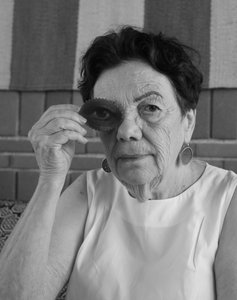
Graciela Iturbide
1942 - , Mexico
Quick Facts
- Artistic Movement Or Style: Documentary photography
- Artists Or Movements Influenced By This Artist: ['Latin American photographers']
- Artists Who Influenced This Artist: ['Manuel Álvarez Bravo']
- Date Of Birth: 1942
- Full Name: Graciela Iturbide
- Nationality: Mexican
- Notable Artworks:
- Nuestra Señora de las Iguanas
- El baño de Frida
- Photographer, Chiapas
- Inmaculada
- Pájaros en el poste
- Place Of Birth: Mexico City, Mexico

