 Preview
 Send
Send Share
Share
 Details

 Download
 Similars
 X-Ray
X-Ray Diaporama
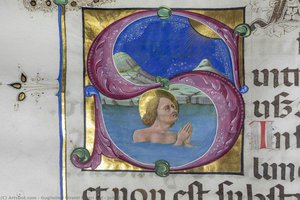
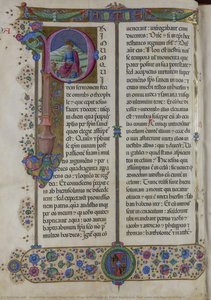
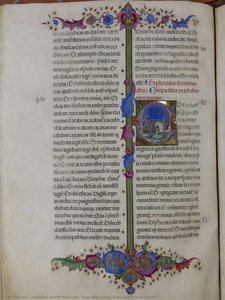
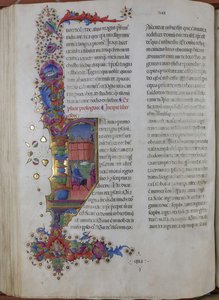
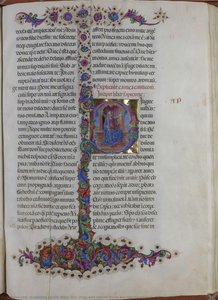
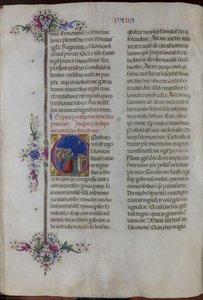
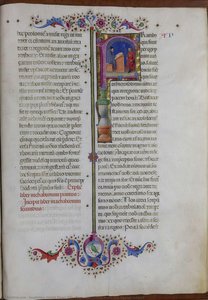
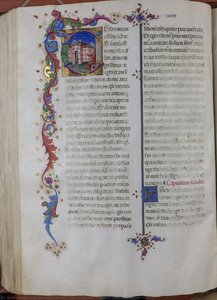
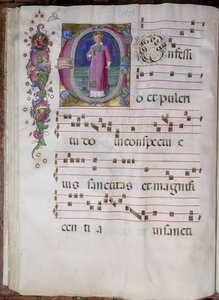
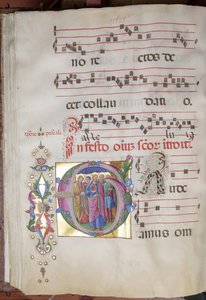
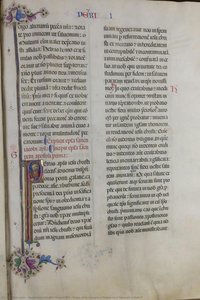
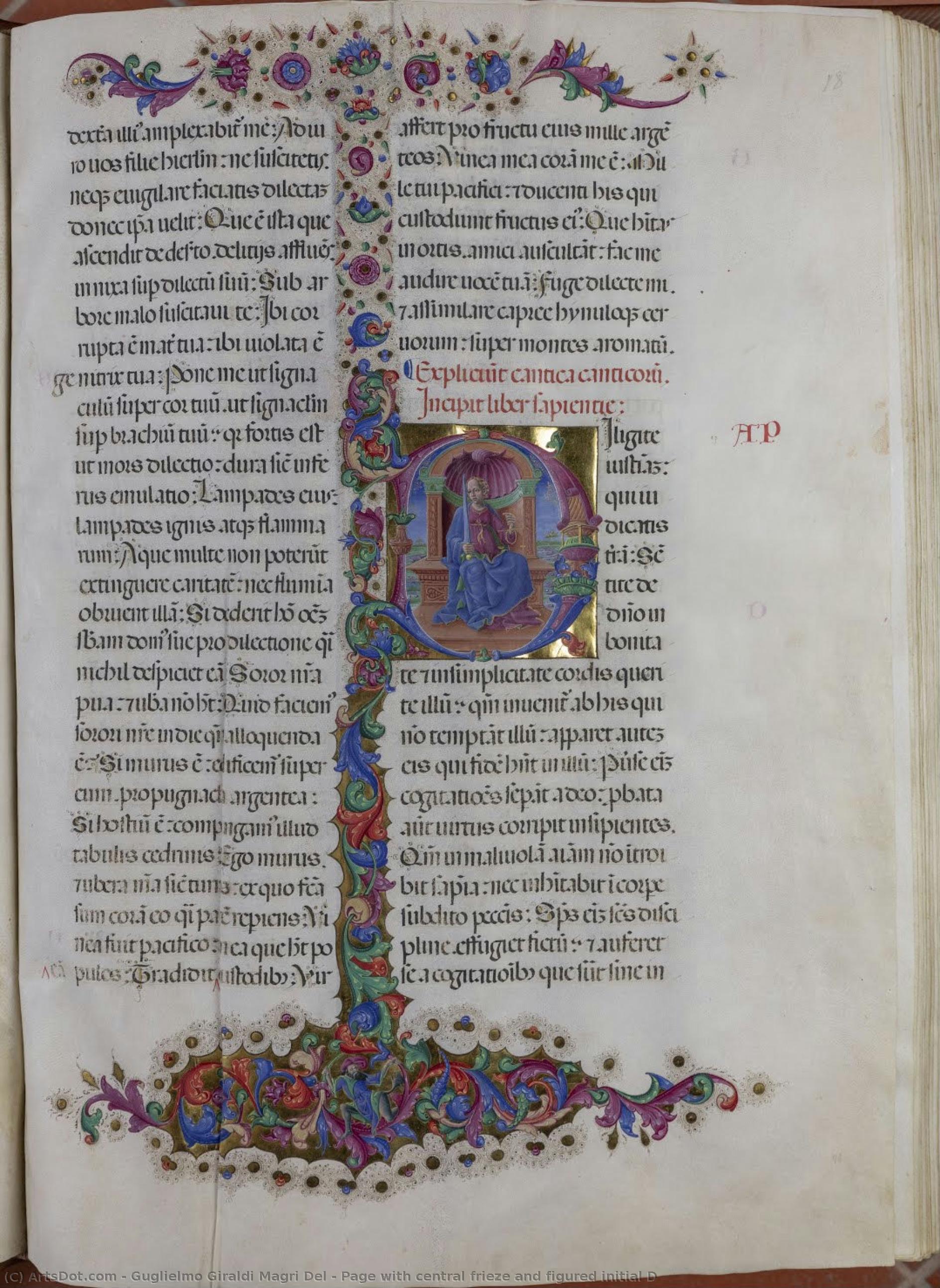
Page with central frieze and figured initial D
 62.0 x 44.0 cm
 Musei Civici di Arte Antica e Museo Riminaldi
 Read More
Giclée / Art Print
Museum-quality giclée or canvas print with fast production and flexible finish options. ( Buy Hand Made Painting Buy Image)




































Pick from our preset sizes that match the artwork's original proportions.

You may enter your own dimensions to fit a specific frame or space. If your selected size does not match the original image's proportions, we will either crop the artwork or extend the image with a mirrored or solid-fill edge. A digital mockup will be sent for your approval before production begins.
Please note that the on-screen preview does not reflect the actual cropping or extension. Only the mockup will accurately show the final composition.
While custom sizes are available, we recommend selecting a dimension from the predefined list to preserve the original proportions.
Worldwide Delivery () in 2 weeks instead of standard 4/5 weeks. (28 August)

Free Worldwide Express Shipping

High-Quality Linen Canvas

Full Shipping Insurance

Customs Tax Refund Guarantee

True Color Matching Guarantee

60-Day Return Policy (Defects Only)

100% Money-Back Guarantee

Bulk Discount Offer
 Glass option is only available in size under 110 CM

Page with central frieze and figured initial D
Giclée / Art Print
Reproduction Size
-


Total Price
$ 63
Related Artworks




Artist Biography
The Luminous Legacy of Guglielmo Giraldi Magri del
In the golden age of the Italian Renaissance, where the boundaries between fine art and sacred devotion often blurred, the work of Guglielmo Giraldi Magri del emerged as a radiant testament to the power of illumination. A master whose name is whispered in the corridors of Florentine history, Magri del dedicated his life to the delicate, painstaking craft of manuscript illumination—a medium that demanded not only technical precision but a profound spiritual sensitivity. While the exact chronicles of his early years remain shrouded in the mists of time, the traces of his genius are undeniably etched into the parchment of some of the era's most precious liturgical treasures.
The artistic soul of Magri del was undoubtedly shaped by the vibrant atmosphere of 15th-century Florence. Evidence suggests he may have refined his hand within the prestigious atelier of Andrea del Sarto, a connection that would have provided him with an unparalleled foundation in the principles of composition and the nuanced use of color. This training allowed him to bridge the gap between the traditional, more rigid Byzantine influences and the burgeoning humanist ideals of the Renaissance. His work does not merely decorate a page; it breathes life into it, transforming mere text into a celestial experience through the masterful application of tempera, gilt, and gold leaf.
A Symphony of Gold and Pigment
To behold a manuscript by Magri del is to witness a meticulous dance of light and shadow. His technique was characterized by an extraordinary ability to create depth and texture on the flat surface of parchment. By employing burnished gold grounds, he achieved a shimmering, jewel-like effect that seemed to capture and hold the very essence of candlelight. This luminosity was often paired with deep, saturated hues—rich blues and vibrant reds—that created a striking contrast against the gilded surfaces.
His compositions were far more than simple ornamentation; they were complex tapestries of symbolic imagery. Magri del possessed a sophisticated grasp of geometric patterns and classical motifs, often incorporating elements such as:
- Intricate Borders: Elaborate frames that utilized botanical and architectural motifs to enclose sacred texts.
- Classical Cameos: The subtle inclusion of Greco-Roman inspired imagery, reflecting the humanist fascination with antiquity.
- Symbolic Medallions: Small, detailed circular compositions that served as windows into theological narratives.
- Precious Embellishments: The illusion of gemstones and pearls rendered through masterful paint application to suggest wealth and divinity.
Enduring Significance in the Florentine Canon
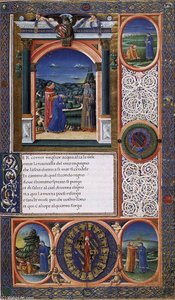
The historical significance of Guglielmo Giraldi Magri del lies in his role as a bridge between eras. His involvement in prestigious ecclesiastical commissions, such as the magnificent Frontispiece to Dante's Purgatorio, demonstrates how he brought the evolving aesthetic of the High Renaissance to the ancient tradition of book decoration. Through his hands, the liturgical book became a vessel for the era's most advanced artistic innovations.
Though the era of large-scale manuscript illumination would eventually give way to the age of print, the legacy of Magri del remains preserved in the silent beauty of the surviving codices. He stands as a symbol of an age where art was an act of devotion, and where every stroke of the brush was intended to reflect the divine splendor of the universe. His work continues to inspire scholars and art lovers alike, serving as a luminous window into the heart of the Florentine Renaissance.
Quick Facts
- Artistic Movement Or Style: Renaissance
- Artists Or Movements Influenced By This Artist: ['Florence Art History']
- Artists Who Influenced This Artist: ['Andrea del Sarto']
- Full Name: Guglielmo Giraldi Magri del
- Nationality: Italian
- Notable Artworks:
- Page with marginal frieze and figured initial C
- Frontispiece to Purgatory by Dante
- Place Of Birth: Florence