

 Send
Send Share
Share
 Details

 Download
 Similars
 Diaporama
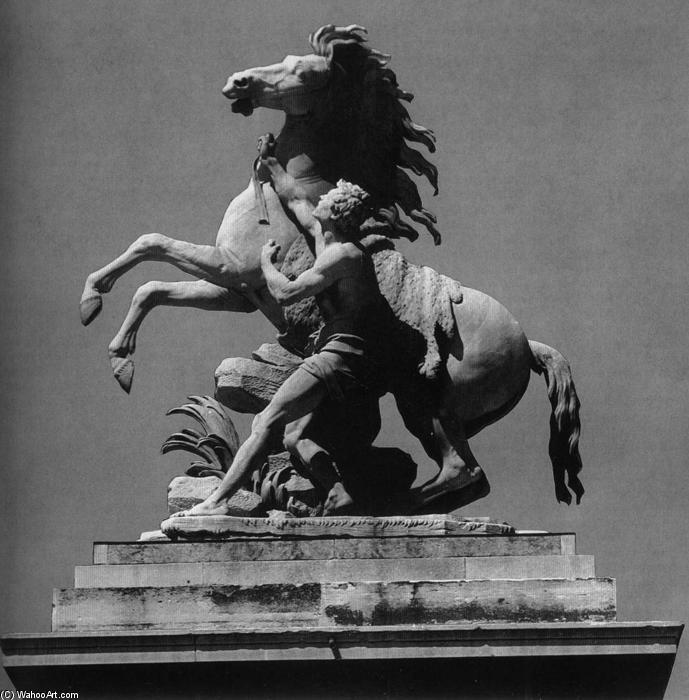
Horse Tamer from Marly-le-Roi (13)


 Read More
Purchase a high-resolution, enhanced digital image, far superior to the online preview.
Each file is meticulously prepared by our in-house specialists using advanced tools and expert manual retouching. We ensure every image has exceptional clarity, precise color accuracy, and fine detail.
The final file is delivered via email within 72 hours, optimized for immediate use in professional, editorial, and print environments. This is the same quality trusted by top-tier design studios, publishers, and galleries.
Digital Image
Download a high-resolution file for personal display, printing, and creative projects. ( Buy Print Buy Hand Made Painting)
Included in Every Digital Image Order
Expert Digital Delivery, Guaranteed
When you choose ArtsDot.com, you're not just getting an image - you're receiving a professionally enhanced digital artwork, crafted with precision and backed by a satisfaction guarantee. Here's everything that comes with your order, automatically:

Fast Email Delivery
Your high-resolution digital image file will be emailed to you within 72 hours of ordering - ready for immediate use.

AI-Enhanced Digital File
Your artwork is professionally optimized using advanced AI tools and manual editing, ensuring maximum detail, clarity, and color accuracy.

Free Lifetime Re-Delivery
Accidentally deleted or lost your file? No worries - we'll resend it to you anytime, free of charge.

No Import Fees - Ever
Enjoy your artwork instantly with zero customs, duties, or delivery fees - digital downloads are always tax-free.

Color Accuracy Guarantee
We ensure your digital image reflects the original colors as closely as possible using professional tools and color management.

60-Day Satisfaction Guarantee
If you're not satisfied with your digital image, we'll revise it or refund 100% within 60 days - no questions asked.

100% Money-Back Guarantee
Not satisfied? Get a full refund within 60 days of receiving your digital file - no questions asked.

Bulk Order Discounts
Buy 3 images, save 10% - Buy 5, save 15% - Buy 10+, save 20%. Great for creative projects, galleries, and agencies.
Horse Tamer from Marly-le-Roi (1740) by Guillaume Coustou the Elder
Guillaume Coustou the Elder stands as a titan of French Baroque sculpture, a figure inextricably linked to the opulent reign of Louis XIV and the ambitious vision of transforming Versailles into a symbol of royal grandeur. Born in Lyon in 1677, he descended from a lineage steeped in artistic excellence – his uncle, Antoine Coysevox, was already establishing himself as a celebrated royal sculptor – fostering an environment where creativity flourished and tradition reigned supreme. This familial legacy profoundly shaped Coustou’s formative years, instilling within him not merely technical skill but also a deep appreciation for the expressive power of form and the dramatic conventions of his era. ### The Monumental Vision: Context and Patronage The commission for *Horse Tamer from Marly-le-Roi* exemplifies the fervor with which Louis XIV sought to elevate French art and solidify his dominion over Europe. Situated in the newly constructed Château de Marly, a sprawling estate designed as an outdoor salon for entertaining dignitaries and showcasing royal magnificence, the statue was intended to embody the very essence of Louis XIV’s ambition – control, power, and mastery over nature. This project underscored the importance of artistic patronage within the Bourbon monarchy, where artists were employed not merely for aesthetic pleasure but also for conveying political ideology and reinforcing the king's authority. The sculpture served as a tangible manifestation of Louis XIV’s desire to impress visitors with his regal splendor and demonstrate France’s prowess in artistic innovation. ### Artistic Technique: Baroque Mastery Coustou’s approach to sculpting *Horse Tamer* reflects the hallmarks of Baroque artistry – a dramatic interplay of light and shadow, muscular anatomy rendered with meticulous detail, and an expressive pose conveying both struggle and triumph. Employing Carrara marble, he skillfully utilized chiseling and polishing techniques to achieve surfaces that shimmered with luminosity and captured the contours of the horse’s musculature with breathtaking accuracy. The sculptor's dedication to realism was matched by his understanding of artistic convention; the rearing horse’s head is thrown back in defiance, mirroring the man’s determined posture as he strives to restrain its movements—a visual metaphor for Louis XIV’s unwavering resolve to maintain control over his kingdom and project an image of regal dominance. ### Symbolism: Triumph Over Chaos Beyond its technical brilliance, *Horse Tamer* resonates with profound symbolic significance. The horse represents untamed wilderness – the forces of nature that must be subjugated by human intellect and will. The man’s efforts to control the animal symbolize Louis XIV's ambition to impose order upon chaos and secure France’s position as a dominant force in European politics. Furthermore, the statue embodies the broader humanist preoccupation with reconciling reason and emotion—a central theme of Baroque art—demonstrating that true greatness lies in mastering both physical prowess and spiritual fortitude. The composition itself contributes to this symbolic narrative, emphasizing the verticality of the sculpture and conveying a sense of upward movement toward aspiration and achievement. ### Legacy: An Icon of French Sculpture Today, *Horse Tamer from Marly-le-Roi* stands as an enduring testament to Guillaume Coustou’s artistic genius and the grandeur of Louis XIV's reign. Its replicas grace the Place de la Concorde in Paris, offering visitors a glimpse into the artistic sensibilities of a bygone era. The sculpture continues to inspire admiration for its masterful execution, its evocative symbolism, and its contribution to the canon of French Baroque art—a legacy cemented by Coustou’s unwavering commitment to tradition and his ability to transform marble into an embodiment of royal power and humanist ideals.Related Artworks
Artist Biography
A Legacy Forged in Stone: The Life and Art of Guillaume Coustou the Elder
Guillaume Coustou the Elder emerged from a Lyon steeped in artistic tradition, born in 1677 into a family that would leave an indelible mark on French sculpture. His lineage was one of creative prowess; his uncle, Antoine Coysevox, already enjoyed renown as a royal sculptor, and his brother, Nicolas Coustou, would also achieve significant acclaim. This familial environment provided the fertile ground for young Guillaume’s artistic development, instilling in him a deep understanding of traditional techniques and an appreciation for the power of form. While initial training likely occurred within this close-knit circle, Coustou's ambition led him to Paris and ultimately, a period of study – albeit unconventional – in Rome. Though he initially won the prestigious *Prix de Rome*, his independent spirit clashed with the rigid discipline of the French Academy there, prompting him to pursue his artistic vision outside its confines. This early act of defiance foreshadowed a career marked by both technical mastery and a dynamic energy that set him apart from many of his contemporaries.Bridging Baroque Grandeur and Rococo Grace
Coustou’s artistic journey unfolded during a fascinating period of transition in French art, poised between the dramatic intensity of the High Baroque and the emerging elegance of the Rococo style. His work beautifully embodies this shift. Early pieces reveal the influence of the Baroque – a grandeur of scale, emotional depth, and theatricality that echoed the reign of Louis XIV. However, Coustou didn’t simply replicate the past; he gradually incorporated elements of the burgeoning Rococo aesthetic, infusing his sculptures with a newfound lightness, grace, and playful ornamentation. This synthesis is particularly evident in his masterful handling of anatomy and composition. He possessed an exceptional ability to capture movement and emotion within the constraints of marble, imbuing his figures with a sense of life and vitality. While pinpointing direct influences proves challenging, the dramatic flair and technical virtuosity of Gian Lorenzo Bernini undoubtedly served as inspiration, particularly in Coustou’s ambitious undertakings.The Triumph of Marly: A Symbol of Royal Power
Coustou's career flourished under the patronage of the French monarchy, reaching its zenith with his commission to create the monumental “Horse Tamers” (Chevaux de Marly) in 1739 for the gardens of the Château de Marly. These sculptures are arguably his most celebrated achievement and remain iconic symbols of royal authority and artistic ambition. Originally intended to flank the entrance to the château, they depict powerful horsemen forcefully subduing wild horses – a potent allegory of royal control over nature and untamed forces. The sheer scale of these works is breathtaking, but it’s the dynamic energy captured within the marble that truly captivates. Each muscle strains with effort, each expression conveys determination, and the entire composition exudes a sense of raw power. Beyond the “Horse Tamers,” Coustou's portfolio includes striking portraits such as his marble sculpture of Louis XIII, capturing the regal presence of the king with dignified precision, and the exquisitely detailed Bust of Samuel Bernard, showcasing his skill in portraiture. His neoclassical marble statue of Mars, the Roman god of war, further demonstrates his versatility and mastery of classical forms.A Lasting Influence on French Sculpture
Guillaume Coustou the Elder played a pivotal role in shaping the landscape of 18th-century French sculpture. His works epitomized the opulence and grandeur of the French court, reflecting the artistic tastes of an era defined by extravagance and refinement. The “Horse Tamers,” in particular, transcended their original function as garden ornaments to become enduring symbols of royal power and national pride. Coustou’s ability to bridge the gap between the Baroque and Rococo styles proved profoundly influential on subsequent generations of sculptors, including his own son, Guillaume Coustou the Younger, who continued the family tradition and further developed their artistic legacy. His emphasis on dynamic composition, anatomical accuracy, expressive detail, and a masterful understanding of marble ensured that his influence would resonate long after his death in 1746. He left behind not merely sculptures, but testaments to an era’s ambition and artistry – works that continue to inspire awe and admiration centuries later.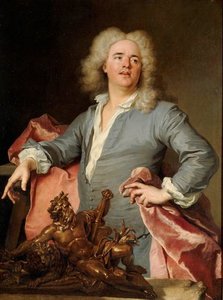
Guillaume Coustou the Elder
1716 - 1777 , France
Quick Facts
- Artistic Movement Or Style: Baroque & Rococo
- Artists Or Movements Influenced By This Artist: ['Guillaume Coustou the Younger']
- Artists Who Influenced This Artist: ['Gian Lorenzo Bernini']
- Date Of Birth: November 29, 1677
- Date Of Death: February 22, 1746
- Full Name: Guillaume Coustou the Elder
- Nationality: French
- Notable Artworks:
- Horse Tamers
- Louis XIII
- Bust of Samuel Bernard
- Statue des Mars
- Place Of Birth: Lyon, France

