

 Preview
 Send
Send Share
Share
 Details

 Download
 Similars
 X-Ray
X-Ray Diaporama
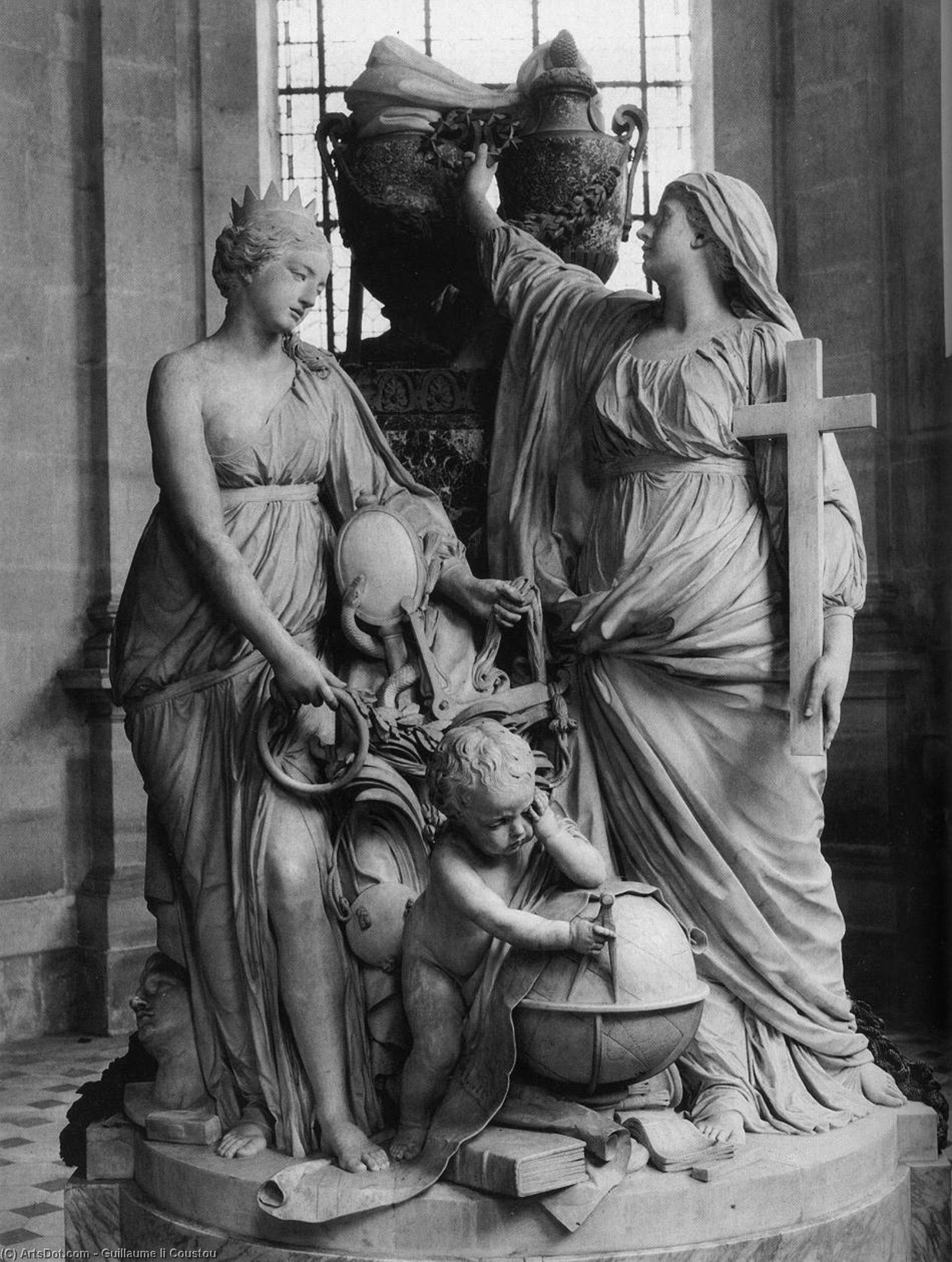
Monument to the Dauphin


 Read More
Purchase a high-resolution, enhanced digital image, far superior to the online preview.
Each file is meticulously prepared by our in-house specialists using advanced tools and expert manual retouching. We ensure every image has exceptional clarity, precise color accuracy, and fine detail.
The final file is delivered via email within 72 hours, optimized for immediate use in professional, editorial, and print environments. This is the same quality trusted by top-tier design studios, publishers, and galleries.
Digital Image
Download a high-resolution file for personal display, printing, and creative projects. ( Buy Print Buy Hand Made Painting)
Included in Every Digital Image Order
Expert Digital Delivery, Guaranteed
When you choose ArtsDot.com, you're not just getting an image - you're receiving a professionally enhanced digital artwork, crafted with precision and backed by a satisfaction guarantee. Here's everything that comes with your order, automatically:

Fast Email Delivery
Your high-resolution digital image file will be emailed to you within 72 hours of ordering - ready for immediate use.

AI-Enhanced Digital File
Your artwork is professionally optimized using advanced AI tools and manual editing, ensuring maximum detail, clarity, and color accuracy.

Free Lifetime Re-Delivery
Accidentally deleted or lost your file? No worries - we'll resend it to you anytime, free of charge.

No Import Fees - Ever
Enjoy your artwork instantly with zero customs, duties, or delivery fees - digital downloads are always tax-free.

Color Accuracy Guarantee
We ensure your digital image reflects the original colors as closely as possible using professional tools and color management.

60-Day Satisfaction Guarantee
If you're not satisfied with your digital image, we'll revise it or refund 100% within 60 days - no questions asked.

100% Money-Back Guarantee
Not satisfied? Get a full refund within 60 days of receiving your digital file - no questions asked.

Bulk Order Discounts
Buy 3 images, save 10% - Buy 5, save 15% - Buy 10+, save 20%. Great for creative projects, galleries, and agencies.
Collectible Description
Introduction
The Monument to the Dauphin is a remarkable work of art created by French sculptor Guillaume II Coustou. It is located in the Cathedral of Sens, France, and was completed in 1777. This article will provide an in-depth analysis of the monument, its history, and its significance in the world of art.History
The Monument to the Dauphin was commissioned by Louis XV to honor his son, who died at a young age. Guillaume II Coustou was chosen to create the monument due to his exceptional skills as a sculptor. The monument is made of marble and features several allegorical figures, including Time and Conjugal Love.Significance
The Monument to the Dauphin is significant because it marks a shift in French sculpture towards neoclassicism. The absence of any image of the deceased and the use of allegorical figures are characteristic of this style. Additionally, the monument's novelty lies in its conception as a catafalque, which was a new approach to tomb design at the time.Analysis
The Monument to the Dauphin is a masterpiece of French sculpture. The allegorical figures are expertly carved and convey a sense of sorrow and mourning. The use of marble adds to the monument's grandeur and elegance. The absence of any image of the deceased is a unique feature that sets this monument apart from other tombs of the time.Conclusion
The Monument to the Dauphin by Guillaume II Coustou is a significant work of art that marks a shift in French sculpture towards neoclassicism. Its allegorical figures, conception as a catafalque, and absence of any image of the deceased make it a unique and remarkable monument. If you are interested in learning more about this masterpiece or purchasing a hand-made oil painting reproduction, visit our website at https://ArtsDot.com.References
Related Artworks
Artist Biography
Guillaume II Coustou: Life and Legacy
Early Life and Training
- Guillaume Coustou II was born in Paris, France, in 1716. He came from a distinguished family of sculptors – the son of Guillaume Coustou I and nephew of Nicolas Coustou.
- His artistic training began within the family atelier, benefiting directly from the expertise of his father and uncle. This familial foundation instilled in him a strong understanding of sculptural techniques and traditions.
- In 1736, he won the prestigious Prix de Rome, granting him the opportunity to study at the French Academy in Rome until 1739. This period was crucial for his artistic development, exposing him to classical sculpture and Italian Baroque styles.
Artistic Development and Style
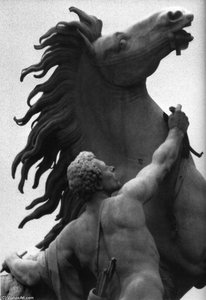
- Upon returning to Paris, Coustou seamlessly continued his father’s work, most notably completing the monumental Horse Tamers (Chevaux de Marly), a commission initially undertaken by Guillaume I but left unfinished due to illness.
- His style evolved throughout his career, demonstrating a transition from the late Baroque exuberance of his early works to the more restrained and emotionally evocative forms of emerging Neoclassicism.
- He skillfully blended dramatic narrative with classical ideals, creating sculptures that were both visually impressive and intellectually engaging.
Major Achievements and Notable Works
- Horse Tamers (Chevaux de Marly): Perhaps his most famous achievement, these dynamic bronze sculptures depict horsemen controlling powerful steeds, embodying strength and mastery.
- Monument to the Dauphin: This elaborate sculptural ensemble for Sens Cathedral was a significant commission that showcased Coustou’s ability to handle complex iconography and large-scale projects. The design's detailed imagery was developed in collaboration with Charles-Nicolas Cochin.
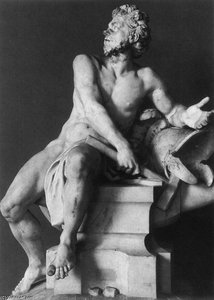
- Vulcan: His morceau de réception (admission piece) for the Académie Royale de Peinture et de Sculpture, a seated Vulcan, exemplifies his Baroque sensibilities.
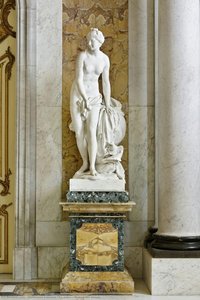
- Ganymede: This sculpture demonstrates Coustou’s embrace of early Neoclassical aesthetics, drawing inspiration from Roman sculptures like those of Antinous.
Influences and Legacy
- Coustou was profoundly influenced by his father and uncle, inheriting their technical skill and artistic sensibility. His time in Rome exposed him to the works of classical sculptors and Italian Baroque masters.
- He, in turn, influenced a generation of younger sculptors, including Claude Dejoux, Pierre Julien, and the Danish sculptor Johannes Widewelt, who studied under him.
- His work represents an important bridge between the Baroque and Neoclassical periods in French sculpture, contributing to the evolving artistic landscape of 18th-century Europe.
Historical Significance
- Guillaume II Coustou played a vital role in shaping the aesthetic direction of French sculpture during a period of significant artistic change.
- His ability to adapt his style and embrace new influences allowed him to maintain a successful career under different patronage systems.
- His sculptures continue to be admired for their technical virtuosity, dramatic power, and historical significance, solidifying his place as a notable figure in the history of French art.
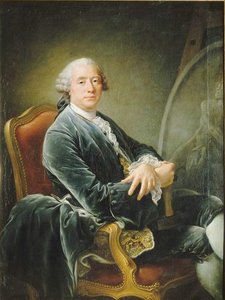
guillaume ii coustou
1716 - 1777 , France
Quick Facts
- Birth Date: 1716
- Birth Place: Paris, France
- Death Date: 1777
- Influenced By:
- Guillaume Coustou I
- Nicolas Coustou
- Movement:
- Baroque
- Neoclassicism
- Name: Guillaume II Coustou
- Nationality: French
- Notable Works:
- Horse Tamers (Chevaux de Marly)
- Monument to the Dauphin
- Vulcan
- Ganymede

