

 Preview
 Send
Send Share
Share
 Details

 Download
 Similars
 X-Ray
X-Ray Diaporama
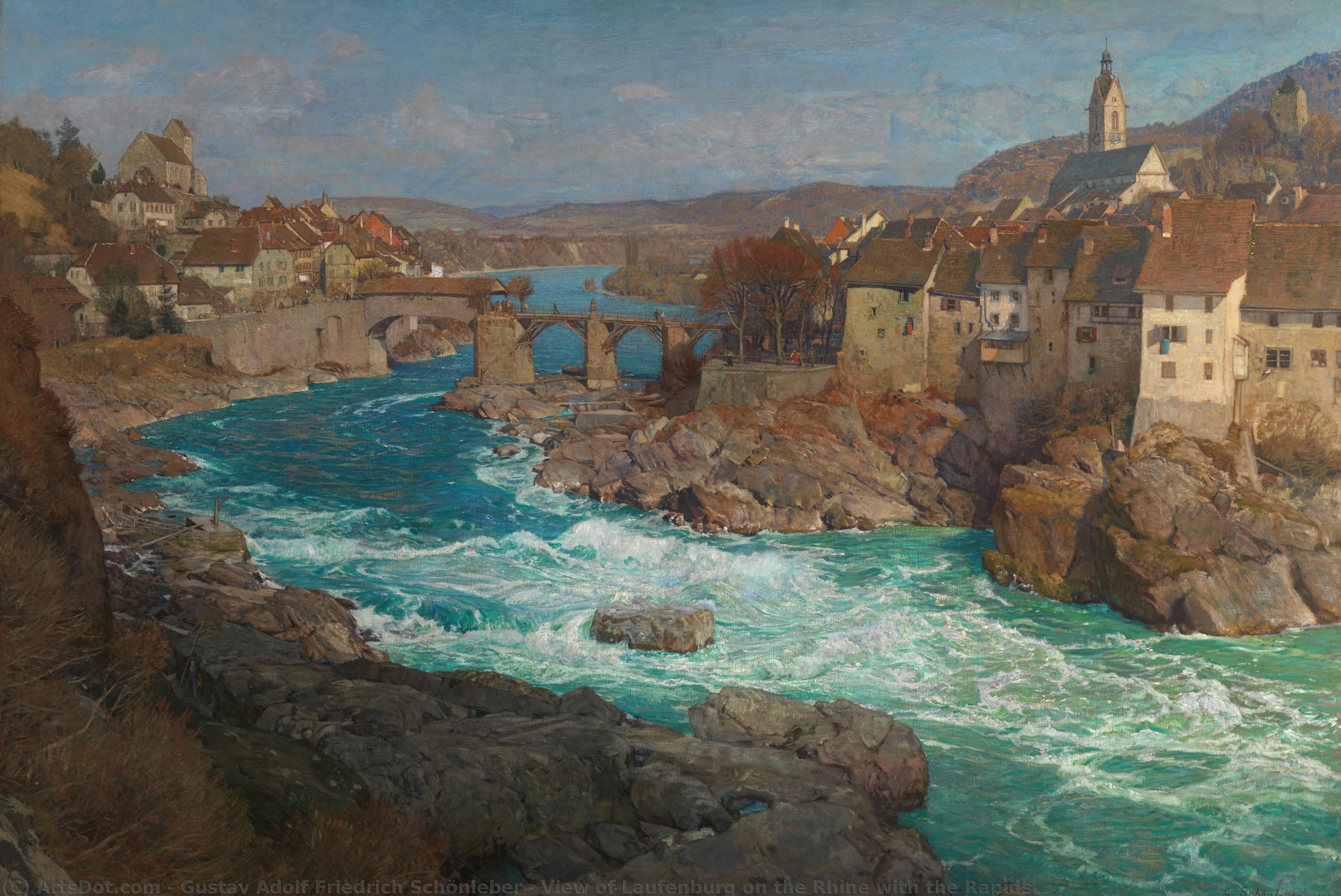
View of Laufenburg on the Rhine with the Rapids


 Read More
Purchase a high-resolution, enhanced digital image, far superior to the online preview.
Each file is meticulously prepared by our in-house specialists using advanced tools and expert manual retouching. We ensure every image has exceptional clarity, precise color accuracy, and fine detail.
The final file is delivered via email within 72 hours, optimized for immediate use in professional, editorial, and print environments. This is the same quality trusted by top-tier design studios, publishers, and galleries.
Digital Image
Download a high-resolution file for personal display, printing, and creative projects. ( Buy Print Buy Hand Made Painting)
Included in Every Digital Image Order
Expert Digital Delivery, Guaranteed
When you choose ArtsDot.com, you're not just getting an image - you're receiving a professionally enhanced digital artwork, crafted with precision and backed by a satisfaction guarantee. Here's everything that comes with your order, automatically:

Fast Email Delivery
Your high-resolution digital image file will be emailed to you within 72 hours of ordering - ready for immediate use.

AI-Enhanced Digital File
Your artwork is professionally optimized using advanced AI tools and manual editing, ensuring maximum detail, clarity, and color accuracy.

Free Lifetime Re-Delivery
Accidentally deleted or lost your file? No worries - we'll resend it to you anytime, free of charge.

No Import Fees - Ever
Enjoy your artwork instantly with zero customs, duties, or delivery fees - digital downloads are always tax-free.

Color Accuracy Guarantee
We ensure your digital image reflects the original colors as closely as possible using professional tools and color management.

60-Day Satisfaction Guarantee
If you're not satisfied with your digital image, we'll revise it or refund 100% within 60 days - no questions asked.

100% Money-Back Guarantee
Not satisfied? Get a full refund within 60 days of receiving your digital file - no questions asked.

Bulk Order Discounts
Buy 3 images, save 10% - Buy 5, save 15% - Buy 10+, save 20%. Great for creative projects, galleries, and agencies.
A Symphony of Water and Stone
In his evocative 1908 masterpiece, View of Laufenburg on the Rhine with the Rapids, Gustav Adolf Friedrich Schönleber invites the viewer into a world where the raw power of nature meets the enduring presence of human civilization. The painting captures a dramatic moment along the Rhine, where the river’s turbulent currents surge through rocky rapids, creating a sense of restless energy that dominates the foreground. As the eye travels from the frothing white waters toward the distant banks, it encounters the historic town of Laufenburg, its architecture anchored by a prominent church steeple that pierantly pierces the horizon. This composition is not merely a topographical record but a balanced dialogue between the ephemeral movement of water and the steadfast permanence of stone.
Schönleber, a distinguished figure of the Karlsruhe School, employs a technique that breathes life into every inch of the canvas. Utilizing oil on canvas, he masterfully applies layers of paint, incorporating impasto to provide a tactile dimension to the churning river and the rugged textures of the shoreline. His brushwork is both loose and expressive, a hallmark of the Romantic influence that permeates this work. This deliberate lack of rigid precision allows the light to dance across the water’s surface, capturing the fleeting highlights of natural daylight. The result is an atmosphere that feels thick with moisture and movement, pulling the observer into the very heart of the river's spray.
The Resonance of Romanticism and Resilience
Beyond its technical brilliance, the painting serves as a profound meditation on the relationship between humanity and the natural world. The stone bridge, connecting the two sections of the town, acts as a powerful symbol of resilience and connection, standing firm against the relentless force of the Rhine. There is an inherent tension in the scene—the chaotic, untamed energy of the rapids contrasted with the quiet, orderly life of the townscape in the background. This duality evokes a sense of historical continuity, suggesting that while nature may be powerful and unpredictable, human structures and communities find ways to endure and thrive within its rhythm.
For the discerning collector or interior designer, this artwork offers more than just visual beauty; it provides an emotional anchor for any space. The painting’s palette, rich with natural tones and dramatic light, lends a sense of depth and sophistication to a room. Whether placed in a grand gallery or a contemporary living space, View of Laufenburg on the Rhine commands attention through its atmospheric storytelling. It is a piece that invites contemplation, offering a window into a bygone era of German landscape painting where every ripple in the water and every shadow on the stone tells a story of strength, beauty, and the sublime.
Related Artworks

Artist Biography
A Legacy of Serenity: The Life and Art of Gustav Adolf Friedrich Schönleber
Gustav Adolf Friedrich Schönleber (1851–1917) stands as a luminous figure within the Karlsruhe School, an artist whose brush captured not merely the physical reality of the German landscape, but its very soul. Born on December 3rd, 1851, in the tranquil surroundings of Bietigheim-Beilage, Germany, his early life was marked by a profound connection to the natural world. Even as a child, he faced significant personal adversity when an accident resulted in blindness in one eye; yet, this physical limitation seemed only to sharpen his internal vision, driving him toward a life of intense observation and artistic devotion. Though initially drawn to the rigors of medical science, the irresistible call of aesthetic expression eventually led him away from the clinic and toward the studio, a transition facilitated by the encouragement of family. Moving to Munich to pursue formal training, Schönleber immersed himself in the prestigious private art school of Adolf Heinrich Lier. It was here that his artistic identity truly began to coalesce under the mentorship of Hermann von Königsbrunn. This relationship proved foundational, as Königsbrunn’s mastery of landscape painting instilled in Schönleber a deep respect for tonal harmony and the subtle nuances of light. Through this lineage, Schönleber became a vital practitioner of the Karlsruhe School's ideals, moving away from the dramatic, often turbulent emotionalism of Romanticism to embrace a more meditative, realistic approach to the environment.The Mastery of Light and Atmosphere
Schönleber’s oeuvre is defined by an unparalleled sense of stillness. His technique involved a meticulous layering of oil paints on canvas, a process that allowed him to achieve breathtaking realism while maintaining a soft, atmospheric quality. He possessed a rare ability to translate the fleeting effects of weather and time into permanent, evocative compositions. Whether depicting the rhythmic movement of water or the quietude of a coastal scene, his work invites the viewer into a state of quiet contemplation. His landscapes are rarely about grand, sweeping gestures; instead, they find majesty in the subtle gradations of color and the delicate interplay between shadow and light. His subject matter ranged from the familiar vistas of his homeland to more exotic, sun-drenched locales. The artist’s versatility is evident when examining his diverse range of themes:- The Rhine Landscapes: Works such as View of Laufenburg on the Rhine with the Rapids showcase his ability to capture the powerful yet rhythmic energy of German river scenes, blending historical architecture with the raw beauty of moving water.
- Venetian Splendor: His depictions of Venice, including pieces like Regatta in Venice, reveal a fascination with light reflecting off canals and the vibrant, yet peaceful, movement of maritime life.
- Coastal Serenity: In works like Low Tide (Sailboat on the Beach), he utilized pastel and oil to master the textures of sand, sea, and sky, creating scenes that feel both timeless and deeply intimate.
Historical Significance and Enduring Impression
As the nineteenth century transitioned into the twentieth, Schönleber’s commitment to a refined realism provided a necessary anchor amidst the rising tides of more experimental movements. While other artists sought to deconstruct form, Schönleber remained dedicated to the sanctity of the observed world. His historical significance lies in his role as a bridge—maintaining the technical excellence of traditional landscape painting while infusing it with a modern, psychological depth that resonates with the viewer's need for peace. Today, the works of Gustav Adolf Friedrich Schönleber continue to find resonance in collections worldwide. He remains a master of the sublime quietude, an artist who understood that the most profound emotional truths are often found not in the roar of a storm, but in the silent, shimmering light of a summer afternoon. His legacy is one of unwavering dedication to the beauty of the earth, captured through a lens of profound respect and technical brilliance.
gustav adolf friedrich schönleber
1851 - 1917 , Germany
Quick Facts
- Artistic Movement Or Style: Karlsruhe School
- Artists Or Movements Influenced By This Artist: ['Romantic Landscape Painting']
- Artists Who Influenced This Artist:
- Hermann von Königsbrunn
- Eduard Peithner von Lichtenfels
- Date Of Birth: December 3, 1851
- Date Of Death: February 1, 1917
- Full Name: Gustav Adolf Friedrich Schönleber
- Nationality: German
- Notable Artworks:
- Regatta in Venice
- View of Laufenburg on the Rhine with the Rapids
- Place Of Birth: Bietigheim, Germany

