 Preview
 Send
Send Share
Share
 Details

 Download
 Similars
 X-Ray
X-Ray Diaporama
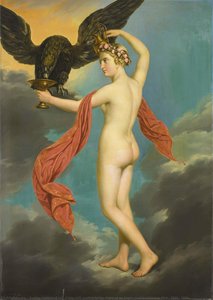
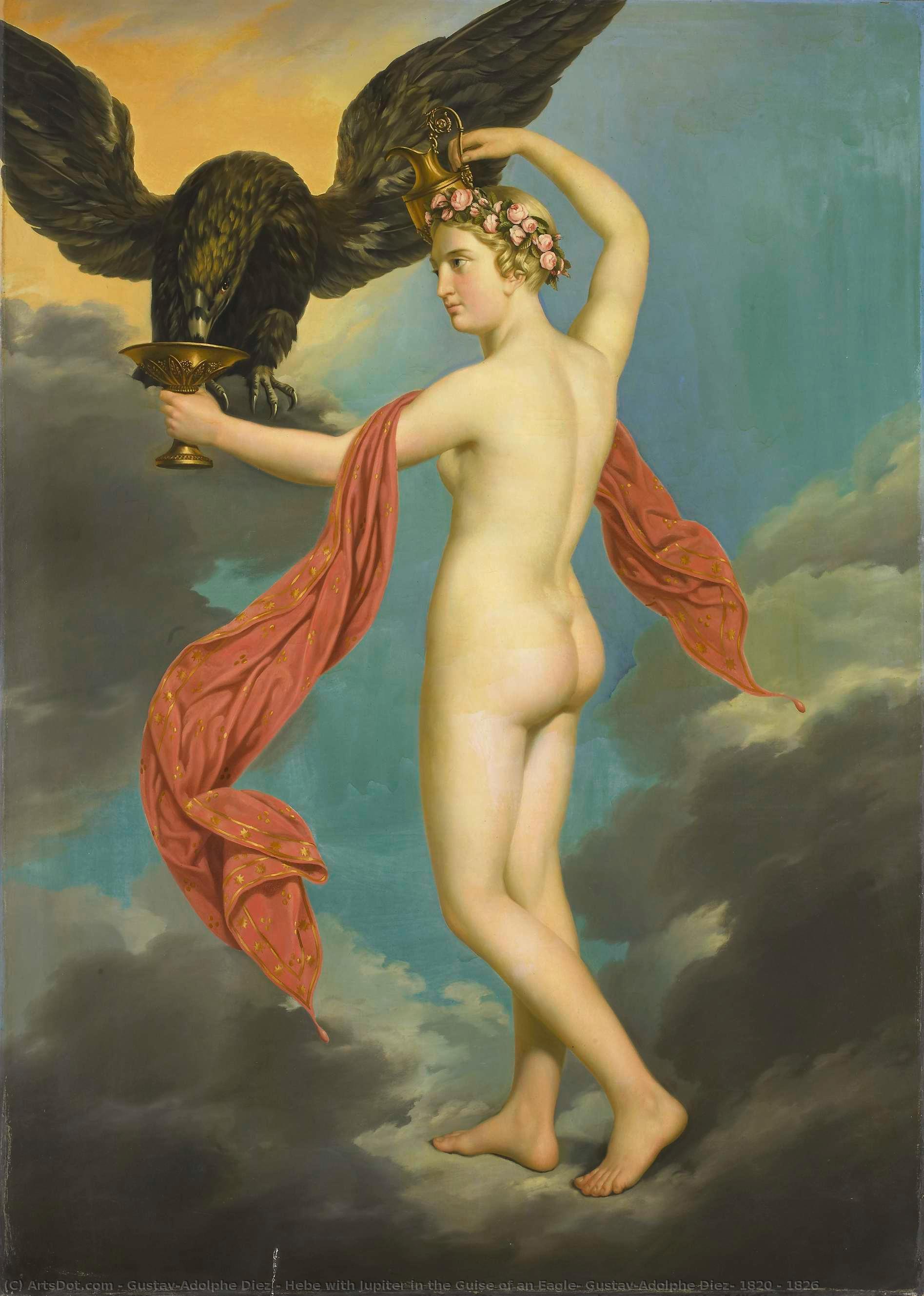
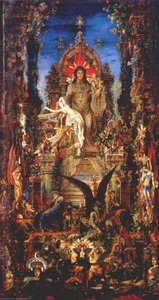
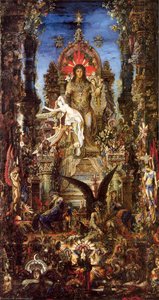
Hebe with Jupiter in the Guise of an Eagle, Gustav-Adolphe Diez, 1820 - 1826
 Neoclassicism
 1826
1826 181.0 x 128.0 cm
 Read More
Giclée / Art Print
Museum-quality giclée or canvas print with fast production and flexible finish options. ( Buy Hand Made Painting Buy Image)




P118B $10

P118H $10

P118W $10

P438Z $10

P508JH $12

P508YH $12

P805H $10

P805Z $10

P919BZ $10

P919G $10

P919XJ $10

P959ZH $10

P968JZ $12

W106C $8

W218G $10

W218JH $8

W218Y $10

W307PJ $10

W316G $10

W316PJ $8

W316Y $10

W398PJ $8

W4111J $10

W500HY $15

W500JH $15

W692G $12

W849H $8

W940BG $15

W953PJ $8




Pick from our preset sizes that match the artwork's original proportions.

You may enter your own dimensions to fit a specific frame or space. If your selected size does not match the original image's proportions, we will either crop the artwork or extend the image with a mirrored or solid-fill edge. A digital mockup will be sent for your approval before production begins.
Please note that the on-screen preview does not reflect the actual cropping or extension. Only the mockup will accurately show the final composition.
While custom sizes are available, we recommend selecting a dimension from the predefined list to preserve the original proportions.
Worldwide Delivery () in 2 weeks instead of standard 4/5 weeks. (29 August)

Free Worldwide Express Shipping

High-Quality Linen Canvas

Full Shipping Insurance

Customs Tax Refund Guarantee

True Color Matching Guarantee

60-Day Return Policy (Defects Only)

100% Money-Back Guarantee

Bulk Discount Offer
 Glass option is only available in size under 110 CM

Hebe with Jupiter in the Guise of an Eagle, Gustav-Adolphe Diez, 1820 - 1826
Giclée / Art Print
Reproduction Size
-


Total Price
$ 63
Related Artworks
Artist Biography
The Mythological World of Gustav-Adolphe Diez
Gustav-Adolphe Diez, a French painter born in an unknown year but active through the early 19th century, remains a somewhat enigmatic figure in art history. While biographical details are scarce, his surviving works reveal a clear fascination with classical mythology and a refined Neoclassical style. He is best known for his depictions of scenes drawn from Greek and Roman lore, imbued with a delicate sensibility and technical precision that places him within the artistic currents of his time. Diez’s paintings weren't about grand historical narratives; instead, they focused on intimate moments of mythological drama, often featuring allegorical figures rendered with graceful forms and subtle emotional depth.A Neoclassical Sensibility
Diez’s artistic development was undoubtedly shaped by the prevailing aesthetic of Neoclassicism, which swept across Europe in the late 18th and early 19th centuries. This movement championed a return to the perceived purity and order of classical art, drawing inspiration from ancient Greek and Roman sculpture and architecture. His work echoes the influence of artists like Jacques-Louis David and Jean-Auguste-Dominique Ingres, particularly in his emphasis on linear clarity, anatomical accuracy, and balanced compositions. However, Diez distinguishes himself through a softer palette and a more lyrical approach to storytelling. While adhering to Neoclassical principles, he infused his paintings with a romantic undercurrent, hinting at the emotional complexities beneath the surface of mythological tales. Hebe with Jupiter in the Guise of an Eagle, for example, showcases this balance – the scene is rendered with meticulous detail and classical composure, yet possesses a tender quality that transcends mere academic exercise.Themes and Symbolism
The core of Diez’s artistic output lies in his exploration of mythological subjects. He frequently depicted scenes involving deities, nymphs, and heroes, often focusing on moments of transformation, revelation, or emotional turmoil. His choice of subject matter suggests a deep engagement with classical literature and philosophy. The stories he chose weren't simply decorative; they served as vehicles for exploring universal themes of love, loss, power, and fate. Jupiter, the king of the gods, appears frequently in his work, often disguised or interacting with mortals, highlighting the complex relationship between the divine and human realms. The figure of Hebe, goddess of youth, also recurs, symbolizing beauty, vitality, and the fleeting nature of time. Diez’s paintings are not merely illustrations of myths; they are thoughtful interpretations that invite contemplation on the enduring power of these ancient narratives.Legacy and Historical Context
Despite a lack of extensive documentation, Gustav-Adolphe Diez occupies a significant position within the landscape of early 19th-century French painting. His works provide valuable insight into the artistic tastes and intellectual currents of the period. While not achieving the widespread fame of some of his contemporaries, he was clearly respected by collectors and connoisseurs who appreciated his refined technique and sensitive interpretations of classical mythology. His paintings offer a glimpse into a world where beauty, grace, and intellectual inquiry converged, reminding us of the enduring appeal of ancient stories and their ability to resonate across centuries. His contribution lies in his ability to blend Neoclassical rigor with Romantic sensibility, creating works that are both visually captivating and intellectually stimulating.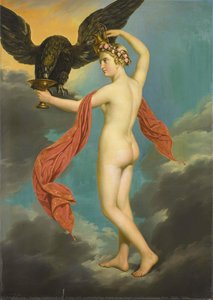
Related Articles
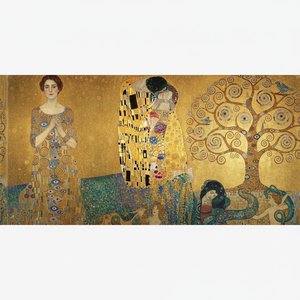
25 Klimt Masterpieces: A Journey Through Iconic Art & Decor
Delve into the world of Gustav Klimt with our top 25 masterpieces! Explore his iconic paintings – 'The Kiss,' 'Portrait of Adele,' and more. Discover museum-quality reproductions & curated decor ideas. Explore the full collection online at ArtsDot.com.
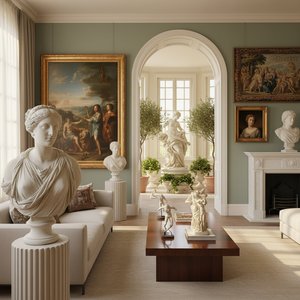
Neo-Classicism's Greatest Hits: 10 Masterpieces for Your Home |
Journey through Neo-Classicism's finest! Explore 10 iconic masterpieces by David, Ingres & Canova. Discover art history, techniques & timeless beauty – perfect for inspiring your home decor. Find museum-quality reproductions at
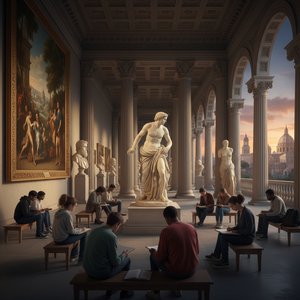
The Enduring Legacy of Classicism: Principles, Evolution & Influence in Western Art
Explore the enduring legacy of Classicism in Western art! Discover its historical context, key principles, iconic masterpieces & lasting influence. Learn about Renaissance and Neoclassical movements with ArtsDot.
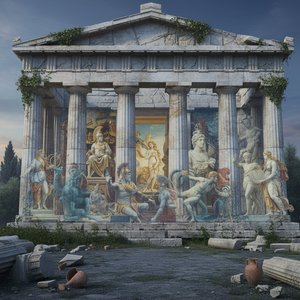
Echoes of Olympus: Mythological Narratives in Western Art Through the Ages
Explore the captivating history of mythological narratives in Western art! From ancient Greece to modern masterpieces, discover iconic artworks & symbolism. Expert analysis and high-quality reproductions at ArtsDot.
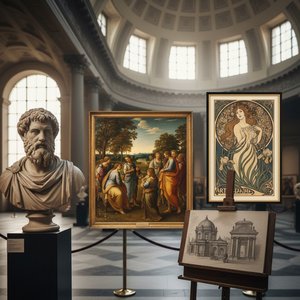
Timeless Resonance: Exploring Classic Vibe in Art – A Historical & Aesthetic Analysis
Explore the rich history & enduring aesthetic of Classicism art! Discover key movements, iconic artists like Raphael & David, and its lasting influence on Western art. Deepen your appreciation today.