 Preview
 Send
Send Share
Share
 Details

 Download
 Similars
 X-Ray
X-Ray Diaporama
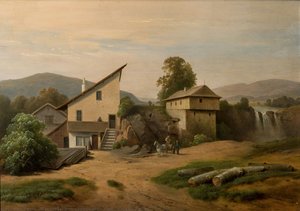
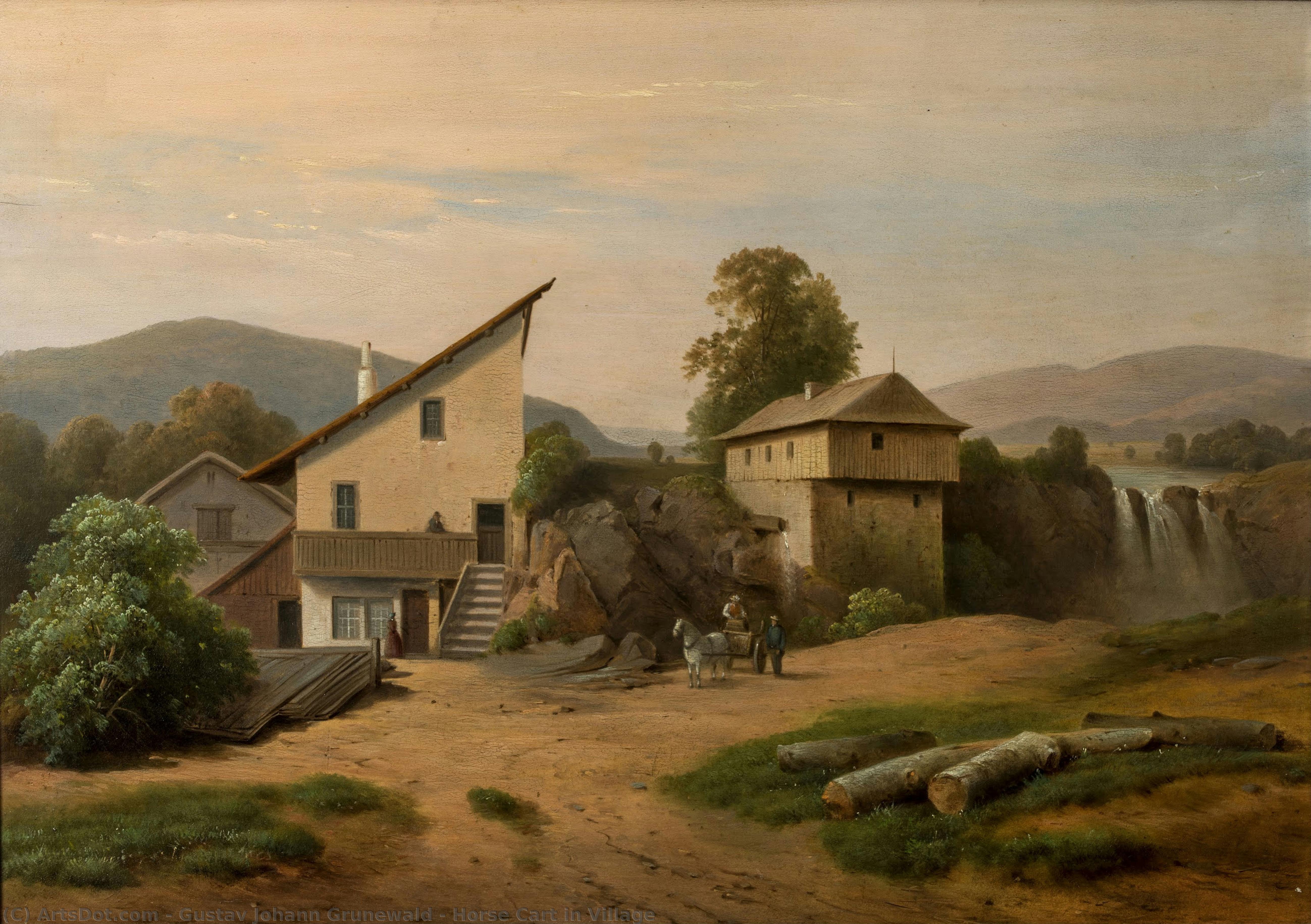
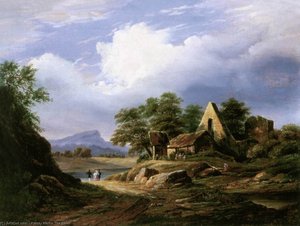
Horse Cart in Village


 Read More
Hand Made Oil Reproduction
Hand-painted oil on canvas in your size and frame, made to order by our artists. ( Buy Print Buy Image)




P118B $10

P118H $10

P118W $10

P438Z $10

P508JH $12

P508YH $12

P805H $10

P805Z $10

P919BZ $10

P919G $10

P919XJ $10

P959ZH $10

P968JZ $12

W106C $8

W218G $10

W218JH $8

W218Y $10

W307PJ $10

W316G $10

W316PJ $8

W316Y $10

W398PJ $8

W4111J $10

W500HY $15

W500JH $15

W692G $12

W849H $8

W940BG $15

W953PJ $8




Pick from our preset sizes that match the artwork's original proportions.

You may enter your own dimensions to fit a specific frame or space. If your selected size does not match the original image's proportions, we will either crop the artwork or extend the painting with additional hand-painted elements. A digital mockup will be sent for your approval before production begins.
Please note that the on-screen preview does not reflect the actual cropping or extension. Only the mockup will accurately show the final composition.
While custom sizes are available, we recommend selecting a dimension from the predefined list to preserve the original proportions.
After order, ArtsDot.com team will email client for instructions and provide a mockup preview
Worldwide Delivery () in 3/4 weeks instead of standard 5 weeks. (16 August). No compromise on quality.

Free Worldwide Express Shipping

High-Quality Linen Canvas

Full Shipping Insurance

Customs Tax Refund Guarantee

True Color Matching Guarantee

60-Day Return Policy (Defects Only)

100% Money-Back Guarantee

Bulk Discount Offer
 Glass option is only available in size under 110 CM

Horse Cart in Village
Reproduction Medium
Reproduction Size
-


Total Price
$ 263
Related Artworks
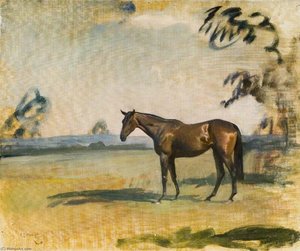
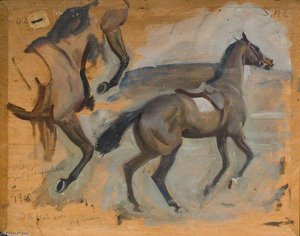
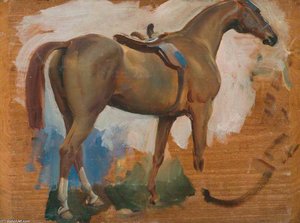
Artist Biography
Charles Gough: A Romantic Martyr of the Lake District
The story of Charles Gough is a haunting one, inextricably linked to the dramatic beauty and perilous landscapes of the English Lake District. Born in 1784, Gough’s life was tragically cut short in April 1805 at the young age of twenty-one, leaving behind a legacy shrouded in mystery and romantic legend. While he didn't achieve widespread fame during his lifetime, his untimely death quickly transformed him into an icon of the burgeoning Romantic movement – a symbol of youthful idealism, daring exploration, and ultimately, tragic sacrifice.
Gough’s early life offered little indication of the artistic talent that would eventually emerge. He was described as a “venturesome person,” prone to taking risks and driven by a restless spirit. He initially pursued a career in the ministry, but abandoned it for the allure of art, seeking training in Lyon and later in Paris. It was in Paris that he encountered the influential ideas of the Romantic movement, embracing its emphasis on emotion, imagination, and the sublime power of nature – themes that would profoundly shape his artistic vision.
In 1805, Gough embarked on a solitary excursion into the Lake District, a region renowned for its rugged beauty and challenging terrain. He was commissioned to create sketches of the area’s picturesque landscapes, a task he undertook with characteristic enthusiasm. His companion during this journey was Foxie, his loyal dog – a bond that would prove enduring even in death. Tragically, Gough's ascent of Helvellyn, one of the Lake District’s most iconic peaks, ended in disaster. Found several months later on the treacherous slopes, he was discovered with Foxie guarding his skeletal remains. The circumstances surrounding his fall remain debated – theories range from a simple misstep to a deliberate act of self-destruction fueled by a desire for romantic notoriety.
The discovery of Gough’s body sparked an immediate and intense public fascination. Local newspapers sensationalized the event, embellishing the details and fueling speculation about his fate. The image of the young artist, lost in the wilderness with his faithful dog, resonated deeply with the Romantic sensibility – a potent combination of beauty, danger, and melancholy. His death became a powerful symbol of the movement’s core values: the pursuit of sublime experiences, the confrontation with mortality, and the embrace of emotional intensity.
The Influence of Jean-Baptiste Greuze and the Rise of Genre Painting
Charles Gough's artistic development occurred within a broader context of 18th-century European art. Notably, he was influenced by the work of Jean-Baptiste Greuze, a French painter who achieved immense popularity for his emotionally charged genre scenes depicting everyday life. Greuze’s paintings, characterized by their dramatic narratives and focus on human relationships, captured the public's imagination with their accessible morality and vivid emotionality.
Greuze’s success demonstrated the commercial viability of painting scenes from contemporary life – a departure from the grand historical and mythological subjects that had dominated the art world for centuries. Gough, like Greuze, was drawn to depicting relatable human experiences, albeit within the dramatic setting of the Lake District. His sketches and paintings often focused on intimate moments—a solitary figure contemplating a view, a dog faithfully accompanying its master—evoking feelings of loneliness, contemplation, and connection with nature.
The influence of Greuze is particularly evident in Gough’s later works, such as *Greta Bridge*, a poignant depiction of a young woman's grief. Like Greuze, Gough skillfully employed light and shadow to create a sense of atmosphere and emotional intensity, drawing the viewer into the scene and inviting them to empathize with the characters involved.
The Romantic Vision: Symbolism and Myth in Gough’s Work
While Gough's artistic style was rooted in observation and realism, his work is imbued with a distinctly Romantic sensibility. The dramatic setting of the Lake District—its towering mountains, deep valleys, and unpredictable weather—provided a powerful backdrop for exploring themes of human vulnerability, mortality, and the sublime. The legend surrounding his death – the image of the young artist lost in the wilderness with his loyal dog – became inextricably linked to these Romantic ideals.
Gough’s sketches and paintings often incorporate symbolic elements that resonate with the mythology and folklore of the region. The treacherous slopes of Helvellyn, for example, can be interpreted as a metaphor for the challenges and uncertainties of life. The faithful companionship of Foxie represents loyalty, devotion, and the enduring power of nature.
Furthermore, Gough’s work reflects the Romantic fascination with the supernatural and the uncanny. The mystery surrounding his death—the fragmented remains found on the mountain slopes, the barking of the dog—fueled speculation about ghosts, spirits, and other otherworldly phenomena. His paintings often evoke a sense of unease and foreboding, hinting at hidden dangers and unresolved mysteries.
Legacy and Myth: Gough as Romantic Icon
Despite his relatively short career, Charles Gough’s death transformed him into an enduring symbol of the Romantic movement. His story was embellished over time, becoming a legend of youthful adventure, tragic sacrifice, and romantic martyrdom. The poet William Wordsworth famously wrote about Gough's fate, cementing his place in literary history.
Gough’s image—the young artist lost on Helvellyn with his faithful dog—became a potent symbol of the Romantic ideal: the pursuit of beauty, the embrace of danger, and the confrontation with mortality. His story served as inspiration for countless artists, writers, and musicians, who drew upon his legend to explore themes of love, loss, and the sublime.
Today, Charles Gough remains a fascinating figure in art history—a testament to the enduring power of myth and legend. His untimely death continues to captivate our imaginations, reminding us of the allure and danger of the natural world and the tragic beauty of the Romantic spirit.
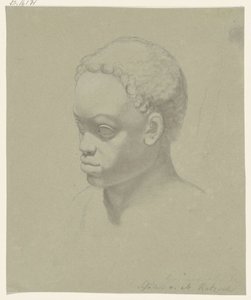
gustav johann grunewald
1805 - 1878 , Germany
Quick Facts
- Artistic Movement Or Style: Romanticism
- Artists Who Influenced This Artist: ['None],\n "Artists or movements influenced by this artist": [Jean-Baptiste Greuze']
- Date Of Birth: 1784
- Date Of Death: April 1805
- Full Name: Charles Gough
- Nationality: British
- Notable Artworks:
- Striding Edge
- Helvellyn
- Place Of Birth: Manchester, England
Related Articles
Animalia: Exploring the Enduring Presence of Animals in Art & Interior Design
Explore the rich history of animal symbolism in art, from ancient mythology to modern masterpieces. Discover how animals have inspired artists for centuries and learn how to incorporate these powerful motifs into your home décor.
German Expressionism's 10 Defining Masterpieces | Art for Your Home
Explore 10 defining German Expressionism masterpieces – from Munch's 'The Scream' to Kandinsky’s abstracts. Discover the artists, stories & bold colors behind this powerful art movement. Find museum-quality reproductions at ArtsDot.com.
The Noble Steed on Canvas: A Historical & Artistic Exploration of Horse Painting Across Cultures
Explore the rich history of horse painting! Discover masterpieces from Stubbs to Munnings & learn about symbolism, techniques & artists. Find museum-quality reproductions at ArtsDot.
The Noble Steed: A Historical and Artistic Exploration of Horses in Fine Art
Explore the rich history of horses in fine art! From ancient depictions to Renaissance masterpieces & beyond, discover iconic artworks and artists. Learn about symbolism, techniques, and find museum-quality reproductions at ArtsDot.

Sir Alfred Munnings' Masterpieces: 25 Paintings That Define Equine Art | ArtsDot
Explore 25 iconic Sir Alfred Munnings paintings! Discover the beauty of British Impressionism, equine art & rural England. Find museum-quality reproductions and elevate your home decor with ArtsDot. Explore the full collection online.