

 Preview
 Send
Send Share
Share
 Details

 Download
 Similars
 X-Ray
X-Ray Diaporama
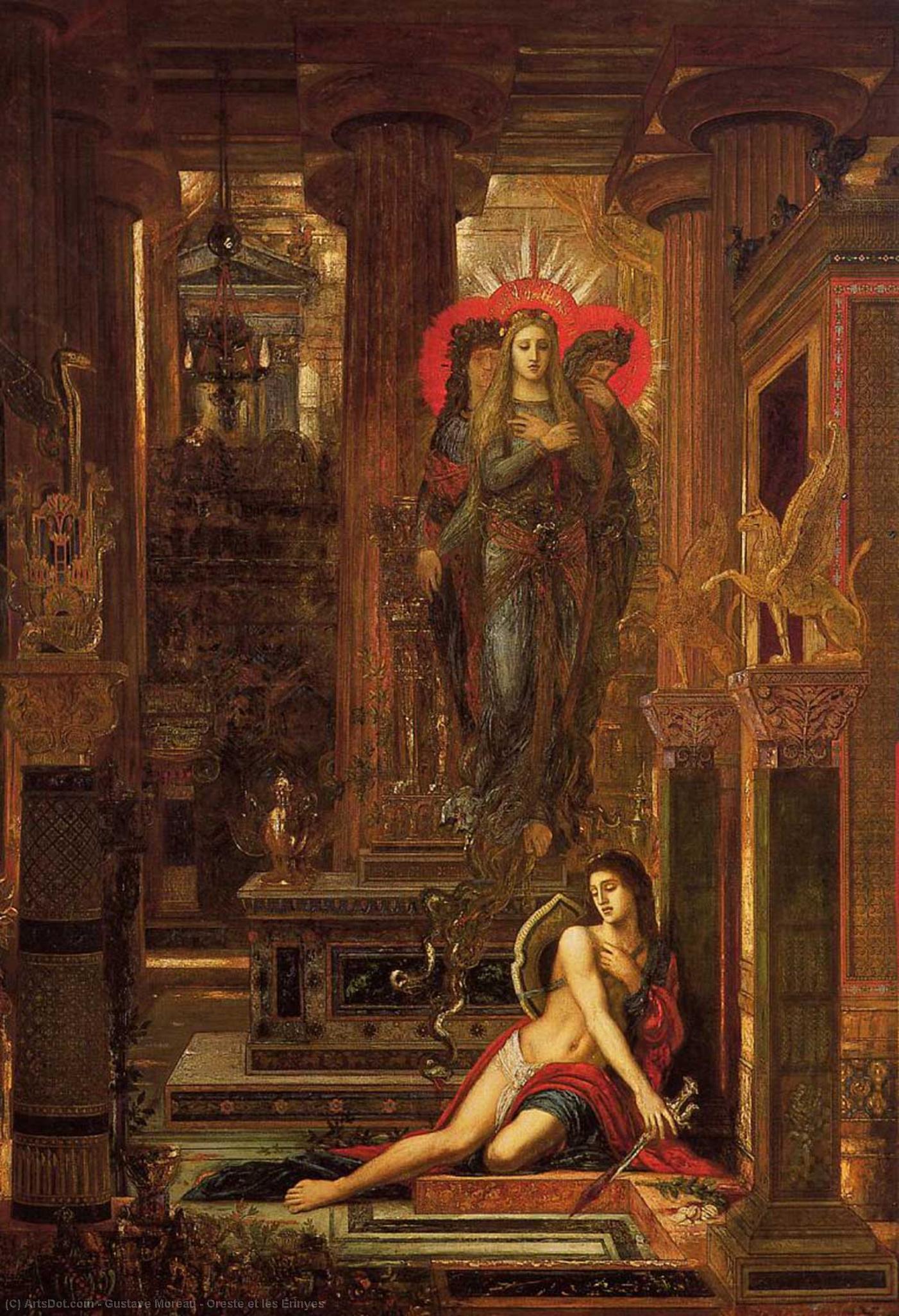
Oreste et les Erinyes


 Read More
Purchase a high-resolution, enhanced digital image, far superior to the online preview.
Each file is meticulously prepared by our in-house specialists using advanced tools and expert manual retouching. We ensure every image has exceptional clarity, precise color accuracy, and fine detail.
The final file is delivered via email within 72 hours, optimized for immediate use in professional, editorial, and print environments. This is the same quality trusted by top-tier design studios, publishers, and galleries.
Digital Image
Download a high-resolution file for personal display, printing, and creative projects. ( Buy Print Buy Hand Made Painting)
Included in Every Digital Image Order
Expert Digital Delivery, Guaranteed
When you choose ArtsDot.com, you're not just getting an image - you're receiving a professionally enhanced digital artwork, crafted with precision and backed by a satisfaction guarantee. Here's everything that comes with your order, automatically:

Fast Email Delivery
Your high-resolution digital image file will be emailed to you within 72 hours of ordering - ready for immediate use.

AI-Enhanced Digital File
Your artwork is professionally optimized using advanced AI tools and manual editing, ensuring maximum detail, clarity, and color accuracy.

Free Lifetime Re-Delivery
Accidentally deleted or lost your file? No worries - we'll resend it to you anytime, free of charge.

No Import Fees - Ever
Enjoy your artwork instantly with zero customs, duties, or delivery fees - digital downloads are always tax-free.

Color Accuracy Guarantee
We ensure your digital image reflects the original colors as closely as possible using professional tools and color management.

60-Day Satisfaction Guarantee
If you're not satisfied with your digital image, we'll revise it or refund 100% within 60 days - no questions asked.

100% Money-Back Guarantee
Not satisfied? Get a full refund within 60 days of receiving your digital file - no questions asked.

Bulk Order Discounts
Buy 3 images, save 10% - Buy 5, save 15% - Buy 10+, save 20%. Great for creative projects, galleries, and agencies.
Collectible Description
Oreste et les Erinyes: A Descent Into Mythological Drama
Gustave Moreau’s “Oreste et les Erinyes,” completed in 1891, stands as an arresting emblem of French Symbolism—a movement that prioritized emotion and psychological depth over mere representation. This monumental oil on canvas depicts a chilling tableau from Greek mythology, specifically the confrontation between Orestes and the Erinyes (Furies), goddesses of vengeance who relentlessly pursued him for matricide – the murder of his father by Clytemnestra. Moreau’s masterful execution transcends simple narrative; it plunges viewers into an unsettling realm where terror and divine retribution intertwine.Composition and Symbolism: Angels Amidst Darkness
Moreau's compositional choices amplify the painting’s dramatic intensity. Dominating the background are three angels, positioned strategically above Orestes—one on his left shoulder and another on his right—creating a palpable sense of celestial judgment. The third angel resides further back, lending an ethereal luminescence to the scene while simultaneously emphasizing Orestes' vulnerability against overwhelming forces. Beneath this angelic presence lies a stark contrast: a chair situated near the bottom-right corner serves as a grounding element, anchoring the composition and subtly hinting at confinement—perhaps mirroring Orestes’ psychological state under siege by his inescapable past. A clock hanging on the wall above adds another layer of symbolism, representing time's relentless march toward inevitable reckoning.Technique and Artistic Vision
Moreau employed a technique characterized by meticulous detail and luminous glazing – hallmarks of Symbolist painting. Layers upon layers of thin oil paint were applied to build up rich textures and imbue the canvas with an otherworldly glow. The artist’s painstaking attention to surface finish contributes significantly to the painting's emotive power, capturing not just what is seen but also what is felt—a profound sense of dread and inescapable doom. Moreau deliberately eschewed naturalistic rendering, opting instead for expressive brushstrokes that convey psychological turmoil and spiritual apprehension. He sought to evoke a visceral reaction in the viewer, transporting them into the tormented consciousness of Orestes as he confronts his horrific crime.Historical Context: The Birth of Symbolism
“Oreste et les Erinyes” emerged during the zenith of Symbolism—a reaction against Impressionism’s focus on fleeting sensory experience. Artists like Moreau rejected realism in favor of exploring inner landscapes and delving into subconscious anxieties. Influenced by Nietzschean philosophy and Wagnerian opera, Symbolists aimed to communicate profound ideas through evocative imagery and suggestive symbolism. Moreau's work aligns perfectly with this artistic ethos, reflecting a preoccupation with themes of guilt, retribution, and the confrontation between reason and instinct—issues that resonated deeply within the intellectual climate of late 19th-century Paris.A Legacy of Psychological Drama
Moreau’s “Oreste et les Erinyes” continues to captivate audiences today due to its masterful depiction of psychological drama and its enduring exploration of fundamental human anxieties. It serves as a testament to Moreau's unwavering commitment to artistic innovation and his ability to transform mythological narratives into emotionally resonant visual experiences. To appreciate the full scope of Gustave Moreau’s oeuvre, visit the Musée National Gustave-Moreau in Paris—a sanctuary for Symbolist art where you can immerse yourself in the haunting beauty of his visionary creations. Explore more at ArtsDot.com and discover similar reproductions available.Related Artworks
Artist Biography
A Dream Weaver of Symbolism: The Life and Art of Gustave Moreau
Gustave Moreau, a name synonymous with the ethereal beauty and enigmatic depths of Symbolist painting, emerged from 19th-century Paris as a singular artistic voice. Born in 1826 into a bourgeois family—his father an architect and archivist—Moreau’s early life was steeped in intellectual curiosity and aesthetic sensibility. From a young age, he displayed a remarkable gift for drawing, nurtured through traditional academic training at the École des Beaux-Arts under figures like François-Édouard Picot. However, Moreau's artistic path would diverge sharply from the prevailing Realist and Impressionist currents of his time. He wasn’t interested in capturing fleeting moments or objective reality; instead, he sought to unlock the hidden realms of myth, religion, and the human psyche through a deeply personal and symbolic visual language. His journey was one of inward exploration, translating subjective emotions and spiritual yearnings onto canvas with an obsessive attention to detail and a vibrant, often opulent palette.The Forge of Imagination: Influences and Artistic Development
Moreau’s artistic development wasn't born in a vacuum. While rejecting the dominant trends of his era, he drew inspiration from diverse sources. The dramatic use of color and exotic subject matter found in the works of Eugène Delacroix resonated deeply with him, igniting a passion for narrative painting imbued with emotional intensity. He also held Renaissance masters like Michelangelo and Leonardo da Vinci in high esteem, admiring their mastery of composition, anatomy, and psychological insight. Yet, Moreau wasn’t merely imitating these artists; he was synthesizing their influences into something entirely new. His travels to Italy in the 1850s proved pivotal, immersing him in the art of antiquity and the Renaissance, providing a wealth of motifs and stylistic cues that would populate his future works. He meticulously copied Old Master paintings, not as an exercise in replication, but as a means of absorbing their techniques and unlocking their secrets. This dedication to craft, combined with his burgeoning interest in mythology and literature, laid the foundation for his unique artistic vision.A World of Symbols: Themes and Techniques
Moreau’s paintings are not simply illustrations of myths or biblical stories; they are complex allegories that invite contemplation and interpretation. He delved into narratives like those of Salome, Orpheus, Jupiter and Semele, and countless others, not to retell them literally, but to explore their underlying psychological and spiritual truths. His canvases teem with symbolic imagery—serpents representing temptation, jewels signifying earthly desires, and figures embodying abstract concepts like grief, loss, or redemption. He masterfully created a dreamlike atmosphere through intricate detail, rich textures, and an often unsettling juxtaposition of light and shadow. Moreau’s technique was characterized by meticulous layering of paint, creating surfaces that shimmer with iridescent colors and evoke a sense of otherworldly beauty. His use of gold leaf further enhanced this effect, lending his works a Byzantine quality that underscored their spiritual dimension. He wasn't concerned with capturing realistic textures or perspectives; instead, he prioritized the expressive power of color and form to convey mood and meaning.Legacy and Influence: The Enduring Power of Symbolism
Though initially met with mixed reactions, Moreau became a central figure in the burgeoning Symbolist movement during the 1890s. Unlike some of his contemporaries who actively sought public attention, he remained somewhat reclusive, preferring to work independently and avoid artistic debates. However, his influence was undeniable. In 1893, he accepted a professorship at the École des Beaux-Arts, where he profoundly impacted generations of artists, including Henri Matisse and Georges Rouault. He encouraged his students to embrace imagination, symbolism, and individual expression, urging them to break free from conventional artistic norms. While Symbolism eventually waned in popularity after Moreau’s death in 1898, his work experienced a significant reevaluation in the latter half of the 20th century. Today, he is widely regarded as one of the most important figures in the movement and a precursor to modern art. The Musée Gustave Moreau, housed in his former studio and home in Paris, stands as a testament to his enduring legacy—a sanctuary where visitors can immerse themselves in the captivating world of this extraordinary artist. His paintings continue to resonate with audiences today, offering glimpses into the hidden depths of the human soul and reminding us of the power of art to transcend the boundaries of reality.Notable Works
- Salome Dancing before Herod: Perhaps his most famous work, this painting exemplifies Moreau’s opulent style and fascination with biblical narratives.
- Jupiter and Semele: A dramatic depiction of the Greek myth, showcasing Moreau's mastery of composition and color.
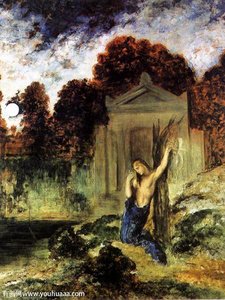
- Orpheus: Several paintings by Moreau explore the myth of Orpheus, reflecting themes of loss, grief, and artistic inspiration.
- The Apparition: Demonstrates his skill in creating ethereal and otherworldly scenes.
- Desdemona: A poignant portrayal of Shakespeare's tragic heroine.
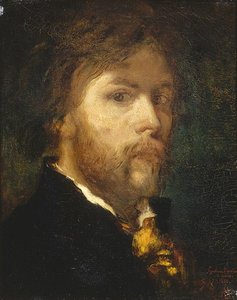
Gustave Moreau
1826 - 1898 , France
Quick Facts
- Artistic Movement Or Style: Symbolism
- Artists Or Movements Influenced By This Artist:
- Henri Matisse
- Georges Rouault
- Artists Who Influenced This Artist:
- Eugène Delacroix
- Michelangelo
- Leonardo da Vinci
- Date Of Birth: April 6, 1826
- Date Of Death: April 18, 1898
- Full Name: Gustave Moreau
- Nationality: French
- Notable Artworks:
- Salome Dancing before Herod
- Jupiter and Semele
- Orpheus
- The Apparition
- Desdemona
- Place Of Birth: Paris, France

