 Preview
 Send
Send Share
Share
 Details

 Download
 Similars
 X-Ray
X-Ray Diaporama
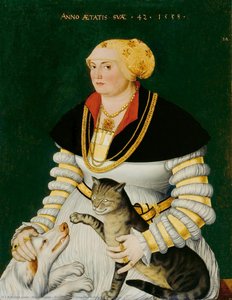
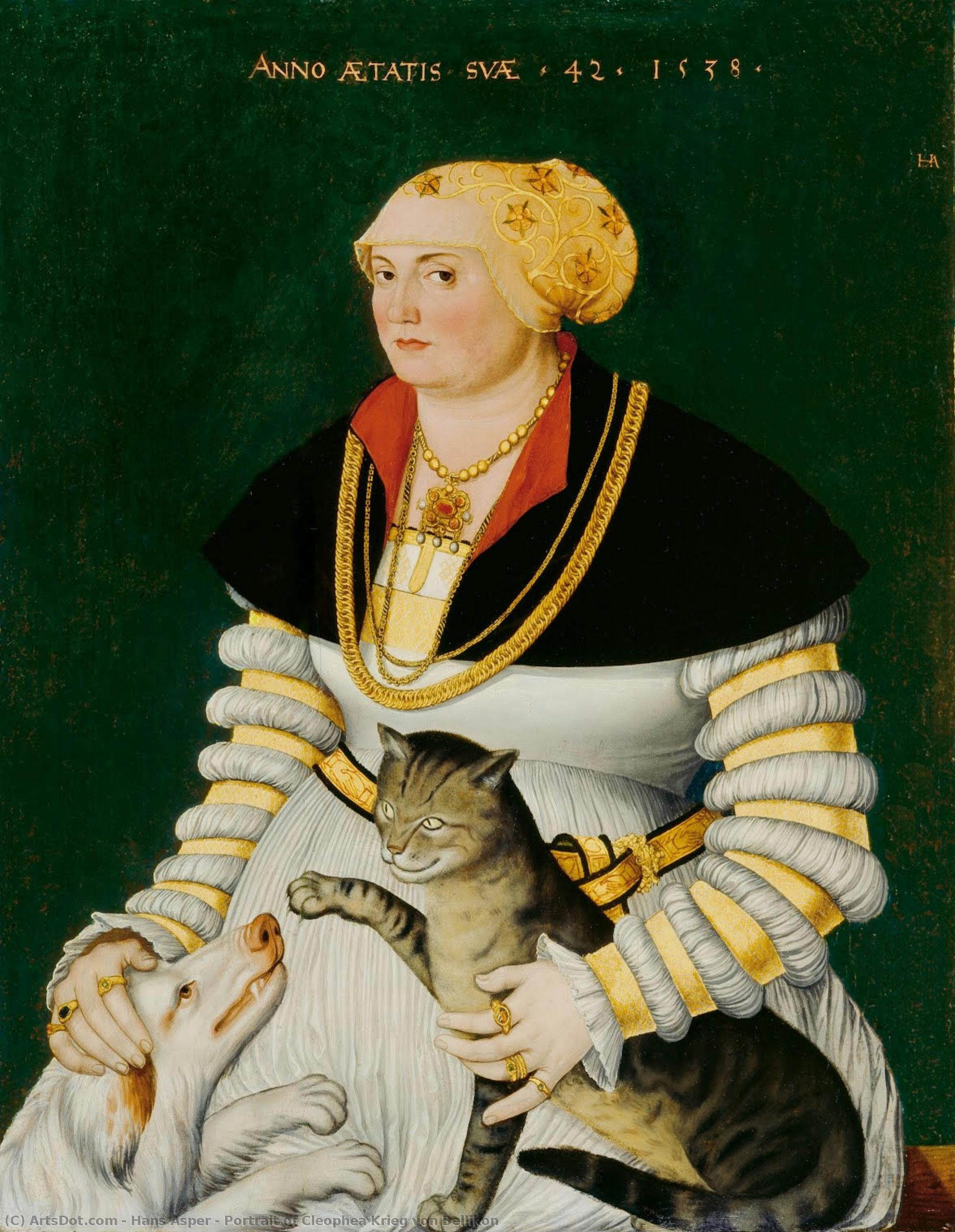
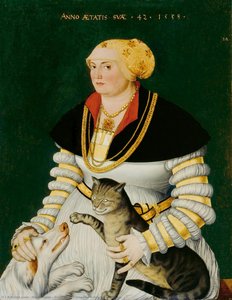
Portrait of Cleophea Krieg von Bellikon
 Oil
Oil- WallArt
- Northern Renaissance
 1538
1538- Renaissance
 77.0 x 61.0 cm
 Kunsthaus Zürich
 Read More
Hand Made Oil Reproduction
Hand-painted oil on canvas in your size and frame, made to order by our artists. ( Buy Print Buy Image)




P118B $10

P118H $10

P118W $10

P438Z $10

P508JH $12

P508YH $12

P805H $10

P805Z $10

P919BZ $10

P919G $10

P919XJ $10

P959ZH $10

P968JZ $12

W106C $8

W218G $10

W218JH $8

W218Y $10

W307PJ $10

W316G $10

W316PJ $8

W316Y $10

W398PJ $8

W4111J $10

W500HY $15

W500JH $15

W692G $12

W849H $8

W940BG $15

W953PJ $8




Pick from our preset sizes that match the artwork's original proportions.

You may enter your own dimensions to fit a specific frame or space. If your selected size does not match the original image's proportions, we will either crop the artwork or extend the painting with additional hand-painted elements. A digital mockup will be sent for your approval before production begins.
Please note that the on-screen preview does not reflect the actual cropping or extension. Only the mockup will accurately show the final composition.
While custom sizes are available, we recommend selecting a dimension from the predefined list to preserve the original proportions.
After order, ArtsDot.com team will email client for instructions and provide a mockup preview
Worldwide Delivery () in 3/4 weeks instead of standard 5 weeks. (23 August). No compromise on quality.

Free Worldwide Express Shipping

High-Quality Linen Canvas

Full Shipping Insurance

Customs Tax Refund Guarantee

True Color Matching Guarantee

60-Day Return Policy (Defects Only)

100% Money-Back Guarantee

Bulk Discount Offer
 Glass option is only available in size under 110 CM

Portrait of Cleophea Krieg von Bellikon
Reproduction Medium
Reproduction Size
-


Total Price
$ 263
Artwork Description
A Renaissance Masterpiece of Wit and Elegance
In the quiet, dignified halls of Swiss art history, few portraits capture the delicate balance between social prestige and playful intellect quite like Hans Asper’s Portrait of Cleophea Krieg von Bellikon. Painted in 1538, this exquisite work serves as a window into the refined world of the Zurich Renaissance, a period where the austerity of the Reformation met the enduring splendor of aristocratic portraiture. The subject, Cleophea, is presented in a three-quarter view, her presence commanding yet graceful. She is draped in an elaborately pleated gown and a delicate shoulder cape, attire that speaks volumes of her high social standing. The fine jewelry adorning her neck and fingers glints with the promise of wealth, while the bonnet upon her head subtly signals her marital status, grounding the portrait in the social realities of the sixteenth century.
Beyond the surface of silk and gems, Asper weaves a sophisticated tapestry of linguistic and visual puns. The painting is celebrated by historians for its clever use of symbolism that alludes to the subject's very name. By replacing the children found in Hans Holbein’s templates with a cat and dogs, Asper engages in a delightful bit of wordplay. The tension between the feline and canine figures evokes the "Krieg" (war) between the species, while the "Bellen" (barking) of the dogs mirrors the phonetic elements of her surname, Bellikon. This layer of humor transforms a standard aristocratic commission into a deeply personal and witty tribute, showcasing Asper’s ability to blend high art with clever, humanizing storytelling.
The Legacy of the Zurich School
To understand the technical soul of this portrait, one must look toward the shadow of the great Hans Holbein the Younger. Asper, having studied under the leading lights of the Northern Renaissance, brought a meticulousness to his work that echoed his master’s precision. However, where Holbein often pursued a clinical, almost photographic realism, Asper developed a style characterized by an ornamental and slightly naive charm. His brushwork possesses a unique softness, a "florist's touch" that allows the textures of the fabric and the organic forms of the animals to breathe with a gentle vitality. This stylistic distinction makes the portrait not merely a copy of a trend, but a singular expression of the Zurich artistic spirit.
The historical context of this piece is equally compelling for the discerning collector. During this era, Zurich was undergoing a profound religious transformation; the iconoclastic reformers had stripped churches of their imagery, leaving a vacuum that artists filled with secular subjects. Consequently, portraiture, still lifes, and landscapes became the primary vessels for artistic expression. This painting stands as a testament to that survival—a moment where art moved from the altar to the private chamber, celebrating the individual, the domestic, and the clever. For those looking to adorn a space with a piece of history, this reproduction offers more than just visual beauty; it offers a conversation piece steeped in the complex cultural shifts of the 16th century.
An Inspiration for the Modern Interior
For interior designers and art enthusiasts alike, the Portrait of Cleophea Krieg von Bellikon offers an unparalleled sense of timelessness. The color palette—rich blacks, deep textures, and the warm tones of the animals—provides a sophisticated anchor for a variety of decor styles, from classical European estates to contemporary minimalist galleries. The painting’s ability to evoke both elegance and a sense of warmth makes it a versatile choice for creating a focal point in a study, a library, or a formal dining room.
Owning a high-quality reproduction of this work allows one to invite the quiet dignity of the Renaissance into the modern home. It is an invitation to contemplate the intersection of identity, humor, and history. Whether viewed as a study in textile detail or as a masterpiece of symbolic wit, Asper’s portrait remains a captivating jewel of the Swiss Renaissance, promising to inspire awe and curiosity in all who behold it.
Related Artworks

Artist Biography
The Precision of a Zurich Master
In the heart of the Swiss Renaissance, amidst the burgeoning humanist spirit of sixteenth-century Zürich, lived a painter whose brush captured both the delicate fragility of nature and the dignified weight of human character. Hans Asper (c. 1499 – 1571) was more than just a chronicler of faces; he was a master of observation who bridged the gap between the meticulous detail of the Northern Renaissance and the burgeoning psychological depth of his era. Born into a respected Zürich council family, Asper’s life was deeply intertwined with the civic fabric of his city. His artistic journey, shaped by the tutelage of Hans Leu the Younger, eventually led him to become the official painter of Zürich, a role that saw him decorating council chambers and even gilding the clock faces of St. Peter’s church tower.
Asper's stylistic DNA was profoundly influenced by the legendary Hans Holbein the Younger. This connection is evident in his ability to render sharp, defined outlines and use strong, vibrant colors against monochrome backgrounds. Yet, where others might have pursued a purely clinical or detached realism, Asper infused his work with a unique sensitivity. His portraits—of which approximately thirty are known—often feature subjects in profile or three-quarter views, capturing an aura of intellectual conviction and social prestige. Whether depicting the formidable reformer Huldrych Zwingli or the delicate Regula Gwalter, Asper possessed a rare talent for conveying the internal essence of his sitters through subtle facial expressions and nuanced drapery.
Symbolism and the Art of Wit
Beyond the mere recording of likenesses, Asper’s work often functioned as a sophisticated playground for linguistic and visual puns. A breathtaking example of this intellectual play is found in his 1538 Portrait of Cleophea Krieg von Bellikon. In this masterpiece, Asper transcends standard aristocratic portraiture by weaving a tapestry of clever symbolism that alludes to the subject's very name. By replacing traditional motifs with a cat and dogs, he creates a visual tension between the feline and canine figures—a nod to the "Krieg" (war) implied in her surname—while the "Bellen" (barking) of the dogs mirrors the phonetic elements of "Bellikon." This layer of wit transforms a formal commission into a deeply personal tribute, showcasing an artist who was as much a storyteller as he was a technician.
This mastery extended to his botanical studies, where his eye for detail found expression in exquisite renderings of flora and fruits. His contributions to Gessner’s Historia Animalium remain celebrated for their scientific accuracy and aesthetic grace, proving that his "florist's brushstroke" was equally adept at capturing the organic complexity of the natural world as it was the human soul. His legacy is one of multifaceted brilliance:
- Civic Contribution: Serving as Zürich’s official painter, executing large-scale decorative works for the city's most important institutions.
- Botanical Excellence: Creating highly detailed illustrations that merged art with the scientific curiosity of the Renaissance.
- Portraiture Mastery: Developing a signature style characterized by psychological depth and the clever use of visual metaphors.
- Artistic Lineage: Establishing a family tradition of painting, with his sons Hans Rudolf Asper and Rudolf Asper following in his illustrious footsteps.
Though he passed away in much humbler circumstances than the prestige of his work might suggest, Hans Asper’s impact on Swiss art history remains indelible. His works, preserved in esteemed institutions like the Kunsthaus Zürich, continue to invite viewers into a world where every petal, every fold of silk, and every clever symbol tells a story of a time when art and intellect were inextricably linked.
Hans Asper
1571 , Switzerland
Quick Facts
- Artistic Movement Or Style: Renaissance Painting
- Artists Or Movements Influenced By This Artist: ['Flemish Primitive Art']
- Artists Who Influenced This Artist: ['Hans Holbein the Younger']
- Date Of Death: 1571
- Full Name: Hans Asper
- Nationality: Swiss
- Notable Artworks:
- Portrait of Huldrych Zwingli
- Portrait of Regula Gwalter
- Place Of Birth: Zurich, Switzerland
Related Articles

The Enduring Legacy of Oil on Canvas: Technique, History & Aesthetic Impact
Explore the rich history & techniques of oil painting – from Renaissance masters to Impressionism. Discover pigments, layering methods, and why this timeless medium endures. Expert insights for artists & art enthusiasts.

Oil on Canvas: A Historical & Technical Exploration of a Timeless Artistic Medium
Explore the rich history & enduring techniques of oil painting on canvas. Discover the science behind its longevity, conservation practices, and contemporary relevance. Expert insights for art enthusiasts.

The Enduring Power of Painting: A Historical & Contemporary Exploration of Form and Emotion
Explore the rich history & enduring techniques of oil painting with ArtsDot. Discover masterpieces, learn about art collecting, and find authentic handmade reproductions crafted by skilled artists.

The Enduring Legacy of Oil on Canvas: Technique, History & Contemporary Practice
Explore the rich history & enduring techniques of oil painting on canvas. Discover the science behind its longevity, conservation practices, and contemporary relevance. Expert insights for art enthusiasts.
Oil on Board Masters: 10 Paintings That Redefined Art | ArtsDot
Explore 10 legendary 'Oil on Board' masterpieces by Van Gogh, Monet & more! Discover art history, iconic styles like Impressionism, and find museum-quality reproductions to elevate your home decor. Explore the full collection online at ArtsDot.com.