 Preview
 Send
Send Share
Share
 Details

 Download
 Similars
 X-Ray
X-Ray Diaporama
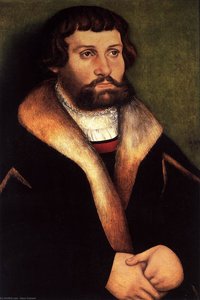
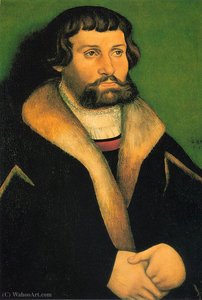
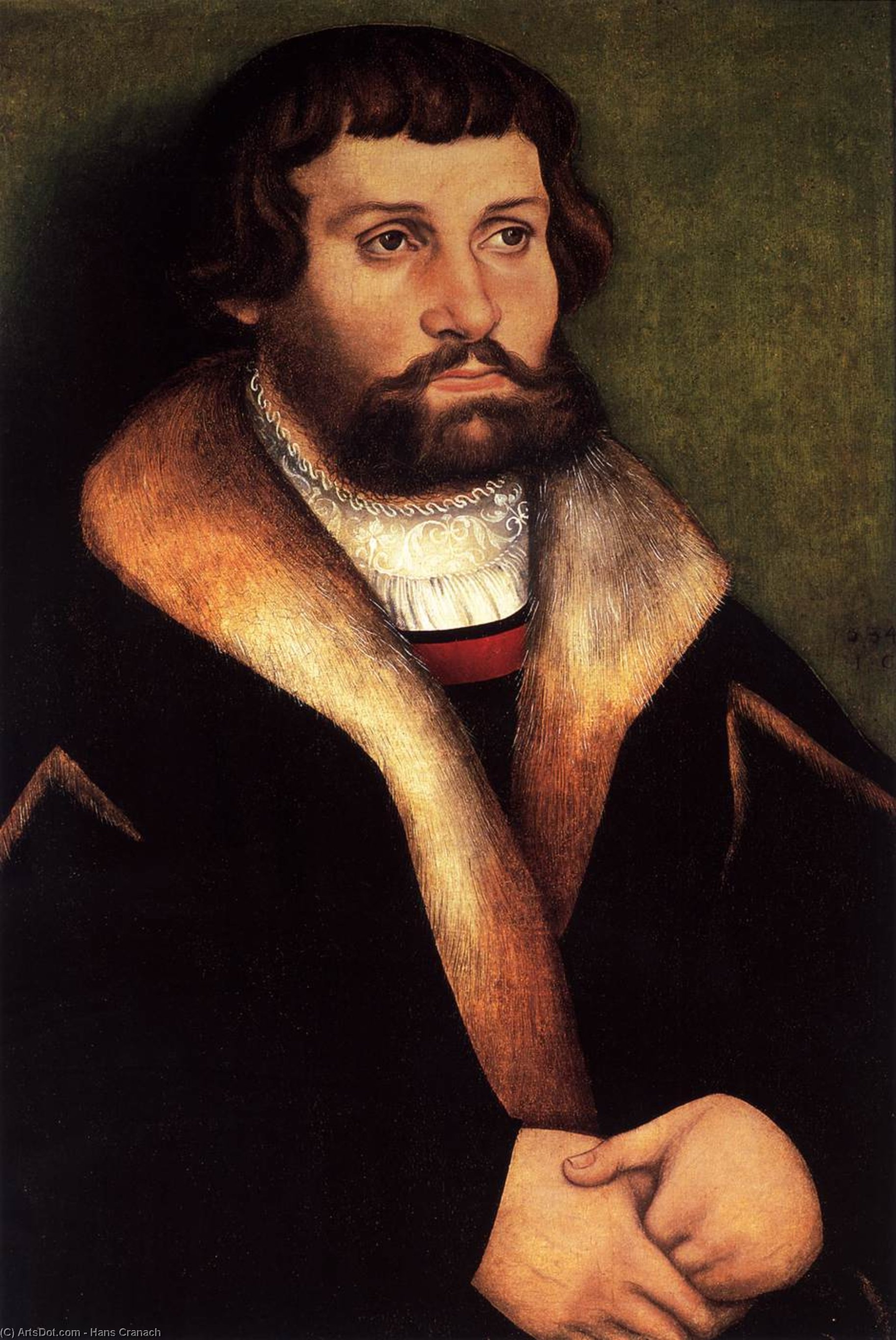
Portrait of a Bearded Young Man
 Oil On Canvas
- WallArt
- German Renaissance
 1534
1534- Renaissance
 51.0 x 35.0 cm
 Museo Thyssen-Bornemisza
 Read More
Hand Made Oil Reproduction
Hand-painted oil on canvas in your size and frame, made to order by our artists. ( Buy Print Buy Image)




P118B $10

P118H $10

P118W $10

P438Z $10

P508JH $12

P508YH $12

P805H $10

P805Z $10

P919BZ $10

P919G $10

P919XJ $10

P959ZH $10

P968JZ $12

W106C $8

W218G $10

W218JH $8

W218Y $10

W307PJ $10

W316G $10

W316PJ $8

W316Y $10

W398PJ $8

W4111J $10

W500HY $15

W500JH $15

W692G $12

W849H $8

W940BG $15

W953PJ $8




Pick from our preset sizes that match the artwork's original proportions.

You may enter your own dimensions to fit a specific frame or space. If your selected size does not match the original image's proportions, we will either crop the artwork or extend the painting with additional hand-painted elements. A digital mockup will be sent for your approval before production begins.
Please note that the on-screen preview does not reflect the actual cropping or extension. Only the mockup will accurately show the final composition.
While custom sizes are available, we recommend selecting a dimension from the predefined list to preserve the original proportions.
After order, ArtsDot.com team will email client for instructions and provide a mockup preview
Worldwide Delivery () in 3/4 weeks instead of standard 5 weeks. (23 August). No compromise on quality.

Free Worldwide Express Shipping

High-Quality Linen Canvas

Full Shipping Insurance

Customs Tax Refund Guarantee

True Color Matching Guarantee

60-Day Return Policy (Defects Only)

100% Money-Back Guarantee

Bulk Discount Offer
 Glass option is only available in size under 110 CM

Portrait of a Bearded Young Man
Reproduction Medium
Reproduction Size
-


Total Price
$ 263
Artwork Description
A Glimpse into the German Renaissance Soul
To stand before this Portrait of a Bearded Young Man is to encounter a direct whisper from the heart of the early sixteenth century. Painted in 1534 by Hans Cranach, the work transcends a mere likeness; it is a carefully constructed meditation on masculine dignity and the burgeoning intellectual currents of the German Renaissance. The subject commands attention with an almost palpable seriousness. His gaze, directed outward toward the viewer, is both challenging and deeply contemplative, suggesting a man burdened—or perhaps enriched—by profound thought. The meticulous rendering of his features, from the precise sweep of his mustache to the texture visible in his beard, speaks volumes about the skill and dedication of its creator.
Mastery in Technique and Detail
Hans Cranach’s technique here is nothing short of masterful. One can observe the delicate interplay between rich textures—the luxurious weight suggested by the fur coat contrasting with the crisp lines of his collar, all set against a surprisingly vibrant green background. The artist did not simply paint what he saw; he captured the very quality of light interacting with different materials. This attention to minute detail is characteristic of German portraiture from this era, where realism was married to an almost symbolic richness. The handling of pigment suggests both oil and tempera techniques, allowing for deep shadows that give the figure a three-dimensional presence, making the painting feel immediate and alive.
Historical Echoes: Life in 16th Century Wittenberg
The context of this portrait is inseparable from the life of its maker. Hans Cranach operated during a period of immense upheaval and profound cultural awakening—the dawn of the Reformation. While his father, Lucas Cranach the Elder, was deeply involved in the visual rhetoric of religious change, Hans carved out his own niche as a superb portraitist. This painting serves as a tangible artifact from that vibrant, intellectually charged atmosphere of Wittenberg. It allows us to connect with the social strata and the prevailing ideals of self-presentation among the educated elite of the time.
Symbolism and Emotional Resonance
The symbolism within the piece is subtle but potent. The fur coat speaks to status and worldly success, while the intense, direct gaze suggests an inner life that resists easy categorization. The green background, often associated with renewal or nature in art, provides a grounding counterpoint to the man’s solemnity. For the modern admirer, this portrait offers more than just historical curiosity; it evokes a sense of timeless gravitas. It invites us to pause our own hurried lives and consider the weight of contemplation—a feeling that makes this piece an extraordinary focal point for any discerning collector or designer.
Related Artworks
Artist Biography
Hans Cranach: A Master of German Renaissance Portraiture
Hans Cranach, a figure shrouded in the relative brevity of his life – he died at just 24 – remains one of the most compelling and enigmatic artists of the early German Renaissance. Born in Wittenberg around 1513, he was inextricably linked to the artistic legacy of his father, Lucas Cranach the Elder, a pivotal figure in the Reformation’s visual propaganda. While often overshadowed by his more celebrated father and brother, Hans Cranach carved out a distinct path as a portraitist and mythological painter, demonstrating a remarkable command of technique and a burgeoning artistic vision that belies his short career. His work offers a fascinating glimpse into the evolving aesthetic landscape of 16th-century Germany, blending humanist ideals with regional traditions.Early Training and Family Influence
Hans Cranach’s artistic journey began within the bustling workshop of Lucas Cranach the Elder, a hub of activity in Wittenberg during the Reformation. From an exceptionally young age, he was immersed in the demands of producing altarpieces, illuminated manuscripts, and portraits for a diverse clientele – including prominent religious figures and wealthy merchants. This early apprenticeship provided him with a solid foundation in oil painting techniques, drawing skills, and an understanding of the prevailing artistic styles of the time. Crucially, it also exposed him to the political and religious currents shaping Germany at the dawn of the 16th century. The Cranach workshop was not merely a place of production; it was a center for intellectual discourse and artistic experimentation, fostering a spirit of innovation that undoubtedly influenced Hans’s development. His brother, Lucas Cranach the Younger, continued the family business after his death, carrying on the legacy established by both men.A Distinctive Style: Portraits and Mythological Scenes
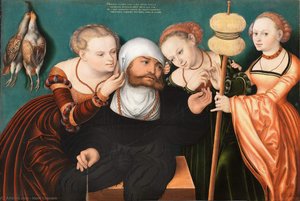
Despite the shadow cast by his father's prolific output, Hans Cranach developed a recognizable artistic style characterized by a refined elegance and a subtle psychological depth in his portraits. He frequently depicted bearded men – often identified as members of the Wittenberg elite – with an attention to detail that captured their individual personalities and social standing. His use of light and shadow creates a sense of realism and immediacy, drawing the viewer into the subject’s gaze. Beyond portraiture, Cranach also produced compelling mythological scenes, frequently depicting figures like Hercules and Diana, showcasing his ability to render dynamic action and complex compositions. These works demonstrate an engagement with classical themes while retaining a distinctly German sensibility. The “Portrait of a Bearded Man” and “Hercules at the Court of Omphale,” both housed in the Museo Thyssen-Bornemisza in Madrid, are considered among his most significant achievements, bearing his distinctive monogram "HC."A Brief but Significant Journey to Italy
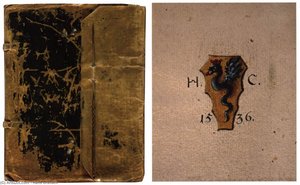
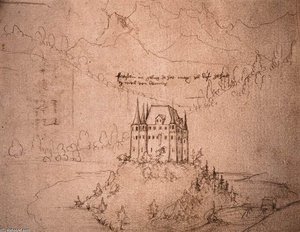
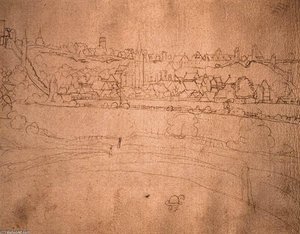
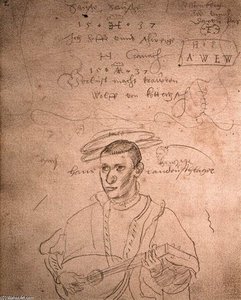
Around 1537, a pivotal moment occurred in Hans Cranach’s life: he embarked on a journey to Italy. This trip, documented through his sketchbook now held at the Kesner-Museum in Hanover, represents a crucial turning point in his artistic development. The sketchbook reveals an intense study of Italian Renaissance art and architecture, particularly the works of Raphael and Michelangelo. He meticulously copied their techniques and compositions, absorbing the innovations of the era and adapting them to his own style. This exposure to Italian artistic ideals undoubtedly broadened his horizons and informed his later work. Sadly, this journey was tragically cut short; he died in Bologna in 1537, likely during his travels.Legacy and Historical Significance
Despite the brevity of his career, Hans Cranach left a lasting mark on German art history. His portraits are valued for their psychological insight and technical skill, while his mythological scenes offer a compelling representation of Renaissance humanist ideals. His work stands as a bridge between the late Gothic traditions of his father and the burgeoning artistic trends of the High Renaissance. Art historians continue to debate the full extent of his oeuvre, with many works attributed to him based on stylistic analysis and scholarly research. Hans Cranach’s story serves as a poignant reminder that even in the face of early death, an artist can leave behind a legacy of beauty and innovation, contributing significantly to the rich tapestry of German Renaissance art. His work is preserved in museums across Europe, including the Museo Thyssen-Bornemisza in Madrid and the Kesner-Museum in Hanover, ensuring his artistic contributions will continue to be appreciated for generations to come.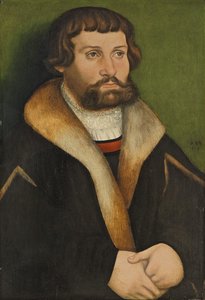
hans cranach
1513 - 1537 , Germany
Quick Facts
- Artistic Movement Or Style: German Renaissance
- Artists Who Influenced This Artist: ['Lucas Cranach the Elder],\n "Artists or movements influenced by this artist": ["Lucas Cranach the Younger"]\n}']
- Date Of Birth: ca. 1513
- Date Of Death: 1537
- Full Name: Hans Cranach (Johann Lucas Cranach)
- Nationality: German
- Notable Artworks:
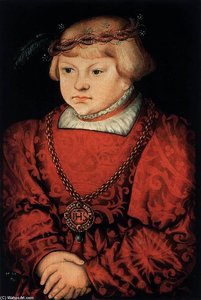
- Portrait of a Prince
- Hercules at the Court of Omphale
- Place Of Birth: Wittenberg, Germany
Related Articles

The Enduring Legacy of Oil on Canvas: Technique, History & Aesthetic Impact
Explore the rich history & techniques of oil painting – from Renaissance masters to Impressionism. Discover pigments, layering methods, and why this timeless medium endures. Expert insights for artists & art enthusiasts.

Oil on Canvas: A Historical & Technical Exploration of a Timeless Artistic Medium
Explore the rich history & enduring techniques of oil painting on canvas. Discover the science behind its longevity, conservation practices, and contemporary relevance. Expert insights for art enthusiasts.

The Enduring Power of Painting: A Historical & Contemporary Exploration of Form and Emotion
Explore the rich history & enduring techniques of oil painting with ArtsDot. Discover masterpieces, learn about art collecting, and find authentic handmade reproductions crafted by skilled artists.

The Enduring Legacy of Oil on Canvas: Technique, History & Contemporary Practice
Explore the rich history & enduring techniques of oil painting on canvas. Discover the science behind its longevity, conservation practices, and contemporary relevance. Expert insights for art enthusiasts.
The Northern Awakening: Artistic Innovation & Cultural Transformation in the German Renaissance
Explore the artistic innovation of the German Renaissance! Discover Dürer, the Danube School & Reformation art. Learn about techniques, materials & lasting influence. Find museum-quality reproductions at ArtsDot.