 Preview
 Send
Send Share
Share
 Details

 Download
 Similars
 X-Ray
X-Ray Diaporama
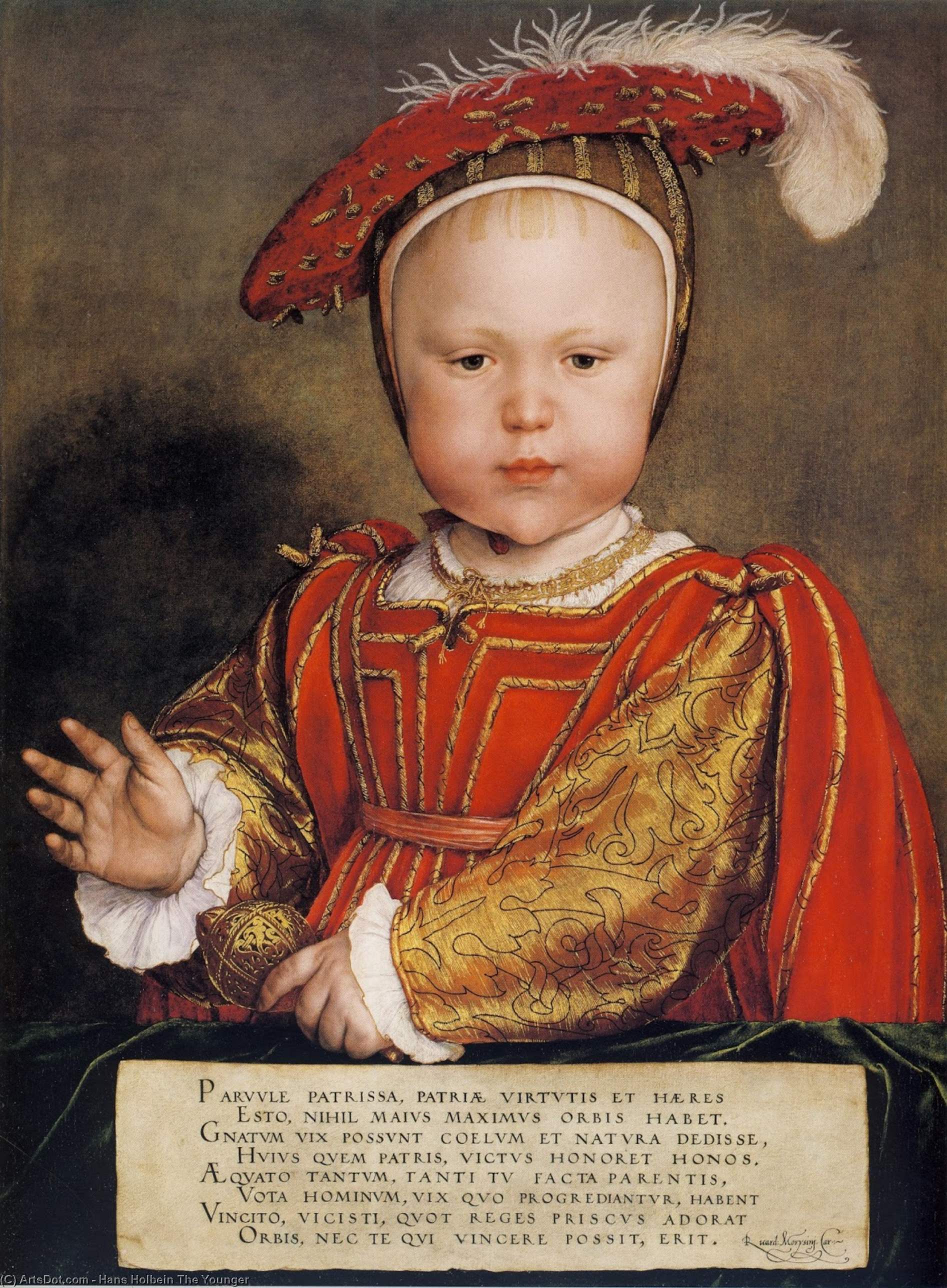
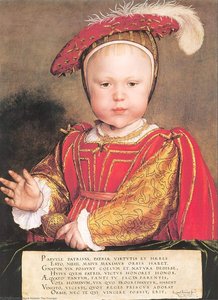
Portrait of Edward VI as a child
 Oil On Panel
- Northern Renaissance
 1538
1538- Renaissance
 44.0 x 56.0 cm
 Read More
Hand Made Oil Reproduction
Hand-painted oil on canvas in your size and frame, made to order by our artists. ( Buy Print Buy Image)




P118B $10

P118H $10

P118W $10

P438Z $10

P508JH $12

P508YH $12

P805H $10

P805Z $10

P919BZ $10

P919G $10

P919XJ $10

P959ZH $10

P968JZ $12

W106C $8

W218G $10

W218JH $8

W218Y $10

W307PJ $10

W316G $10

W316PJ $8

W316Y $10

W398PJ $8

W4111J $10

W500HY $15

W500JH $15

W692G $12

W849H $8

W940BG $15

W953PJ $8




Pick from our preset sizes that match the artwork's original proportions.

You may enter your own dimensions to fit a specific frame or space. If your selected size does not match the original image's proportions, we will either crop the artwork or extend the painting with additional hand-painted elements. A digital mockup will be sent for your approval before production begins.
Please note that the on-screen preview does not reflect the actual cropping or extension. Only the mockup will accurately show the final composition.
While custom sizes are available, we recommend selecting a dimension from the predefined list to preserve the original proportions.
After order, ArtsDot.com team will email client for instructions and provide a mockup preview
Worldwide Delivery () in 3/4 weeks instead of standard 5 weeks. (16 August). No compromise on quality.

Free Worldwide Express Shipping

High-Quality Linen Canvas

Full Shipping Insurance

Customs Tax Refund Guarantee

True Color Matching Guarantee

60-Day Return Policy (Defects Only)

100% Money-Back Guarantee

Bulk Discount Offer
 Glass option is only available in size under 110 CM

Portrait of Edward VI as a child
Reproduction Medium
Reproduction Size
-


Total Price
$ 263
Artwork Description
A Window into Tudor Childhood: The Enigmatic Portrait of Edward VI
Hans Holbein the Younger’s “Portrait of Edward VI as a Child,” painted in 1538, isn't merely a depiction of a young boy; it’s a meticulously crafted window into the precarious world of a Tudor prince. Captured with astonishing realism and imbued with an unsettling sense of quiet intensity, this oil-on-panel painting transcends its status as a royal commission to become a profound meditation on power, vulnerability, and the burden of destiny. The image immediately draws the viewer in – a young boy, perhaps no older than seven, seated within a richly appointed interior, his posture suggesting both regal composure and an underlying awareness of his future responsibilities. The scene is bathed in soft light, highlighting the details of his attire—a vibrant red doublet adorned with gold trim, a symbol of his status as heir to the throne – yet simultaneously casting shadows that hint at the anxieties inherent in his position.
Holbein’s genius lies not just in his technical mastery but in his ability to capture psychological depth. The boy's hand raised towards his face, seemingly engaged in a private contemplation or perhaps a playful gesture, is particularly arresting. It speaks of an intelligence and awareness beyond his years, suggesting that he was acutely aware of the weight of expectation placed upon him. The two figures glimpsed in the background—a gentleman and what appears to be a servant—add layers of context, hinting at the watchful presence surrounding the young prince, reinforcing the idea of a carefully controlled environment designed to shape his character.
Northern Renaissance Realism: A Masterclass in Observation
Painted during the height of the Northern Renaissance, “Portrait of Edward VI as a Child” exemplifies the movement’s emphasis on meticulous observation and naturalistic representation. Holbein, trained within his father's workshop, inherited a deep appreciation for detail and a commitment to capturing the nuances of human form and expression. Unlike the idealized portraits prevalent in Italy at the time, Holbein eschewed romanticism in favor of a stark realism that unflinchingly confronted the viewer with the subject’s imperfections – the slight asymmetry of his face, the subtle wrinkles around his eyes, the slightly awkward posture. This commitment to truthfulness is further emphasized by the artist's use of oil paint, which allowed for layering and blending, creating a rich tapestry of textures and tones.
The painting’s composition—the careful arrangement of objects within the room, the precise rendering of fabrics and jewelry—demonstrates Holbein’s mastery of perspective and his ability to create a convincing illusion of depth. He skillfully employs chiaroscuro – the dramatic contrast between light and shadow – to sculpt the boy's form and draw attention to key details, such as his hand and face. The muted color palette, dominated by reds, golds, and browns, contributes to the painting’s somber mood, reflecting the anxieties of a turbulent era.
A Prince in Transition: Historical Context and Royal Intrigue
The portrait was created during a period of immense political instability in England. Edward VI, the youngest son of Henry VIII and Jane Seymour, ascended to the throne at the age of nine, inheriting a kingdom ravaged by religious upheaval and threatened by powerful factions vying for control. His reign was tragically short-lived, marked by illness and intrigue, and ultimately succeeded by his Catholic sister Mary I. The painting, therefore, is not simply a portrait of a young boy; it’s a snapshot of a nation on the brink of change.
The fact that Edward was raised as a Protestant in a predominantly Catholic country created an immediate tension within the court. His early life was characterized by constant surveillance and manipulation, as various advisors sought to influence his decisions. Holbein, serving as the King’s principal painter, was privy to these political machinations and skillfully embedded them within the portrait—the watchful figures in the background, the carefully chosen objects—creating a subtle commentary on the complexities of royal power. The painting serves as a poignant reminder that even at a young age, Edward VI bore the weight of an entire nation’s hopes and fears.
Symbolism and Emotional Resonance
Beyond its historical significance, “Portrait of Edward VI as a Child” is rich in symbolism. The boy's raised hand, as mentioned earlier, suggests contemplation and awareness. The empty chair hints at the isolation inherent in his position—a young king surrounded by advisors but ultimately responsible for making decisions that would shape the destiny of England. The gold trim on his doublet symbolizes wealth and status, while the simple setting underscores the austerity of his upbringing.
Ultimately, the painting evokes a sense of melancholy and foreboding. It’s not a celebratory portrait; it's a poignant meditation on loss, responsibility, and the fleeting nature of youth. It invites us to contemplate the burdens carried by those who inherit power and to consider the enduring legacy of a young boy whose brief reign marked a pivotal moment in English history.
Related Artworks
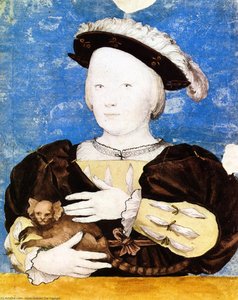
Artist Biography
A Life Etched in Detail: The World of Hans Holbein the Younger
Born around 1497 in the vibrant artistic hub of Augsburg, Germany, Hans Holbein the Younger emerged as a defining figure of the Northern Renaissance—a master portraitist whose work continues to resonate with breathtaking realism and psychological depth. His upbringing within an artistically gifted family laid the foundation for his exceptional talent; his father, Hans Holbein the Elder, was a respected painter and printmaker who instilled in young Hans a meticulous approach to observation and technique. This early training wasn’t merely about mastering brushstrokes or mixing pigments—it was about learning to *see*, to capture not just likeness but the very essence of a subject. Holbein's initial artistic explorations occurred within his father’s workshop, where he honed his skills before embarking on a journey that would lead him through Switzerland and ultimately to the heart of the English court.From Basel to the Tudor Court: A Rising Star
After completing his apprenticeship, Holbein traveled extensively throughout Switzerland, establishing himself as an independent artist with a growing reputation. He spent several formative years in Basel, creating not only striking portraits but also religious works and intricate woodcut designs—most notably the haunting series depicting the *Dance of Death*. These early pieces reveal a burgeoning mastery of composition and a developing fascination with capturing the complexities of human emotion. It was in 1526 that fate intervened, drawing Holbein towards England, an event that would irrevocably alter his artistic trajectory. He arrived bearing a letter of introduction from Erasmus, the renowned humanist scholar, which opened doors to the influential circles of English society. His talent quickly captivated prominent figures like Sir Thomas More, who became both a patron and a subject for several compelling portraits. This connection proved pivotal, leading to Holbein’s appointment as a court painter to King Henry VIII in 1536—a position he held, with some interruptions, until his untimely death in 1543.The Art of Perception: Style and Masterpieces
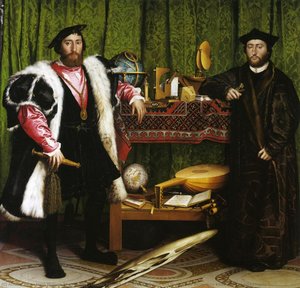
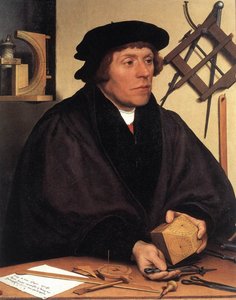
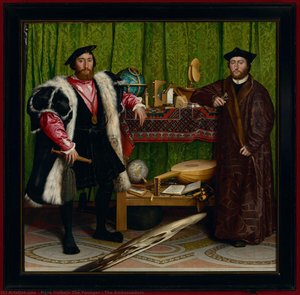
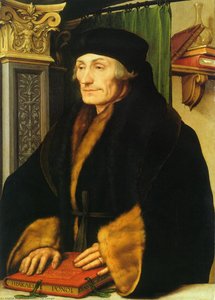
Holbein's artistic style is characterized by an extraordinary commitment to realism, achieved through painstaking attention to detail in rendering textures, fabrics, and the subtle nuances of facial features. He didn’t simply *paint* portraits; he meticulously constructed them, layer upon layer, capturing not just physical appearances but also the personality and inner life of his sitters. His innovative compositions further enhanced the impact of his work, often employing symbolic objects or backgrounds to convey deeper meaning. The Ambassadors (1533) stands as a testament to this approach—a complex and symbolically rich double portrait showcasing both Holbein’s technical brilliance and intellectual depth. The anamorphic skull subtly embedded within the painting serves as a stark *memento mori*, reminding viewers of the inevitability of death. His numerous portraits of Henry VIII established a lasting image of Tudor power, while his depiction of Erasmus of Rotterdam captures the scholar's profound intellectual gravitas. Other notable works include the stunning *Portrait of Nikolaus Kratzer* (1528), a masterpiece of realism and scientific detail.Legacy and Influence: A Lasting Impression
Holbein’s artistic journey was shaped by a confluence of influences, blending the precision of German artistic traditions with the compositional principles of the Italian Renaissance. He admired the work of Albrecht Dürer and other German masters while also studying Italian art during his travels, absorbing their techniques and incorporating them into his own unique style. His legacy is profound; Holbein’s portraits set a new standard for realism and psychological insight in portraiture, influencing generations of artists who followed. His depictions of key figures during the Tudor period provide invaluable insights into the lives and personalities of those who shaped English history. He didn't merely record appearances—he captured moments in time, preserving them for posterity. His work serves as a powerful testament to the enduring power of art to document, interpret, and illuminate the past.A Final Brushstroke: Historical Significance
Hans Holbein the Younger died in London in 1543, leaving behind a body of work that continues to captivate audiences centuries later. His portraits are more than just beautiful images; they are historical documents, offering glimpses into the political intrigues, religious upheavals, and cultural shifts of the Tudor era.- His depictions of Henry VIII became iconic representations of royal power.
- His portraiture provides a window into the lives of prominent humanists like Erasmus and More.
- His innovative use of symbolism adds layers of meaning to his work, inviting viewers to contemplate deeper themes.
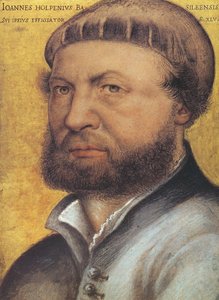
Hans Holbein the Younger
1497 - 1543 , Italy
Quick Facts
- Artistic Movement Or Style: Northern Renaissance
- Artists Or Movements Influenced By This Artist: ['Later portrait artists']
- Artists Who Influenced This Artist: ['Albrecht Dürer']
- Date Of Birth: 1497
- Date Of Death: 1543
- Full Name: Hans Holbein the Younger
- Nationality: German-Swiss
- Notable Artworks:
- The Ambassadors
- Portrait of Henry VIII
- Portrait of Erasmus
- Nikolaus Kratzer
- Place Of Birth: Augsburg, Germany
Related Articles
Edward Hopper's Masterpieces: 25 Iconic Paintings & Their Enduring Legacy | ArtsDot
Explore 25 iconic Edward Hopper paintings & their stories. Discover American realism, urban loneliness, and timeless beauty through his masterpieces. Find museum-quality art reproductions & curated decor ideas at ArtsDot.com.
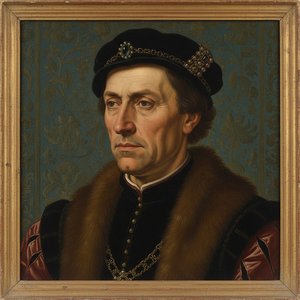
Hans Holbein the Younger: A Renaissance Portraitist's Mastery of Realism & Psychological Insight
Explore the life & art of Hans Holbein the Younger, a Renaissance master renowned for his strikingly realistic portraits and psychological insight. Discover iconic works like 'The Ambassadors' and delve into his lasting legacy.

The Enduring Legacy of Oil on Canvas: Technique, History & Aesthetic Impact
Explore the rich history & techniques of oil painting – from Renaissance masters to Impressionism. Discover pigments, layering methods, and why this timeless medium endures. Expert insights for artists & art enthusiasts.

Oil on Canvas: A Historical & Technical Exploration of a Timeless Artistic Medium
Explore the rich history & enduring techniques of oil painting on canvas. Discover the science behind its longevity, conservation practices, and contemporary relevance. Expert insights for art enthusiasts.

The Enduring Power of Painting: A Historical & Contemporary Exploration of Form and Emotion
Explore the rich history & enduring techniques of oil painting with ArtsDot. Discover masterpieces, learn about art collecting, and find authentic handmade reproductions crafted by skilled artists.

![Double Portrait of Jean de Dinteville and Georges de Selve (aka The Ambassadors) [detail]](/media/artworks/images/thumbnails/45/35/45353c0b094a4234b974d408c840017b.jpg)