 Preview
 Send
Send Share
Share
 Details

 Download
 Similars
 X-Ray
X-Ray Diaporama
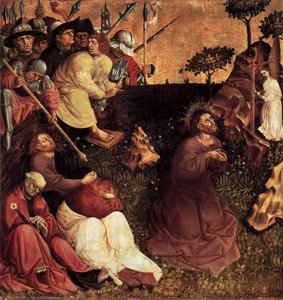
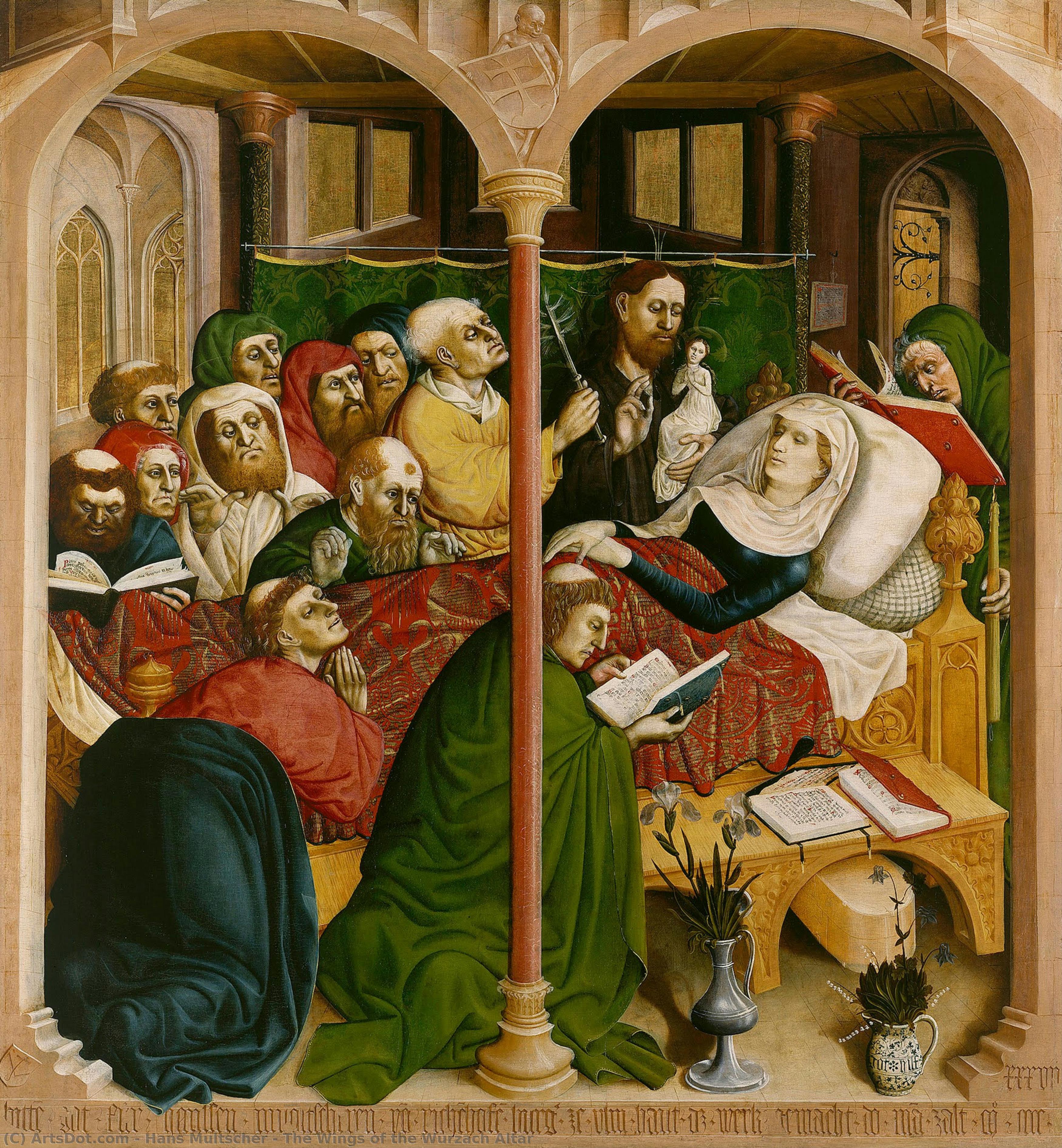
The Wings of the Wurzach Altar
 Oil On Panel
- Early German Realism
 1437
1437- Late Medieval
 140.0 x 150.0 cm
 Read More
Hand Made Oil Reproduction
Hand-painted oil on canvas in your size and frame, made to order by our artists. ( Buy Print Buy Image)




P118B $10

P118H $10

P118W $10

P438Z $10

P508JH $12

P508YH $12

P805H $10

P805Z $10

P919BZ $10

P919G $10

P919XJ $10

P959ZH $10

P968JZ $12

W106C $8

W218G $10

W218JH $8

W218Y $10

W307PJ $10

W316G $10

W316PJ $8

W316Y $10

W398PJ $8

W4111J $10

W500HY $15

W500JH $15

W692G $12

W849H $8

W940BG $15

W953PJ $8




Pick from our preset sizes that match the artwork's original proportions.

You may enter your own dimensions to fit a specific frame or space. If your selected size does not match the original image's proportions, we will either crop the artwork or extend the painting with additional hand-painted elements. A digital mockup will be sent for your approval before production begins.
Please note that the on-screen preview does not reflect the actual cropping or extension. Only the mockup will accurately show the final composition.
While custom sizes are available, we recommend selecting a dimension from the predefined list to preserve the original proportions.
After order, ArtsDot.com team will email client for instructions and provide a mockup preview
Worldwide Delivery () in 3/4 weeks instead of standard 5 weeks. (17 August). No compromise on quality.

Free Worldwide Express Shipping

High-Quality Linen Canvas

Full Shipping Insurance

Customs Tax Refund Guarantee

True Color Matching Guarantee

60-Day Return Policy (Defects Only)

100% Money-Back Guarantee

Bulk Discount Offer
 Glass option is only available in size under 110 CM

The Wings of the Wurzach Altar
Reproduction Medium
Reproduction Size
-


Total Price
$ 263
Artwork Description
A Window into the Devout Heart of the 15th Century
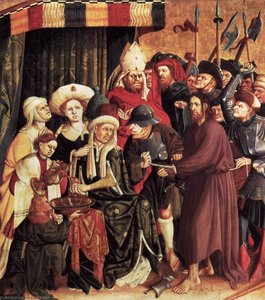
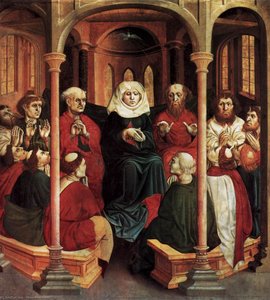
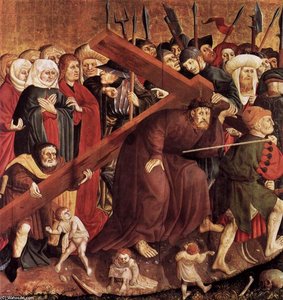
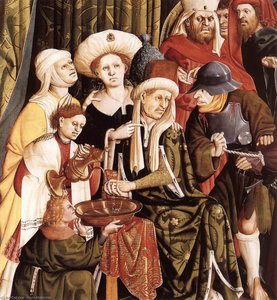
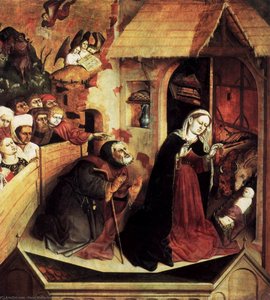
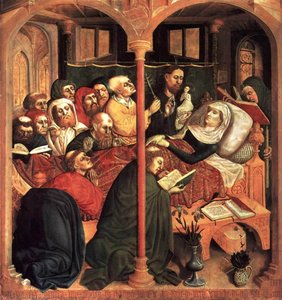
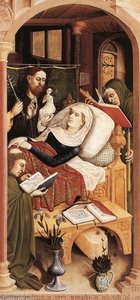
In the quiet, somber atmosphere of a medieval chamber, a profound drama unfolds within The Wings of the Wurzach Altar. Painted in 1437 by the German master Hans Multscher, this extraordinary work serves as a breathtaking portal to the late Gothic era. At first glance, the viewer is drawn into an intimate, almost claustrophobic scene of human vulnerability and divine intervention. A woman lies recumbent in bed, her pale features suggesting the heavy weight of illness or perhaps the approaching shadow of death. Around her, a gathering of figures—some kneeling in fervent prayer, others standing in silent vigil—creates a tapestry of communal grief and spiritual hope. The meticulous arrangement of characters, from the person receiving a gentle touch from the ailing woman to the observers tucked into the corners of the room, directs the eye through a narrative of deep religious piety.
The composition is enriched by an array of period-specific details that ground this sacred event in a tangible, earthly reality. A solitary book rests near the bottom corner, perhaps a prayer book for the soul, while delicate vases and humble cups are scattered throughout the setting, adding layers of domesticity to the monumental spiritual moment. This interplay between the mundane and the miraculous is where Multsker’s genius truly resides, inviting the observer to find the divine within the everyday struggles of human existence.
The Dawn of German Realism
Hans Multscher stands as a pivotal figure in art history, acting as a bridge between the stylized elegance of the Gothic tradition and the burgeoning observational precision of the Renaissance. Having likely traveled through the artistic hubs of Northern France and the Netherlands, Multscher infused his work with the Early Netherlandish obsession with texture and light. In this altar wing, one can witness the early tremors of German Realism; the way light catches the folds of heavy fabric, the somber shadows pooling in the corners of the room, and the expressive, individualized faces of the mourners all point toward a revolutionary shift in painting technique.
The artist’s ability to render volume and weight gives the figures a sculptural presence, a skill likely honed through his experience as a sculptor. This tactile quality makes the scene feel less like a distant legend and more like a witnessed event. For the modern collector or interior designer, this piece offers more than just historical interest; it provides a profound sense of depth and gravity. The masterful use of oil to capture subtle transitions in skin tone and the heavy, somber palette creates an atmosphere of contemplative stillness that can anchor a room with its quiet, commanding dignity.
A Legacy of Symbolism and Emotional Resonance
Beyond the technical mastery, The Wings of the Wurzach Altar is a profound study in symbolism. Every element, from the placement of the hands to the presence of specific household objects, serves to reinforce themes of mortality, intercession, and the sanctity of life. The painting does not merely depict a scene; it evokes an emotional response—a mixture of melancholy for the passing life and reverence for the spiritual strength found in community. It is a work that demands slow looking, rewarding the viewer with new discoveries of light and shadow upon every encounter.
For those seeking to incorporate fine art into a curated space, a high-quality reproduction of this masterpiece offers an opportunity to possess a fragment of history. Whether placed in a library, a study, or a grand living area, the painting’s rich textures and historical weight provide a sophisticated focal point. It serves as a conversation piece that transcends time, bringing the solemn beauty and the pioneering spirit of 15th-century Germany into the contemporary home.
Related Artworks
Artist Biography
A Pioneer of German Realism: The Life and Art of Hans Multscher
Born around 1400 in the small Bavarian town of Reichenhofen, now part of Leutkirch im Allgäu, Hans Multscher emerged as a pivotal figure bridging the stylistic transition from the late Gothic period to the burgeoning Renaissance in Germany. While precise details surrounding his early life remain scarce, it’s clear that Multscher possessed an inquisitive spirit and a keen eye for artistic innovation. He didn't simply absorb prevailing trends; he actively sought out new influences, embarking on journeys that would profoundly shape his unique aesthetic vision. These travels likely took him to the artistic centers of northern France and the Netherlands, exposing him to the burgeoning realism and meticulous detail characteristic of Early Netherlandish painting – a style that would become a defining feature of his own work. In 1427, Multscher established himself as a free citizen of Ulm, a thriving commercial hub on the Danube River, marking a turning point in his career. There he married Adelheid Kitzin and, alongside his brother Heinrich, founded a workshop that quickly gained prominence for its innovative sculptures and paintings.The Workshop and Artistic Development
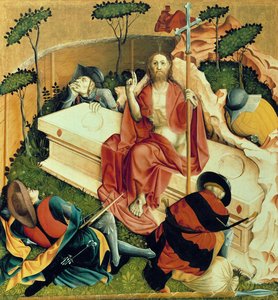
The Multscher workshop was not merely a place of production; it was a crucible of artistic experimentation. Hans oversaw a substantial team – records indicate as many as sixteen assistants at times – fostering an environment where traditional Gothic forms were gradually infused with the naturalism he had absorbed during his travels. This blend is particularly evident in his sculptural work, which moved away from the elongated figures and stylized drapery typical of the late Gothic period towards more anatomically accurate representations and a greater sense of emotional depth. His paintings, though fewer in number, demonstrate an equally compelling shift. The *Wurzacher Altar*, begun in 1437, stands as a testament to this evolving style. This ambitious project, originally intended for the church of St. James in Wurzach, showcases Multscher’s mastery of oil painting – a relatively new medium at the time – and his ability to render textures, light, and shadow with remarkable precision. The altar's panels depict scenes from the life of Christ and the Virgin Mary, each imbued with a sense of palpable humanity that set it apart from earlier devotional art. It’s important to note that Multscher wasn’t solely focused on religious subjects; his commissions also included secular works, such as the group of emperors adorning the eastern window of Ulm's city hall, demonstrating his versatility and appeal to a broad clientele.Key Works and Lasting Legacy
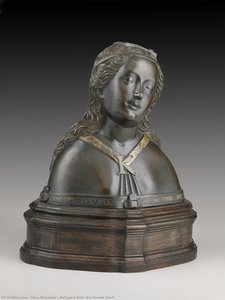
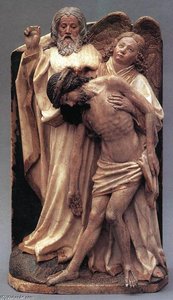
Beyond the *Wurzacher Altar*, several other works cemented Multscher’s reputation as one of Germany’s most important artists. The sculpture of *Holy Mary Magdalen*, now housed in Frankfurt's Liebieghaus, is a particularly poignant example of his ability to convey profound emotion through sculpted form. Her sorrowful expression and the delicate rendering of her hair and clothing reveal a deep understanding of human psychology. Another notable work is the *Man of Sorrows* – copies of which can be found at Ulm Minster – a powerful depiction of Christ’s suffering that reflects the devotional fervor of the era. These pieces, along with his contributions to the Ulm city hall, demonstrate Multscher's skill in both sculpture and painting, as well as his ability to adapt his style to different contexts and patrons. His influence extended far beyond his own lifetime; the workshop he established continued to thrive after his death in 1467, disseminating his artistic principles throughout Swabia and beyond.A Bridge Between Eras
Hans Multscher’s significance lies not only in the beauty and technical skill of his art but also in his role as a catalyst for change. He was among the first German artists to fully embrace the realism and naturalism that were transforming art in northern Europe, paving the way for subsequent generations of Renaissance masters. His work represents a crucial moment in the development of German art, marking a departure from the stylized conventions of the Gothic period towards a more humanistic and observational approach. While he didn’t entirely abandon traditional forms – elements of Gothic ornamentation can still be detected in his work – he skillfully integrated them with new techniques and aesthetic sensibilities, creating a unique artistic language that resonated deeply with his contemporaries and continues to captivate audiences today. He stands as a testament to the power of artistic exchange and the enduring legacy of those who dare to challenge convention.Exploring Multscher’s World Today
Fortunately, numerous examples of Hans Multscher's artistry survive, allowing us to appreciate his genius firsthand. The Gemäldegalerie Alte Meister in Dresden houses an impressive collection of European paintings from the 15th to 18th centuries, offering a broader context for understanding Multscher’s place within art history. For those interested in exploring high-quality reproductions of his work, platforms like ArtsDot and ArtsDot offer meticulously hand-painted copies that capture the nuances of his original masterpieces. Furthermore, resources such as Wikipedia and the Web Gallery of Art provide valuable biographical information and detailed analyses of his artistic style. By engaging with these resources, we can continue to celebrate the life and legacy of Hans Multscher – a true pioneer of German realism whose art continues to inspire and move us centuries later.
Hans Multscher
1400 - 1467 , Germany
Quick Facts
- Artistic Movement Or Style: Late Gothic/Renaissance
- Artists Who Influenced This Artist:
- Northern France styles
- Netherlands styles
- Date Of Birth: c. 1400
- Date Of Death: 1467
- Full Name: Hans Multscher
- Nationality: German
- Notable Artworks:
- Holy Mary Magdalen
- Man of Sorrows
- Group of Emperors
- Wurzach Altar
- Place Of Birth: Reichenbach, Germany
Related Articles
High Medieval Art: 10 Masterpieces That Shaped an Era | ArtsDot
Journey through High Medieval Art! Explore 10 iconic masterpieces – from Giotto's frescoes to stunning Gothic cathedrals. Discover the stories behind these timeless paintings, sculptures & illuminated manuscripts. Find museum-quality art reproductions at ArtsDot.com.
Romantic Realism's Finest: 10 Masterpieces for Your Home | ArtsDot
Explore 10 defining masterpieces of Romantic Realism! Discover Courbet, Millet & Daumier's powerful paintings—capturing emotion and social realities. Find museum-quality reproductions for your home at ArtsDot.com.
Late Medieval Masterpieces: 10 Artworks That Defined an Era | ArtsDot
Journey through 10 defining Late Medieval masterpieces – from Giotto's frescoes to Jan van Eyck’s realism. Explore the stories, techniques & vibrant colors of Gothic art. Find museum-quality reproductions and elevate your home decor with ArtsDot.com! Discover all masterpieces on ArtsDot.com
Fritz von Uhde: Bridging Realism & Symbolism in Late 19th-Century German Painting
Explore the captivating world of Fritz von Uhde, a pivotal German painter bridging Realism & Symbolism. Discover his plein-air techniques, religious themes, and influence on modern art. Learn about this fascinating artist at ArtsDot.
German Expressionism's 10 Defining Masterpieces | Art for Your Home
Explore 10 defining German Expressionism masterpieces – from Munch's 'The Scream' to Kandinsky’s abstracts. Discover the artists, stories & bold colors behind this powerful art movement. Find museum-quality reproductions at ArtsDot.com.