

 Preview
 Send
Send Share
Share
 Details

 Download
 Similars
 X-Ray
X-Ray Diaporama
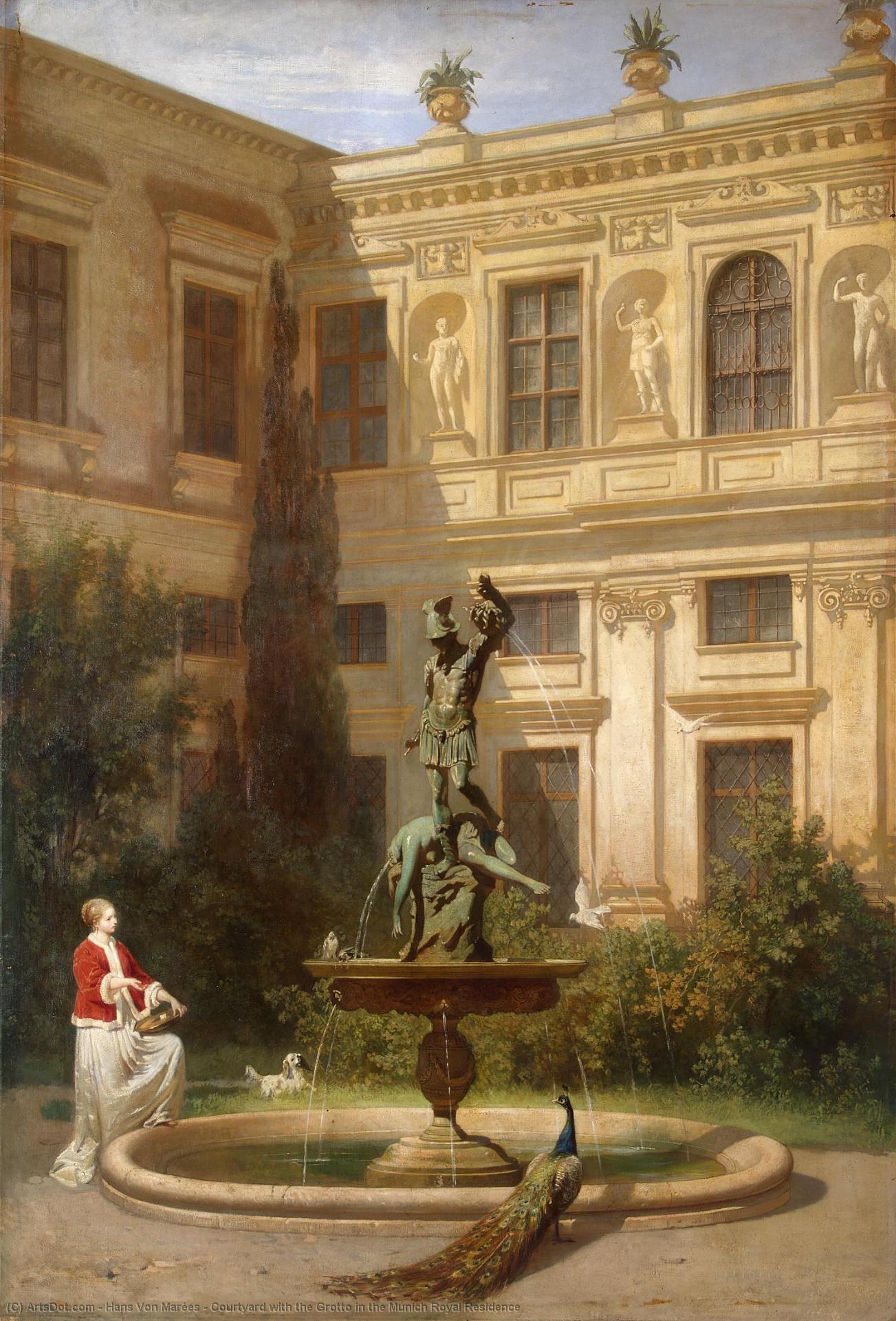
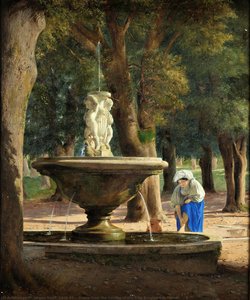
Courtyard with the Grotto in the Munich Royal Residence
 Oil On Canvas
- WallArt
- Romantic Classicism
 1862
1862 240.0 x 162.0 cm
 Hermitage Museum
 Read More
Purchase a high-resolution, enhanced digital image, far superior to the online preview.
Each file is meticulously prepared by our in-house specialists using advanced tools and expert manual retouching. We ensure every image has exceptional clarity, precise color accuracy, and fine detail.
The final file is delivered via email within 72 hours, optimized for immediate use in professional, editorial, and print environments. This is the same quality trusted by top-tier design studios, publishers, and galleries.
Digital Image
Download a high-resolution file for personal display, printing, and creative projects. ( Buy Print Buy Hand Made Painting)
Included in Every Digital Image Order
Expert Digital Delivery, Guaranteed
When you choose ArtsDot.com, you're not just getting an image - you're receiving a professionally enhanced digital artwork, crafted with precision and backed by a satisfaction guarantee. Here's everything that comes with your order, automatically:

Fast Email Delivery
Your high-resolution digital image file will be emailed to you within 72 hours of ordering - ready for immediate use.

AI-Enhanced Digital File
Your artwork is professionally optimized using advanced AI tools and manual editing, ensuring maximum detail, clarity, and color accuracy.

Free Lifetime Re-Delivery
Accidentally deleted or lost your file? No worries - we'll resend it to you anytime, free of charge.

No Import Fees - Ever
Enjoy your artwork instantly with zero customs, duties, or delivery fees - digital downloads are always tax-free.

Color Accuracy Guarantee
We ensure your digital image reflects the original colors as closely as possible using professional tools and color management.

60-Day Satisfaction Guarantee
If you're not satisfied with your digital image, we'll revise it or refund 100% within 60 days - no questions asked.

100% Money-Back Guarantee
Not satisfied? Get a full refund within 60 days of receiving your digital file - no questions asked.

Bulk Order Discounts
Buy 3 images, save 10% - Buy 5, save 15% - Buy 10+, save 20%. Great for creative projects, galleries, and agencies.
Courtyard with the Grotto in the Munich Royal Residence
Hans von Marées’ “Courtyard with the Grotto in the Munich Royal Residence” stands as a testament to Romantic Classicism—a singular achievement that fused the grandeur of Neoclassical precision with the vibrant emotional depth characteristic of the Romantic era. Painted in 1862-1863, this monumental fresco embodies Bavarian royal heritage and continues to captivate viewers with its masterful execution and profound symbolic resonance.Subject Matter and Composition
The artwork depicts a meticulously rendered courtyard within Munich’s Royal Residence, dominated by a central grotto adorned with a sculpted fountain featuring a female figure holding a vase aloft—a deliberate allusion to classical mythology and the veneration of feminine beauty. Surrounding the fountain are numerous statues representing figures from antiquity, including a male deity and a winged bird, meticulously positioned to create a harmonious visual balance. Notably, a dog stands prominently at the base of the grotto, symbolizing loyalty and guardianship – elements frequently employed in Romantic art to convey moral virtue. The architectural backdrop incorporates windows that illuminate the scene, enhancing its luminosity and contributing to an overall impression of serene grandeur.Style and Technique
Marées’ distinctive style exemplifies Romantic Classicism—a movement that sought to revive classical ideals while retaining expressive artistic sensibilities. He achieved unparalleled color depth through a technique known as “Verkehrte Malerei,” or inverted painting, where pigment is applied in reverse on the canvas before being burnished to create an astonishingly luminous surface. This innovative method allowed Marées to capture subtle tonal variations and imbue the artwork with an ethereal glow—a hallmark of Romantic art’s preoccupation with emotion and atmosphere. The artist's meticulous attention to detail ensured that every element, from the sculpted figures to the architectural ornamentation, was rendered with breathtaking accuracy.Historical Context
Painted during a period of significant artistic experimentation in Germany, “Courtyard with the Grotto” reflects the broader cultural currents of its time. Romantic Classicism emerged as a reaction against the perceived formalism of Neoclassicism, advocating for a return to idealized beauty and moral grandeur inspired by ancient Greece and Rome. Marées’ work aligns perfectly with this movement's ethos—celebrating royal patronage and embodying the aspirations of German intellectuals and artists during the Victorian era. The fresco was commissioned as part of a larger project aimed at decorating the Royal Residence, reflecting the Habsburg monarchy’s commitment to artistic excellence and cultural prestige.Symbolism and Emotional Impact
The artwork’s symbolism transcends mere representation; it communicates profound ideas about virtue, beauty, and divine grace. The female figure holding the vase symbolizes fertility and nurturing—values central to Romantic ideals of femininity. The statues surrounding the fountain represent figures from classical mythology who embody wisdom and moral authority. Furthermore, the dog embodies loyalty and protection—themes frequently explored in Romantic art as expressions of human compassion and devotion. Ultimately, “Courtyard with the Grotto” evokes a sense of tranquility, contemplation, and admiration for the sublime beauty of nature and art—capturing the emotional core of Romantic sensibility.Provenance and Significance
The fresco’s journey began in 1924 when it entered the Hermitage Museum from the State Museum Fund, originally belonging to A. L. Stieglitz. Its current location underscores its enduring artistic value and ensures that future generations can appreciate Marées' groundbreaking contribution to German art history. The artwork remains a cornerstone of Bavarian royal heritage and continues to inspire artists and collectors alike—a timeless masterpiece embodying the spirit of Romantic Classicism’s harmonious blend of intellect and emotion.Related Artworks


Artist Biography
The Visionary Spirit of Hans von Marées
Hans von Marées stands as a singular figure in German art history—a painter who seamlessly blended Romantic idealism with the meticulous precision of Neoclassicism, achieving an unprecedented level of color depth and expressive nuance. Born into a wealthy banking family in Elberfeld, Prussia, in 1837, Marées’ artistic journey was shaped by both intellectual privilege and a profound, searching spirit. His early life, rooted in the disciplined atmosphere of his upbringing, provided the foundation for a career defined by a relentless pursuit of an aesthetic truth that transcended the mere imitation of nature.
His formal training at the Berlin Academy under Carl Steffeck proved to be a pivotal encounter. While Steffeck’s rigorous insistence on classical techniques and the study of Old Masters instilled in Marées a mastery of composition, it also provided the very tools he would later use to depart from tradition. The early years of his career were deeply colored by the melancholic beauty of Romanticism. Influenced by the haunting landscapes of Caspar David Friedrich, Marées began to explore the sublime power of the Prussian wilderness, using subtle tonal variations to capture the psychological weight of the natural world.
A Journey Toward Mythological Grandeur
As his style matured, Marées moved away from the purely descriptive qualities of landscape painting toward a more monumental and symbolic language. This evolution led him toward a unique form of mythological classicism, where figures were not merely subjects of historical record but vessels for eternal human emotions. His work began to resonate with a sense of timelessness, often characterized by large-scale compositions that felt both ancient and strikingly modern. This period saw him experimenting with the dramatic potential of light and shadow, creating works that possessed a sculptural weightiness.
His travels and exposure to diverse cultural influences further enriched his palette and perspective. The artist’s ability to integrate various stylistic elements—from the precision of classical antiquity to the burgeoning energy of contemporary realism—allowed him to create a visual vocabulary that was entirely his own. Whether depicting scenes of quiet contemplation or grand, epic struggles, Marées infused his canvases with a vibrant classicism that sought to elevate the human experience through art.
Legacy and Artistic Significance
The significance of Hans von Marées lies in his refusal to be confined by the rigid movements of his era. He occupied a unique space between the fading echoes of Romanticism and the rising tide of modernism, acting as a bridge between the old world and the new. His mastery of color and his ability to imbue mythological themes with profound psychological depth ensured that his work remained relevant even as artistic trends shifted toward more fragmented and abstract expressions.
Though his life was tragically cut short in 1887, the impact of his oeuvre remains palpable. His contributions can be seen in several key areas:
- The Synthesis of Styles: His unique ability to merge the emotional depth of Romanticism with the structural clarity of Neoclassicism.
- Mythological Innovation: The transformation of classical themes into expressive, modern psychological narratives.
- Technical Mastery: A profound command over color depth and monumental composition that influenced subsequent generations of German painters.
Today, Marées is remembered not just as a painter of beautiful scenes, but as a pioneer who dared to seek a universal language through the marriage of myth and reality. His works, from intimate portraits like Selbstbildnis Im Japanischen Gewande to his sweeping landscapes, continue to offer a window into a soul that sought the eternal within the ephemeral.
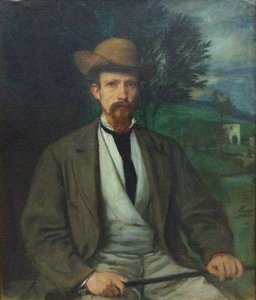
hans von marées
1837 - 1887 , Germany
Quick Facts
- Artistic Movement Or Style: Romanticism, Realism
- Artists Or Movements Influenced By This Artist: ['Nationalgalerie']
- Artists Who Influenced This Artist: ['Carl Steffeck']
- Date Of Birth: December 24, 1837
- Date Of Death: June 5, 1887
- Full Name: hans von marées
- Nationality: German
- Notable Artworks:
- The Oarsmen
- Abendliche Waldszene
- Place Of Birth: Wuppertal, Germany

