 Preview
 Send
Send Share
Share
 Details

 Download
 Similars
 X-Ray
X-Ray Diaporama
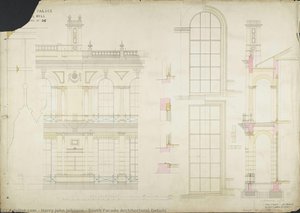
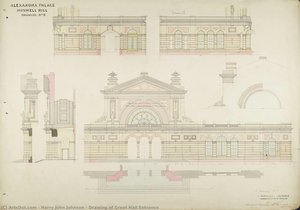
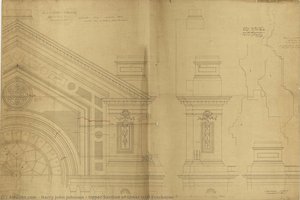
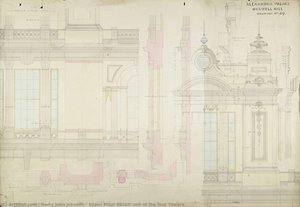
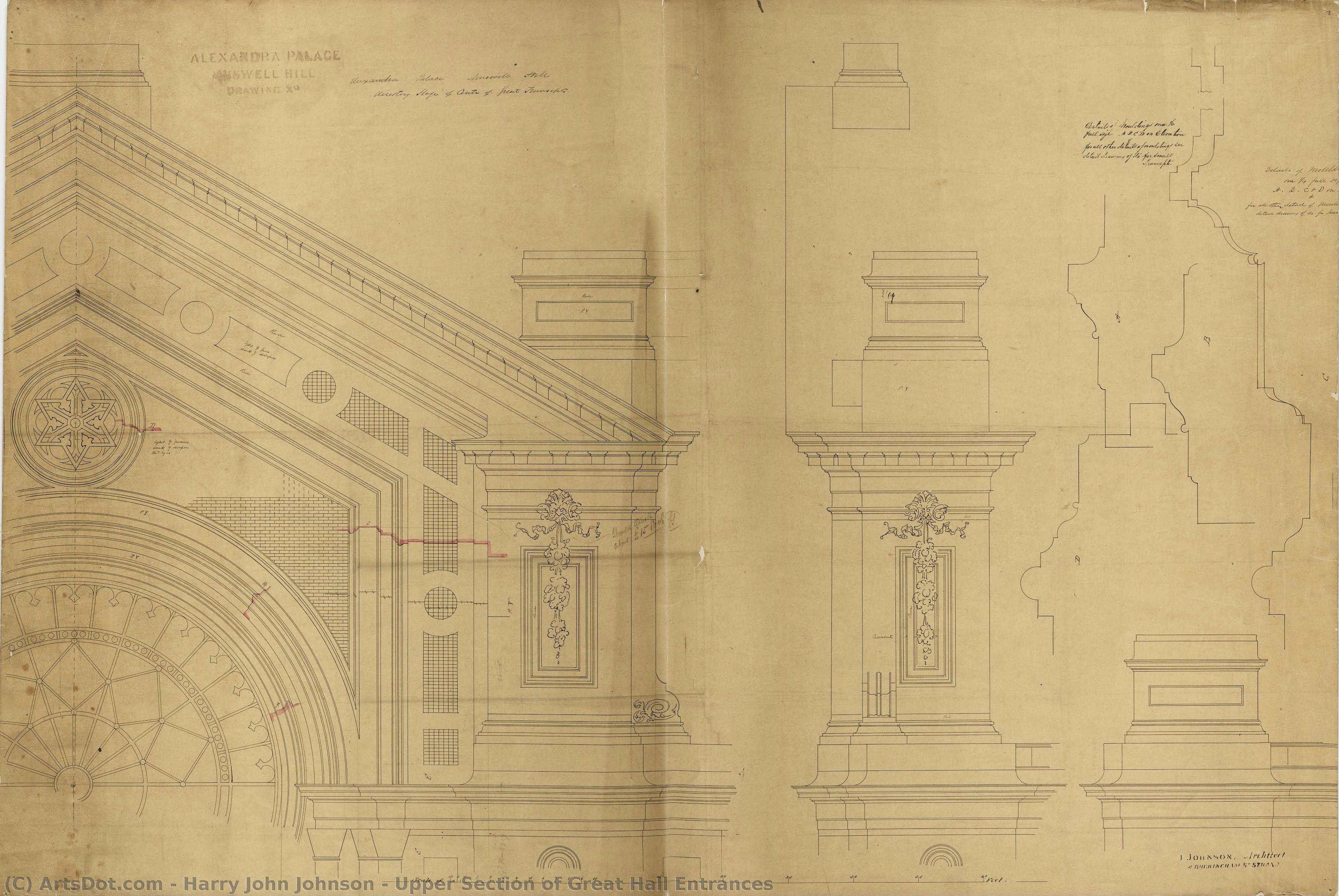
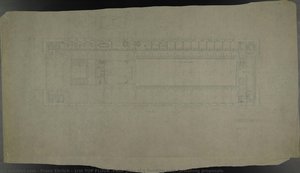
Upper Section of Great Hall Entrances


 Read More
Hand Made Oil Reproduction
Hand-painted oil on canvas in your size and frame, made to order by our artists. ( Buy Print Buy Image)




P118B $10

P118H $10

P118W $10

P438Z $10

P508JH $12

P508YH $12

P805H $10

P805Z $10

P919BZ $10

P919G $10

P919XJ $10

P959ZH $10

P968JZ $12

W106C $8

W218G $10

W218JH $8

W218Y $10

W307PJ $10

W316G $10

W316PJ $8

W316Y $10

W398PJ $8

W4111J $10

W500HY $15

W500JH $15

W692G $12

W849H $8

W940BG $15

W953PJ $8




Pick from our preset sizes that match the artwork's original proportions.

You may enter your own dimensions to fit a specific frame or space. If your selected size does not match the original image's proportions, we will either crop the artwork or extend the painting with additional hand-painted elements. A digital mockup will be sent for your approval before production begins.
Please note that the on-screen preview does not reflect the actual cropping or extension. Only the mockup will accurately show the final composition.
While custom sizes are available, we recommend selecting a dimension from the predefined list to preserve the original proportions.
After order, ArtsDot.com team will email client for instructions and provide a mockup preview
Worldwide Delivery () in 3/4 weeks instead of standard 5 weeks. (16 August). No compromise on quality.

Free Worldwide Express Shipping

High-Quality Linen Canvas

Full Shipping Insurance

Customs Tax Refund Guarantee

True Color Matching Guarantee

60-Day Return Policy (Defects Only)

100% Money-Back Guarantee

Bulk Discount Offer
 Glass option is only available in size under 110 CM

Upper Section of Great Hall Entrances
Reproduction Medium
Reproduction Size
-


Total Price
$ 263
Artwork Description
A Window into Victorian Grandeur
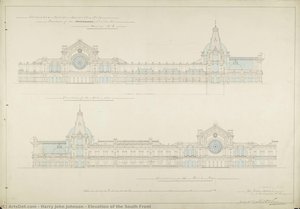
In this exquisite architectural drawing from 1874, we are transported to the heart of London’s architectural splendor. The Upper Section of Great Hall Entrances serves as a breathtaking window into the soul of the Alexandra Palace, capturing a moment when British design reached a pinnacle of monumental ambition. Through the meticulous hand of Harry John Johnson, the viewer is invited to gaze upward at the soaring arches and stately columns that define this iconic structure. The composition is not merely a record of stone and mortar; it is an evocative study of light, shadow, and the rhythmic precision that characterized the Victorian era’s most celebrated public works.
The drawing breathes with a sense of structural rhythm, where the interplay between the massive arches and the delicate architectural details creates a captivating visual melody. One cannot help but notice the subtle presence of time itself, marked by the two clocks positioned on the left side of the frame—reminders of the industrial pulse that beat within the heart of London during this transformative century. The inclusion of a smaller building to the right provides a necessary sense of scale, emphasizing the sheer, overwhelming magnitude of the Great Hall’s entrance and grounding the viewer in a realistic, yet deeply romanticized, spatial reality.
The Precision of a Master Draughtsman
Harry John Johnson, a true visionary of architectural detail, utilizes a technique that bridges the gap between technical documentation and fine art. His approach is characterized by an unwavering commitment to accuracy, yet there is a poetic softness in the way he renders the textures of the building's facade. Every line serves a purpose, tracing the contours of the masonry and the intricate ornamentation that once welcomed thousands of visitors to the palace. This level of detail offers a profound sense of depth, making the two-dimensional surface feel as though it possesses a tangible, three-dimensional weight.
For the discerning collector or interior designer, this piece offers more than just historical interest; it provides a sophisticated focal point for any curated space. The monochromatic elegance of the drawing allows it to integrate seamlessly into diverse decor styles, from the classicism of a traditional library to the stark, modern lines of a contemporary gallery. It carries an inherent dignity, evoking a sense of nostalgia and respect for the craftsmanship of a bygone age. To possess a reproduction of this work is to hold a fragment of history, bringing the enduring spirit of Victorian innovation into the modern home.
An Emotional Journey Through Time
Beyond its structural brilliance, the artwork resonates with an emotional gravity. There is a certain quietude in Johnson’s rendering—a stillness that allows the viewer to contemplate the permanence of architecture against the fleeting nature of human existence. The Great Hall entrance stands as a symbol of stability and communal pride, a monumental gateway designed to inspire awe in all who passed beneath its arches. This piece captures that very essence of inspiration, making it an ideal selection for those looking to infuse their surroundings with a sense of permanence, grandeur, and intellectual depth.
Related Artworks
Artist Biography
A Visionary of the Victorian Line: The Life and Legacy of Harry John Johnson
In the heart of the industrial revolution, amidst the soot and soaring ambition of Birmingham, lived a man whose pen captured the very soul of British architectural grandeur. Harry John Johnson (1826–1884) was not merely a draftsman; he was a chronicler of an era defined by its unyielding pursuit of precision and monumental scale. Born in 1826, Johnson emerged from the rigorous academic environment of the King Edward VI Grammar School, where he first mastered the mathematical foundations that would later allow him to translate complex structural engineering into delicate, breathtaking art. His intellectual journey took a unique turn at Harris Manchester College, Oxford, where his studies in theology provided a contemplative depth to his observational skills, fostering a reverence for the permanence and dignity of the structures he so meticulously documented.
Johnson’s artistry flourished within the specialized realm of architectural draughtsmanship, a discipline that demanded both technical perfection and an aesthetic eye for proportion. Serving the Birmingham Philosophical Society, he became a vital link between the conceptual blueprints of architects and the visual realization of their dreams. His work was characterized by an extraordinary command of pen and ink, a medium that allowed him to navigate the intricate shadows and sharp edges of Victorian masonry with unparalleled clarity. Through his hands, the heavy stone and iron of the nineteenth century were transformed into elegant compositions of light and line, capturing the rhythmic beauty of classical facades and the structural ingenuity of new engineering marvels.
Masterpieces of Precision and Architectural Detail
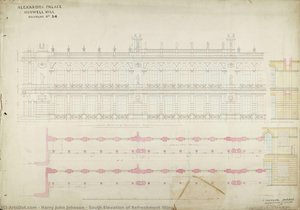
The true brilliance of Johnson’s oeuvre lies in his ability to freeze a moment of architectural triumph in time. His drawings serve as historical windows, offering us a glimpse into the splendor of structures that defined the Victorian landscape. One cannot discuss his contributions without reflecting on his celebrated works from 1874, a period where his technical mastery reached its zenith. His elevations of the South Facade Architectural Details and the South Elevation of the Refreshment Wing at Alexandra Palace stand as testament to his ability to render the monumental with an intimate touch. In these pieces, every cornice, column, and ornamental flourish is rendered with such fidelity that one can almost feel the weight of the stone and the grandeur of the palace's design.
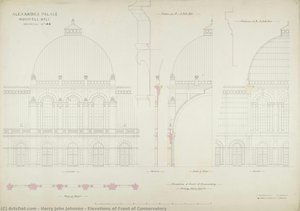
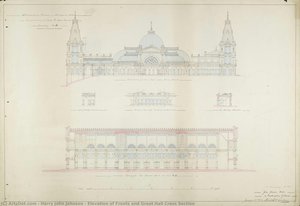
Beyond the grand palaces, Johnson possessed a remarkable talent for capturing the delicate intersection of nature and engineering. His Elevations of Front of Conservatory showcases his ability to document the intricate glasswork and iron frameworks that were becoming hallmarks of Victorian leisure architecture. This work highlights a significant aspect of his development: the transition from purely structural documentation to an art form that celebrates the aesthetic harmony of the built environment. His legacy is defined by these specific achievements:
- Technical Mastery: The use of fine pen and ink to achieve high-contrast shadows and intricate textures in classical masonry.
- Historical Documentation: Providing irreplaceable visual records of iconic British landmarks like Alexandra Palace during their period of greatest significance.
- Architectural Sensitivity: A unique ability to balance the rigid requirements of engineering accuracy with the fluid beauty of artistic composition.
Ultimately, Harry John Johnson remains a vital figure for those who appreciate the intersection of art and industry. While his name may not occupy the same spotlight as the great landscape painters of his age, his contribution to the visual history of Britain is profound. He captured the structural heartbeat of a nation in transition, leaving behind a collection of works that continue to inspire awe through their meticulous detail and their enduring celebration of Victorian architectural elegance.

harry john johnson
1826 - 1884 , United Kingdom
Quick Facts
- Artistic Movement Or Style: Victorian Art
- Artists Or Movements Influenced By This Artist: ['']
- Artists Who Influenced This Artist: ['']
- Date Of Birth: Birmingham, United Kingdom (1826)
- Date Of Death: 1884
- Full Name: Harry John Johnson
- Nationality: British
- Notable Artworks:
- Elevations of Front of Conservatory
- South Elevation of Refreshment Wing
- South Facade Architectural Details
- Place Of Birth: Birmingham
Related Articles

The Nuances of Graphite: Exploring Emotional Depth & Technical Mastery in Pencil Drawing
Explore the captivating world of graphite drawing! Discover its rich history, master essential techniques like chiaroscuro, and learn how artists evoke emotion through this timeless medium. Expert insights for art enthusiasts.
Dante Gabriel Rossetti's 25 Masterpieces: A Journey Through Victorian Art & Symbolism | ArtsDot
Explore 25 iconic artworks by Dante Gabriel Rossetti, a leading Pre-Raphaelite artist. Discover the stories behind masterpieces like 'Proserpine' & 'Beata Beatrix'. Find museum-quality art reproductions and elevate your home decor with ArtsDot.com.

The Refined Aesthetic of Victorian Illustration: A Study in Narrative & Technique
Explore the captivating world of Victorian illustration! Discover Pre-Raphaelite influences, key artists like Rossetti & Stephens, and the era's rich narrative detail. A deep dive for art enthusiasts.

Marianne North's Masterpieces: 25 Botanical Paintings That Bloom With Adventure | ArtsDot
Journey through the vibrant world of Marianne North’s botanical paintings! Explore 25 iconic artworks from this Victorian artist, celebrating exotic flora & travel. Find museum-quality reproductions and curated decor ideas at ArtsDot.com.
William Powell Frith: Narratives of Victorian Society & the Rise of Realist Painting
Explore the life & works of William Powell Frith, the 'greatest British painter of social scenes.' Discover his iconic Victorian genre paintings and learn about his lasting impact on realist art. Hand-painted reproductions available.