 Preview
 Send
Send Share
Share
 Details

 Download
 Similars
 X-Ray
X-Ray Diaporama
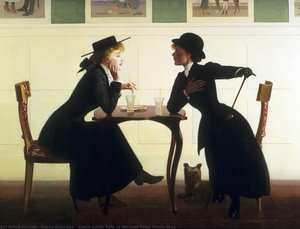
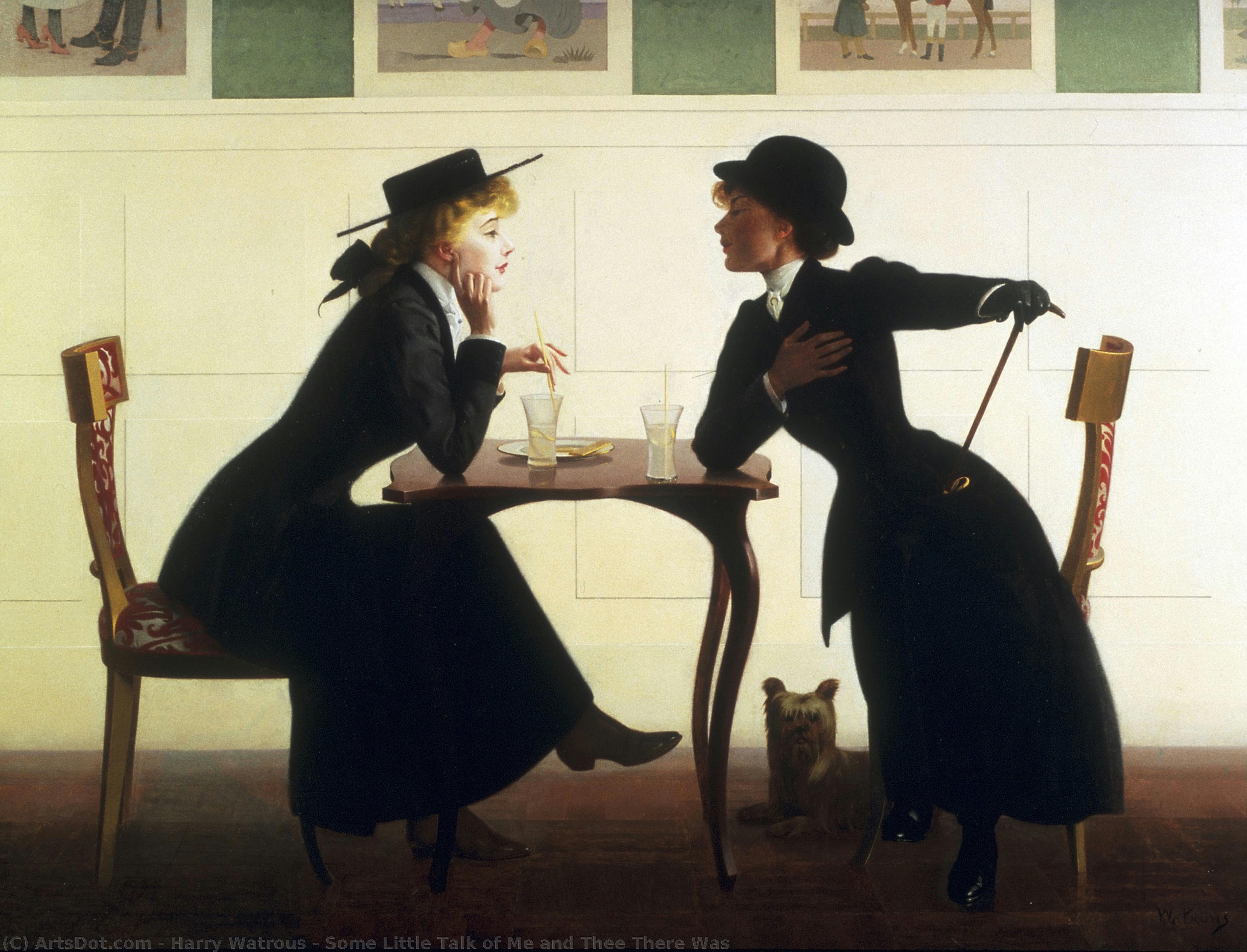
Some Little Talk of Me and Thee There Was


 Read More
Giclée / Art Print
Museum-quality giclée or canvas print with fast production and flexible finish options. ( Buy Hand Made Painting Buy Image)




































Pick from our preset sizes that match the artwork's original proportions.

You may enter your own dimensions to fit a specific frame or space. If your selected size does not match the original image's proportions, we will either crop the artwork or extend the image with a mirrored or solid-fill edge. A digital mockup will be sent for your approval before production begins.
Please note that the on-screen preview does not reflect the actual cropping or extension. Only the mockup will accurately show the final composition.
While custom sizes are available, we recommend selecting a dimension from the predefined list to preserve the original proportions.
Worldwide Delivery () in 2 weeks instead of standard 4/5 weeks. (24 August)

Free Worldwide Express Shipping

High-Quality Linen Canvas

Full Shipping Insurance

Customs Tax Refund Guarantee

True Color Matching Guarantee

60-Day Return Policy (Defects Only)

100% Money-Back Guarantee

Bulk Discount Offer
 Glass option is only available in size under 110 CM

Some Little Talk of Me and Thee There Was
Giclée / Art Print
Reproduction Size
-


Total Price
$ 63
Collectible Description
Related Artworks







Artist Biography
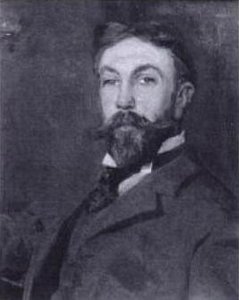
The Enigmatic Vision of Harry Watrous
In the quiet corners of American art history, few figures possess the evocative mystery of Harry Willson Watrous. Born in San Francisco in 1857, Watrous was a painter who mastered the art of the whisper, creating canvases that spoke volumes through subtle gestures and meticulous detail. His life was one of cosmopolitan refinement; after his family moved to Manhattan during his childhood, he was afforded an education that allowed him to pursue his passion without the immediate pressures of commerce. This freedom enabled a journey of profound artistic discovery, stretching from the vibrant streets of Spain and Morocco to the prestigious ateliers of Paris. It was in France, under the guidance of masters such as Gustave Boulanger and Jules Lefebvre at the Académie Julian, that Watrous refined a technique characterized by an almost microscopic precision, a skill that would later define his reputation as a master of small-scale genre scenes.
The essence of Watrous’s work lies in its ability to transform the mundane into the monumental. He was deeply moved by the 17th-century Dutch and Flemish masters, drawing inspiration from the luminous textures of Vermeer and the intricate narrative depth of Meissonier. His paintings often feature sophisticated women, frequently depicted in profile or lost in quiet contemplation, surrounded by environments rich with tactile splendor. To gaze upon a Watrous canvas is to experience a sensory feast; he possessed an uncanny ability to replicate the heavy sheen of satin, the delicate softness of fur, and the cold luster of porcelain. This dedication to realism was not merely technical but symbolic, as he utilized these textures to ground his subjects in a world that felt both tangibly real and dreamily ethereal.
A Legacy of Symbolism and Social Nuance
Beyond the surface beauty of his compositions, Watrous’s oeuvre is imbued with a layer of complex symbolism. Influenced by the Pre-Raphaelite fascination with mythology and folklore, he often wove classical or biblical allegories into his domestic interiors. A simple arrangement of objects in a still life might serve as a silent commentary on mortality or virtue, turning a quiet room into a stage for profound philosophical inquiry. His work exists in that delicate space between the observed reality of the Victorian era and the deeper, more enigmatic truths of the human condition.
Perhaps most significantly, Watrous’s historical importance is cemented by his progressive eye for social narrative. While much of his work celebrates the refined aesthetics of his time, he also broke boundaries with works such as The Drop Sinister, What Shall We Do with It? (1913), which has been recognized as one of the first known portraits of an American interracial family. This capacity to blend high-society elegance with poignant social observation demonstrates a depth of vision that transcends simple genre painting. Through his mastery of light, color, and composition, Harry Watrous remains a vital link between the disciplined academic traditions of the 19th century and the nuanced psychological portraiture of the early 20th century, leaving behind a legacy of beauty that continues to captivate the modern observer.
Quick Facts
- Artistic Movement Or Style: Genre Painting
- Full Name: Harry Watrous
- Nationality: American
- Notable Artworks:
- Some Little Talk of Me and Thee There Was
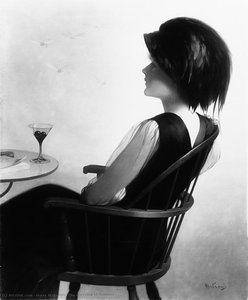
- The Passing of Summer
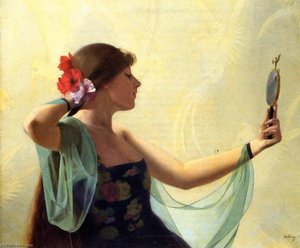
- Girl with the Mirror