 Preview
 Send
Send Share
Share
 Details

 Download
 Similars
 X-Ray
X-Ray Diaporama
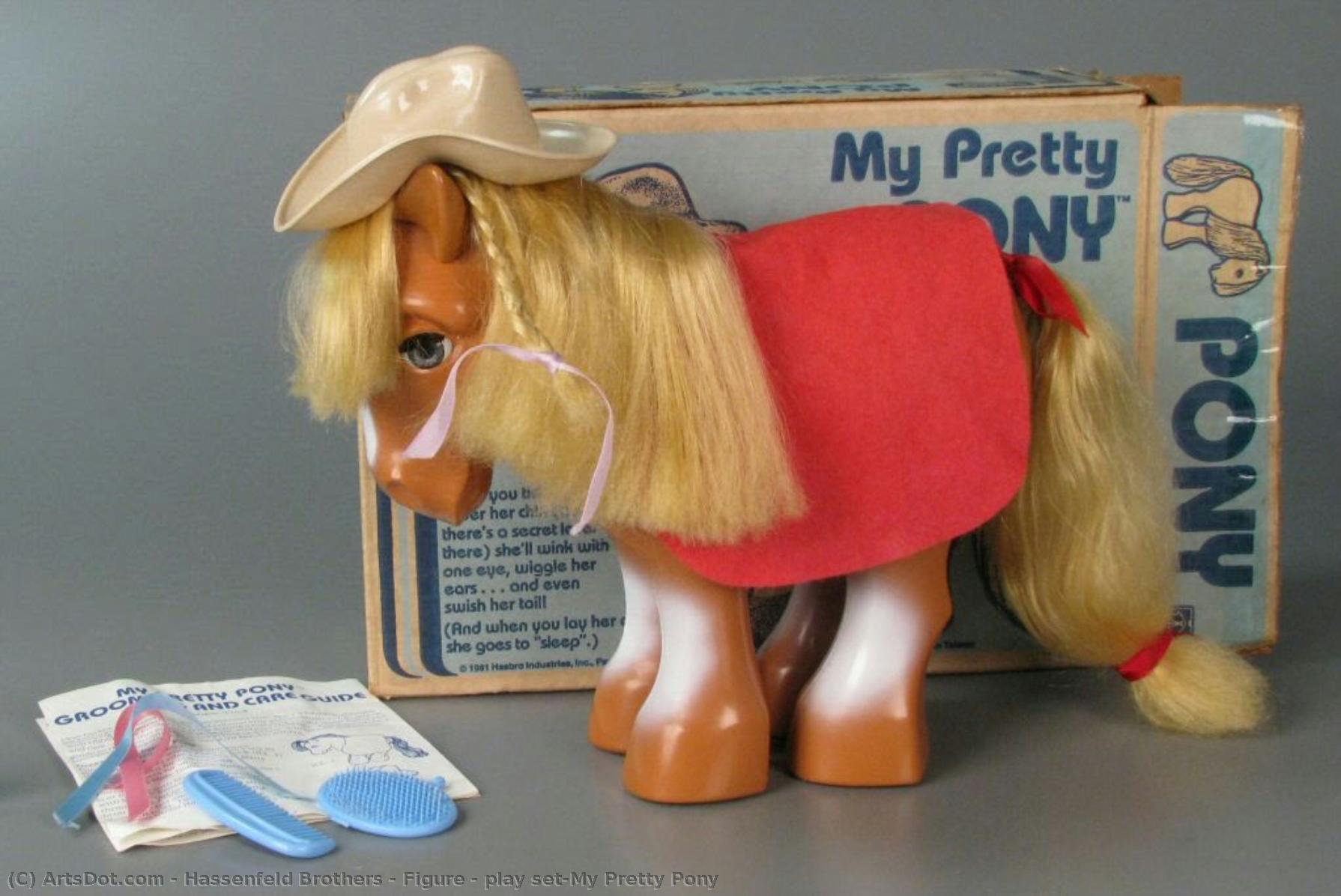
Figure | play set:My Pretty Pony


 Read More
Hand Made Oil Reproduction
Hand-painted oil on canvas in your size and frame, made to order by our artists. ( Buy Print Buy Image)




































Pick from our preset sizes that match the artwork's original proportions.

You may enter your own dimensions to fit a specific frame or space. If your selected size does not match the original image's proportions, we will either crop the artwork or extend the painting with additional hand-painted elements. A digital mockup will be sent for your approval before production begins.
Please note that the on-screen preview does not reflect the actual cropping or extension. Only the mockup will accurately show the final composition.
While custom sizes are available, we recommend selecting a dimension from the predefined list to preserve the original proportions.
After order, ArtsDot.com team will email client for instructions and provide a mockup preview
Worldwide Delivery () in 3/4 weeks instead of standard 5 weeks. (22 August). No compromise on quality.

Free Worldwide Express Shipping

High-Quality Linen Canvas

Full Shipping Insurance

Customs Tax Refund Guarantee

True Color Matching Guarantee

60-Day Return Policy (Defects Only)

100% Money-Back Guarantee

Bulk Discount Offer
 Glass option is only available in size under 110 CM

Figure | play set:My Pretty Pony
Reproduction Medium
Reproduction Size
-


Total Price
$ 263
Artwork Description
Related Artworks










Artist Biography
From Textile Remnants to Global Play: The Enduring Legacy of the Hassenfeld Brothers
The story of Hasbro, Inc., and by extension, the Hassenfeld brothers, is a remarkable American tale—a narrative not of artistic brushstrokes or sculpted forms, but of entrepreneurial spirit transforming humble beginnings into a global empire of play. It began in 1923, in Pawtucket, Rhode Island, with the founding of Hassenfeld Brothers as a textile remnant company. This initial venture, selling leftover fabrics, provided the foundational resourcefulness that would characterize their future endeavors. However, it was the post-World War II era that truly ignited the family’s trajectory toward toy manufacturing. Recognizing a burgeoning demand for affordable and engaging children's products, they began to diversify, initially with simple molded plastic toys. This pivot wasn’t merely a business decision; it was an intuitive grasp of a shifting cultural landscape—a growing middle class eager to provide leisure and imagination for their offspring.The Dawn of Iconic Brands: Shaping Childhood Through Innovation
The 1940s and 50s witnessed the birth of several key Hasbro products that would become cornerstones of their success. Mr. Potato Head, launched in 1952, was a revolutionary concept—a customizable toy allowing children to express creativity through assembly and personalization. This simple yet ingenious idea tapped into a desire for self-expression and imaginative play, quickly becoming a cultural phenomenon. The following decade saw the introduction of G.I. Joe, in 1964, initially an action figure marketed towards boys, representing soldiers and embodying themes of heroism and adventure. This marked Hasbro’s entry into the realm of narrative-driven toys, where play extended beyond simple manipulation to encompass elaborate scenarios and world-building. The company wasn't simply creating objects; they were crafting universes for children to inhabit. The acquisition of other established toy companies like Milton Bradley and Parker Brothers further solidified their position in the market, bringing beloved classics like Monopoly and Twister under their umbrella.Expanding Horizons: Entertainment Franchises and Global Reach
The latter half of the 20th century saw Hasbro aggressively expand its portfolio through both internal development and strategic acquisitions. Transformers, introduced in the early 1980s, was a watershed moment—a line of transforming robots that captivated audiences with their intricate designs and compelling mythology. This franchise wasn’t just about toys; it spawned animated series, comic books, and films, demonstrating Hasbro's growing understanding of transmedia storytelling. My Little Pony, launched in 1983, similarly cultivated a devoted fanbase through its colorful characters and themes of friendship and magic. The company continued to innovate with brands like Furby (a robotic companion that responded to interaction) and Nerf (revolutionizing the toy dart blaster market). Crucially, Hasbro’s reach extended beyond North America, establishing a significant presence in international markets and adapting products to resonate with diverse cultures.A Conglomerate of Play: Acquisitions and Contemporary Influence
The 21st century has seen Hasbro evolve into a multinational conglomerate holding company. The acquisition of Wizards of the Coast (creators of Magic: The Gathering and Dungeons & Dragons) in 1997 signaled a move towards tabletop gaming, broadening their appeal to older demographics. More recently, the 2019 acquisition of Entertainment One—owners of popular children’s franchises like Peppa Pig and PJ Masks—further diversified their entertainment offerings. This strategic expansion reflects Hasbro's commitment to controlling intellectual property across multiple platforms, from toys and games to television, film, and digital content. Today, Hasbro products are sold in over 150 countries worldwide, impacting the lives of children (and adults) globally. The Hassenfeld brothers’ initial vision—to provide affordable and engaging play experiences—has blossomed into a sprawling empire that continues to shape childhoods around the world.Historical Significance: Beyond Toys – A Reflection of Cultural Shifts
The legacy of Hasbro, born from the ingenuity of the Hassenfeld brothers, extends far beyond the realm of toys and games. Their products have consistently reflected—and often influenced—cultural shifts in American society. G.I. Joe, for example, emerged during a period of heightened patriotism and military interest. My Little Pony tapped into evolving gender roles and themes of female empowerment. The company’s ability to adapt and innovate, consistently responding to changing consumer preferences and societal values, is a testament to their enduring success. Hasbro isn't simply selling products; they are offering narratives, fostering imagination, and providing a lens through which generations have explored the world around them. Their story serves as a compelling example of how entrepreneurial vision, coupled with an understanding of human desire for play and connection, can transform a small family business into a global cultural force.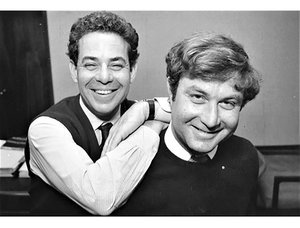
hassenfeld brothers
United States of America
Quick Facts
- Artistic Movement Or Style: Toy Design/Manufacturing
- Artists Or Movements Influenced By This Artist:
- Toy Industry
- Children's Entertainment
- Date Of Death: Living
- Full Name: Hassenfeld Brothers
- Nationality: American
- Notable Artworks:
- Transformers
- Monopoly
- G.I. Joe
- My Little Pony
- Play-Doh
- Nerf
- Furby
- Place Of Birth: Pawtucket, USA