



A Sanctuary of Play: The Soul of Rochester
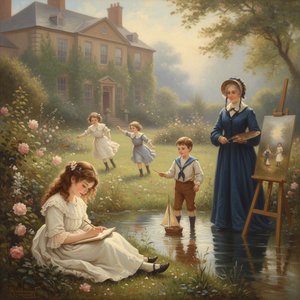
In the heart of Rochester, New York, lies an institution that transcends the traditional boundaries of a museum, offering instead a profound meditation on the universal human impulse to engage with the world through wonder. The Strong National Museum of Play is not merely a repository for toys; it is a sprawling, 282,000-square-foot archive of the human spirit. Founded in 1968 by the visionary Margaret Woodbury Strong, the museum began as a deeply personal endeavor to preserve Americana and the ephemeral magic of childhood. What started as a collection reflecting daily life between 1830 and 1940 has blossomed into an ambitious cultural landmark that explores how play shapes our understanding of culture, learning, and social connection.
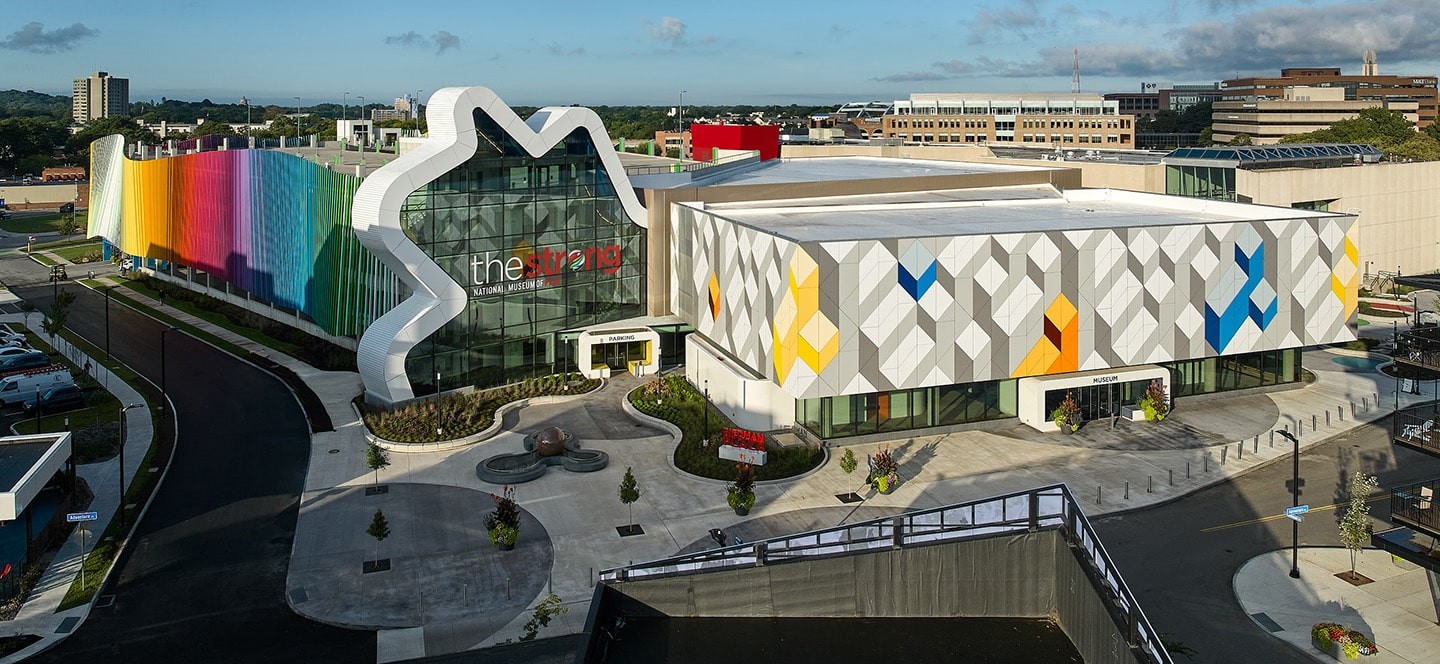
The architecture of The Strong serves as a prelude to the enchantment found within its walls. Eschewing the intimidating, solemn grandeur often associated with classical institutions, the building embraces fluid lines and vibrant facades designed to stimulate curiosity from the very first glance. This architectural harmony creates an inviting threshold, signaling to every visitor—from the serious scholar to the wide-eyed child—that they are entering a space where imagination is the primary currency. The design mirrors the immersive nature of the exhibits, acting as a seamless transition from the structured reality of the outside world into a realm of boundless possibility.
Treasures of Memory and Innovation
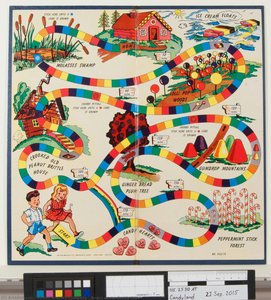
To walk through the halls of The Strong is to embark on a nostalgic journey through the tactile history of the twentieth century. The collection is an astonishing tapestry of objects that serve as conduits to cherished memories, ranging from the delicate artistry of Raggedy Ann to the global icons of Barbie. For the collector and the historian alike, the museum offers a rare glimpse into the evolution of play, showcasing how simple wooden blocks and board game classics like Monopoly and Scrabble have become part of our shared cultural heritage. These are not merely relics; they are symbols of how we learn to navigate rules, strategy, and social interaction.
The museum’s significance is further elevated by its prestigious Halls of Fame, which honor the architects of joy. The National Toy Hall of Fame celebrates the enduring legends that have shaped narratives across generations, while the World Video Game Hall of Fame captures the digital revolution that has redefined entertainment in the modern era. This duality—honoring both the physical heirloom and the digital frontier—makes the museum a unique intersection of tradition and innovation. Recent expansions, including the $75 million addition of the Hasbro Game Park and ESL Digital Worlds, ensure that the museum remains at the cutting edge of how we experience interactive storytelling.
An Immersive Sensory Odyssey
Beyond the static displays, The Strong offers environments that demand active participation. One might find themselves transported into the meticulously recreated worlds of Sesame Street or wandering through the ethereal beauty of the Dancing Wings Butterfly Garden. In the latter, thousands of butterflies from across the globe create a living, breathing installation that connects visitors to the delicate rhythms of the natural world. This commitment to sensory engagement makes the museum an essential destination for those who appreciate art that breathes and moves.
For the academic and the researcher, the institution provides a scholarly depth through the Brian Sutton-Smith Library and Archives of Play. This multidisciplinary repository serves as a vital resource for unraveling the intellectual and social dimensions of play, proving that what we do in our leisure time is fundamental to our development as humans. Ultimately, The Strong National Museum of Play stands as a powerful reminder that play is not a mere pastime; it is a vibrant tapestry woven with threads of curiosity, innovation, and an eternal, boundless delight.