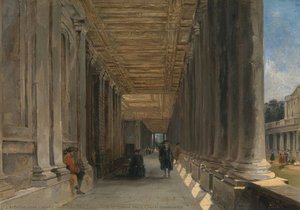
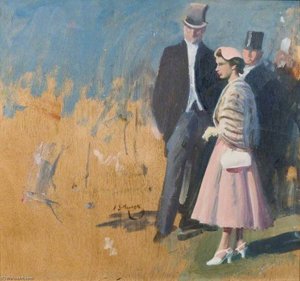
Early Life & Artistic Foundations: Sant's Training and Influences
 Wikipedia: James Sant
James Sant (1820–1916) was one of the most eminent English painters of the Victorian era, specialising in portraiture and known particularly for images of aristocratic women and children, with a strong allegorical approach to childhood symbolism. He...
James Sant, a name synonymous with the idyllic portrayals of Victorian childhood and aristocratic elegance, began his artistic journey not amidst grand commissions but in the quieter realms of Surrey’s Croydon in 1820. His early education was carefully guided, initially under the tutelage of John Varley, a respected watercolourist whose influence instilled a foundational appreciation for delicate observation and nuanced color. This initial exposure to watercolor techniques would subtly inform Sant's later oil paintings, lending them a luminosity and softness that distinguished his style. However, it was Sir A. Callcott RA who further shaped his artistic sensibilities, introducing him to the broader landscape tradition – a genre that would remain a consistent thread throughout his prolific career. At the age of twenty, Sant entered the prestigious Royal Academy Schools, marking a pivotal moment in his development. Here, he immersed himself in the study of classical forms and techniques, laying the groundwork for his future mastery of portraiture and composition. The rigorous academic training provided him with the technical skills necessary to translate his artistic vision onto canvas, but it was his innate sensitivity and keen eye for character that truly set him apart.
The Rise of Victorian Portraiture: Society, Patronage, and Sant’s Early Success
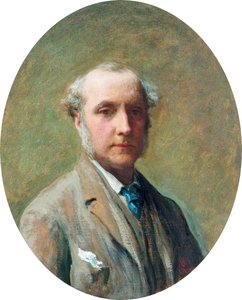 James Sant
James Sant (1820-1916) was a British Victorian portrait painter renowned for his depictions of women & children, symbolism of childhood, and landscapes. Official portraitist to Queen Victoria & Royal Academy member.
The mid-19th century witnessed a flourishing demand for portraiture, fueled by the burgeoning prosperity and social aspirations of the British upper classes. A portrait was not merely a likeness; it was a statement of status, lineage, and refined taste. James Sant quickly recognized this societal need and positioned himself to become one of its most sought-after practitioners. His early works, exhibited at the Royal Academy from 1840 onwards – beginning with a portrait of his father, William Sant – demonstrated a burgeoning talent for capturing not just physical resemblance but also the inner character of his sitters. The Victorian era prized sentimentality and moral virtue, qualities that Sant skillfully incorporated into his compositions. He wasn’t simply painting faces; he was crafting narratives of family, respectability, and social harmony. This resonated deeply with a clientele eager to project an idealized image of themselves and their world. The establishment of connections within the art community, coupled with a growing reputation for technical skill and empathetic portrayal, propelled Sant towards increasing recognition and patronage.
A Master of Childhood: Symbolism, Sentimentality, and the Depiction of Young Lives
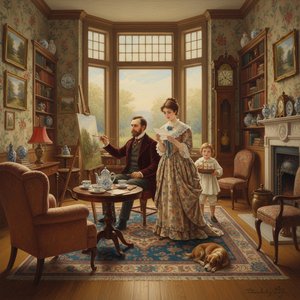
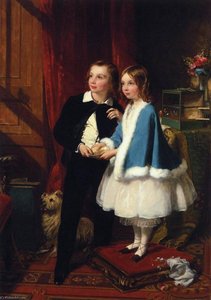 Lord Almeric Athelstan Spencer Churchill and Lady Clementina Spencer Churchill, the Children of George Spencer Churchill, 6th Duke of Marlborough, and His Second Wife, Charlotte Augusta
Admire James Sant’s 1877 portrait of young Spencer Churchill heirs! Victorian realism, opulent setting & family affection – a dignified glimpse into British aristocracy.
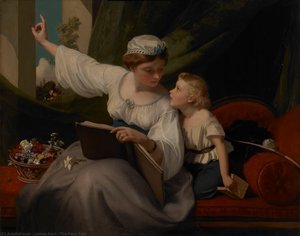
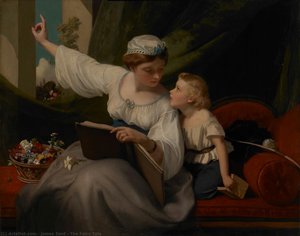
While Sant excelled in portraiture generally, it was his depictions of children that truly cemented his legacy. He became known as “the emperor of children,” a testament to his unparalleled ability to capture their innocence, vulnerability, and burgeoning personalities. These were not simply charming likenesses; they were imbued with rich symbolism reflecting Victorian ideals about childhood – its purity, fragility, and the importance of moral upbringing. The Infant Samuel, exhibited in 1853, proved a breakthrough success, captivating audiences with its tender portrayal of religious devotion and familial love. Engravings of this work, executed by artists like Samuel Cousins, became immensely popular, disseminating Sant’s style and aesthetic far beyond the confines of the art world. He understood that children represented hope for the future, embodying the values parents wished to instill in the next generation. His compositions often featured carefully chosen props – flowers symbolizing innocence, books representing education, or pets signifying loyalty – all contributing to a layered narrative of Victorian childhood. The emotional resonance of these paintings stemmed from Sant’s ability to portray children not as miniature adults but as unique individuals with their own thoughts and feelings.
Beyond Portraits: Landscapes, Genre Scenes & Sant’s Expanding Artistic Range
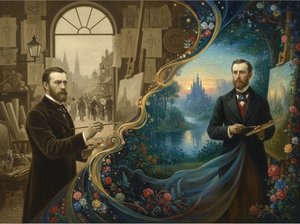
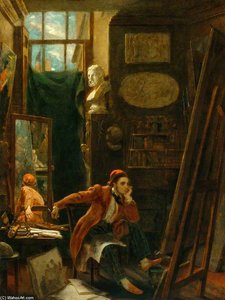 Untitled
Explore James Sant’s "Untitled" – a Victorian oil painting capturing an artist’s introspective studio. Romantic realism & dramatic lighting depict creative solitude. Discover this unique piece!
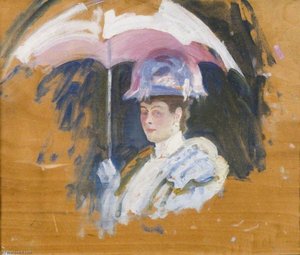
Though celebrated for his portraits, James Sant was a versatile artist who consistently explored other genres throughout his career. Landscapes remained a constant passion, providing him with opportunities to showcase his mastery of light, atmosphere, and composition. He wasn't merely documenting scenery; he was capturing the emotional essence of place – the tranquility of a country garden, the grandeur of a sweeping vista. Untitled, a captivating oil painting depicting an artist’s introspective studio, reveals Sant’s own connection to creative solitude and the Romantic ideals that underpinned his work. He also ventured into genre scenes, offering glimpses into everyday life – though even these were often infused with allegorical meaning or sentimental undertones. His willingness to experiment with different subjects demonstrates a breadth of artistic curiosity rarely found in artists specializing in portraiture. This diversification not only broadened his appeal but also enriched his overall artistic vocabulary, informing the depth and nuance of his portraits.
Official Recognition & Legacy: Queen Victoria's Court Painter and Enduring Influence
The pinnacle of Sant’s career arrived in 1871 with his appointment as Principal Painter-in-Ordinary to Queen Victoria – a title he held until the end of his life, becoming the last artist to bear it. This prestigious position solidified his status as the foremost portraitist of the Victorian era and granted him access to the royal family, allowing him to create iconic images of Prince Leopold and Princess Beatrice, among others. His portraits of the royal children were particularly significant, capturing their youthfulness and innocence with a sensitivity that resonated deeply with the public. Sant’s influence extended beyond his own paintings; he mentored numerous aspiring artists and played an active role in shaping the artistic landscape of Britain. He exhibited at both the Grosvenor Gallery and the Paris Salon, further expanding his international recognition. Even as portraiture waned in popularity during the early 20th century, Sant continued to paint, embracing a freer style that foreshadowed elements of Impressionism. His landscapes from this period often featured figures with distorted features or simple silhouettes, adding a visionary quality to his work. James Sant’s legacy endures not only through his numerous masterpieces – found in prestigious collections like the National Gallery and Tate Britain – but also through his ability to capture the spirit of an era, immortalizing the values, aspirations, and sentimental ideals of Victorian society. ArtsDot.com offers a curated selection of high-quality reproductions of Sant’s most celebrated works, allowing art enthusiasts to experience the beauty and emotional depth of his paintings firsthand.