 Preview
 Send
Send Share
Share
 Details

 Download
 Similars
 X-Ray
X-Ray Diaporama
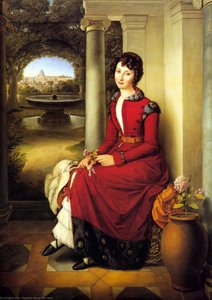
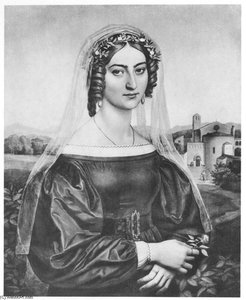
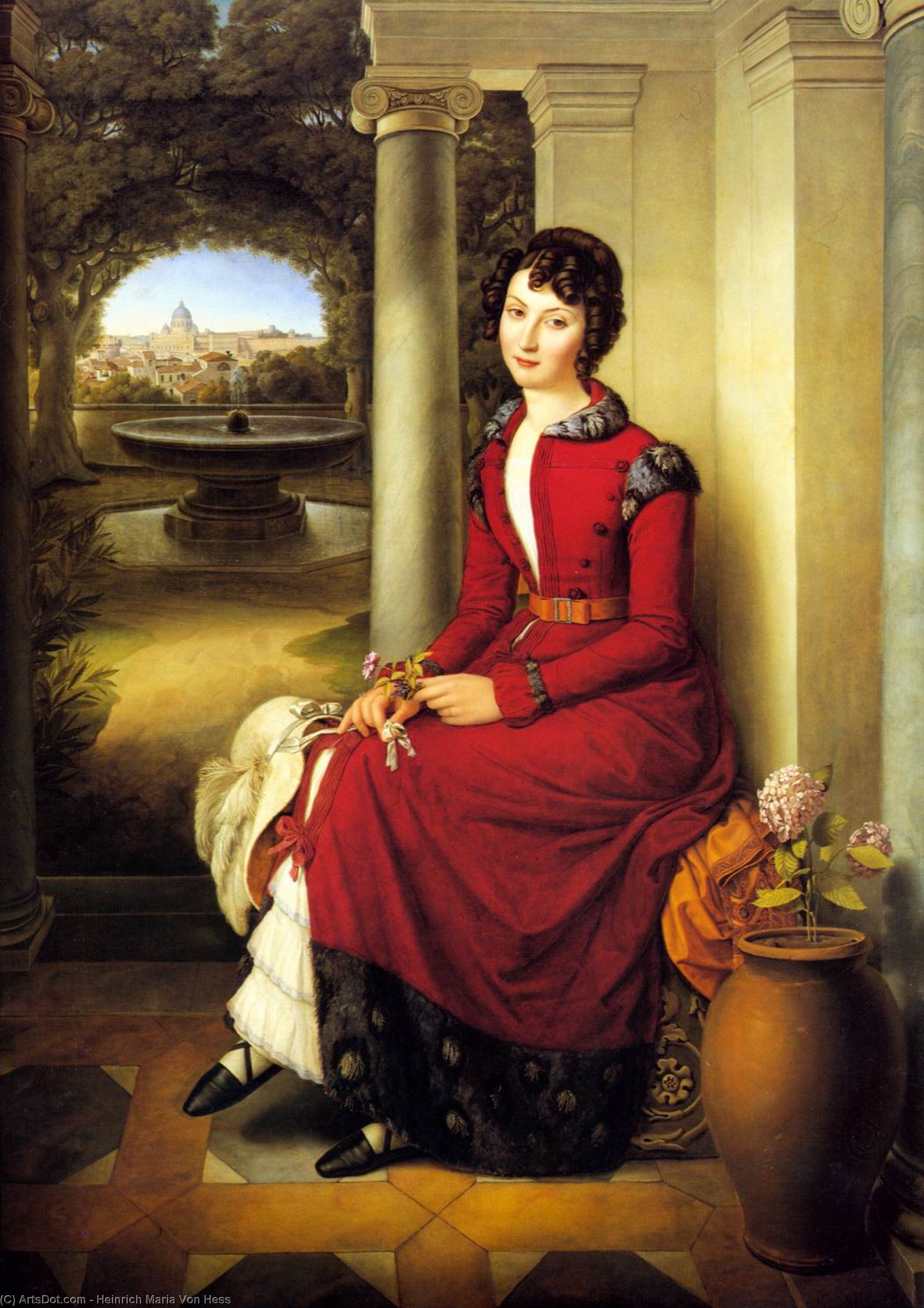
Marchesa Florenzi
 Oil On Canvas
- WallArt
- Neoclassicism
 1828
1828- 19th Century
 192.0 x 139.0 cm
 Neue Pinakothek
 Read More
Hand Made Oil Reproduction
Hand-painted oil on canvas in your size and frame, made to order by our artists. ( Buy Print Buy Image)




P118B $10

P118H $10

P118W $10

P438Z $10

P508JH $12

P508YH $12

P805H $10

P805Z $10

P919BZ $10

P919G $10

P919XJ $10

P959ZH $10

P968JZ $12

W106C $8

W218G $10

W218JH $8

W218Y $10

W307PJ $10

W316G $10

W316PJ $8

W316Y $10

W398PJ $8

W4111J $10

W500HY $15

W500JH $15

W692G $12

W849H $8

W940BG $15

W953PJ $8




Pick from our preset sizes that match the artwork's original proportions.

You may enter your own dimensions to fit a specific frame or space. If your selected size does not match the original image's proportions, we will either crop the artwork or extend the painting with additional hand-painted elements. A digital mockup will be sent for your approval before production begins.
Please note that the on-screen preview does not reflect the actual cropping or extension. Only the mockup will accurately show the final composition.
While custom sizes are available, we recommend selecting a dimension from the predefined list to preserve the original proportions.
After order, ArtsDot.com team will email client for instructions and provide a mockup preview
Worldwide Delivery () in 3/4 weeks instead of standard 5 weeks. (17 August). No compromise on quality.

Free Worldwide Express Shipping

High-Quality Linen Canvas

Full Shipping Insurance

Customs Tax Refund Guarantee

True Color Matching Guarantee

60-Day Return Policy (Defects Only)

100% Money-Back Guarantee

Bulk Discount Offer
 Glass option is only available in size under 110 CM

Marchesa Florenzi
Reproduction Medium
Reproduction Size
-


Total Price
$ 263
Artwork Description
A Vision of Neoclassical Splendor
In the breathtaking portrait Marchesa Florenzi, painted in 1828, we are transported to an era of unparalleled aristocratic grace and architectural grandeur. The canvas presents a young woman of striking presence, seated with poised elegance within a meticulously rendered neoclassical portico. As your eyes wander through the composition, you are drawn from the intimate details of her person toward a sweeping vista of a timeless cityscape, where the iconic silhouette of a great dome—reminiscent of the Pantheon—rises against the horizon. This masterful use of perspective does more than create depth; it invites the viewer to step into a world where the boundaries between private luxury and public majesty are seamlessly blurred.
The subject herself serves as the radiant heart of the work. Draped in a vibrant, crimson dress that commands immediate attention, she is adorned with delicate white lace and a decorative sash that catches the dramatic light. The artist employs a sophisticated interplay of light and shadow, casting a soft glow upon her pale skin and dark, flowing hair, while simultaneously highlighting the rich textures of the fabric. In her hands, she cradles a small bouquet of flowers, a tender touch of naturalism that softens the formal rigidity of her surroundings. This contrast between the structured, geometric lines of the marble columns and the organic, soft curves of the floral arrangement creates a visual harmony that is both captivating and soothing.
Symbolism and the Art of Elegance
Beyond its surface beauty, Marchesa Florenzi is a profound study in symbolism and social standing. Every element within the frame has been carefully curated to communicate status and stability. The heavy, classical architecture serves as a metaphor for order and permanence, while the lush greenery and the gentle spray of a nearby fountain suggest a life of refined leisure and abundance. Even the distant city, visible through the arched opening, acts as a symbol of power and cultural heritage, anchoring the subject within a larger historical narrative of wealth and civilization.
The color palette is a masterclass in balance, dominated by the passionate reds and pure whites of the Marchesa’s attire, yet supported by a sophisticated range of earthy browns, deep greens, and ethereal blues in the background. This careful selection ensures that while the subject remains the focal point, the environment feels lived-in and atmospheric. For the discerning collector or interior designer, this piece offers more than just decoration; it provides a window into a bygone era of sophistication, making it an ideal centerpiece for spaces that celebrate classical beauty and timeless luxury.
A Masterpiece for the Modern Collector
The technique employed in this oil on canvas is nothing short of extraordinary. The meticulous rendering of textures—from the cool, smooth surface of the marble floor to the intricate, tactile quality of the lace—demonstrates a level of skill that honors the traditions of the 19th-century masters. There is an emotional resonance within the brushwork that transcends time; one can sense a subtle hint of melancholy beneath the Marchesa’s serene expression, adding a layer of psychological depth that invites prolonged contemplation.
Whether displayed in a grand salon or a curated private study, a high-quality reproduction of this work brings an air of historical importance and aesthetic prestige to any interior. It is a piece that does not merely occupy space but transforms it, offering an enduring sense of grace, dignity, and the quiet splendor of the Neoclassical movement.
Related Artworks

Artist Biography
Henri Rousseau: The Painter of Dreams
Born in Laval, France, in 1844, Henri Julien Félix Rousseau’s life was one of quiet transformation. Initially destined for a practical trade – his father was a tinsmith – Rousseau found solace and ultimately, his vocation, in the burgeoning world of art. Unlike many artists of his era who sought formal training in established academies, Rousseau embarked on an entirely self-taught journey, absorbing influences from the works of Eugène Delacroix, Gustave Courbet, and the vibrant color palettes of Japanese prints. This unconventional path would become a defining characteristic of his unique artistic vision – a world both intensely personal and profoundly universal.
Rousseau’s early years were marked by hardship and a sense of displacement. He worked as a toll collector, earning him the affectionate nickname “Le Douanier” (the customs officer), a moniker that perfectly captured his solitary existence and the exotic subjects he would later depict. It was during this period, in the late 1870s, that Rousseau began to dedicate himself fully to painting, driven by an almost obsessive need to capture the beauty and mystery of the natural world – particularly as he imagined it. His work emerged from a deeply felt connection to primal instincts and a fascination with indigenous cultures, reflecting a yearning for a simpler, more authentic existence.
The Naïve Vision
Rousseau’s artistic style is often categorized as “Naïve Art” or “Primitivism,” terms that describe a distinctive approach characterized by a lack of academic technique and a directness of expression. His paintings eschew perspective, realistic detail, and conventional composition in favor of bold colors, simplified forms, and an almost childlike innocence. This deliberate rejection of established artistic norms was not born out of ignorance but rather a conscious decision to access a deeper level of emotional truth. He sought to paint what he *felt*, not necessarily what he saw, creating dreamlike landscapes populated by exotic animals and figures – often engaged in scenes of ritual or celebration.
Influenced by the Japanese woodblock prints that arrived in Europe during this period, Rousseau adopted a flattened perspective and a vibrant use of color. His compositions are frequently dense with symbolism, drawing on his own experiences, folklore, and a deep appreciation for the natural world. The figures in his paintings—often anonymous or vaguely defined—seem to exist within a timeless realm, caught in moments of profound emotion or quiet contemplation.
Key Works and Themes
Several works stand out as particularly emblematic of Rousseau’s artistic vision. *The Sleeping Gypsy* (1897), perhaps his most famous painting, is a hauntingly beautiful depiction of a young woman resting beneath the stars, evoking themes of vulnerability, solitude, and the mysteries of the night. *Tiger in a Tropical Storm* (1906) showcases his masterful use of color and texture to convey both the ferocity of the animal and the overwhelming power of nature. Other notable paintings include *The Hungry Lion Throws Itself on the Antelope*, *Boy on the Rocks*, and *Post-Impressionism*.
Throughout his career, Rousseau explored recurring themes: the relationship between humanity and nature, the allure of the exotic, the power of dreams and imagination, and the search for spiritual meaning. His paintings are not simply representations of the external world but rather windows into a richly imagined inner landscape.
Recognition and Legacy
Despite his undeniable talent, Rousseau’s work was largely ignored during his lifetime. Critics dismissed his style as primitive and lacking in technical skill, failing to recognize the depth and emotional resonance of his paintings. It wasn't until after his death in 1910 that his unique vision began to be appreciated by a wider audience. In the decades following his death, Rousseau’s work gained increasing recognition as a significant contribution to the development of modern art, particularly influencing movements such as Fauvism and Surrealism.
Today, Henri Rousseau is celebrated as a visionary artist whose paintings offer a glimpse into a world both fantastical and profoundly moving. His unwavering commitment to his own artistic vision—a rejection of convention and an embrace of intuition—continues to inspire artists and viewers alike, reminding us of the power of art to transport us beyond the boundaries of reality.
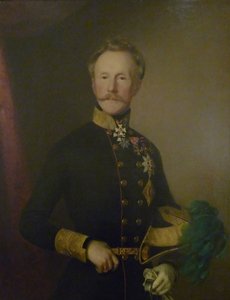
heinrich maria von hess
1844 - 1798 , Germany
Quick Facts
- Artistic Movement Or Style:
- Post-Impressionism
- Naïve art
- Primitivism
- Artists Or Movements Influenced By This Artist:
- Degas
- Manet
- Artists Who Influenced This Artist: ['Mary Cassatt']
- Date Of Birth: May 21, 1844
- Date Of Death: September 2, 1910
- Full Name: Henri Julien Félix Rousseau
- Nationality: French
- Notable Artworks:
- The Sleeping Gypsy
- Tiger in a Tropical Storm
- Boy on the Rocks
- Place Of Birth: Laval, Mayenne, France
Related Articles
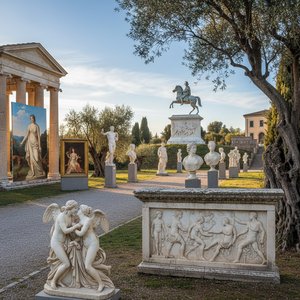
Neoclassical Art: 10 Masterpieces That Shaped History |
Explore 10 defining Neoclassical masterpieces by David, Ingres & Canova. Discover the history, symbolism & artistry behind these iconic paintings and sculptures. Find museum-quality art reproductions at – elevate your home with timeless beauty.
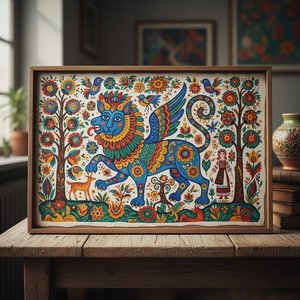
Maria Primachenko: A Legacy of Ukrainian Folk Art & Naive Expression
Discover the captivating world of Maria Primachenko, Ukraine's celebrated naive artist. Explore her vibrant paintings, unique style, and enduring legacy with ArtsDot – your source for authentic art insights & reproductions.

The Revival of Antiquity: Exploring Neoclassical Art's Ideals & Enduring Legacy
Explore the revival of classical ideals in Neoclassical art! Discover Jacques-Louis David & the movement's impact on painting, sculpture & architecture. Expert insights & high-quality reproductions at ArtsDot.

The Revival of Antiquity: Exploring the Neoclassical Movement & its Enduring Legacy
Explore the revival of classical art with our deep dive into Neoclassicism! Discover key artists like Jacques-Louis David, Enlightenment influences & lasting impact on art history. High-quality reproductions at ArtsDot.

Beyond Myth & Madness: Exploring the Visionary Art of Johann Heinrich Füssli
Explore the captivating world of Johann Heinrich Füssli (Henry Fuseli), a master of Romantic art. Discover his iconic 'The Nightmare' and Shakespearean scenes, plus insights for collectors & enthusiasts.